
Welcome to a guide filled with simple tips for stress management and mental wellness. In this article, you will discover easy and effective ways to take care of your mind and body amidst the daily challenges and pressures of life. By implementing these strategies into your routine, you can find peace, balance, and overall well-being. Let’s dive in and prioritize your mental health today! Have you been feeling overwhelmed by stress lately? Do you find yourself struggling to maintain mental wellness in your everyday life? If so, you’re not alone. Many people struggle with managing stress and maintaining their mental health in today’s fast-paced world. But fear not, as there are simple tips and techniques you can incorporate into your daily routine to help manage stress and promote mental wellness. In this article, we will discuss various strategies that can help you cope with stress and improve your overall mental health. So grab a cup of tea, get comfortable, and let’s dive into some simple tips for stress management and mental wellness.
Understanding Stress and Its Impact on Mental Wellness
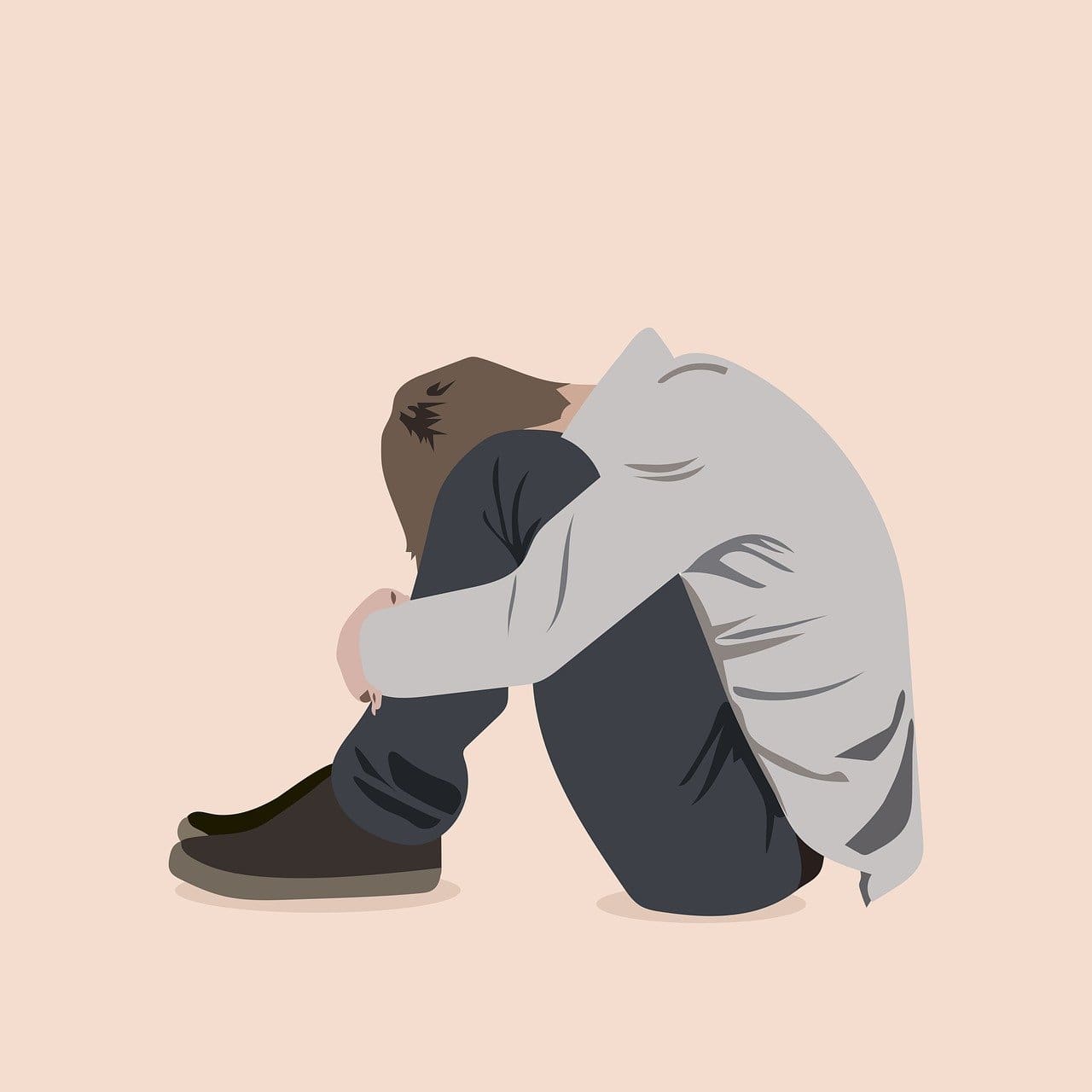
Stress is a natural response that your body has to certain situations or events. While a little bit of stress can be motivating and help you perform better, chronic stress can have a negative impact on your mental health. It can lead to anxiety, depression, insomnia, and a variety of other health issues. Understanding the signs and symptoms of stress and how it affects your mental wellness is the first step towards managing it effectively.
Do you often feel overwhelmed, irritable, or anxious? Do you have trouble sleeping or find it hard to concentrate? These can be signs that you are experiencing stress. It’s important to recognize these symptoms and take action to address them before they escalate.
Symptoms of Stress
- Feeling overwhelmed
- Irritability
- Anxiety
- Trouble sleeping
- Difficulty concentrating
- Physical symptoms (headaches, muscle tension, etc.)
Keeping a journal of your thoughts and feelings can help you identify patterns and triggers that contribute to your stress levels. Once you have a better understanding of your stressors, you can take steps to manage them more effectively.
Practicing Mindfulness and Meditation
Mindfulness and meditation are powerful tools for managing stress and improving mental wellness. These practices involve focusing on the present moment and cultivating a sense of awareness and acceptance. By practicing mindfulness and meditation regularly, you can reduce stress, improve your mood, and enhance your overall well-being.
Have you ever tried mindfulness or meditation? These practices can be as simple as taking a few minutes each day to sit quietly and focus on your breath. By bringing your attention to the present moment, you can quiet your mind and reduce stress. There are many different techniques and resources available to help you get started with mindfulness and meditation.
Benefits of Mindfulness and Meditation
- Reduces stress and anxiety
- Improves focus and concentration
- Enhances self-awareness
- Promotes emotional well-being
- Increases resilience to stress
Incorporating mindfulness and meditation into your daily routine can have a profound impact on your mental health. Whether you prefer guided meditation, mindful breathing exercises, or mindful movement practices like yoga, finding a technique that resonates with you is key to reaping the benefits of these practices.
Establishing Healthy Lifestyle Habits
Maintaining a healthy lifestyle is essential for managing stress and promoting mental wellness. Regular exercise, a balanced diet, and adequate sleep are all important components of a healthy lifestyle. By taking care of your physical health, you can support your mental health and reduce stress levels.
Are you getting enough exercise, eating nutritious foods, and getting adequate sleep? These lifestyle habits can have a significant impact on your stress levels and overall well-being. Making small changes to your daily routine can help you establish healthy habits that support your mental health.
Healthy Lifestyle Habits
- Regular exercise (30 minutes a day)
- Balanced diet (fruits, vegetables, whole grains, lean protein)
- Adequate sleep (7-9 hours per night)
- Limiting caffeine and alcohol
- Managing time effectively
- Socializing and connecting with others
Finding activities that you enjoy, such as walking, running, dancing, or yoga, can make it easier to incorporate regular exercise into your routine. Eating a variety of nutritious foods and staying hydrated can help fuel your body and mind. And getting enough restful sleep is essential for replenishing your energy and managing stress.
Building Supportive Relationships
Having a strong support system is essential for managing stress and maintaining mental wellness. Building supportive relationships with friends, family, or peers can provide you with emotional support, guidance, and a sense of belonging. It’s important to nurture these relationships and reach out for help when you need it.
Do you have people in your life who you can turn to for support? Cultivating meaningful relationships and connecting with others can help you navigate challenging times and cope with stress more effectively. Building a support system that you can rely on is crucial for your mental health.
Benefits of Supportive Relationships
- Emotional support
- Encouragement and guidance
- Sense of belonging
- Reduced feelings of isolation
- Improved mental health
Whether you join a support group, confide in a trusted friend, or seek professional help from a therapist or counselor, reaching out for support is a courageous step towards managing stress and improving your mental wellness. Remember, it’s okay to ask for help when you need it.
Practicing Self-Care and Setting Boundaries
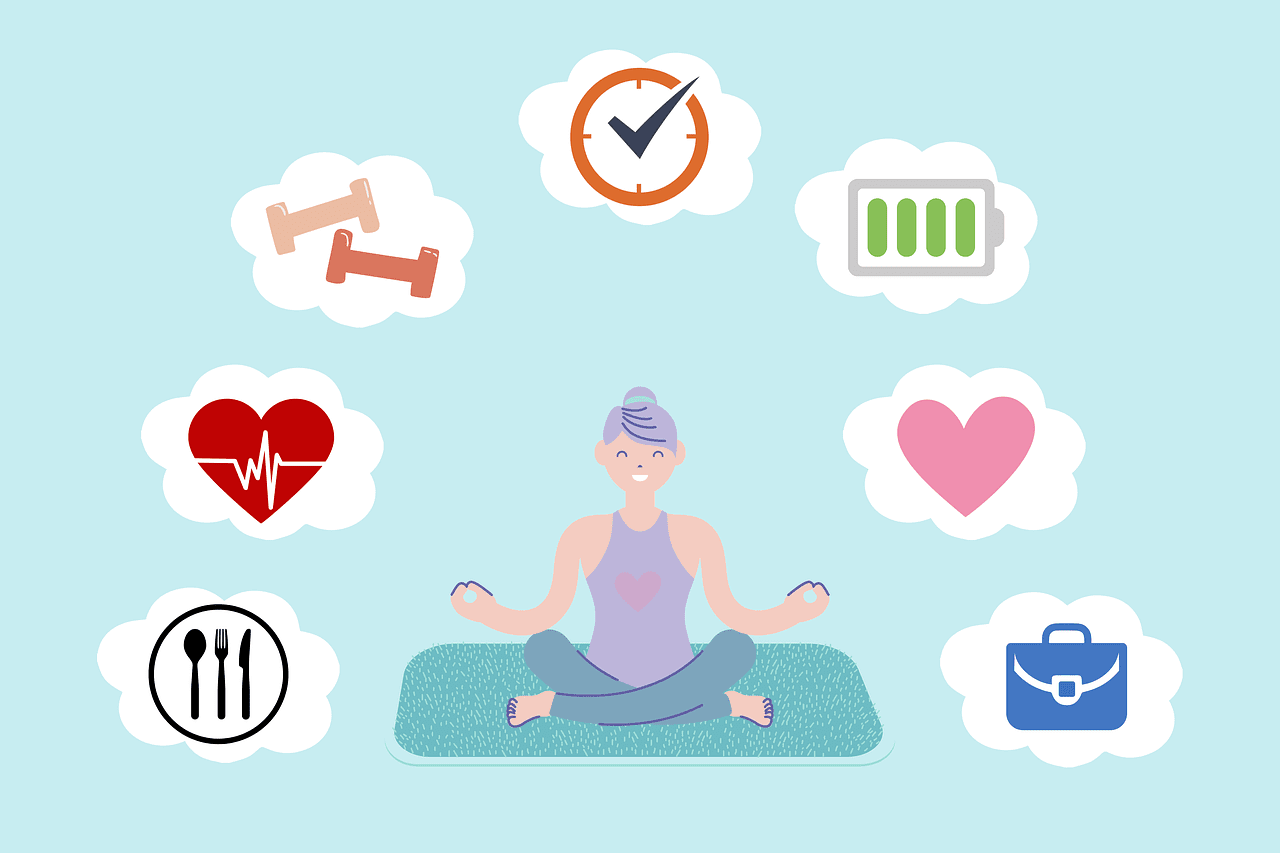
Taking care of yourself and setting boundaries is vital for managing stress and promoting mental wellness. Self-care involves prioritizing your well-being and making time for activities that nourish your mind, body, and soul. Setting boundaries means establishing limits on your time, energy, and relationships to protect your mental health.
Do you make time for yourself and prioritize activities that bring you joy and relaxation? Incorporating self-care practices into your routine can help you recharge and rejuvenate, reducing stress and preventing burnout. Setting boundaries with others and saying no when necessary can protect your mental well-being and prevent feelings of overwhelm.
Self-Care Practices
- Relaxation techniques (deep breathing, visualization)
- Hobbies and activities you enjoy
- Spending time in nature
- Reading, listening to music, or watching movies
- Practicing gratitude and mindfulness
Setting boundaries involves communicating your needs and limits to others, saying no to requests that drain your energy, and prioritizing your well-being. By establishing healthy boundaries in your relationships and activities, you can create a more supportive environment for yourself and reduce stress.
Seeking Professional Help and Support
If you’re struggling to manage stress or maintain your mental wellness, seeking professional help is an important step towards getting the support you need. A mental health professional, such as a therapist, counselor, or psychologist, can provide you with guidance, support, and therapy to help you cope with stress and improve your mental health.
Do you feel like you need additional support or guidance in managing your stress? Seeking professional help is a courageous and proactive step towards prioritizing your mental wellness. A mental health professional can offer valuable insights and tools to help you navigate challenging emotions and situations.
Benefits of Professional Help
- Individualized treatment and support
- Therapeutic interventions and techniques
- Confidential and non-judgmental environment
- Increased self-awareness and personal growth
By working with a mental health professional, you can explore your thoughts and feelings, gain new perspectives, and develop coping strategies to manage stress effectively. Therapy can provide you with the tools and support you need to improve your mental wellness and build resilience.
Practicing Gratitude and Positive Thinking
Practicing gratitude and adopting a positive mindset can help shift your perspective and reduce stress. Gratitude involves acknowledging and appreciating the good things in your life, while positive thinking focuses on cultivating optimism and resilience in the face of challenges. By cultivating gratitude and positive thinking, you can foster a sense of well-being and elevate your mood.
Do you take time to count your blessings and express gratitude for the things you have? Practicing gratitude by keeping a gratitude journal or reflecting on positive experiences can help you cultivate a more positive outlook on life. Positive thinking involves reframing negative thoughts and focusing on solutions rather than problems.
Benefits of Gratitude and Positive Thinking
- Increased happiness and life satisfaction
- Improved mental health and well-being
- Reduced stress and anxiety
- Enhanced resilience and coping skills
- Improved relationships and social connections
By incorporating gratitude practices into your daily routine and challenging negative thought patterns, you can shift your mindset towards positivity and improve your overall mental wellness. Cultivating a sense of gratitude and optimism can help you navigate stress more effectively and build emotional resilience.
Taking Breaks and Practicing Relaxation Techniques
Taking breaks and practicing relaxation techniques are essential for managing stress and promoting mental wellness. Giving yourself permission to rest and recharge can help prevent burnout and overwhelm. Relaxation techniques, such as deep breathing, progressive muscle relaxation, or guided imagery, can help calm your mind and reduce stress.
Do you find time to take breaks throughout your day and give yourself moments of rest and relaxation? Incorporating short breaks into your schedule can help prevent feelings of fatigue and keep your stress levels in check. Practicing relaxation techniques can also help you unwind and release tension from your body.
Benefits of Taking Breaks and Relaxation Techniques
- Increased productivity and focus
- Reduced feelings of stress and overwhelm
- Lowered heart rate and blood pressure
- Enhanced mood and emotional well-being
- Improved sleep quality
Whether you take a brief walk outside, listen to calming music, or practice mindfulness for a few minutes, finding ways to relax and rejuvenate can have a positive impact on your mental health. Prioritizing self-care and relaxation is crucial for maintaining balance and managing stress in your daily life.
Establishing a Routine and Prioritizing Self-Care
Establishing a daily routine and prioritizing self-care are key components of stress management and mental wellness. By creating structure and consistency in your day-to-day activities, you can reduce feelings of chaos and uncertainty, which can contribute to stress. Prioritizing self-care means making time for activities that nourish your well-being and bring you joy.
Do you have a daily routine that supports your mental health and well-being? Establishing a schedule that includes regular meals, exercise, sleep, work, and downtime can help you stay organized and focused. Prioritizing self-care by engaging in activities that replenish your energy and uplift your spirit is essential for maintaining balance and reducing stress.
Benefits of Establishing a Routine and Prioritizing Self-Care
- Increased sense of control and stability
- Reduced feelings of overwhelm and anxiety
- Improved time management and productivity
- Enhanced self-esteem and confidence
- Greater overall well-being
Incorporating self-care practices into your daily routine, such as taking breaks, practicing mindfulness, or pursuing hobbies you enjoy, can help you manage stress and maintain your mental wellness. By establishing healthy habits and boundaries, you can create a supportive environment that promotes balance and harmony in your life.
Conclusion
Managing stress and maintaining mental wellness are ongoing processes that require self-awareness, resilience, and proactive strategies. By incorporating simple tips and techniques into your daily routine, you can reduce stress, improve your mental health, and enhance your overall well-being. From practicing mindfulness and meditation to establishing healthy lifestyle habits and building supportive relationships, there are many ways you can take care of your mental wellness and cope with stress effectively.
Remember, it’s important to prioritize your well-being and seek help when you need it. Whether you reach out to a friend, engage in self-care activities, or seek professional support from a therapist, taking care of your mental health is essential for living a fulfilling and balanced life. By implementing these simple tips for stress management and mental wellness into your daily routine, you can strengthen your resilience, increase your well-being, and cultivate a positive mindset. So take a deep breath, practice self-compassion, and know that you have the power to manage stress and prioritize your mental wellness.