
If you have a loved one who is facing mental health challenges, finding ways to effectively communicate and support them is crucial. This article explores the importance of communication in supporting someone with mental health issues and provides tips on how to communicate effectively. By learning how to listen, validate feelings, and offer support, you can foster a stronger connection with your loved one and help them navigate their mental health journey.
Understanding Mental Health Challenges
When supporting a loved one with mental health challenges, it is crucial to have a basic understanding of the different conditions they may be dealing with. Researching mental health conditions can help you gain insight into their experiences and enable you to offer more informed support. By educating yourself about common mental health disorders such as depression, anxiety, or bipolar disorder, you can better understand the symptoms and behaviors associated with each condition. This knowledge can also help you communicate more effectively with your loved one and provide the necessary support they need.
Recognizing common symptoms and behaviors
Recognizing common symptoms and behaviors associated with mental health conditions is important in supporting your loved one effectively. Symptoms may vary depending on the specific disorder, but some common signs include changes in appetite, sleep disturbances, withdrawal from social activities, difficulty concentrating, or decreased energy levels. By observing your loved one’s behavior and paying attention to any changes, you can identify when they may be experiencing a mental health challenge. This awareness allows you to respond appropriately and provide the support and understanding they need.
Understanding the impact on daily life
Mental health challenges can significantly impact a person’s daily life. It is essential to understand the ways in which these conditions may affect your loved one. Mental health challenges can manifest in various ways, such as difficulties with work or school, strained relationships, or a decline in overall functioning. By recognizing the impact of mental health on different aspects of their life, you can adapt your support strategies accordingly. Being aware of these challenges demonstrates empathy and helps you provide the necessary assistance and accommodations to facilitate their well-being.
Active Listening
Active listening is a vital component of effective communication when supporting someone with mental health challenges. Giving undivided attention means focusing solely on your loved one when they are speaking to you. This involves maintaining eye contact, avoiding distractions, and actively listening to what they are saying. By demonstrating your full presence and engagement, you create an atmosphere of trust and openness, enhancing the effectiveness of your communication.
Maintaining eye contact
Maintaining eye contact is an essential non-verbal cue that conveys attention and interest. When you maintain eye contact with your loved one, you signal that you are fully engaged in the conversation and value what they have to say. Eye contact fosters connection and can make your loved one feel seen and heard. However, it is essential to consider cultural norms and your loved one’s comfort levels, as some individuals may find prolonged eye contact uncomfortable. It is crucial to respect their boundaries and adjust your eye contact accordingly.
Reflecting and summarizing the conversation
Reflecting and summarizing the conversation is a powerful technique in active listening. It involves paraphrasing what your loved one is saying to ensure that you have understood correctly. This technique shows that you are actively engaged, paying attention, and striving to comprehend their experiences. By reflecting and summarizing, you give your loved one an opportunity to clarify any misunderstandings and feel validated in their communication. This skill also helps prevent miscommunications or assumptions, promoting a clearer and more effective conversation.
Providing Emotional Support
Providing emotional support is a fundamental aspect of supporting a loved one with mental health challenges. Creating a safe and non-judgmental space is crucial for them to feel comfortable sharing their thoughts and emotions. Ensure that your loved one knows they can confide in you without fear of criticism or judgment. Use open-ended questions and statements that invite them to express their feelings and experiences. By providing a supportive environment, you enable your loved one to process their emotions and gain a sense of relief and validation.
Offering empathy and validation
Demonstrating empathy and validation is essential when providing emotional support. Show understanding and compassion by acknowledging your loved one’s emotions and experiences. Avoid minimizing or dismissing their feelings, as this can further discourage open expression. Validate their feelings by acknowledging their experiences as subjective realities. This validation helps your loved one feel heard and understood, fostering a sense of connection and trust. Remember that while you may not fully understand their experience, your empathy and support are invaluable.

Encouraging open expression of feelings
Encouraging your loved one to openly express their feelings is a crucial aspect of emotional support. Create an environment where they feel safe and comfortable sharing their thoughts and emotions. Avoid interrupting or providing immediate solutions. Instead, listen attentively to their concerns and encourage them to explore their emotions. Use phrases such as “Tell me more about how you’re feeling” or “It sounds like you’re going through a difficult time.” By allowing your loved one to express their feelings freely, you provide them with an opportunity for self-reflection and emotional catharsis.
Checking in Regularly
Regularly checking in with your loved one is an important way to show your ongoing support and care. Establishing a routine for these check-ins demonstrates reliability and consistency, both of which can be reassuring for individuals with mental health challenges. Find a schedule that works for both of you, whether it’s a daily, weekly, or monthly basis. Regular check-ins provide an opportunity to monitor their well-being, offer support, and address any concerns promptly.
Establishing a routine
Establishing a routine for check-ins helps ensure that you consistently show up and are available for your loved one. Whether it’s a phone call, a video chat, or an in-person meeting, having a set time and day can create a sense of predictability and reliability. This routine also reinforces the idea that you are committed to their well-being and mental health journey. However, it is crucial to be flexible and understanding if they need to reschedule or alter the routine to accommodate their needs.
Using different communication platforms
Using different communication platforms can enhance your check-ins, especially if distance or other limitations prevent regular face-to-face interactions. Phone calls, video chats, text messages, or emails are all viable options. Ask your loved one what communication method they prefer and what works best for them. Adapting to their preferences helps them feel valued and ensures that they can communicate comfortably and effectively.
Being consistent and reliable
Consistency and reliability are key when checking in with your loved one. Maintain a regular schedule for your check-ins and be prompt in honoring your commitments. Being consistent and reliable sends the message that you genuinely care about their well-being and that they can rely on your support. If unforeseen circumstances prevent you from fulfilling a check-in, communicate this early and reschedule promptly. Your loved one will appreciate your reliability and be more likely to reach out to you in times of need.
Educating Yourself
Educating yourself about your loved one’s specific mental health condition is vital in understanding their experiences and offering appropriate support. Learn about the symptoms, triggers, and potential treatments associated with their condition. Research reputable sources, such as medical journals, books, or websites from recognized mental health organizations. By acquiring accurate knowledge, you can better empathize with your loved one’s situation and provide guidance and suggestions that align with their specific challenges.
Learning about their specific condition
Each mental health condition has unique characteristics and challenges. Take the time to learn about the specifics of your loved one’s condition. Familiarize yourself with the symptoms, potential causes, and available treatment options. This knowledge will enable you to understand their experiences more deeply and tailor your support to their individual needs. Educating yourself also allows you to offer accurate information and counter any misconceptions or stigmas that may surround their condition.
Understanding treatment options
Understanding the available treatment options for your loved one’s mental health condition is crucial for providing appropriate support. Research different therapeutic modalities, such as cognitive-behavioral therapy, medication, or alternative treatments. Be aware of potential side effects or limitations of each treatment method. By familiarizing yourself with these options, you can help your loved one explore suitable treatment approaches and facilitate informed discussions with healthcare professionals.
Acquiring knowledge on mental health resources
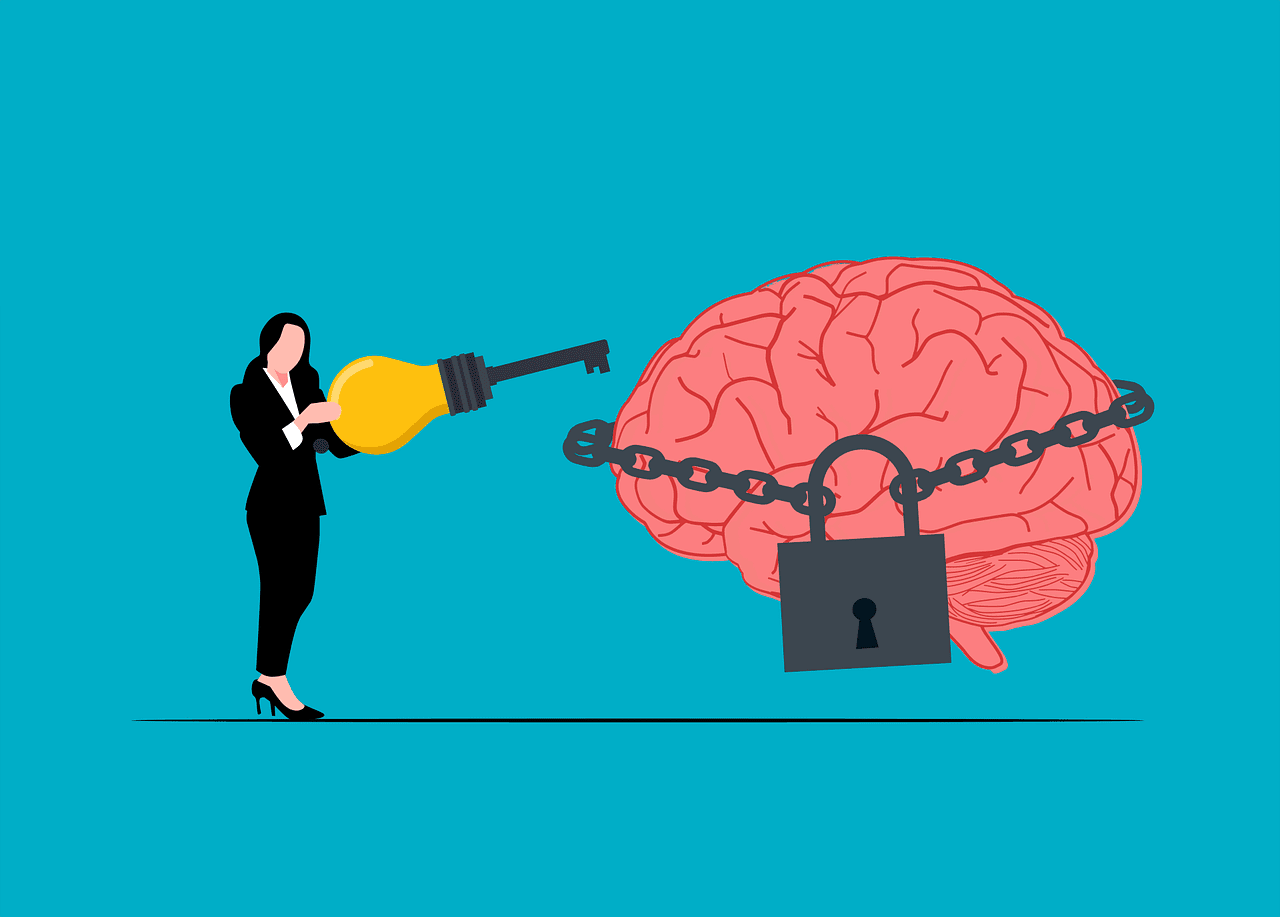
In addition to specific treatment options, it is essential to be aware of mental health resources and support systems available in your community. Research local counseling centers, support groups, or helplines that focus on your loved one’s particular mental health condition. Familiarize yourself with the services they offer, the qualification criteria, and how to access these resources. By acquiring knowledge about available mental health supports, you can provide your loved one with valuable information and assist them in seeking additional help if needed.
Avoiding Judgment and Stigma
Challenging stereotypes and prejudices surrounding mental health is critical when supporting a loved one. Avoid making dismissive or belittling comments about their condition or experiences. Challenge any negative stereotypes or stigmas you may encounter in society. Promote understanding and acceptance by educating others about mental health and encouraging open conversations. By creating an environment that rejects judgment and stigma, you help your loved one feel supported and valued, regardless of their mental health challenges.
Challenging stereotypes and prejudices
Challenging stereotypes and prejudices is an important step in advocating for your loved one. Refrain from making assumptions based on their mental health condition and instead approach them with an open mind. Educate yourself and others about common myths or misconceptions associated with their specific condition. By challenging stereotypes, you help break down the barriers that individuals with mental health challenges often face, promoting inclusivity and empathy in society.
Avoiding dismissive or belittling comments
Avoiding dismissive or belittling comments is crucial when supporting a loved one with mental health challenges. Be mindful of the language you use and the messages you convey. Refrain from minimizing their experiences or suggesting that their challenges are insignificant. Instead, validate their feelings and struggles, emphasizing that you are there to support them unconditionally. By choosing your words carefully, you can foster an environment of trust and understanding.
Promoting understanding and acceptance
Promoting understanding and acceptance of mental health challenges is essential in supporting your loved one. Educate those around you about mental health by challenging misconceptions and sharing accurate information. Encourage open conversations about mental health and advocate for greater access to support systems and resources. By actively participating in the fight against stigma, you create an environment that normalizes discussions about mental health and fosters compassion and acceptance.
Setting Boundaries
When supporting a loved one with mental health challenges, it is crucial to find a balance between providing support and taking care of your own well-being. Setting boundaries ensures that you maintain your own mental health and prevent burnout. Communicate your own needs and limitations to your loved one, expressing what you are comfortable and capable of providing. By establishing healthy limits, you create a framework in which both you and your loved one can thrive.
Finding a balance between support and self-care
Finding a balance between supporting your loved one and practicing self-care is essential for your overall well-being. It is not selfish to prioritize your own mental health, as you can only offer effective support when you are in a good place personally. Assess your own needs and set realistic boundaries accordingly. Determine how much time and emotional energy you can allocate while still taking care of yourself. By finding a balance, you can support your loved one without neglecting your own well-being.
Communicating your own needs
Communicating your own needs is crucial when setting boundaries with your loved one. Clearly express what you are comfortable or uncomfortable with, whether it is discussing certain topics, being available at specific times, or the level of emotional support you can provide. Be honest and compassionate in your communication, emphasizing that your boundaries are not a reflection of their worth or the importance of their challenges. Open and honest communication strengthens your relationship and ensures mutual understanding.
Establishing healthy limits
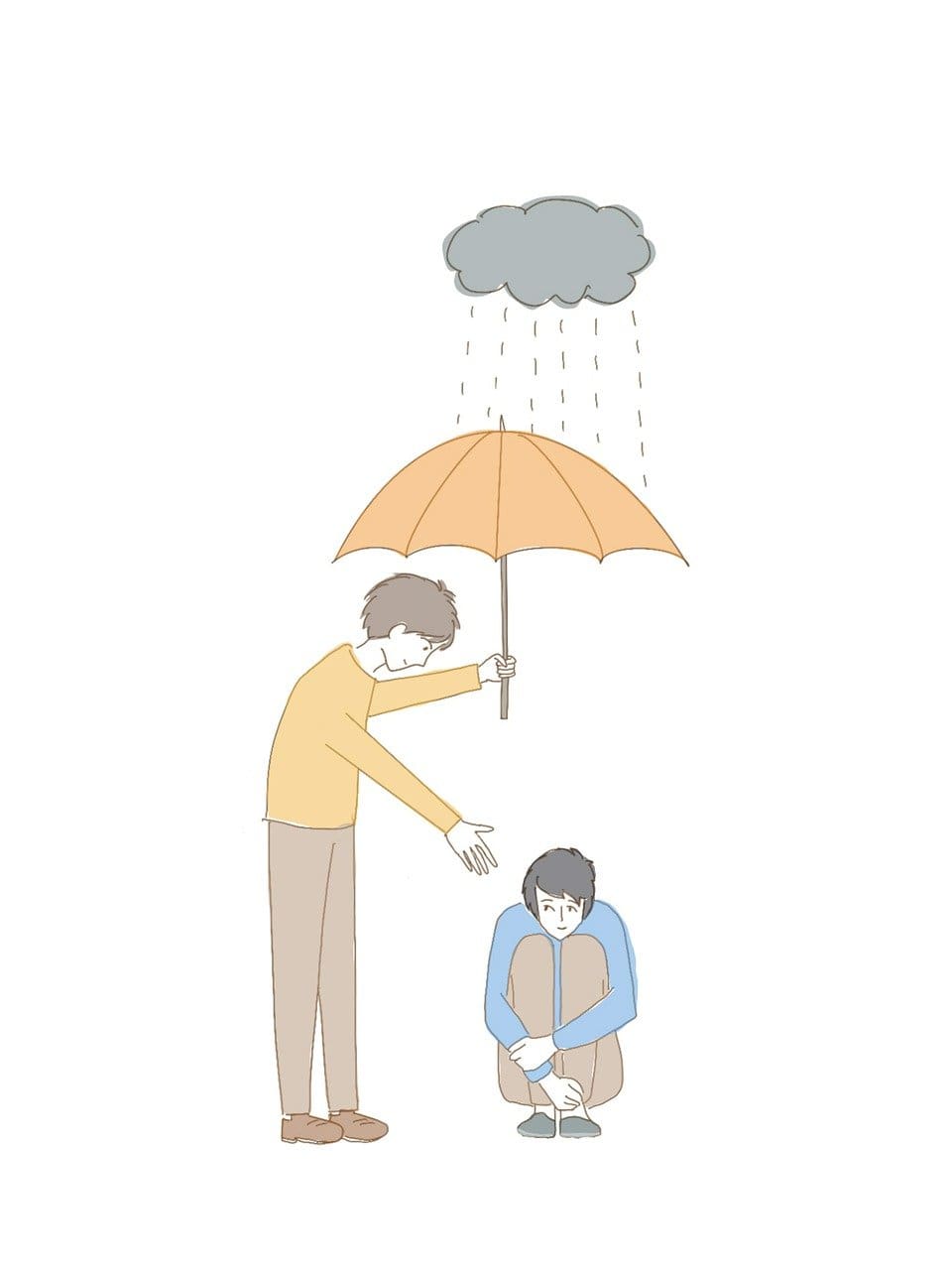
Establishing healthy limits is essential for maintaining your own well-being. Determine what specific boundaries you need to set for yourself. This may include allocating specific hours or days for downtime or ensuring that you are not overly burdened by your loved one’s challenges. Be gentle but firm in upholding these limits, as doing so helps prevent burnout and enables you to provide sustainable support in the long run. Remember that setting boundaries is an act of self-care, and it benefits both you and your loved one.
Encouraging Professional Help
Encouraging your loved one to seek professional help is crucial when managing mental health challenges. Promote the idea of therapy or counseling as a valuable resource that can offer specialized support. Discuss the potential benefits of professional intervention, such as learning coping mechanisms, developing healthy habits, or exploring treatment options. By encouraging professional help, you demonstrate your belief in their ability to overcome their challenges and your commitment to their overall well-being.
Promoting therapy or counseling
Promote the idea of therapy or counseling as a viable option for your loved one. Emphasize the benefits of speaking with a professional who can provide expert guidance and support. Highlight the opportunity for personal growth, self-discovery, and learning effective coping mechanisms. Share success stories or personal experiences of individuals who have benefited from therapy or counseling. By actively advocating for therapy, you empower your loved one to seek the professional help they may need.
Assisting with finding a suitable healthcare professional
Assisting your loved one in finding a suitable healthcare professional helps remove potential barriers to accessing professional help. Offer to research therapists or counselors in their area or recommend trusted mental health practitioners. Help them schedule appointments or accompany them to their initial sessions if they feel comfortable. By facilitating the process, you show your loved one that you are committed to their well-being and supportive of their decision to seek professional help.
Offering support during the process
Offer ongoing support throughout your loved one’s journey of seeking professional help. Check in with them after appointments, allowing them space to process their experiences. Listen non-judgmentally and encourage open conversations about their therapy or counseling sessions. Remind them that professional help is a positive step towards their well-being and that you are there to support them through the process. Your unwavering encouragement can help them navigate any challenges or concerns that may arise.
Being Patient and Understanding
Supporting a loved one with mental health challenges requires patience and understanding. Recognize that there will be ups and downs in their journey and that progress may not always be linear. Allow them the time and space they need to work through their challenges and adjust to treatment or self-care strategies. Show empathy during difficult moments, reminding them that setbacks are normal and that you believe in their resilience. Avoid putting pressure on them or expressing impatience, as this can hinder their progress.
Recognizing the ups and downs
Mental health challenges often involve fluctuations in mood and well-being. Recognize that your loved one may experience both good days and bad days while navigating their mental health journey. Celebrate their successes and positive moments, highlighting their resilience and progress. Be understanding and supportive during challenging times, offering a listening ear and reassurance. By acknowledging the ups and downs, you demonstrate your commitment to their well-being and create a safe space for their emotions.
Showing empathy during difficult moments
During difficult moments, it is crucial to show empathy and understanding towards your loved one. Validate their emotions and thoughts without judgment, providing a safe space for them to express their struggles. Avoid offering unsolicited advice or attempting to solve their problems. Instead, offer comfort and reassurance by saying things like, “I’m here for you” or “I can’t fully understand what you’re going through, but I’m here to support you.” By displaying empathy, you foster a sense of trust and connection, essential for their well-being.
Avoiding pressure or impatience
Avoid pressuring your loved one or expressing impatience during their mental health journey. Recovery takes time, and individuals with mental health challenges may face setbacks or struggle with certain aspects of their treatment. Be patient and understanding, reminding them that progress is not always linear. Express your belief in their ability to overcome challenges and assure them that you are consistently there to support them. By avoiding pressure or impatience, you create a supportive environment that allows them to heal and grow at their own pace.
Seeking Support for Yourself
Supporting a loved one with mental health challenges can be emotionally demanding. It is essential to seek support for yourself to prevent caregiver burnout and effectively cope with your own emotions and challenges. Connect with other loved ones or support groups who can empathize with your experiences. Seek therapy or counseling to develop healthy coping mechanisms and navigate any difficulties you may encounter. Remember that your well-being is as important as that of your loved one, and seeking support ensures that you can continue to provide effective care.
Communicating with other loved ones or support groups
Connecting with other loved ones or support groups allows you to share your experiences and seek guidance from individuals who can relate to your situation. Reach out to friends or family who have supported someone with mental health challenges or join support groups specifically for caregivers. Sharing your thoughts, concerns, and successes with others can provide a sense of validation and understanding, easing the emotional burden you may carry.
Seeking therapy or counseling for yourself
Engaging in therapy or counseling for yourself can be incredibly beneficial when supporting a loved one with mental health challenges. A therapist or counselor can provide a safe space for you to explore your emotions, develop effective coping mechanisms, and gain new perspectives. They can also offer guidance on setting boundaries, managing stress, and maintaining your own well-being. Seeking therapy or counseling shows your commitment to self-care and ensures that you have the support you need to navigate your journey as a caregiver.
Addressing your own emotions and challenges
Addressing your own emotions and challenges is vital to maintain your mental health while supporting a loved one. Reflect on your feelings, whether they are fear, frustration, or sadness, and find healthy ways to process them. Engage in self-care activities that bring you joy or relaxation, such as exercise, hobbies, or mindfulness practices. Take breaks when needed and prioritize activities that replenish your energy. By addressing your own emotions and challenges, you can continue to provide the necessary support to your loved one while safeguarding your own well-being.