
Are you a woman who wants to take control of your bone health at every stage of life? Look no further! This article is your ultimate guide to supporting and maintaining strong bones, no matter your age. From the importance of calcium-rich foods during adolescence to understanding the unique bone health challenges faced during menopause, we’ve got you covered. Get ready to embrace healthy habits and discover invaluable tips and tricks for nurturing your bones every step of the way. It’s time to prioritize your bone health and start feeling your best!
Importance of Bone Health
Bone health is crucial for women at every stage of life. Strong and healthy bones play a vital role in supporting overall health and mobility, and they are especially important for women as they age. According to research, women are more prone to developing bone-related problems such as osteoporosis compared to men. Therefore, it is essential for women to prioritize bone health and take proactive measures to maintain strong bones throughout their lives.
Why Bone Health is Important for Women
Bone health is particularly significant for women due to several factors. Women have a higher risk of developing osteoporosis, a condition characterized by decreased bone density and increased fragility. This puts women at a greater risk of fractures, especially in the hip, spine, and wrist. Osteoporosis can greatly impact a woman’s quality of life, leading to pain, limited mobility, and a loss of independence. By taking steps to maintain bone health, women can significantly reduce the risk of developing osteoporosis and its associated complications.
The Impact of Poor Bone Health on Women’s Lives
Poor bone health can have a profound impact on a woman’s life. Fractures resulting from osteoporosis not only cause physical pain but also emotional distress. Simple daily activities such as walking, lifting, and bending can become challenging and painful. Moreover, fractures can often lead to a loss of independence and a decrease in overall quality of life. Bone health should not be overlooked or taken for granted, as maintaining strong bones can help women lead a more active and fulfilling life.
Factors Affecting Bone Health
Several factors influence bone health, both positively and negatively. Understanding these factors can help women take the appropriate steps to support their bone health.
Age
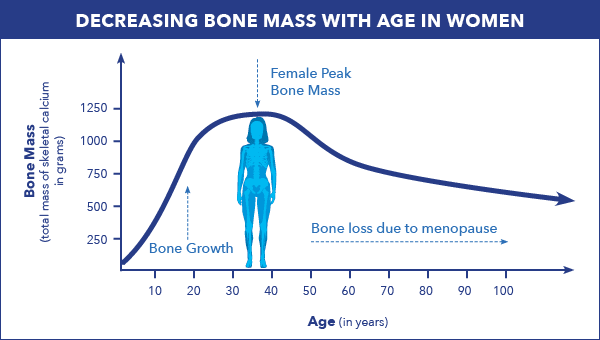
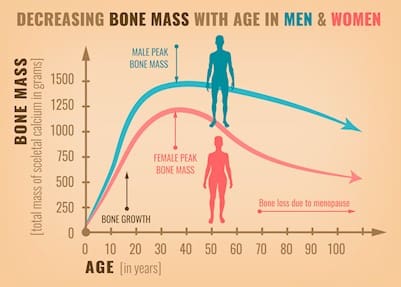
As women age, the risk of developing osteoporosis increases. This is because bone density naturally decreases with age, making bones more fragile and susceptible to fractures. It is important for women to prioritize bone health and take preventive measures as they enter different stages of life.
Genetics
Genetics play a role in determining an individual’s bone health. Some people may be genetically predisposed to having weaker bones or a higher risk of developing osteoporosis. While genetics cannot be changed, awareness of family history can help women take proactive steps to support their bone health.
Hormonal Changes
Hormonal changes, such as those experienced during menopause, can have a significant impact on bone health. The rapid decline in estrogen levels during menopause contributes to a decrease in bone density. Women should be aware of these hormonal changes and seek appropriate guidance to ensure their bone health is adequately supported.
Nutrition
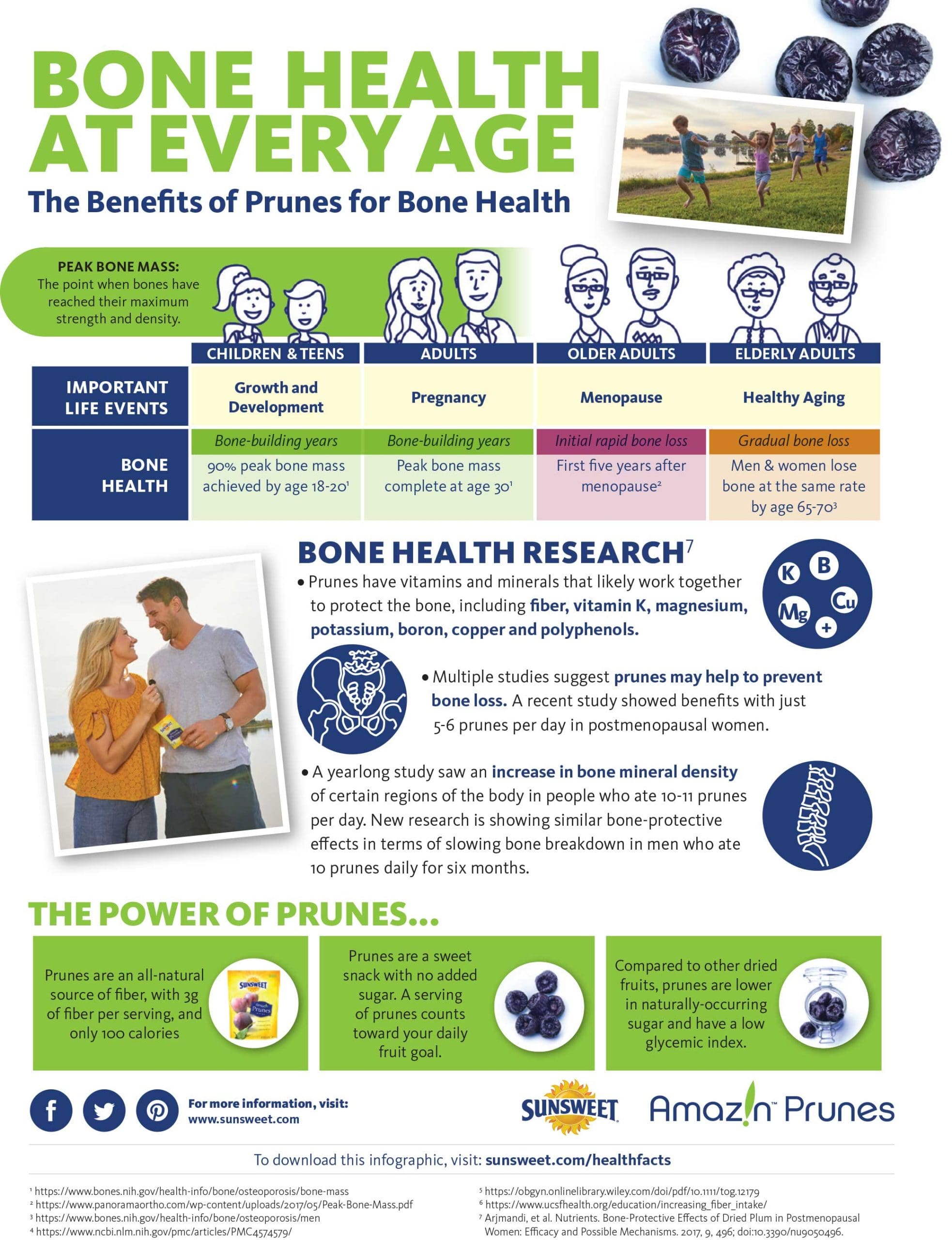
Proper nutrition is essential for maintaining strong and healthy bones. Adequate intake of calcium, vitamin D, and other essential nutrients is crucial for bone health. Calcium-rich foods, such as dairy products, leafy greens, and fortified foods, should be included in the diet. Additionally, vitamin D helps the body absorb calcium, and it can be obtained through sunlight exposure or supplements.
Physical Activity
Physical activity plays a crucial role in building and maintaining strong bones. Weight-bearing exercises, such as walking, jogging, and dancing, help stimulate bone growth and increase bone density. Resistance exercises, such as weightlifting, also contribute to building strong bones. Engaging in regular physical activity is vital for optimizing bone health.
Lifestyle Habits
Certain lifestyle habits can negatively impact bone health. Smoking, excessive alcohol consumption, and a sedentary lifestyle can all contribute to decreased bone density and increased risk of fractures. It is important to adopt healthy lifestyle choices to maintain optimal bone health.
Bone Health in Adolescence
Building strong bones during adolescence is crucial for long-term bone health. The majority of bone mass is acquired during adolescence, making it a critical time to prioritize bone health.
Importance of Building Strong Bones Early
During adolescence, bones are still growing and developing. Maximizing bone density early on can provide a strong foundation for bone health in adulthood. Investing in bone health during this crucial period can help prevent problems such as osteoporosis later in life.
Nutritional Needs for Bone Health in Adolescence
Proper nutrition is paramount during adolescence to support bone development. Calcium-rich foods, such as milk, yogurt, and cheese, are essential for bone health. Vitamin D, obtained through sunlight exposure or supplements, is also necessary for calcium absorption. A balanced diet that includes a variety of nutrient-rich foods is essential for optimal bone health.
Physical Activity Recommendations for Adolescents
Engaging in regular physical activity is essential for building strong bones during adolescence. Weight-bearing exercises, such as running, jumping, and team sports, help stimulate bone growth. Encouraging adolescents to participate in activities that promote bone health is crucial for their long-term well-being.
Bone Health in Young Adulthood
Maintaining bone health continues to be important during young adulthood. Although bone growth is complete by this stage, adopting healthy habits can help prevent bone loss and preserve bone density.
Continuing to Prioritize Bone Health
As women transition into young adulthood, it is crucial to continue prioritizing bone health. By maintaining good bone health habits established during adolescence, women can reduce the risk of developing osteoporosis and other bone-related problems later in life.
Dietary Considerations for Young Women
A well-balanced diet remains essential for supporting bone health in young adulthood. Adequate intake of calcium, vitamin D, and other nutrients is crucial for maintaining strong bones. This can be achieved by including dairy products, leafy greens, and other calcium-rich foods in the diet. Additionally, moderate sun exposure and supplementation can help ensure sufficient vitamin D levels.
Exercises for Bone Strengthening
Engaging in weight-bearing exercises during young adulthood can help improve bone density and strength. Activities such as walking, jogging, hiking, and dancing are all beneficial for bone health. Additionally, incorporating resistance exercises, such as weightlifting, can further support bone strengthening.
Lifestyle Choices to Support Bone Health
Making healthy lifestyle choices is essential for maintaining bone health during young adulthood. Avoiding smoking, limiting alcohol consumption, and maintaining a consistent exercise routine are all factors that contribute to optimal bone health. By adopting these positive habits, young women can set a strong foundation for their bone health in the years to come.
Bone Health During the Reproductive Years
The reproductive years bring about unique considerations for women’s bone health. Pregnancy and lactation can have both positive and negative effects on bone health.
Impact of Pregnancy and Lactation on Bone Health
During pregnancy, a woman’s body undergoes significant changes to support the growing baby. Calcium is often taken from the mother’s bones to meet the developing baby’s needs, potentially leading to decreased bone density. Furthermore, the hormonal changes that occur during pregnancy and lactation can impact bone health. It is important to ensure proper support for bone health during these stages.
Nutritional Needs for Maintaining Bone Health During Reproductive Years
Maintaining adequate nutrition is crucial for women during the reproductive years. Consuming a balanced diet that includes sufficient calcium and vitamin D is essential for both the mother and baby’s bone health. Prenatal vitamins can help bridge any nutritional gaps and support the increased demand for nutrients during pregnancy and lactation.
Exercise Recommendations for Maintaining Bone Density
Exercise remains an important component of maintaining bone density during the reproductive years. Low-impact activities such as swimming and prenatal yoga can help support bone health without putting excessive strain on the joints. It is important to consult with a healthcare provider to determine appropriate exercises based on individual needs and pregnancy status.
Bone Health in Perimenopause and Menopause
Perimenopause and menopause bring about hormonal changes that can significantly impact bone health. It is crucial for women to be aware of these changes and take proactive steps to maintain strong and healthy bones.
Changes in Bone Health During Perimenopause and Menopause
During perimenopause, the period leading up to menopause, hormone levels fluctuate, which can negatively impact bone health. The decline in estrogen production during menopause accelerates bone loss, leading to decreased bone density and increased risk of fractures. Understanding these changes can help women take appropriate measures to support their bone health.
Hormonal Considerations for Bone Health
Hormonal therapy, such as estrogen replacement therapy, can help mitigate the impact of declining estrogen levels on bone health. Consulting with a healthcare provider can provide valuable insights into the benefits and risks associated with hormone replacement therapy, as well as other hormone-based treatments.
Dietary Strategies for Supporting Bone Health
Maintaining a nutritious diet is crucial during perimenopause and menopause to support bone health. Adequate intake of calcium, vitamin D, and other essential nutrients can help minimize bone loss. Additionally, incorporating foods rich in omega-3 fatty acids, such as fatty fish and flaxseeds, can contribute to overall bone health.
Exercise and Weight-Bearing Activities for Maintaining Bone Density
Regular exercise, including weight-bearing activities, is essential for maintaining bone density during perimenopause and menopause. Weightlifting, walking, dancing, and other resistance exercises help stimulate bone growth and strengthen bones. Engaging in a variety of exercises that promote bone health can be integral to preserving bone density in this stage of life.

Preventing Osteoporosis
Understanding osteoporosis and taking proactive measures to prevent its development is crucial for maintaining long-term bone health.
Understanding Osteoporosis
Osteoporosis is a condition characterized by decreased bone density and increased fragility, making bones more prone to fractures. It is often referred to as a “silent disease” since it does not cause symptoms until a fracture occurs. Understanding the risks and consequences of osteoporosis is the first step in prevention.
Risk Factors for Developing Osteoporosis
Several factors contribute to the development of osteoporosis. These include family history, age, hormone deficiencies, smoking, excessive alcohol consumption, and a sedentary lifestyle. Being aware of these risk factors can help women take proactive steps to prevent osteoporosis.
Screening and Diagnosis
Bone density tests, such as dual-energy X-ray absorptiometry (DXA) scans, are commonly used to screen for osteoporosis. These tests help assess bone density and determine the risk of fractures. Early detection through screening is crucial in preventing further bone loss and managing osteoporosis effectively.
Lifestyle Measures for Prevention
Leading a healthy lifestyle is integral to preventing osteoporosis. This includes maintaining a balanced diet rich in calcium and vitamin D, engaging in regular weight-bearing exercises, quitting smoking, limiting alcohol consumption, and managing stress levels. Implementing these lifestyle measures can help reduce the risk of developing osteoporosis and support overall bone health.
Supplements and Medications for Bone Health
In addition to a well-balanced diet and lifestyle choices, supplements and medications can play a role in supporting bone health.
Calcium and Vitamin D Supplementation
For some women, meeting their nutritional needs for calcium and vitamin D through diet alone may be challenging. In such cases, supplementation may be necessary to ensure adequate intake. It is important to consult with a healthcare provider or a registered dietitian to determine the appropriate dosage and form of supplements.
Other Bone-Supportive Nutrients
In addition to calcium and vitamin D, other nutrients play a role in supporting bone health. These include magnesium, vitamin K, and phosphorus. While these nutrients are typically obtained through a well-balanced diet, supplementation may be necessary in certain cases. Consulting with a healthcare provider or a registered dietitian can help determine individual needs.
Medications for Bone Health
In some cases, medications may be prescribed to support bone health. These include bisphosphonates, hormone therapy, and selective estrogen receptor modulators (SERMs). These medications help slow down bone loss and reduce the risk of fractures. It is important to discuss the potential benefits and risks of medication options with a healthcare provider.
Screening and Monitoring Bone Health
Regular screening and monitoring of bone health is crucial to assess bone density and identify any changes or concerns.
Bone Density Tests
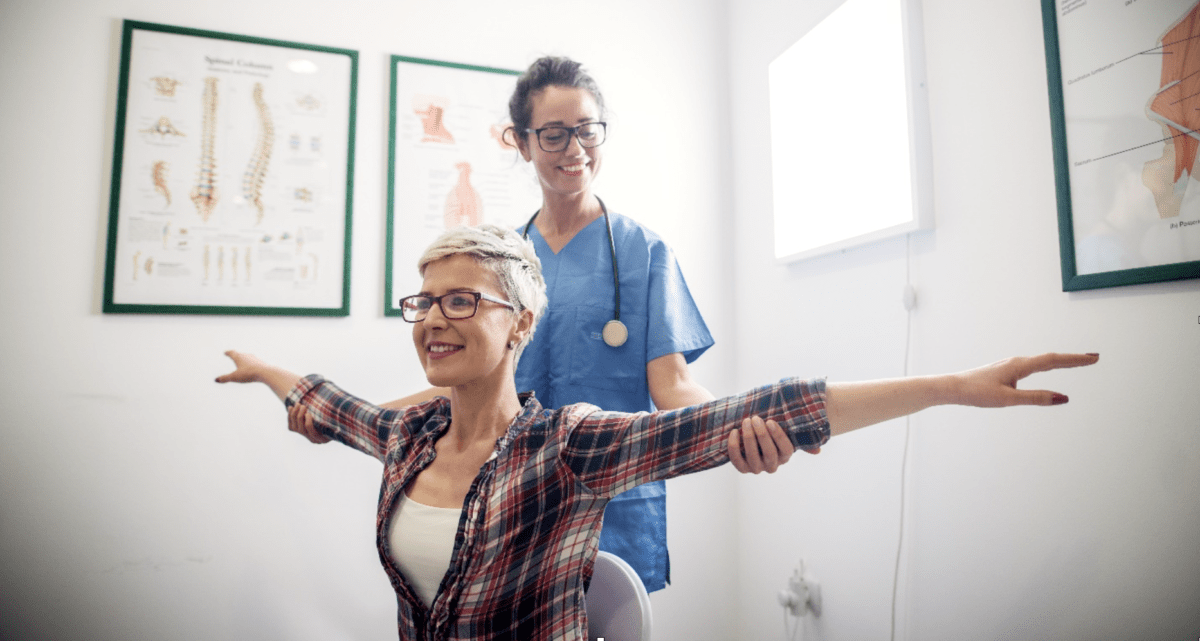
Bone density tests, such as DXA scans, are commonly used to measure bone mineral density. These tests are non-invasive and provide valuable information about an individual’s bone health. It is recommended that women undergo a baseline bone density test around the age of 65, or earlier if there are additional risk factors present.
Frequency of Screening
The frequency of bone density screening depends on individual risk factors and recommendations from healthcare providers. Typically, screenings are recommended every two to three years for postmenopausal women or those at higher risk of osteoporosis. Regular screenings help identify any changes in bone density and allow for early intervention if needed.
Interpreting the Results
Bone density test results are typically reported as a T-score, comparing an individual’s bone density to that of a healthy young adult. A score of -1 or above is considered normal, while scores between -1 and -2.5 indicate osteopenia (low bone density) and scores below -2.5 indicate osteoporosis. Healthcare providers can provide guidance on interpreting the results and determining appropriate interventions or treatments.
Follow-Up Care
If low bone density or osteoporosis is detected, follow-up care is essential. This may include lifestyle modifications, additional screenings, medication prescriptions, and regular monitoring. Working closely with healthcare providers can help ensure the best possible outcomes for bone health.
Lifestyle Choices for Optimal Bone Health
Maintaining a healthy lifestyle is key to supporting optimal bone health throughout all stages of life.
Maintaining a Balanced Diet
A well-balanced diet, rich in calcium, vitamin D, and other essential nutrients, is crucial for optimal bone health. Including a variety of dairy products, leafy greens, fortified foods, and other calcium-rich foods can help provide the necessary nutrients for bone health. A registered dietitian can provide personalized guidance on nutrition for bone health.
Regular Exercise
Engaging in regular physical activity, including weight-bearing exercises, is essential for maintaining strong bones. Activities such as walking, jogging, dancing, and weightlifting help stimulate bone growth and increase bone density. Incorporating a variety of exercises that align with personal preferences and abilities is crucial for long-term bone health.
Avoiding Smoking and Excessive Alcohol Consumption
Smoking negatively affects bone health by decreasing bone density and increasing the risk of fractures. Similarly, excessive alcohol consumption can lead to bone loss and impair the body’s ability to absorb calcium. Avoiding smoking and limiting alcohol consumption are vital for supporting optimal bone health.
Managing Stress Levels
Chronic stress can have a negative impact on bone health. High levels of stress can lead to hormonal imbalances that affect bone density. Implementing stress management techniques, such as relaxation exercises, mindfulness practices, and seeking support from loved ones, can help mitigate the impact of stress on bone health.
Maintaining a Healthy Body Weight
Maintaining a healthy body weight is important for overall bone health. Being underweight can increase the risk of osteoporosis, while excessive weight can put additional strain on the bones and joints. Striving for a healthy body weight through a balanced diet and regular physical activity can contribute to optimal bone health.
In conclusion, bone health is a vital aspect of overall well-being for women at every stage of life. Taking proactive steps to support bone health, such as maintaining a balanced diet, engaging in regular physical activity, and adopting healthy lifestyle habits, can significantly reduce the risk of developing osteoporosis and other bone-related problems. Understanding the factors that influence bone health and seeking guidance from healthcare providers can help women make informed decisions and prioritize their bone health. By investing in bone health early on and maintaining a commitment to healthy habits, women can enjoy strong and healthy bones throughout their lives.