
Welcome to “The ABCs Of Managing Diabetes: A Beginner’s Guide,” where we will walk you through the essential tools and knowledge you need to effectively manage your diabetes. From understanding your blood sugar levels to making healthier food choices and incorporating exercise into your routine, this article will provide you with practical tips and advice to help you live a healthier and more fulfilling life with diabetes. Let’s embark on this journey together and learn how to navigate the ins and outs of diabetes management with confidence and ease. Have you recently been diagnosed with diabetes and feeling overwhelmed with managing your condition? Don’t worry, you’re not alone. In this beginner’s guide, we will walk you through the ABCs of managing diabetes, helping you understand the basics and providing you with the tools you need to take control of your health.
Understanding Diabetes
So, you’ve just found out you have diabetes. The first step in managing your condition is understanding what it is. Diabetes is a chronic disease that affects how your body uses glucose, a type of sugar that acts as fuel for your cells. When you have diabetes, your body either doesn’t produce enough insulin (a hormone that helps regulate blood sugar) or is unable to use insulin effectively, leading to high blood sugar levels.
Types of Diabetes
There are several types of diabetes, with the most common being Type 1 and Type 2 diabetes. Type 1 diabetes is an autoimmune condition in which the immune system attacks the cells in the pancreas that produce insulin. Type 1 diabetes is usually diagnosed in children and young adults and requires lifelong insulin therapy. Type 2 diabetes, on the other hand, is more common in adults and is caused by a combination of genetic and lifestyle factors. In Type 2 diabetes, the body’s cells become resistant to insulin, leading to elevated blood sugar levels.
Symptoms of Diabetes
Being aware of the symptoms of diabetes is crucial for early diagnosis and management. Some common symptoms of diabetes include frequent urination, excessive thirst, unexplained weight loss, fatigue, blurred vision, and slow-healing wounds. If you experience any of these symptoms, it’s important to see your healthcare provider for testing and diagnosis.
Diagnosing Diabetes
Diabetes is diagnosed through blood tests that measure your blood glucose levels. The two most common tests used to diagnose diabetes are the fasting plasma glucose (FPG) test and the hemoglobin A1c test. The FPG test measures your blood sugar levels after fasting for at least eight hours, while the hemoglobin A1c test provides an average of your blood sugar levels over the past two to three months. Depending on the results of these tests, your healthcare provider will determine if you have diabetes and what type.
The ABCs of Managing Diabetes
Now that you have a basic understanding of diabetes, let’s dive into the ABCs of managing your condition. The ABCs stand for A1c, Blood Pressure, Cholesterol, and are key factors in controlling your diabetes and reducing the risk of complications. Let’s take a closer look at each of these components:
A: A1c
The A1c test measures your average blood sugar levels over the past two to three months and provides a snapshot of how well you are managing your diabetes. The goal for most people with diabetes is to maintain an A1c level of less than 7%. By keeping your A1c levels in check, you can reduce the risk of long-term complications such as heart disease, stroke, kidney disease, and nerve damage.
B: Blood Pressure
High blood pressure, also known as hypertension, is a common comorbidity of diabetes and can further increase the risk of heart disease and stroke. The target blood pressure for people with diabetes is less than 130/80 mmHg. Managing your blood pressure through lifestyle changes, such as maintaining a healthy diet, exercising regularly, and taking prescribed medications, is crucial in preventing complications associated with diabetes.
C: Cholesterol
High cholesterol levels can contribute to the buildup of plaque in your arteries, increasing the risk of heart disease and stroke. People with diabetes are often encouraged to maintain their LDL (bad) cholesterol levels below 100 mg/dL and their HDL (good) cholesterol levels above 50 mg/dL for women and above 40 mg/dL for men. By monitoring your cholesterol levels and making lifestyle changes, such as eating a heart-healthy diet and exercising regularly, you can reduce the risk of cardiovascular complications associated with diabetes.
Meal Planning and Nutrition
Eating a healthy, balanced diet is essential in managing your diabetes and keeping your blood sugar levels in check. When it comes to meal planning, there are a few key principles to keep in mind:
- Carbohydrate Counting: Carbohydrates have the most significant impact on blood sugar levels, so it’s essential to monitor your carbohydrate intake. You can use carbohydrate counting to help you manage your blood sugar levels and adjust your insulin doses accordingly.
- Balanced Meals: Aim to include a variety of foods in your meals, including fruits, vegetables, lean proteins, whole grains, and healthy fats. By creating balanced meals, you can help regulate your blood sugar levels and maintain overall health.
- Portion Control: Pay attention to portion sizes to prevent overeating and maintain a healthy weight. Measuring and weighing your food can help you control your portion sizes and manage your blood sugar levels effectively.
Physical Activity
Regular physical activity is essential for managing diabetes and improving overall health. Exercise helps lower blood sugar levels, improve insulin sensitivity, aid in weight management, and reduce the risk of heart disease. Aim to get at least 150 minutes of moderate-intensity aerobic exercise per week, such as brisk walking, cycling, or swimming. Additionally, incorporate strength training exercises, such as weightlifting or bodyweight exercises, at least twice a week to build muscle and improve metabolism.
Monitoring Blood Sugar Levels
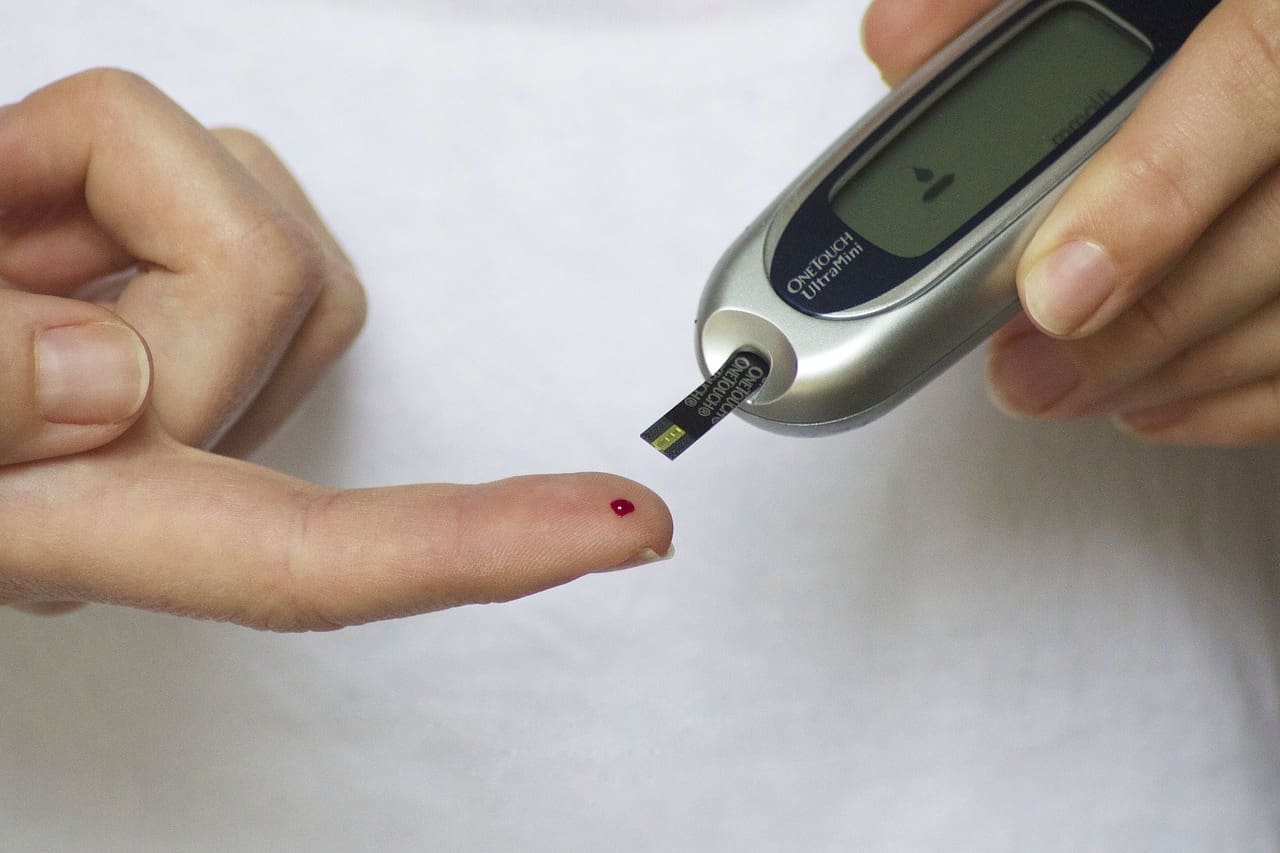
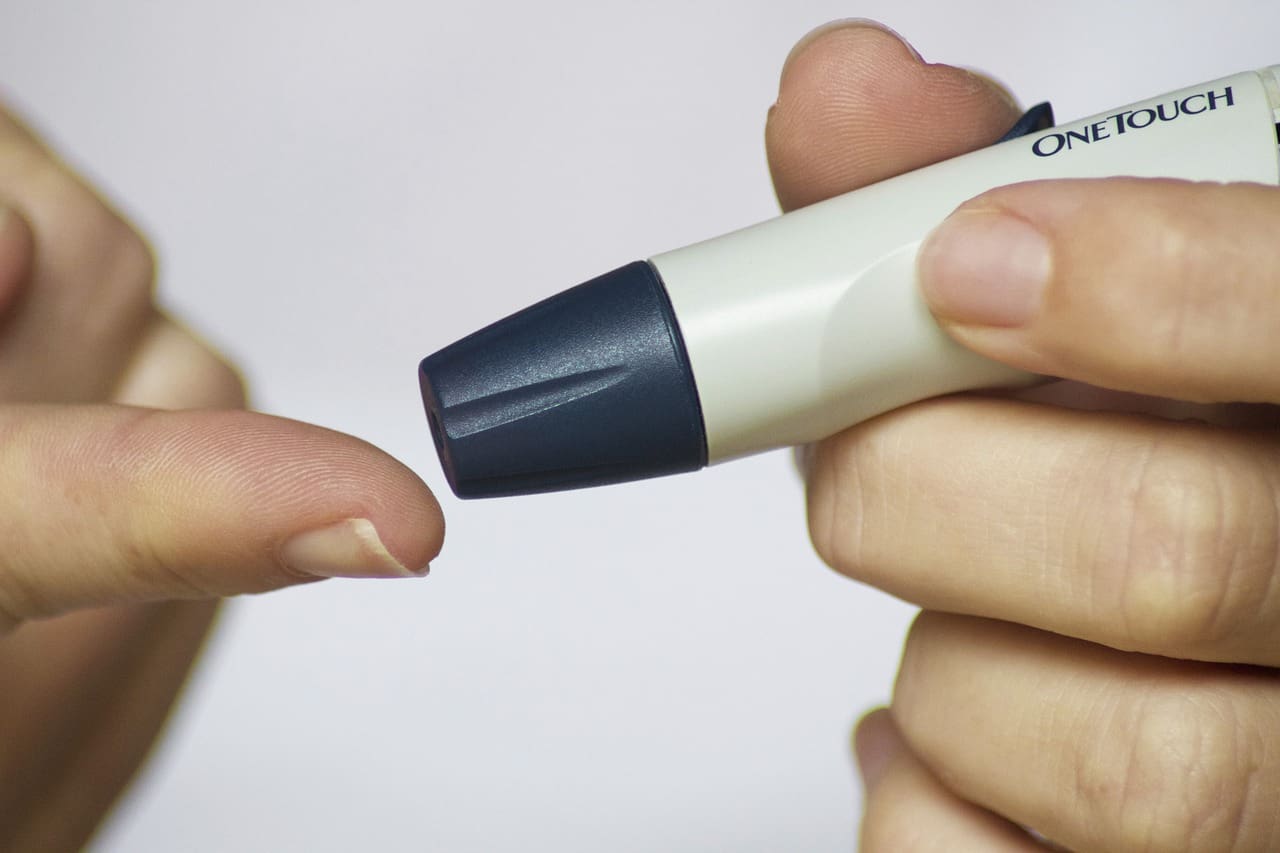
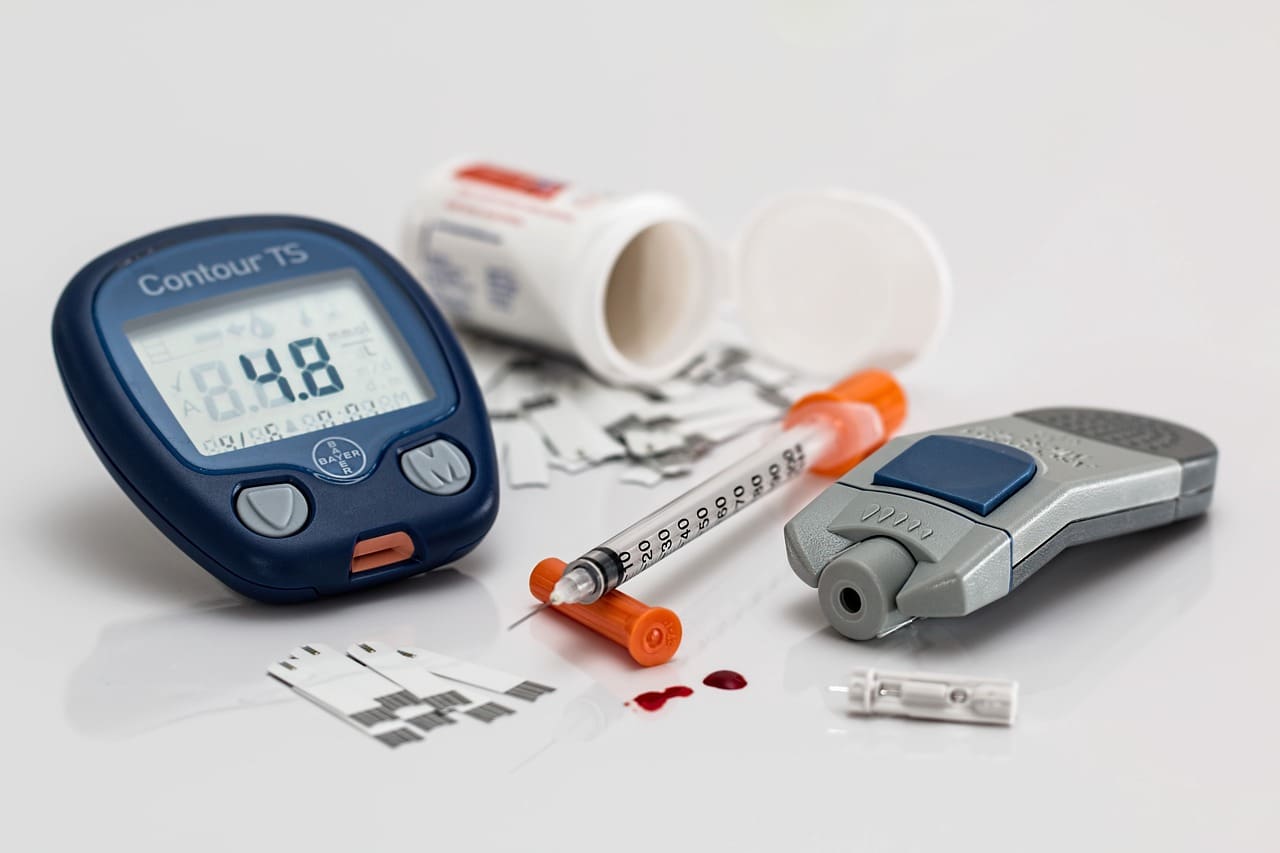
Monitoring your blood sugar levels regularly is a crucial aspect of managing diabetes and preventing complications. By checking your blood sugar levels throughout the day, you can track how your body responds to food, exercise, medication, and other factors. Talk to your healthcare provider about how often you should test your blood sugar levels and what your target ranges should be. Keeping a log of your blood sugar readings can help you and your healthcare provider make informed decisions about your diabetes management plan.
Medications and Insulin Therapy
Depending on the type of diabetes you have and how well you are managing your condition, your healthcare provider may prescribe medications or insulin therapy to help control your blood sugar levels. Some common medications used to treat diabetes include:
- Metformin: Metformin is the first-line medication for Type 2 diabetes and helps improve insulin sensitivity and lower blood sugar levels.
- Insulin: People with Type 1 diabetes and some with Type 2 diabetes may require insulin therapy to manage their blood sugar levels. Insulin can be administered through injections or an insulin pump, and your healthcare provider will determine the type and dosage of insulin that’s right for you.
- Other Medications: Depending on your individual needs, your healthcare provider may prescribe other medications to help control your blood sugar levels, manage comorbidities, or reduce the risk of complications.
Diabetes Education and Support
Managing diabetes can be overwhelming, but you don’t have to do it alone. Diabetes education programs and support groups can provide you with the knowledge, skills, and emotional support you need to navigate your diabetes journey successfully. These resources can help you learn more about your condition, develop healthy habits, set goals, and connect with others who are going through similar experiences. Talk to your healthcare provider about diabetes education programs and support groups in your area or online.
Taking Care of Your Mental Health
Living with diabetes can take a toll on your mental health, leading to stress, anxiety, depression, and other emotional challenges. It’s essential to take care of your mental well-being as part of your overall diabetes management plan. Here are a few tips to help you prioritize your mental health:
- Stay Connected: Stay connected with friends, family, and support groups to share your feelings, experiences, and challenges.
- Practice Self-Care: Make time for activities that bring you joy, relaxation, and peace of mind, such as meditation, mindfulness, hobbies, or exercise.
- Seek Professional Help: If you’re struggling with your mental health, don’t hesitate to seek help from a mental health professional, counselor, therapist, or psychologist.
Regular Healthcare Checkups
Regular visits to your healthcare provider are essential for monitoring your diabetes, adjusting your treatment plan, and addressing any concerns or complications. During your checkups, your healthcare provider will review your blood sugar levels, blood pressure, cholesterol levels, weight, and overall health. They may also conduct additional tests, screenings, or referrals as needed. By staying proactive in your healthcare, you can stay on top of your diabetes management and reduce the risk of long-term complications.
Conclusion
Congratulations, you’ve made it through the ABCs of managing diabetes! By understanding the basics of diabetes, monitoring your blood sugar levels, eating a healthy diet, staying active, and seeking support, you can take control of your health and live well with diabetes. Remember, managing diabetes is a journey, not a destination, so be patient with yourself, stay informed, and reach out for help when you need it. You’ve got this!