
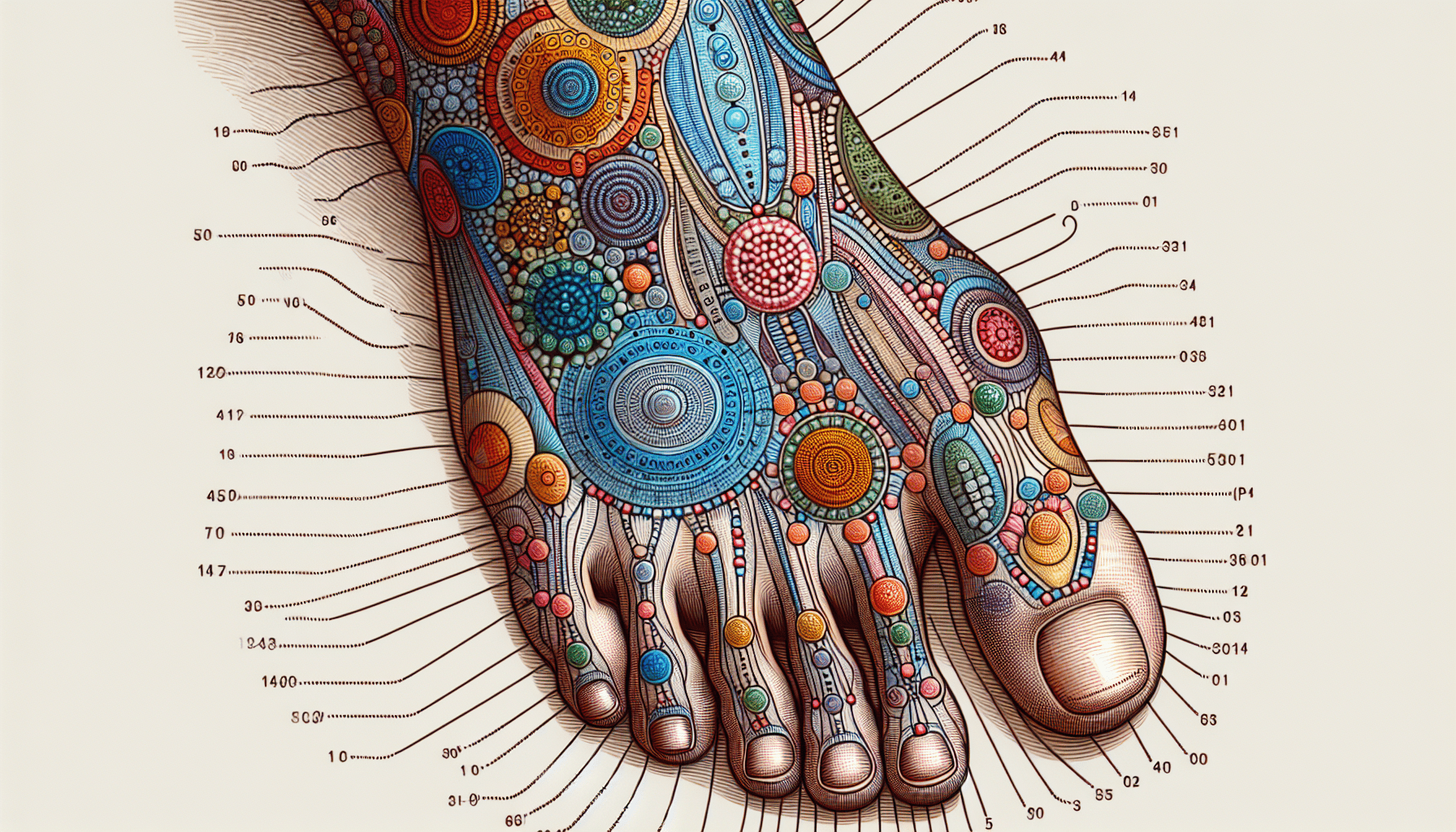
Have you ever wondered if there is a natural way to promote healing and relaxation throughout your entire body? Look no further than the practice of reflexology. This ancient technique focuses on stimulating specific points on your feet, hands, and ears to improve the flow of energy and promote overall well-being. Not only does reflexology provide a moment of blissful relaxation, but it also offers a range of benefits, such as reducing stress, alleviating pain, boosting circulation, and improving sleep quality. Discover how the wonders of reflexology can benefit your whole body and enhance your overall health.
What is Reflexology?
Definition of reflexology
Reflexology is a complementary therapy that involves applying pressure to specific areas on the hands, feet, and ears to promote healing and relaxation in other parts of the body. It is based on the principle that these specific areas, known as reflex points, correspond to different organs and systems within the body. By applying pressure to these reflex points, reflexology aims to stimulate the body’s own healing mechanisms and restore balance.
How it works
Reflexology works on the premise that the body is a complex network of interconnected systems. It is believed that certain areas of the hands, feet, and ears are directly linked to specific organs, glands, and other parts of the body. By applying pressure to these reflex points, a reflexologist can help to stimulate the corresponding areas or organs and encourage a healing response.
The pressure applied during a reflexology session can vary depending on the individual’s needs and tolerances. This pressure can be applied using the hands, fingers, or a specialized tool. As the reflexologist works on these reflex points, they may also use techniques such as kneading, rolling, or rotating the joints to enhance the therapeutic effect.
Brief history of reflexology
Reflexology can be traced back to ancient civilizations, including China, Egypt, and India. The early practitioners of reflexology believed that by stimulating these reflex points, they could promote healing and balance within the body. Over the years, reflexology techniques have been refined and developed, with various schools of thought and approaches emerging.
In the early 20th century, Dr. William Fitzgerald, an ear, nose, and throat specialist, introduced the concept of zone therapy. He theorized that the body could be divided into ten vertical zones, with each zone containing specific reflex areas. He also proposed that applying pressure to these reflex points could have a therapeutic effect on the corresponding zones.
Eunice Ingham, a nurse and physiotherapist, further popularized the practice of reflexology in the 1930s. She developed detailed maps of the hands and feet, which are still used in modern reflexology today. Ingham’s work focused on the feet and she is often regarded as the “mother” of modern reflexology.
How Does Reflexology Work?
The concept of zones and reflex points
Reflexology is based on the concept of zones, which are vertical lines that run through the body from the head to the feet. Each zone is associated with specific organs, systems, and body parts. Reflexologists believe that by applying pressure to certain reflex points within these zones, they can stimulate corresponding organs or systems and restore balance.
The feet are particularly rich in reflex points, with each foot containing around 7,000 nerve endings. The hands and ears also have reflex points, albeit to a lesser extent. Reflexologists use specialized techniques to locate and apply pressure to these reflex points, working on the premise that different areas of the feet, hands, and ears correspond to different parts of the body.
Stimulating nerve pathways
By applying pressure to the reflex points, reflexologists can stimulate the nerve pathways that connect these points to the organs or systems they correspond to. This stimulation helps to improve the flow of nerve signals and enhance communication between different parts of the body. As a result, reflexology can have a positive impact on various bodily functions and promote overall well-being.
Balancing energy flow
In traditional Chinese medicine, the concept of energy, or Qi, is central to understanding how the body functions. It is believed that disruptions or imbalances in the flow of energy can lead to health issues. Reflexology aims to restore and rebalance the flow of energy throughout the body by stimulating the reflex points.
By targeting specific reflex points, reflexologists seek to clear any blockages or imbalances that may be disrupting the flow of energy. This balancing effect can help to optimize the body’s natural healing mechanisms and promote overall well-being.
Benefits of Reflexology
Relieves stress and anxiety
Reflexology is known for its ability to induce deep relaxation and relieve stress and anxiety. The pressure applied to the reflex points releases endorphins, which are natural stress-fighting hormones. This release of endorphins helps to calm the mind, reduce tension, and promote a sense of well-being.
Additionally, reflexology helps to activate the parasympathetic nervous system, which is responsible for the body’s “rest and digest” response. By activating this relaxation response, reflexology can help to counteract the effects of chronic stress and promote a state of calm and relaxation.
Promotes relaxation and better sleep
Many people turn to reflexology to help improve their sleep quality. Research has shown that reflexology can help to regulate sleep patterns and promote a more restful night’s sleep. The deep relaxation induced by reflexology can help to quiet a busy mind, reduce insomnia, and improve overall sleep quality.
During a reflexology session, the therapist focuses on specific reflex points that are associated with sleep and relaxation. By targeting these areas, reflexology can support a more balanced sleep-wake cycle and promote a sense of deep relaxation.
Reduces pain and inflammation
Reflexology has been found to be effective in reducing pain and inflammation in various areas of the body. By applying pressure to the reflex points that correspond to the affected areas, reflexology helps to stimulate blood flow, increase oxygen supply, and release endorphins. These effects can help to alleviate pain, reduce inflammation, and promote healing.
Research has shown that reflexology can be particularly beneficial for people with conditions such as arthritis, migraines, and back pain. It can also be used to manage pain associated with menstrual cramps, sports injuries, and fibromyalgia.
Enhances Circulation and Toxin Elimination
Improves blood and lymphatic flow
One of the key benefits of reflexology is its ability to improve circulation throughout the body. By stimulating the reflex points on the hands, feet, and ears, reflexology helps to dilate blood vessels, increase blood flow, and enhance the delivery of oxygen and nutrients to the cells.
Reflexology also helps to improve lymphatic flow, which is important for removing waste and toxins from the body. By stimulating the reflex points that correspond to the lymphatic system, reflexology can help to flush out toxins, reduce fluid retention, and support a healthy immune system.
Flushes out toxins from the body
Toxins can accumulate in the body due to factors such as poor diet, environmental pollutants, and stress. Over time, these toxins can contribute to various health issues and impair the body’s natural healing processes. Reflexology can play a role in detoxification by stimulating the elimination organs and encouraging the removal of toxins from the body.
Reflexology helps to support the liver, kidneys, and other elimination organs by improving blood flow and promoting optimal functioning. By stimulating the reflex points that correspond to these organs, reflexology can enhance their ability to eliminate toxins, waste products, and metabolic byproducts.
Boosts immune system
The immune system plays a crucial role in protecting the body against infections and diseases. Reflexology can help to boost the immune system by stimulating the reflex points that correspond to the immune organs and lymphatic system.
By promoting circulation and lymphatic flow, reflexology helps to enhance the delivery of immune cells and antibodies to various parts of the body. This increased circulation and improved immune response can help to strengthen the body’s defenses and support overall immune function.
Supports Digestion and Elimination
Stimulates digestive organs
Reflexology can have a positive impact on digestion by stimulating the reflex points that correspond to the digestive organs, such as the stomach, intestines, and liver. By applying pressure to these reflex points, reflexology helps to enhance the functioning of these organs and improve digestive processes.
The gentle pressure and manipulations involved in reflexology stimulate nerve endings, which in turn triggers the release of digestive enzymes and enhances peristalsis (the rhythmic contractions of the intestinal muscles). This stimulation can help to improve digestion, reduce bloating and gas, and alleviate indigestion.
Helps alleviate digestive disorders
Digestive disorders such as irritable bowel syndrome (IBS), constipation, and acid reflux can have a significant impact on a person’s quality of life. Reflexology can be a beneficial complementary therapy for managing these conditions.
By targeting the reflex points associated with the digestive system, reflexology can help to regulate bowel movements, reduce inflammation, and alleviate symptoms of digestive disorders. Regular reflexology sessions can have a cumulative effect and contribute to long-term digestive health.
Regulates bowel movements
Maintaining regular bowel movements is essential for overall health and well-being. Reflexology can support bowel regularity by stimulating the reflex points that correspond to the intestines and promoting healthy peristalsis.
Reflexology helps to enhance the functioning of the intestines by stimulating nerve pathways and increasing blood flow to these areas. This stimulation can help to regulate bowel movements, reduce constipation, and improve overall digestive health.
Aids in Hormonal Balance
Stimulates endocrine glands
Hormonal imbalances can lead to a wide range of symptoms and health issues. Reflexology can aid in hormonal balance by stimulating the reflex points that correspond to the endocrine glands, such as the pituitary, thyroid, and adrenal glands.
By applying pressure to these reflex points, reflexology helps to activate the endocrine glands and promote optimal hormone production. This stimulation can help to regulate the release of hormones, balance hormone levels, and alleviate symptoms of hormonal imbalances.
Regulates hormone production
The endocrine system plays a crucial role in regulating various bodily functions, including metabolism, growth, reproduction, and mood. Reflexology can help to regulate hormone production by stimulating the reflex points that correspond to the endocrine glands and supporting their optimal functioning.
Reflexology helps to balance the release of hormones by improving blood flow, enhancing nerve conductivity, and reducing stress and tension. By promoting hormonal balance, reflexology can help to alleviate symptoms of conditions such as PMS, menopause, and thyroid disorders.
Relieves symptoms of hormonal imbalances
Hormonal imbalances can manifest in a variety of ways, including mood swings, fatigue, weight gain, and menstrual irregularities. Reflexology can help to alleviate these symptoms by promoting hormonal balance and supporting the body’s natural healing mechanisms.
By stimulating the reflex points that correspond to the endocrine glands, reflexology can help to regulate hormone production and reduce the severity of hormonal imbalances. Regular reflexology treatments can provide relief from symptoms and contribute to a greater sense of well-being.
Improves Nerve Function
Enhances nerve conductivity
Nerve function is crucial for transmitting signals between the brain and the rest of the body. Reflexology helps to improve nerve function by stimulating the nerve endings and enhancing nerve conductivity.
By applying pressure to the reflex points, reflexology activates the nerve pathways and improves the flow of nerve signals. This enhanced nerve conductivity can help to alleviate neuropathy symptoms, enhance sensory perception, and improve overall neurological function.
Reduces neuropathy symptoms
Neuropathy is a condition characterized by damage to the peripheral nerves, resulting in symptoms such as numbness, tingling, and weakness. Reflexology can help to reduce neuropathy symptoms by stimulating the reflex points that correspond to the affected areas.
Reflexology stimulates the nerve endings and improves nerve function, which can help to reduce the intensity and frequency of neuropathy symptoms. It can also provide relief from associated symptoms such as pain, muscle cramps, and balance issues.
Provides relief for conditions like sciatica
Sciatica is a painful condition caused by compression or irritation of the sciatic nerve, which runs from the lower back to the legs. Reflexology can provide relief for sciatica by targeting the reflex points that correspond to the lower back and legs.
By stimulating these reflex points, reflexology helps to alleviate pain, reduce inflammation, and improve blood flow to the affected areas. This stimulation can help to relieve sciatica symptoms and promote healing in the affected nerve.
Boosts Energy Levels
Improves energy flow throughout the body
Reflexology is known for its energizing effects and ability to boost overall vitality. By stimulating the reflex points, reflexology helps to improve the flow of energy throughout the body, enhancing overall energy levels.
The pressure applied to the reflex points helps to clear any blockages or imbalances in the energy pathways, allowing energy to flow freely. This improved energy flow can help to combat fatigue, increase alertness, and promote a greater sense of vitality.
Revitalizes and rejuvenates
In today’s fast-paced world, it is common to feel drained and depleted of energy. Reflexology can help to revitalize and rejuvenate the body by promoting deep relaxation, reducing stress, and boosting energy levels.
Reflexology sessions provide a dedicated time for relaxation and self-care, allowing the body to recharge and replenish its energy reserves. The release of endorphins during the session also contributes to the revitalizing effects of reflexology, leaving you feeling refreshed and reinvigorated.
Fights fatigue and boosts vitality
Fatigue can have a significant impact on daily life, affecting productivity, mood, and overall well-being. Reflexology can be an effective tool for combating fatigue and increasing vitality.
By stimulating the reflex points, reflexology helps to improve blood circulation, increase oxygen supply, and release endorphins. These effects can help to reduce fatigue, increase energy levels, and enhance overall vitality. Regular reflexology sessions can provide ongoing support for combating fatigue and maintaining optimal energy levels.
Supports Emotional Well-being
Reduces symptoms of depression and anxiety
Reflexology can have a positive impact on emotional well-being by reducing symptoms of depression and anxiety. The deep relaxation and stress reduction induced by reflexology help to calm the mind, promote a sense of tranquility, and alleviate feelings of sadness or worry.
The release of endorphins during a reflexology session also contributes to the mood-boosting effects. These natural “feel-good” hormones help to create a sense of well-being and contribute to a more positive emotional state.
Promotes a sense of overall well-being
Reflexology is a holistic therapy that takes into account the connection between the mind, body, and emotions. By balancing the body’s energy and promoting relaxation, reflexology contributes to an overall sense of well-being.
Regular reflexology sessions can help to reduce stress, improve sleep, and enhance overall vitality. This combination of physical and emotional benefits contributes to a greater sense of well-being and enhances quality of life.
Calms the mind and improves mood
The fast-paced nature of modern life can often lead to a racing mind, anxiety, and mood swings. Reflexology can help to calm the mind and improve mood by activating the body’s relaxation response and promoting deep relaxation.
During a reflexology session, the therapist focuses on specific reflex points that are associated with relaxation and stress reduction. By targeting these areas, reflexology helps to quiet the mind, reduce anxiety, and promote a greater sense of inner calm.
Complements Other Healing Modalities
Can be used alongside conventional medicine
Reflexology is a complementary therapy that can be used alongside conventional medical treatments. It is not intended to replace medical care, but rather to support and enhance the healing process.
Reflexology can be integrated into a comprehensive treatment plan to address a wide range of health conditions. It can be particularly beneficial for managing chronic pain, stress-related disorders, and promoting overall well-being.
Enhances the effects of other therapies
Reflexology can enhance the effects of other healing modalities by supporting the body’s natural healing mechanisms and promoting a greater state of balance. When combined with therapies such as massage, acupuncture, or chiropractic care, reflexology can contribute to a more comprehensive and holistic approach to healing.
The relaxation and stress reduction effects of reflexology can enhance the benefits of other therapies, allowing the body to more effectively respond to treatment and promote overall well-being.
Accelerates the healing process
By stimulating the body’s own healing mechanisms, reflexology can help to accelerate the healing process. Reflexology improves blood flow, supports the immune system, and promotes the release of endorphins, all of which aid in healing and recovery.
Whether recovering from an injury, surgery, or illness, reflexology can be a valuable tool for enhancing the body’s ability to heal and promoting a faster recovery. It can also provide ongoing support for maintaining optimal health and well-being.
In conclusion, reflexology is a holistic therapy that offers a wide range of benefits for whole-body healing. From its ability to relieve stress and anxiety to supporting digestion, hormonal balance, and nerve function, reflexology can be a valuable tool for promoting overall health and well-being. Whether used as a standalone treatment or in conjunction with other healing modalities, reflexology offers a natural and effective way to support the body’s natural healing mechanisms and restore balance. By taking advantage of the many benefits of reflexology, you can embark on a journey towards improved health, vitality, and wellness.