
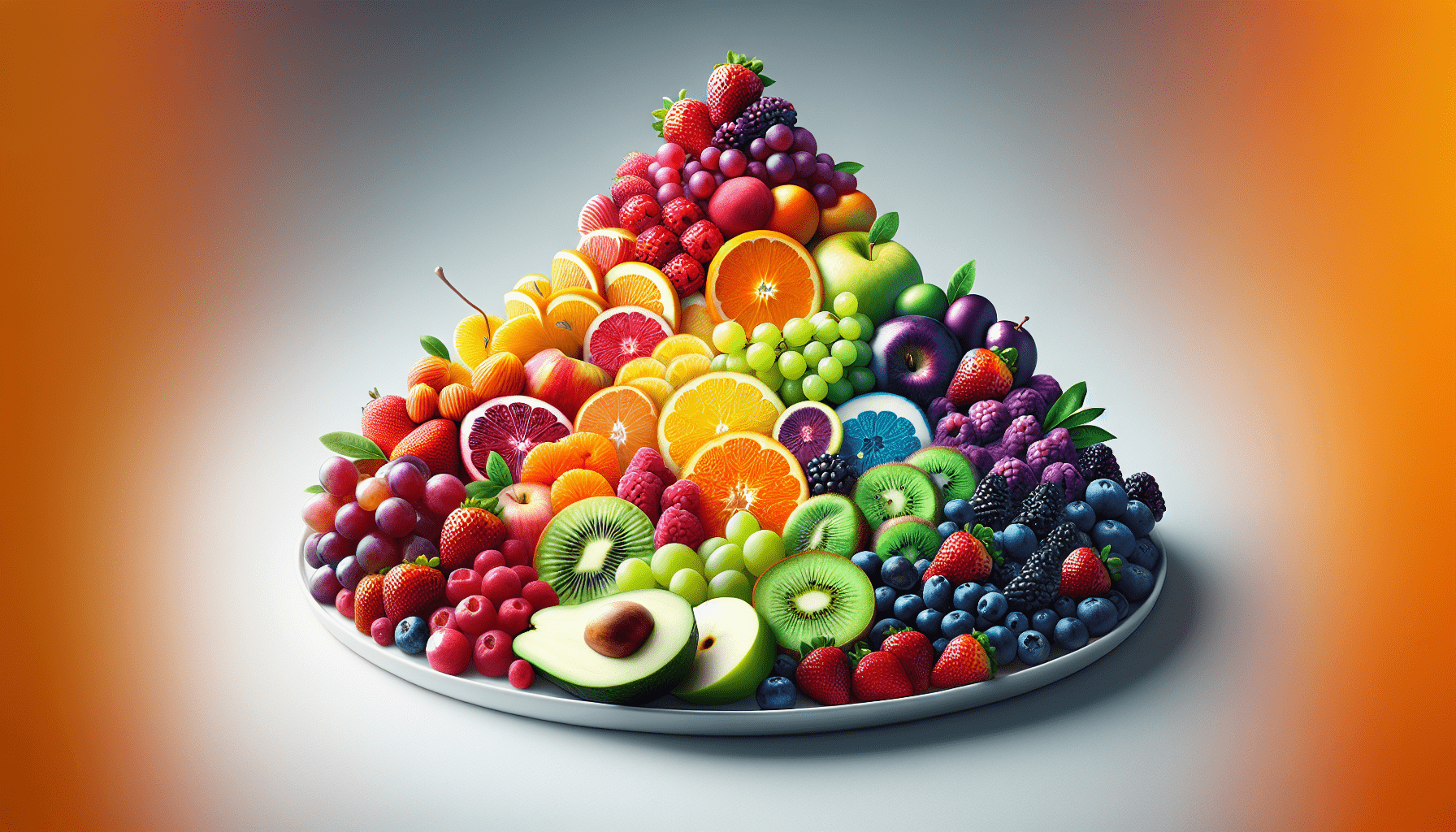
You’re on a quest for a long and healthy life, and the key may lie in the foods you eat. In this article, we’ll uncover the secrets to longevity by exploring the best foods that have been shown to promote a longer and more vibrant life. From vibrant fruits and vegetables bursting with nutrients to whole grains and lean proteins, join us as we embark on a culinary journey to discover the ultimate foods that can help you live your best and longest life.
Fruits
Berries
Berries are a delicious and nutritious addition to your diet. These small, colorful fruits are packed with antioxidants, which help protect your cells from damage and reduce the risk of chronic diseases. Berries, such as strawberries, blueberries, and raspberries, are also high in fiber, which aids in digestion and promotes a healthy gut. They are low in calories and have a high water content, making them a perfect snack for weight management. Add berries to your cereal, yogurt, smoothies, or enjoy them on their own for a tasty and healthy treat.
Citrus fruits
Citrus fruits, including oranges, grapefruits, lemons, and limes, are not only refreshing but also incredibly beneficial for your health. They are an excellent source of vitamin C, which strengthens your immune system and protects against various illnesses. Citrus fruits are also rich in fiber, which aids in digestion and helps maintain a healthy weight. Additionally, these fruits are packed with antioxidants and other vitamins and minerals, making them a powerful ally in promoting overall well-being.
Apples
The saying “an apple a day keeps the doctor away” holds some truth. Apples are a fantastic source of fiber, which helps regulate blood sugar levels, lower cholesterol, and improve digestion. They are also rich in antioxidants and vitamins, contributing to a strong immune system and reducing the risk of chronic diseases. Apples are a versatile fruit that can be enjoyed in various ways, whether eaten as a snack, added to salads, or used in baking. With so many different varieties to choose from, there is an apple to suit every palate.
Avocados
Avocados are often called a superfood, and for good reason. They are packed with healthy fats, including monounsaturated fats, which can help lower bad cholesterol levels and reduce the risk of heart disease. Avocados are also an excellent source of vitamins, such as vitamin K, vitamin E, and vitamin B6, as well as dietary fiber. This creamy fruit is incredibly versatile and can be used in salads, smoothies, sandwiches, or simply spread on toast. Incorporating avocados into your diet can provide numerous health benefits and contribute to your longevity.
Vegetables
Leafy greens
Leafy greens, such as spinach, kale, and Swiss chard, are some of the most nutrient-dense foods available. They are rich in vitamins, including vitamin A, vitamin C, and vitamin K, as well as essential minerals like calcium and iron. Leafy greens are also packed with antioxidants, which help protect your cells from damage and reduce inflammation in the body. They are low in calories and high in fiber, making them a great addition to your weight management efforts. Whether enjoyed in salads, sautéed, or added to smoothies, leafy greens are a must-have for a healthy diet.
Cruciferous vegetables
Cruciferous vegetables, such as broccoli, cauliflower, Brussels sprouts, and cabbage, are not only delicious but also incredibly nutritious. They are rich in vitamins and minerals, including vitamin C, vitamin K, and folate. These vegetables also contain phytochemicals, which have been linked to a reduced risk of certain cancers. Cruciferous vegetables are low in calories and high in fiber, making them an excellent choice for weight management. Incorporate them into your meals by roasting, steaming, or adding them to stir-fries for a flavorful and nutritious boost.
Tomatoes
Tomatoes are not only a versatile ingredient in various dishes but also a fantastic source of nutrients. They are packed with vitamin C, potassium, and antioxidants, such as lycopene, which has been associated with a reduced risk of heart disease and certain cancers. Tomatoes are also low in calories and high in fiber, supporting a healthy digestive system and aiding in weight management. Enjoy tomatoes in salads, soups, sauces, or even as a simple snack for a burst of flavor and nutrients.
Sweet potatoes
Sweet potatoes are a delicious and nutritious alternative to regular potatoes. They are loaded with essential vitamins and minerals, including potassium, vitamin C, and vitamin A, which supports healthy vision and immune function. Sweet potatoes are also high in fiber and have a lower glycemic index compared to white potatoes, making them a better option for blood sugar control. They can be baked, roasted, mashed, or used in various dishes, adding a sweet and nutritious touch to your meals.
Legumes
Beans
Beans, including black beans, kidney beans, and chickpeas, are a fantastic source of plant-based protein and fiber. They are also low in fat and cholesterol-free, making them an excellent choice for those looking to reduce their meat consumption or follow a vegetarian or vegan diet. Beans are rich in vitamins and minerals, including iron, magnesium, and folate, which are essential for overall health. Incorporate beans into your diet by adding them to soups, salads, stews, or even making homemade hummus for a nutritious and satisfying meal.
Lentils
Lentils are another legume powerhouse that provides a wealth of nutrients. They are an excellent source of plant-based protein, fiber, and complex carbohydrates, which provide sustained energy and support healthy digestion. Lentils are also rich in iron, folate, and potassium, benefiting heart health and overall well-being. They come in various colors and can be added to soups, stews, salads, or made into delicious veggie burgers. Including lentils in your diet is a great way to enhance your nutrient intake and promote longevity.
Chickpeas
Chickpeas, also known as garbanzo beans, are a versatile legume that offers a wide range of health benefits. They are a great source of plant-based protein, fiber, and complex carbohydrates, providing lasting satiety and supporting healthy digestion. Chickpeas are also rich in vitamins and minerals, including iron, magnesium, and potassium, which contribute to overall wellness. Whether used in salads, soups, curries, or made into hummus, chickpeas are a delicious and nutritious addition to your meals.
Whole Grains
Oats
Oats are a nourishing and incredibly versatile whole grain. They are packed with fiber, which helps regulate blood sugar levels, maintain a healthy weight, and support digestive health. Oats are also a great source of vitamins and minerals, including iron, magnesium, and B vitamins. They provide sustained energy and can be enjoyed in various ways, from oatmeal to granola bars or added to baked goods for a nutritious boost. Including oats in your diet is a great way to start your day on a healthy note and support longevity.
Quinoa
Quinoa is a complete protein, meaning it contains all nine essential amino acids required by the body. It is also a great source of fiber, iron, and magnesium, making it an excellent choice for vegetarians and vegans. Quinoa is gluten-free and highly versatile, making it a suitable alternative for those with dietary restrictions. It can be used as a base for salads, added to soups or stews, or used as a substitute for rice or pasta. Incorporating quinoa into your diet can provide a nutrient-rich option and contribute to your overall health.
Brown rice
Brown rice is a whole grain that retains its nutrient-rich bran and germ layers, unlike white rice, which is stripped of these components. It is a great source of fiber and provides essential vitamins and minerals, such as manganese, selenium, and B vitamins. Brown rice has a lower glycemic index compared to white rice, meaning it has a slower effect on blood sugar levels. It can be used as a side dish, added to stir-fries, or used as a base for grain bowls, providing a wholesome and nutritious addition to your meals.
Nuts and Seeds
Almonds
Almonds are a nutrient-dense nut that offers a wide range of health benefits. They are an excellent source of healthy fats, fiber, protein, and essential vitamins and minerals. Almonds are particularly high in vitamin E, which acts as an antioxidant and supports healthy skin and immune function. They can be enjoyed on their own as a snack, added to salads, or used in baking for a delicious and nutritious touch. Incorporating almonds into your diet can provide numerous health benefits and contribute to your longevity.
Walnuts
Walnuts are another type of nut that packs a nutritional punch. They are an excellent source of omega-3 fatty acids, which are known for their heart-healthy properties and reducing inflammation in the body. Walnuts are also high in antioxidants, fiber, and plant-based protein, contributing to overall well-being. They can be added to salads, oatmeal, or baked goods, providing a crunchy and nutrient-packed addition to your meals.
Chia seeds
Chia seeds are tiny powerhouses of nutrition. They are a great source of omega-3 fatty acids, fiber, protein, and essential vitamins and minerals. Chia seeds are particularly high in antioxidants and offer various health benefits, including improved digestion and heart health. They can be added to smoothies, yogurt, or used as a thickening agent for puddings or jams. Incorporating chia seeds into your diet can provide a nutrient boost and support overall wellness.
Flaxseeds
Flaxseeds are another great addition to a healthy diet. They are rich in fiber, omega-3 fatty acids, and lignans, which are plant compounds with antioxidant properties. Flaxseeds have been associated with reduced inflammation, improved heart health, and even a reduced risk of certain cancers. They can be ground and added to smoothies, yogurt, or used as an egg substitute in baking. Including flaxseeds in your diet is an easy way to add more nutrients and promote longevity.
Fish
Salmon
Salmon is a fatty fish that is highly regarded for its nutritional value. It is an excellent source of omega-3 fatty acids, which are crucial for brain health, heart health, and reducing inflammation in the body. Salmon is also rich in high-quality protein, vitamins, and minerals, contributing to overall well-being. It can be baked, grilled, or even enjoyed raw in sushi or sashimi. Including salmon in your diet provides a flavorful and nutritious option that supports longevity.
Sardines
Sardines may be small, but they are packed with essential nutrients. They are an excellent source of omega-3 fatty acids, protein, and vitamin D. Sardines are also low in mercury compared to larger fish, making them a safer choice. They can be enjoyed on their own, added to salads, or used in sandwiches or pasta dishes. Incorporating sardines into your diet can provide a nutrient-rich option that supports brain health and overall well-being.
Mackerel
Mackerel is another oily fish that offers numerous health benefits. It is rich in omega-3 fatty acids, protein, and essential vitamins and minerals. Mackerel is particularly high in vitamin B12, which supports brain health and the formation of red blood cells. This fish can be grilled, baked, or even smoked for a delicious and nutritious meal. Including mackerel in your diet can provide a flavorful option that contributes to your overall health and longevity.
Tuna
Tuna is a popular and versatile fish that can be enjoyed in various forms. It is a good source of lean protein, omega-3 fatty acids, and essential vitamins and minerals. Tuna is particularly high in selenium, which acts as an antioxidant and supports immune function. It can be added to salads, sandwiches, or enjoyed raw in sushi or sashimi. Including tuna in your diet provides a nutritious and protein-rich option that supports overall well-being.
Healthy Fats
Olive oil
Olive oil is a staple in Mediterranean cuisine and is widely recognized for its health benefits. It is rich in monounsaturated fats, which can help lower bad cholesterol levels and reduce the risk of heart disease. Olive oil is also a good source of antioxidants and vitamin E, which contribute to overall well-being. Use olive oil as a dressing for salads, a cooking oil, or drizzle it over roasted vegetables for a delicious and healthy touch.
Coconut oil
Coconut oil has gained popularity in recent years for its various health benefits. It is rich in medium-chain triglycerides (MCTs), which can be quickly converted into energy by the body. Coconut oil is also known to have antimicrobial properties and can support a healthy immune system. It can be used in cooking, baking, or added to smoothies for a tropical and nutritious twist.
Avocado oil
Avocado oil is another healthy fat option that provides numerous health benefits. It is rich in monounsaturated fats, which can help lower bad cholesterol levels and reduce the risk of heart disease. Avocado oil is also high in antioxidants, such as vitamin E, and has anti-inflammatory properties. It is a great choice for cooking, as it has a high smoke point and a mild, buttery flavor. Incorporating avocado oil into your cooking routine can provide a delicious and nutritious option that supports longevity.
Herbs and Spices
Turmeric
Turmeric is a vibrant yellow spice that is widely used in Indian cuisine and has gained recognition for its health benefits. It contains a compound called curcumin, which has powerful anti-inflammatory and antioxidant properties. Turmeric has been associated with reduced inflammation, improved brain health, and even a lower risk of certain chronic diseases. It can be used in curries, stir-fries, soups, or even added to smoothies for a nutritional boost.
Ginger
Ginger is a root that adds a spicy and aromatic flavor to dishes. It is known for its medicinal properties and has been used for centuries to treat various ailments. Ginger has anti-inflammatory and antioxidant properties and can help alleviate digestive issues, reduce nausea, and boost the immune system. It can be used in stir-fries, soups, teas, or even grated and added to dressings or smoothies for a zesty and nutritious touch.
Garlic
Garlic is a staple ingredient in many dishes, adding a distinct flavor and aroma. It is not only delicious but also incredibly beneficial for your health. Garlic has antibacterial and antiviral properties and can boost the immune system. It contains sulfur compounds that contribute to its medicinal properties, such as reducing blood pressure, supporting heart health, and even potentially preventing certain cancers. Garlic can be used in various recipes, whether roasted, sautéed, or added as a seasoning, to enhance the flavor and provide potential health benefits.
Cinnamon
Cinnamon is a popular spice that adds warmth and spice to both sweet and savory dishes. It contains powerful antioxidants and is known for its anti-inflammatory effects. Cinnamon has also been associated with improved insulin sensitivity, blood sugar control, and even a reduced risk of heart disease. It can be used in desserts, oatmeal, coffee, or added to savory dishes for a touch of warmth and flavor. Incorporating cinnamon into your diet can provide potential health benefits and enhance the taste of your meals.
Green Tea
Matcha
Matcha is a type of green tea that is finely ground into a powder. It is rich in antioxidants, particularly catechins, which have been linked to various health benefits. Matcha contains caffeine but is also rich in L-theanine, which provides a calming effect and promotes relaxation. It can be enjoyed as a traditional tea by whisking the powder with hot water or added to smoothies, lattes, or baked goods for a unique and healthy twist.
Sencha
Sencha is a traditional Japanese green tea that is known for its refreshing and delicate flavor. It is high in antioxidants, particularly catechins, as well as vitamins and minerals. Sencha is often enjoyed hot but can also be served iced as a refreshing beverage. Incorporating sencha into your routine can provide a flavorful and health-promoting option that supports longevity.
Gunpowder
Gunpowder green tea is a type of Chinese green tea that gets its name from its rolled appearance. It is known for its bold and smoky flavor and is rich in antioxidants and beneficial plant compounds. Gunpowder green tea can be enjoyed hot or cold and provides a unique and satisfying drink for tea enthusiasts. Incorporating gunpowder green tea into your routine can offer potential health benefits and add a distinctive flavor to your tea collection.
Dark Chocolate
Cacao content of 70% or higher
Dark chocolate with a cacao content of 70% or higher is not only a delicious indulgence but also a nutritious treat. It is loaded with antioxidants, particularly flavonoids, which have been associated with a reduced risk of heart disease and improved brain function. Dark chocolate also contains minerals, such as iron, magnesium, and copper, which contribute to overall health. Enjoy dark chocolate in moderation as a satisfying and guilt-free treat that can potentially promote longevity.
Incorporating these foods into your diet can provide a wide range of health benefits and contribute to your overall well-being. From the antioxidant-rich berries to the omega-3-packed fish, each category offers unique nutrients that support various aspects of your health. Whether you choose to enjoy them separately or combine them in delicious recipes, these foods can be a delightful addition to your daily meals. So, make it a point to include a variety of fruits, vegetables, legumes, whole grains, nuts and seeds, fish, healthy fats, herbs and spices, green tea, and dark chocolate in your diet for a fulfilling and longevity-promoting lifestyle. Remember, enjoying a balanced and diverse diet is one of the keys to a healthy and vibrant life.