
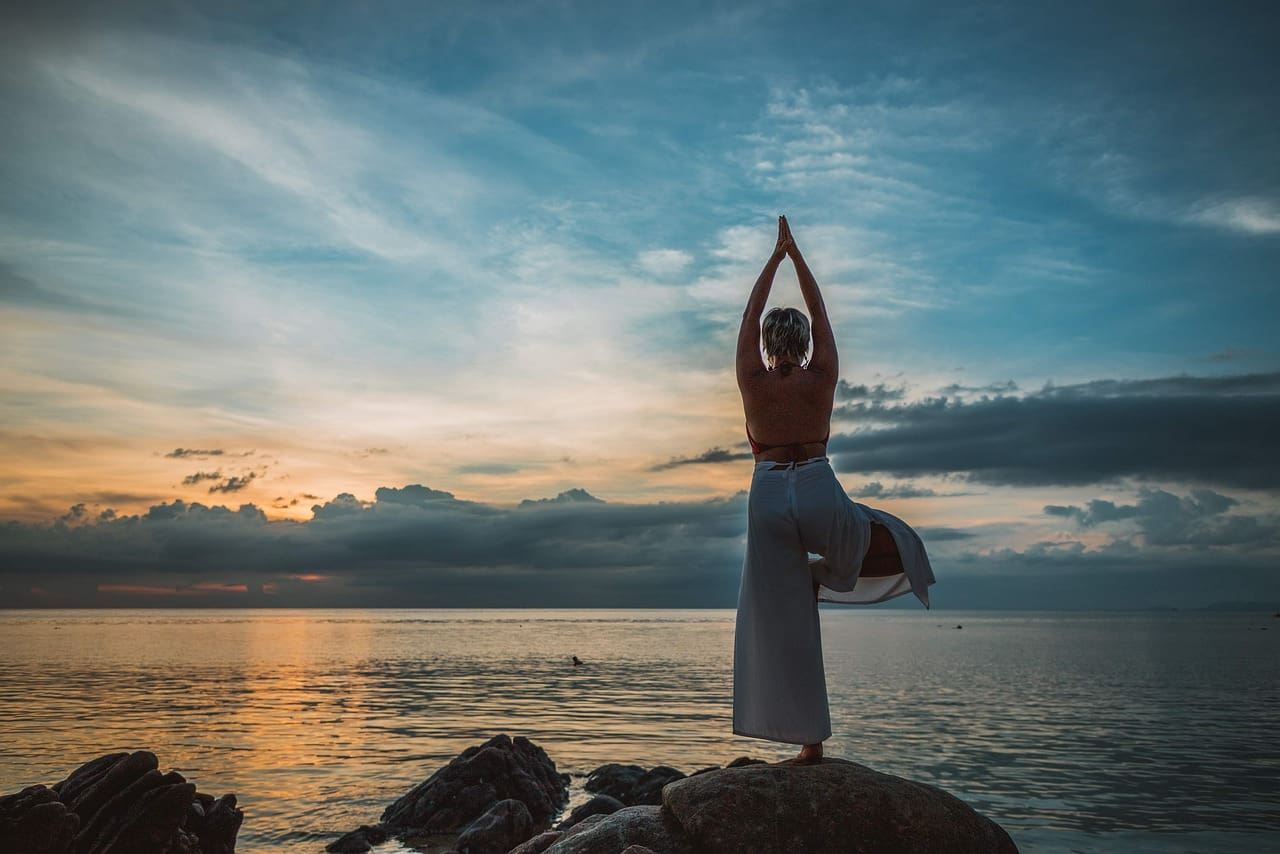
If you have ever thought about starting a yoga practice but weren’t sure where to begin, look no further. This comprehensive guide is designed specifically for women who are new to yoga and want to experience all of its incredible benefits. From the basics of yoga poses and breathing techniques to the importance of self-care and mindfulness, this article will provide you with everything you need to embark on your yoga journey with confidence and ease. Say goodbye to stress and hello to a healthier, more peaceful you with the help of this complete beginner’s guide.
Benefits of Yoga for Women
Yoga is a practice that offers numerous benefits to women of all ages and fitness levels. Whether you are a beginner or an experienced yogi, incorporating yoga into your routine can have a positive impact on your physical, mental, and emotional well-being.
Improved flexibility and strength
One of the key benefits of practicing yoga is improved flexibility and strength. As women, we often find ourselves facing daily challenges that may cause our muscles to become tight and inflexible. Regular yoga practice can help to counteract this by stretching and lengthening the muscles, making them more supple and less prone to injury. Additionally, many yoga poses require you to engage and strengthen the muscles, leading to increased overall strength and stamina.
Reduced stress and anxiety
In today’s fast-paced world, stress and anxiety have become all too common. Yoga provides a sanctuary from this chaos, allowing you to find moments of peace and tranquility. The combination of deep breathing, meditation, and gentle movement in yoga helps to activate the body’s relaxation response, reducing the levels of stress hormones such as cortisol. By incorporating yoga into your routine, you can learn to manage stress more effectively and experience a greater sense of calm and well-being.
Increased energy and vitality
If you often find yourself feeling tired and lacking energy, yoga can be a wonderful remedy. Through the practice of various poses and breathing techniques, yoga increases the flow of oxygen and nutrients to your cells, revitalizing your body and mind. Additionally, the mindfulness aspect of yoga helps to improve your focus and mental clarity, allowing you to approach your day with renewed energy and vigor.
Better posture and balance
In today’s technology-driven world, many of us spend long hours sitting at desks or hunched over electronic devices. This can lead to poor posture and a lack of balance, resulting in various aches and pains. Yoga can help to correct these imbalances by strengthening the muscles that support good posture and improving overall body awareness. As a result, you’ll find yourself standing taller, feeling more centered, and experiencing less discomfort in your everyday life.
Healthy weight management
Maintaining a healthy weight is important for overall well-being, and yoga can be a helpful tool in achieving this goal. While yoga may not burn calories at the same rate as high-intensity workouts, it can significantly contribute to weight management through increased mindfulness and body awareness. By practicing yoga, you become more attuned to your body’s signals of hunger and fullness, making it easier to make healthier food choices. Additionally, certain styles of yoga, such as Vinyasa and Ashtanga, can provide a cardiovascular workout that helps to strengthen the heart and burn calories.
Enhanced emotional well-being
Yoga is not just about physical fitness; it offers a holistic approach to well-being, encompassing the mind, body, and spirit. Through the practice of yoga, you can develop greater self-awareness and cultivate a sense of inner peace and contentment. Yoga teaches us to be present in the moment and let go of negative thought patterns, allowing for a more positive and balanced emotional state. Whether you’re feeling down or overwhelmed, a yoga practice can help to boost your mood and improve your overall emotional well-being.
Relief from menstrual discomfort
Many women experience discomfort and pain during their menstrual cycle, and yoga can offer relief from these symptoms. Gentle yoga poses and focused breathing techniques can help to alleviate cramps, bloating, and fatigue associated with menstruation. Additionally, certain poses, such as forward folds and gentle twists, can help to stimulate blood flow to the pelvic region, reducing congestion and discomfort. By incorporating yoga into your self-care routine, you can find comfort and support during this natural process.
Improved fertility and reproductive health
For women who are trying to conceive, yoga can be a valuable tool in enhancing fertility and reproductive health. Certain yoga poses, such as those that target the pelvic area, can increase blood flow to the reproductive organs, promoting optimal functioning. Additionally, the stress-reducing effects of yoga can help to balance hormone levels and create a more supportive environment for conception. Whether you’re on a fertility journey or simply want to maintain a healthy reproductive system, yoga can be a valuable asset in supporting your goals.
Different Types of Yoga
Yoga is a diverse practice with various styles and traditions to choose from. Each style offers unique benefits and focuses on different aspects of the practice. Whether you prefer a more vigorous, flowing practice or a gentle, restorative approach, there is a style of yoga that suits your needs. Here are some popular types of yoga:
Hatha Yoga
Hatha yoga is a gentle, foundational style of yoga that focuses on the balance between physical postures (asanas), breath control (pranayama), and meditation. It’s a great style for beginners and those looking for a slower-paced practice.
Vinyasa Yoga
Vinyasa yoga is a dynamic, flowing style of yoga that synchronizes movement with breath. In vinyasa classes, you’ll move through a series of poses in a fluid, continuous sequence. This style of yoga is often referred to as “moving meditation” and can provide a challenging cardiovascular workout.
Ashtanga Yoga
Ashtanga yoga is a physically demanding and structured style of yoga that follows a specific sequence of poses. It incorporates flowing movements (vinyasas) and breath control to create a vigorous practice. Ashtanga is well-suited for those looking for a disciplined and intense practice.
Bikram Yoga
Bikram yoga, also known as hot yoga, is practiced in a heated room. The practice consists of a set sequence of 26 poses and two breathing exercises. The heat helps to warm up the muscles, allowing for deeper stretches and increased flexibility.
Iyengar Yoga
Iyengar yoga focuses on alignment and precision in each pose. Props such as blocks, bolsters, and straps are often used to support and deepen the poses. This style of yoga is great for those looking to improve their posture and build strength.
Kundalini Yoga
Kundalini yoga combines physical postures, breathwork, meditation, and chanting to awaken the dormant energy within us (kundalini). This style of yoga is known for its emphasis on spiritual awakening and inner transformation.
Restorative Yoga
Restorative yoga is a gentle, relaxing style of yoga that uses props to support the body in restorative poses. It’s designed to promote deep relaxation and stress relief, making it perfect for those looking to unwind and recharge.
Prenatal Yoga
Prenatal yoga is specifically tailored for expectant mothers. It focuses on gentle stretching, strengthening, and breathwork to support the changing needs of the body during pregnancy. Prenatal yoga can help to alleviate discomfort, reduce stress, and prepare for childbirth.
Yin Yoga
Yin yoga is a slow-paced style of yoga that targets the connective tissues of the body, such as ligaments, tendons, and fascia. The poses are held for longer periods, allowing for a deep release and increased flexibility. Yin yoga is a great complement to more active styles of yoga.
Yoga Nidra
Yoga Nidra, also known as “yogic sleep,” is a guided meditation practice that induces a state of deep relaxation and conscious sleep. It helps to reduce stress and promote restful sleep, making it ideal for those dealing with insomnia or anxiety.
With such a wide variety of yoga styles available, you can choose the one that resonates with you and aligns with your goals and preferences. Whether you seek physical fitness, stress relief, or spiritual growth, there is a style of yoga that can meet your needs.
Choosing the Right Yoga Mat
Having a good-quality yoga mat is essential for a comfortable and safe practice. With so many options available, it can be overwhelming to choose the right mat for your needs. Here are some factors to consider when selecting a yoga mat:
Consider material and texture
Yoga mats are made from various materials, including PVC, rubber, TPE, and natural fibers like cork and jute. Each material has its pros and cons in terms of durability, grip, and eco-friendliness. Consider your preferences and any sensitivities you may have when choosing the material of your mat. Additionally, the texture of the mat can affect your grip, especially if you tend to sweat during your practice. Some mats have a textured surface for better traction, while others have a smooth finish. Try out different textures to see what feels comfortable and secure for you.
Determine thickness and cushioning
The thickness of a yoga mat can play a role in your comfort level during practice. Thicker mats provide more cushioning and support, making them ideal for those with joint sensitivities. However, thicker mats can also be less stable, especially in standing poses. Thinner mats offer greater stability, but may not provide as much cushioning. Consider your personal needs and preferences when choosing the thickness of your mat.
Choose the right size
Yoga mats come in different sizes, so it’s important to choose one that suits your body and practice. Standard mats are usually around 68 to 72 inches long and 24 to 26 inches wide, which is suitable for most people. If you’re taller or prefer more space, consider a longer or wider mat. Additionally, if you plan to practice at home or in smaller spaces, you may opt for a thinner and more portable mat.
Consider portability and weight
If you’re planning to take your yoga mat to classes or travel with it, consider its portability and weight. Thicker mats tend to be heavier and bulkier, which can make them less convenient for commuting. Look for lightweight and compact mats that are easy to carry and store. Some mats come with carrying straps or bags, which can be helpful for transportation.
Check for eco-friendly options
If sustainability is important to you, consider choosing an eco-friendly yoga mat. Many brands now offer mats made from natural and biodegradable materials, reducing their impact on the environment. Look for mats that are free from toxic chemicals and produced with sustainable practices. By choosing an eco-friendly mat, you can align your yoga practice with your values of environmental responsibility.
Consider budget and cost
Yoga mats come in a wide range of prices, so consider your budget when choosing a mat. While it’s tempting to opt for the cheapest option, keep in mind that a high-quality mat can provide better durability, grip, and comfort in the long run. Invest in a mat that you feel confident and comfortable using to enhance your practice.
By taking these factors into consideration, you can choose a yoga mat that suits your needs and enhances your practice.
Essential Yoga Equipment for Beginners
While a yoga mat is the most essential piece of equipment, there are a few other props and accessories that can enhance your yoga practice, especially if you’re a beginner. Here are some essential yoga equipment for beginners:
Yoga blocks
Yoga blocks are rectangular props made of foam, cork, or wood that provide support and stability during yoga poses. They can be used to extend your reach, improve alignment, and make poses more accessible, especially for those with limited flexibility.
Yoga strap
A yoga strap is a long, adjustable strap made of cotton or nylon. It can be used to deepen stretches, improve flexibility, and assist with challenging poses. A strap is particularly helpful for those with tight hamstrings or limited mobility.
Yoga bolster
A yoga bolster is a firm, rectangular cushion that provides support and helps to deepen relaxation during restorative and gentle yoga practices. It can be used to elevate and support the body in various poses, promoting greater comfort and relaxation.
Yoga blanket
A yoga blanket is a versatile prop that can be used for warmth, support, and comfort during practice. It can be folded and used as padding for knees, hips, and shoulders, or for additional cushioning and insulation during seated poses or Savasana.
Yoga mat bag
A yoga mat bag is a convenient way to transport and store your yoga mat. It keeps your mat clean and protected and often has additional pockets for storing small items such as keys, phone, and wallet.
Yoga towels
Yoga towels are designed to absorb moisture and provide extra grip on your mat, especially for those who tend to sweat during practice. They can be placed on top of your mat or used as a full-length towel for wiping off sweat.
Meditation cushion
If you’re interested in incorporating meditation into your yoga practice, a meditation cushion can provide support and comfort during seated meditation postures. It helps to elevate the hips and maintain proper alignment, allowing for a more focused and comfortable meditation experience.
Yoga wheel
A yoga wheel is a circular prop made of foam or cork that can be used to deepen stretches, improve flexibility, and enhance balance. It can be particularly helpful for opening the chest, shoulders, and hips, and for improving spinal mobility.
Yoga ball
A yoga ball, also known as a stability ball or exercise ball, can be used to challenge balance, strengthen the core, and improve posture. It can be incorporated into yoga practice for various exercises and poses, adding an element of instability and engagement.
Yoga socks
Yoga socks are designed with non-slip soles to provide traction and grip during your practice, especially on slippery surfaces. They keep your feet warm and protected, allowing you to focus on your poses without worrying about slipping.
While these props and accessories are not necessary for every yoga practice, they can be beneficial in providing support, comfort, and variety. As a beginner, you may find them particularly helpful in building confidence and exploring different aspects of your practice. As you progress in your journey, you can gradually incorporate or remove props based on your individual needs and preferences.
Basic Yoga Poses for Beginners
As a beginner, it can be overwhelming to learn all the yoga poses. However, there are a few basic poses that form the foundation of a yoga practice. These poses not only build strength and flexibility but also help to improve body awareness and posture. Here are ten basic yoga poses for beginners:
Mountain Pose (Tadasana)
Mountain Pose is a simple yet powerful standing pose that focuses on alignment and grounding. Stand tall with your feet hip-distance apart, spine straight, and arms relaxed by your sides. Engage your leg muscles, lengthen your spine, and draw your shoulders down and back. Breathe deeply and feel a sense of stability and strength.
Downward-Facing Dog (Adho Mukha Svanasana)
Downward-Facing Dog is a foundational pose that stretches the whole body, including the shoulders, hamstrings, and calves. Start on your hands and knees, then lift your hips up and back, forming an inverted V shape with your body. Press your hands firmly into the mat, lengthen your spine, and relax your head and neck. Feel a gentle stretch through the back of your legs and enjoy the downward flow of energy.
Warrior I (Virabhadrasana I)
Warrior I is a standing pose that strengthens the legs and opens the hips and chest. From a standing position, step your left foot back and turn it out slightly. Bend your right knee and lift your arms overhead, palms facing each other. Sink into your front knee, engage your back leg, and lift your torso up. Allow your shoulders to relax down and back, and gaze forward. Feel a sense of strength and grace in this empowering pose.
Cobra Pose (Bhujangasana)
Cobra Pose is a gentle backbend that opens the front of the body and strengthens the back muscles. Lie on your stomach with your legs extended behind you and your hands placed directly under your shoulders. Press the tops of your feet into the mat and engage your leg muscles. Inhale, lift your chest off the mat, and gently roll your shoulders back. Keep your neck long and breathe deeply into the stretch. Feel a gentle opening in your chest and a sense of vitality.
Child’s Pose (Balasana)
Child’s Pose is a restorative pose that helps to release tension and promote relaxation. Start on your hands and knees, then sit back on your heels and bring your forehead to the mat. Allow your arms to relax alongside your body or extend them forward. Breathe deeply into your back and feel a sense of surrender and grounding. Child’s Pose is a wonderful pose to come to whenever you need a moment of rest and rejuvenation.
Tree Pose (Vrikshasana)
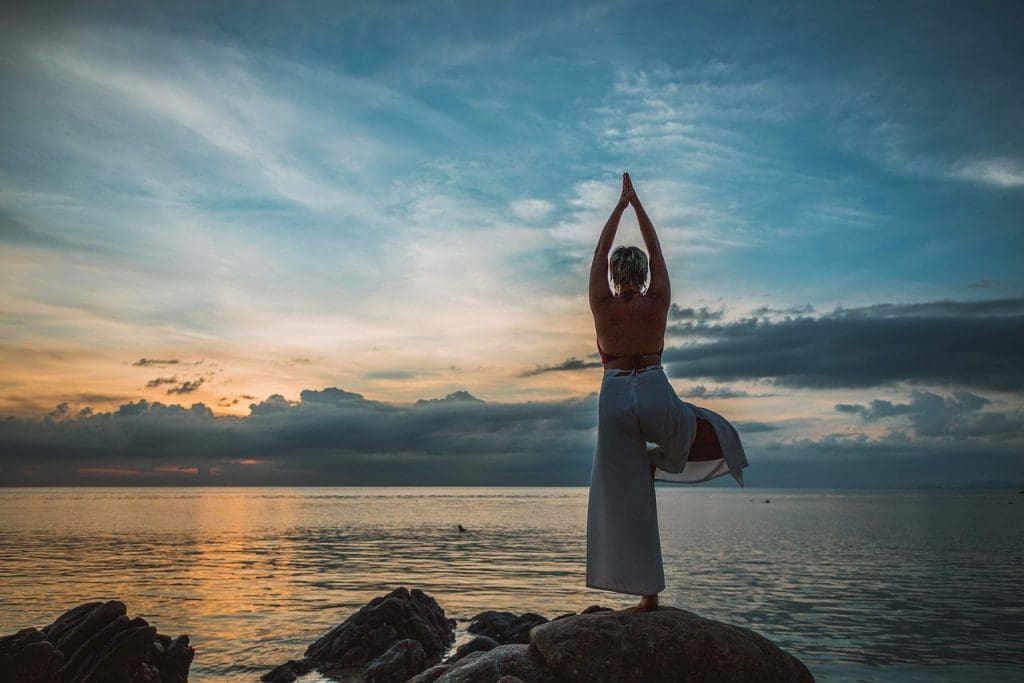
Tree Pose is a balancing pose that develops focus, stability, and balance. Stand tall with your feet hip-distance apart, then shift your weight into your left foot. Bend your right knee and place the sole of your right foot on your left inner thigh, with your toes pointing down. Press your foot and thigh firmly together, find a point of focus, and balance. You can keep your hands at your heart or extend them overhead. Feel a sense of rootedness and expansion in this graceful pose.
Bridge Pose (Setu Bandhasana)
Bridge Pose is a beginner-friendly backbend that stretches the front of the body and strengthens the legs and glutes. Lie on your back with your knees bent and your feet hip-distance apart. Press your feet into the mat and lift your hips and lower back off the mat. Keep your arms relaxed by your sides or clasp your hands underneath your body. Relax your shoulders, breathe deeply, and feel a gentle opening in your chest and hip flexors.
Corpse Pose (Savasana)
Corpse Pose is the final relaxation pose that allows your body and mind to integrate the benefits of your practice. Lie on your back with your legs extended and your arms relaxed by your sides, palms facing up. Close your eyes and take deep, slow breaths. Allow your entire body to relax, releasing any tension or effort. Surrender to the support of the mat and allow yourself to fully let go. In Savasana, you experience a deep sense of calm and stillness.
Seated Forward Bend (Paschimottanasana)
Seated Forward Bend is a gentle stretch that targets the hamstrings and lower back. Sit on the mat with your legs extended in front of you. Inhale, lengthen your spine, then exhale, fold forward from the hips, reaching towards your feet. Keep your spine long and your neck relaxed, and avoid rounding your back. You can use a strap around your feet if you have tight hamstrings. Breathe deeply into the stretch and allow your body to release tension.
Cat-Cow Pose (Marjaryasana-Bitilasana)
Cat-Cow Pose is a gentle spinal movement that promotes mobility and flexibility in the spine. Start on your hands and knees, with your wrists under your shoulders and your knees under your hips. Inhale, drop your belly, lift your chest, and look up (Cow Pose). Exhale, round your spine, tuck your chin to your chest, and draw your navel in (Cat Pose). Move between these two poses in sync with your breath, allowing your spine to move fluidly and naturally. Feel a sense of suppleness and ease in your back.
These basic yoga poses provide a solid foundation for your practice and can be modified to suit your individual needs and abilities. As you continue to practice, you can explore more advanced poses and sequences, deepening your understanding and connection with your body.
Breathing Techniques in Yoga
Breath is an integral part of the yoga practice. By focusing on your breath, you can deepen your connection with your body and cultivate a sense of calm and mindfulness. Here are some common breathing techniques in yoga:
Deep belly breathing
Deep belly breathing, also known as diaphragmatic breathing, involves using the diaphragm to fully engage the breath. Start by sitting or lying down in a comfortable position. Place one hand on your belly, just below your rib cage, and the other hand on your chest. Take a deep breath in through your nose, directing the breath into your belly, allowing it to rise and expand. Exhale deeply through your nose, feeling your belly fall. Focus on the movement of your breath and the rise and fall of your belly. Deep belly breathing helps to calm the nervous system and promote relaxation.
Alternate nostril breathing
Alternate nostril breathing, or Nadi Shodhana Pranayama, is a balancing breathing technique that helps to harmonize the left and right sides of the brain and body. Start by sitting in a comfortable position and relax your shoulders and jaw. Place your right thumb on your right nostril and your ring finger or pinky finger on your left nostril. Close your right nostril with your thumb and inhale deeply through your left nostril. Close your left nostril with your ring finger or pinky finger and exhale through your right nostril. Continue this pattern, alternating nostrils with each breath. Alternate nostril breathing helps to balance the energy in the body and calm the mind.
Ujjayi breathing
Ujjayi breathing, also known as victorious breath or ocean breath, involves gently constricting the back of your throat to create a soft, whispering sound during the inhalation and exhalation. Start by sitting comfortably and take a deep breath in through your nose. As you exhale slowly through your nose, create a gentle, audible sound in the back of your throat. Inhale deeply again, continuing the same whispering sound throughout the breath. Ujjayi breathing helps to calm the mind, increase focus, and create a sense of internal heat and energy.
Kapalabhati breathing
Kapalabhati breathing, also known as skull shining breath, is an invigorating breathing technique that involves forceful exhales and passive inhales. Sit in a comfortable position and relax your shoulders and jaw. Take a deep breath in through your nose, then sharply exhale through your nose, drawing your navel towards your spine. The inhale happens naturally as you relax your belly and allow the breath to enter. Repeat this pumping action, focusing on the quick, forceful exhales and the relaxation of the inhales. Kapalabhati breathing helps to energize the body, clear the mind, and detoxify the respiratory system.
Dirga Swasam (Three-Part Breathing)
Dirga Swasam, also known as three-part breathing, is a calming and grounding breathing technique that expands and deepens your breath. Start by sitting comfortably and take a few deep breaths to relax your body. Place one hand on your chest and the other hand on your belly. Inhale deeply through your nose, allowing your belly to rise, then fill your rib cage with breath, and finally expand your chest fully. Exhale gently through your nose, releasing the breath from your chest, then rib cage, and finally your belly. Continue this three-part breath, focusing on the expansion and contraction of each area. Dirga Swasam helps to calm the mind, reduce anxiety, and improve overall breath control.
Sitali Pranayama (Cooling Breath)
Sitali Pranayama, or cooling breath, is a breathing technique that helps to cool and relax the body. Start by sitting in a comfortable position and relax your shoulders and jaw. Curl your tongue lengthwise so that the edges meet, creating a tube-like shape. If you’re unable to curl your tongue, you can simply purse your lips. Inhale deeply through your curled tongue or pursed lips, then close your mouth and exhale gently through your nose. Continue this cooling breath, focusing on the sensation of coolness and relaxation as you breathe in. Sitali Pranayama helps to reduce heat and tension in the body, soothe the nervous system, and promote a sense of freshness and calm.
Bhramari Pranayama (Bee Breath)
Bhramari Pranayama, or bee breath, is a soothing and meditative breathing technique that involves producing a humming sound. Start by sitting comfortably and relax your shoulders and jaw. Close your eyes and place your index fingers gently on the cartilage just outside your ears, covering the ear openings. Inhale deeply through your nose, then as you exhale, gently press your fingers onto your ears, creating a mild resistance. With your mouth closed, make a humming sound like that of a bee as you exhale. Continue this humming breath, focusing on the vibration and resonance in your head. Bhramari Pranayama helps to calm the mind, relieve stress, and promote a sense of tranquility and inner stillness.
Nadi Shodhana Pranayama (Channel Cleaning Breath)
Nadi Shodhana Pranayama, or channel cleaning breath, is a balancing and purifying breathing technique that helps to clear the energy channels in the body. Start by sitting comfortably and relax your shoulders and jaw. Place your right thumb on your right nostril and your ring finger or pinky finger on your left nostril. Close your right nostril with your thumb and inhale deeply through your left nostril. Close your left nostril with your ring finger or pinky finger and exhale through your right nostril. Inhale through your right nostril, close it with your thumb, and exhale through your left nostril. Continue this pattern, alternating nostrils with each breath. Nadi Shodhana Pranayama helps to balance the flow of energy and oxygen in the body, promoting clarity, concentration, and harmony.
By incorporating these breathing techniques into your yoga practice, you can deepen your connection with your breath, calm your mind, and enhance your overall well-being.
Tips for Starting a Home Yoga Practice
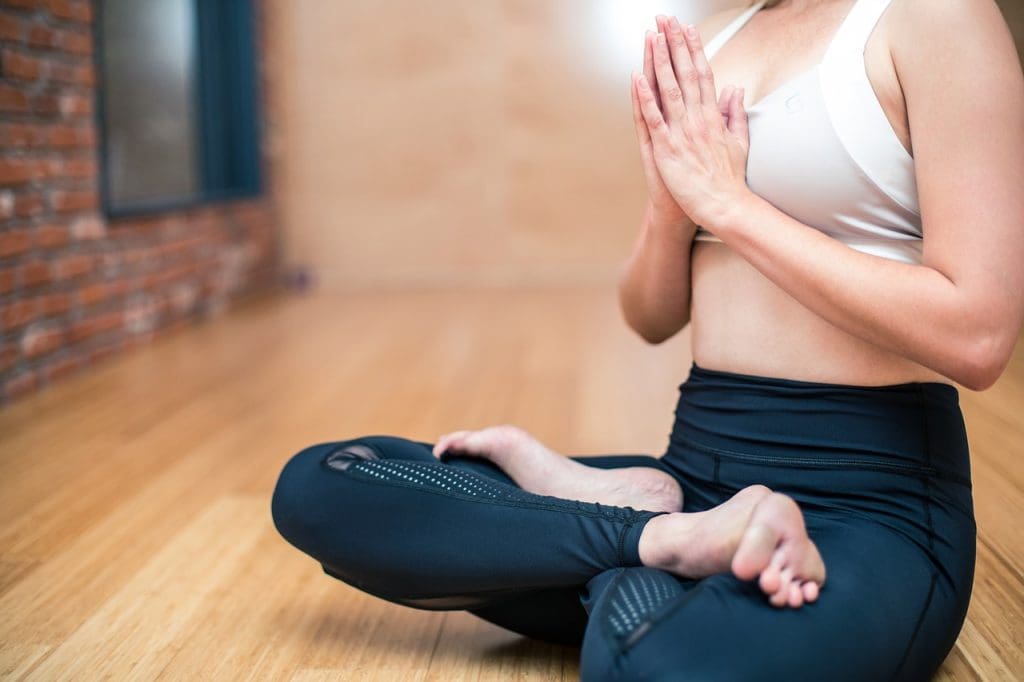
Starting a home yoga practice can be a rewarding and empowering experience. It allows you to tailor your practice to your own needs and schedule, and provides a space for self-reflection and growth. Here are some tips to help you get started with a home yoga practice:
Create a dedicated space
Designate a specific area in your home as your yoga space. This could be a spare room, a corner of your bedroom, or even just a spot in your living room. Clear the space of any clutter or distractions and create a calm and inviting atmosphere. Decorate the space with items that inspire you, such as candles, plants, or meaningful objects. Having a dedicated space will help you establish a sense of ritual and make it easier to commit to your practice.
Set a regular schedule
Consistency is key when it comes to a home yoga practice. Set aside regular time slots in your schedule for your practice, just as you would for any other appointment or commitment. Aim for at least three to four days a week to start, and gradually increase the frequency as you feel comfortable. Having a regular schedule will help to establish a routine and make your practice a priority in your daily life.
Start with short sessions
When starting a home yoga practice, it can be helpful to begin with shorter sessions to ease yourself into the practice. Starting with 10-15 minutes a day can be a great way to build the habit of practicing regularly. Focus on a few key poses or a short sequence that you feel comfortable with. As you become more comfortable and confident, you can gradually increase the duration of your sessions.
Follow online tutorials or apps
If you’re new to yoga or unsure of where to start, there are countless online tutorials and yoga apps available to guide you through your practice. These resources offer a wide variety of classes and styles, allowing you to explore different practices and teachers from the comfort of your own home. Choose tutorials or apps that resonate with you and align with your goals and preferences.
Listen to your body
One of the beautiful aspects of a home yoga practice is the ability to listen to your body and honor its needs. Pay attention to how your body feels during each pose and adjust as necessary. If something doesn’t feel right or causes discomfort, modify the pose or skip it altogether. Remember that yoga is a journey of self-discovery and self-care, and your practice should reflect that.
Stay consistent and committed
Building a home yoga practice takes time and commitment. Even on days when you don’t feel motivated or inspired, make a commitment to show up on your mat. Some days your practice may be more vigorous and energetic, while other days it may be gentle and restorative. The key is to maintain consistency and make your practice a non-negotiable part of your routine. By staying committed, you’ll experience the transformative benefits of yoga in your everyday life.
Gradually increase intensity and duration
As you become more comfortable and confident in your home yoga practice, you can gradually increase the intensity and duration of your sessions. Challenge yourself with more advanced poses, try new styles of yoga, or explore longer sequences. However, always remember to listen to your body and respect your limits. Pushing yourself too hard can lead to injury or burnout. Gradual progress is more sustainable and ensures the longevity of your practice.
Join online communities or classes
While a home yoga practice may be solitary, that doesn’t mean you have to practice alone. Joining online yoga communities or participating in virtual classes can provide a sense of connection and support. Engage with like-minded practitioners, share your experiences, and learn from others. Connect with yoga teachers or join virtual workshops to deepen your understanding and expand your practice. Having a sense of community and support can enhance your motivation and keep you inspired.
Be patient and enjoy the journey
Yoga is a lifelong journey of self-discovery and transformation. Be patient with yourself and embrace the process. Some days your practice may flow effortlessly, while other days it may feel challenging. Accept the fluctuations in your practice and honor each moment as an opportunity for growth. Be kind to yourself and enjoy the journey, knowing that yoga is a practice of self-love and self-acceptance.
By incorporating these tips into your home yoga practice, you can create a safe and nurturing space for self-exploration and growth.
Common Mistakes to Avoid in Yoga
While yoga is a safe and beneficial practice, there are a few common mistakes to be aware of to prevent injury and enhance your experience. Here are some mistakes to avoid:
Overexertion and pushing too hard
Yoga is a practice of balance and self-awareness. Avoid the temptation to push yourself beyond your limits or compare yourself to others in the class. Slow and steady progress is more sustainable and prevents overexertion and injury. Listen to your body and honor its limits, knowing that every practice is different.
Comparing yourself to others
Yoga is a personal practice, and everyone’s body is unique. Avoid the trap of comparing yourself to others in the class or on social media. Remember that everyone is on their own journey, and what matters most is your own progress and growth. Focus on your own practice and celebrate your own achievements, no matter how small.
Improper alignment and technique
Proper alignment is key to a safe and effective yoga practice. Pay attention to the cues and instructions given by your teacher, and make sure you understand how to align your body in each pose. Improper alignment can lead to strain, injury, or inefficient use of the muscles. If you’re unsure about a particular pose, seek guidance from a qualified teacher.
Neglecting rest and recovery
Yoga is not just about physical exertion; it’s also a practice of rest and recovery. Avoid the mindset of constantly pushing yourself and neglecting rest days or gentle practices. Give yourself permission to rest and recover when needed, allowing your body and mind to rejuvenate. Rest is an essential part of the practice and contributes to its overall benefits.
Skipping warm-up and cool-down
Preparing your body for the practice and winding it down afterwards is important for injury prevention and optimal recovery. Always start your practice with a gentle warm-up to prepare your muscles and joints for the movements ahead. This can include gentle stretches, joint mobilization, and breathing exercises. Similarly, end your practice with a few minutes of gentle stretching and relaxation to cool down and promote recovery.
Ignoring modifications or props
Each body is unique, and certain poses may not suit your anatomical structure or current physical condition. Don’t be afraid to use modifications or props to make poses more accessible and safe. Props such as blocks, straps, and bolsters can help to support your body and enhance your practice. Embrace the use of props and modifications as tools for self-care and respect for your body’s needs.
Forcing yourself into advanced poses
Yoga is not about achieving a picture-perfect pose or pushing yourself into advanced positions. Respect the natural progression of your practice and avoid rushing into poses that are beyond your current capabilities. Focus on building strength, flexibility, and stability over time, and let go of the need to perform. The true essence of yoga lies in the journey, not the destination.
Not listening to your body’s limitations
Your body is your greatest teacher in yoga. Cultivate a sense of awareness and listen to its signals and limitations. If a pose or movement causes pain or discomfort, modify or skip it altogether. Honor the messages your body is sending you and practice with mindfulness and self-compassion. Your body knows best.
Neglecting proper breathing
Breath is an integral part of the yoga practice, and neglecting proper breathing can hinder its benefits. Avoid holding your breath or shallow breathing during the practice. Instead, focus on deep, smooth, and rhythmic breathing, synchronizing your breath with your movements. Proper breathing helps to calm the mind, fuel the body with oxygen, and enhance the overall experience of the practice.
By being mindful of these common mistakes, you can cultivate a safe, sustainable, and transformative yoga practice.
Maintaining Safety in Yoga Practice
Maintaining safety in your yoga practice is essential to prevent injury and support your overall well-being. Here are some tips to help you stay safe during your practice:
Know your physical limitations
Be aware of your physical limitations and respect them. Each body is unique, and what works for someone else may not work for you. Honor any conditions or injuries you may have and modify your practice accordingly. Work within your range of motion, avoiding excessive force or strain.
Work within your range of motion
Yoga is not about achieving extreme flexibility or contortion. Instead, focus on working within your range of motion and respecting your body’s natural limits. Avoid pushing yourself beyond what feels comfortable and sustainable. By honoring your body’s range of motion, you can prevent injury and cultivate a sustainable practice.
Avoid excessive joint stress
Yoga involves a wide range of movements and poses that can place stress on the joints. It’s important to approach these movements mindfully and avoid excessive force or pressure on the joints. Listen to your body and back off if you experience any pain or discomfort. Use props or modifications to support the joints and reduce stress.
Use props for support and stability
Props such as blocks, straps, bolsters, and blankets are valuable tools in yoga practice. They provide support, stability, and comfort, helping you to maintain proper alignment and prevent injury. Embrace the use of props and find ways to incorporate them into your practice for a safe and effective experience.
Modify poses for injuries or conditions
If you have an injury or a specific condition, it’s important to modify poses to accommodate your needs. Consult with a qualified teacher or healthcare professional for guidance on modifications that are suitable for your condition. Modify poses to avoid aggravating any existing injuries or conditions, and prioritize your safety and well-being throughout your practice.
Avoid overstretching or over-twisting
While stretching and twisting are integral parts of yoga, it’s important to approach them with proper alignment and mindfulness. Avoid overstretching or forcing yourself into deep stretches before your body is properly warmed up. Ease into the stretch and listen to your body’s signals. Avoid over-twisting and keep your spine safe by engaging your core and focusing on stability and alignment.
Stay hydrated during your practice
Yoga can be physically demanding and may cause you to sweat. It’s important to stay hydrated before, during, and after your practice. Drink water regularly throughout the day, and have a water bottle nearby during your practice. Hydration helps to lubricate the joints, regulate body temperature, and support overall bodily functions.
Listen to your body and don’t push through pain
Your body communicates with you through sensations and signals. It’s important to listen to your body and respect its messages. Never push through pain or discomfort during your yoga practice. Pain is your body’s way of telling you that something is wrong. Modify or skip poses that cause pain and always prioritize safety and self-care.
Consult a healthcare professional if needed
If you have any concerns about your ability to practice yoga safely, it’s wise to consult with a healthcare professional. They can assess your individual needs and provide guidance based on your specific condition or injury. Your healthcare provider may recommend modifications, adaptations, or additional precautions to support your safety and well-being.
By implementing these safety measures into your yoga practice, you can create a safe and sustainable foundation for your journey of self-discovery and growth.
Additional Resources for Women in Yoga
In addition to your regular yoga practice, there are many resources available specifically for women to enhance your yoga journey. Whether you’re looking for guidance, inspiration, or community, here are some additional resources for women in yoga:
Yoga books specifically for women
There are numerous books written specifically for women in yoga, focusing on topics such as women’s health, hormones, menstrual cycles, and fertility. These books provide valuable insights and practices tailored to the unique needs and experiences of women. Some recommended titles include “The Woman’s Book of Yoga and Health” by Linda Sparrowe and Patricia Walden, and “The Female Pelvis Anatomy & Exercises” by Blandine Calais-Germain.
Online tutorials and classes
The internet is a vast resource for online yoga tutorials and classes. Many platforms offer specialized classes and programs for women, addressing various aspects of women’s health and well-being. Explore platforms such as YogaGlo, Gaia, or YouTube for a wide selection of classes taught by experienced female teachers.
Women-centered yoga retreats and workshops
Yoga retreats and workshops specifically for women provide an opportunity to deepen your practice, connect with like-minded women, and explore specific aspects of women’s health and empowerment. These retreats and workshops offer a nurturing and supportive environment for self-discovery and growth.
Yoga podcasts and audio resources
Yoga podcasts and audio resources can be a convenient way to access valuable insights and teachings from experienced yoga teachers. Listen to podcasts such as “Yogaland” by Andrea Ferretti or “The Yoga Girl Podcast” by Rachel Brathen for inspiration, interviews, and guidance on various topics related to women’s health and yoga.
Yoga apps with specialized programs for women
Many yoga apps offer specialized programs and content tailored to women’s specific needs and goals. These programs may focus on women’s health, hormonal balance, prenatal yoga, or postpartum recovery. Explore apps such as Glo, Downdog, or Asana Rebel for a variety of programs and classes designed for women.
Yoga communities and forums for women
Joining yoga communities and forums specifically for women can provide a sense of connection and support in your yoga journey. Engage with like-minded women, share experiences, and seek guidance from others who have similar interests and goals. These communities offer a space for discussion, inspiration, and support.
Women’s health and wellness websites with yoga content
There are numerous women’s health and wellness websites that offer valuable yoga content and resources. These websites provide articles, tutorials, and videos dedicated to women’s health, empowerment, and well-being. Explore websites such as MindBodyGreen, Women’s Health, or Yoga Journal for a wealth of information and inspiration.
Yoga clothing and gear for women
Various brands offer yoga clothing and gear specifically designed for women, providing comfort, style, and functionality. Invest in high-quality yoga clothing that allows for freedom of movement and supports your practice. Look for clothing made from breathable and sustainable materials that align with your values.
Women’s yoga magazines and publications
Yoga magazines and publications often feature articles and content specifically for women. These publications provide insights, stories, and practices that cater to women’s interests and needs. Some popular magazines include Yoga Journal, Women’s Health, and Yoga International.
Women yoga instructors to follow on social media
There are many inspiring and knowledgeable female yoga instructors who share their expertise and insights on social media. Follow these instructors for daily inspiration, tips, and guidance in your yoga practice. Engage with their content and learn from their experiences.
By exploring these additional resources, you can deepen your understanding of yoga, connect with a like-minded community, and find inspiration and guidance along your journey.
In conclusion, yoga offers a multitude of benefits for women, ranging from physical strength and flexibility to mental well-being and emotional balance. By incorporating yoga into your routine and exploring different styles, you can customize your practice to meet your specific needs and goals. Remember to prioritize safety, listen to your body, and enjoy the journey of self-discovery and growth that yoga offers. With dedication and commitment, yoga can become a lifelong companion, supporting your overall health and well-being as a woman.