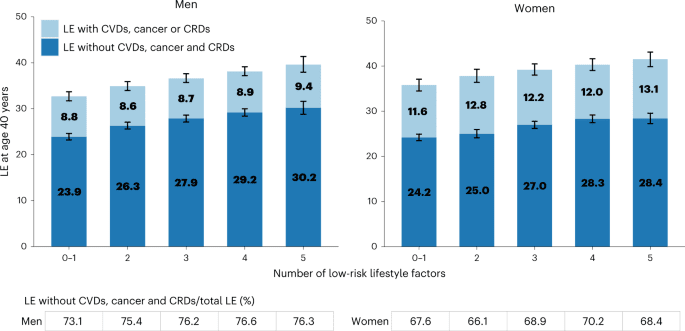
Welcome to an insightful article on the impact of chronic diseases on longevity. It is essential to understand how conditions such as heart disease, diabetes, and cancer can affect both the quantity and quality of your life. By learning about the link between chronic illnesses and lifespan, you can make informed choices to prioritize your health and well-being. Let’s delve into the fascinating world of how managing these conditions can lead to a longer and healthier life. Have you ever wondered how chronic diseases can affect your longevity and overall quality of life? In this article, we will explore the impact of chronic diseases on longevity and provide you with valuable insights on managing these conditions to live a healthier and longer life.
Understanding Chronic Diseases
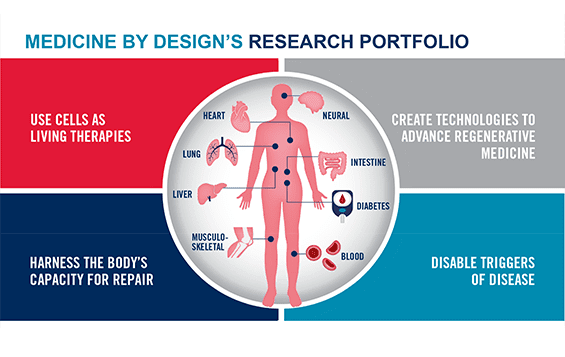
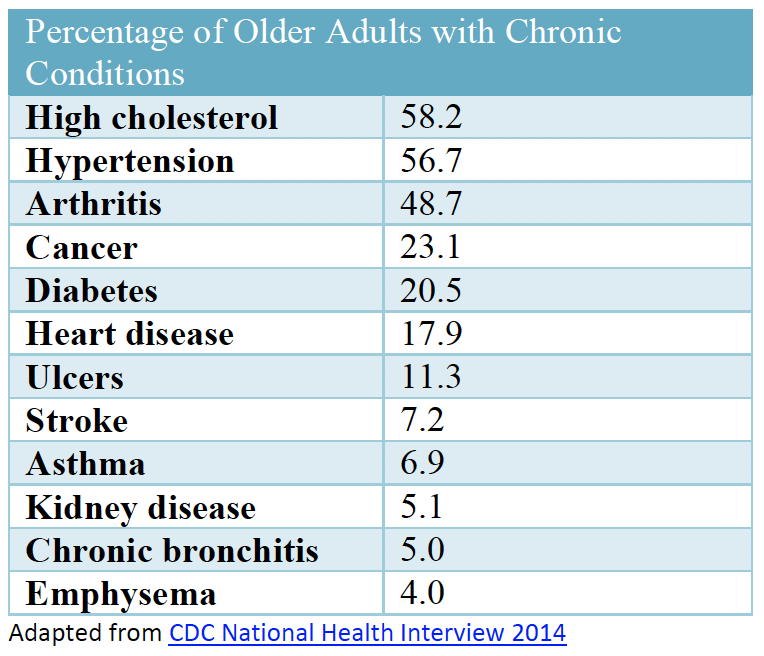
Chronic diseases are long-lasting conditions that often require ongoing management and treatment. These conditions can impact various parts of the body, such as the heart, lungs, kidneys, and joints. Common chronic diseases include diabetes, heart disease, asthma, arthritis, and cancer.
Understanding the nature of chronic diseases is crucial in addressing their impact on longevity. By knowing how these conditions develop and progress, you can take proactive steps to prevent or manage them effectively.
Factors Affecting Longevity in Chronic Disease Patients
Several factors can influence the longevity of individuals living with chronic diseases. These factors may include genetic predispositions, lifestyle choices, access to healthcare, socioeconomic status, and environmental factors. It is essential to consider these variables when evaluating the impact of chronic diseases on longevity.
Exploring the factors that can affect longevity in individuals with chronic diseases can provide valuable insights into developing personalized treatment plans and interventions. By understanding these influencing variables, healthcare professionals can tailor their approach to optimize patient outcomes and improve quality of life.
Managing Chronic Diseases for Longevity
Effective management of chronic diseases is key to improving longevity and quality of life. This may involve a combination of medications, lifestyle modifications, dietary changes, regular exercise, and monitoring of symptoms. By actively managing chronic diseases, individuals can better control their condition and reduce the risk of complications.
It is essential to work closely with healthcare professionals to develop a comprehensive management plan tailored to your specific needs and goals. By taking an active role in managing your chronic disease, you can empower yourself to lead a healthier and more fulfilling life.
Healthy Lifestyle Choices for Longevity
Making healthy lifestyle choices is crucial in promoting longevity and reducing the impact of chronic diseases. This may include maintaining a balanced diet rich in fruits, vegetables, whole grains, and lean proteins, staying physically active, avoiding tobacco and excessive alcohol consumption, managing stress, and getting regular check-ups.
Incorporating healthy lifestyle choices into your daily routine can significantly improve your overall health and well-being. By prioritizing self-care and adopting healthy habits, you can enhance your longevity and reduce the risk of developing chronic diseases.
Prevention Strategies for Chronic Diseases
Prevention is key when it comes to chronic diseases and longevity. Engaging in preventive measures, such as screening tests, vaccinations, and early detection of risk factors, can help reduce the likelihood of developing chronic conditions. By taking proactive steps to prevent disease, you can safeguard your health and well-being long-term.
Educating yourself about the risk factors and warning signs of chronic diseases is important in prevention efforts. By staying informed and proactive, you can take control of your health and make informed decisions to protect yourself from potential health threats.
Support Systems and Resources for Chronic Disease Patients
Having a strong support system and access to resources can significantly impact the longevity of individuals living with chronic diseases. Support from family, friends, healthcare providers, and community organizations can provide emotional and practical assistance in managing chronic conditions.
Seeking out resources such as support groups, educational programs, and online communities can also help individuals connect with others facing similar challenges and gain valuable insights into coping strategies and self-care techniques. By building a robust support network and utilizing available resources, individuals can better navigate the complexities of living with chronic diseases.
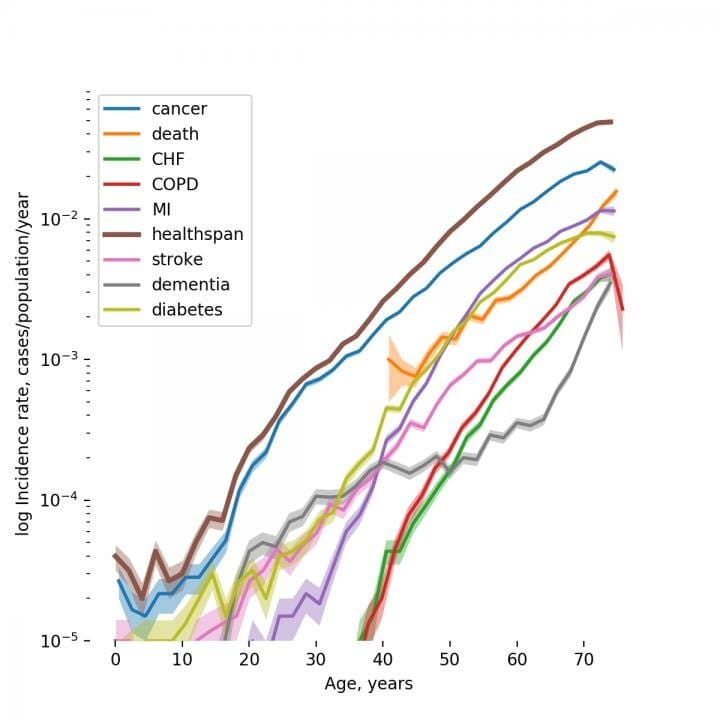
The Role of Mental Health in Chronic Disease Management
Mental health plays a critical role in chronic disease management and overall longevity. Living with a chronic condition can be emotionally challenging and may impact mental well-being. It is essential to address the psychological aspects of chronic diseases to ensure holistic care and support for individuals.
Engaging in mental health counseling, mindfulness practices, relaxation techniques, and stress management strategies can help individuals cope with the emotional burden of chronic diseases. By prioritizing mental health and seeking appropriate support, individuals can better navigate the challenges of living with chronic conditions and improve their quality of life.
Holistic Approaches to Chronic Disease Management
Taking a holistic approach to chronic disease management involves addressing the physical, emotional, and mental aspects of health. This may include integrating complementary therapies such as acupuncture, massage, yoga, meditation, and nutritional counseling into your treatment plan.
By adopting a holistic approach to chronic disease management, individuals can optimize their overall well-being and enhance the effectiveness of traditional medical treatments. It is essential to work collaboratively with healthcare providers to develop an integrated care plan that addresses all aspects of health and promotes longevity.
The Importance of Regular Monitoring and Follow-Up Care
Regular monitoring and follow-up care are essential components of managing chronic diseases and promoting longevity. It is important to stay proactive in monitoring your condition, tracking symptoms, and communicating with healthcare providers about any changes or concerns.
Attending scheduled appointments, following treatment plans, and participating in recommended screenings are crucial in preventing complications and optimizing health outcomes. By staying vigilant in your care and seeking timely follow-up, you can better manage your chronic disease and improve your longevity.
Conclusion
In conclusion, the impact of chronic diseases on longevity is significant but manageable with proactive management, healthy lifestyle choices, preventive strategies, support systems, and holistic approaches to care. By taking an active role in managing your chronic disease and prioritizing your health and well-being, you can improve your longevity and quality of life. Remember to stay informed, seek support, and work collaboratively with healthcare providers to optimize your care and achieve long-term success in managing chronic diseases.