

Welcome to an article that explores the fascinating connection between nutrition and mental well-being. In this piece, we will delve into how the food you eat can have a direct impact on your mood, cognition, and overall mental health. Get ready to discover the powerful effects of nutrition on your mind and learn how you can make simple changes to support your mental well-being through the food you consume. Let’s embark on this journey together and uncover the transformative potential of a balanced diet on your mental health. Have you ever wondered how the food you eat impacts your mental well-being? You may be surprised to learn that your diet plays a crucial role in your brain health and overall mental wellness. In this article, we will explore the intricate relationship between nutrition and mental well-being, and how you can make simple changes to your diet to improve your mood, focus, and overall mental health.
The Basics of Nutrition and Mental Well-being
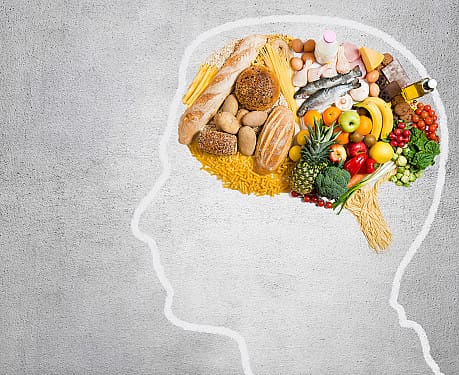
Nutrition is the foundation of health, and this includes mental health. The food you eat provides the essential nutrients your brain needs to function optimally. A well-balanced diet rich in vitamins, minerals, and other nutrients is essential for maintaining good mental well-being.
The Role of Macronutrients
Macronutrients are the three main components of your diet: carbohydrates, proteins, and fats. Each macronutrient plays a unique role in brain function and mental health.
Carbohydrates are your brain’s primary source of energy. Opt for complex carbohydrates like whole grains, fruits, and vegetables, which provide a steady supply of energy to your brain.
Proteins are essential for neurotransmitter production, which are chemical messengers that regulate mood and behavior. Include lean sources of protein like poultry, fish, beans, and legumes in your diet.
Fats, especially omega-3 fatty acids, are crucial for brain health. Include sources of healthy fats like nuts, seeds, avocados, and fatty fish in your diet to support cognitive function and mood regulation.
The Impact of Micronutrients
Micronutrients are essential vitamins and minerals that play a crucial role in mental well-being. Certain micronutrients have been linked to mood disorders, cognitive decline, and other mental health issues.
Vitamin D, also known as the sunshine vitamin, is essential for brain health and mood regulation. Get plenty of sunlight exposure or include vitamin D-rich foods like fatty fish, eggs, and fortified dairy products in your diet.
B vitamins, particularly B6, B12, and folate, are important for neurotransmitter synthesis and cognitive function. Include sources of B vitamins like leafy greens, whole grains, and lean meats in your diet to support mental well-being.
Magnesium is a mineral that plays a role in stress response and mood regulation. Include magnesium-rich foods like leafy greens, nuts, seeds, and whole grains in your diet to support mental health.
The Gut-Brain Connection
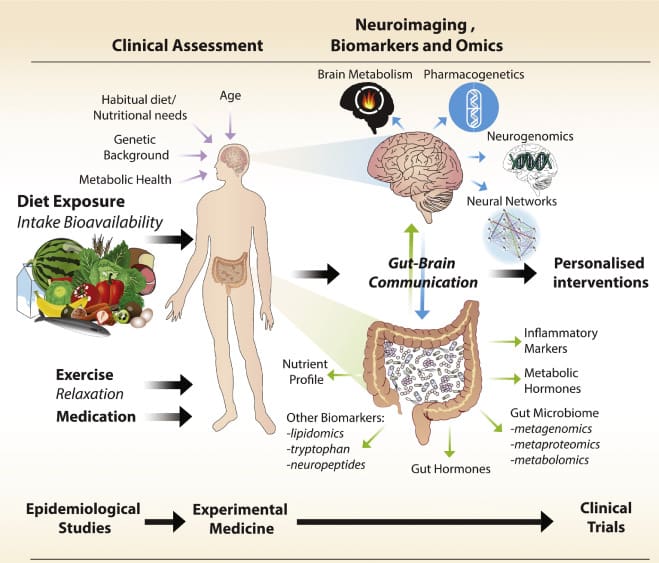
The gut-brain connection refers to the bidirectional communication between your gut and your brain. Your gut is home to trillions of bacteria that play a crucial role in your mental well-being. Maintaining a healthy gut microbiome is essential for optimal brain function and mental health.
The Role of Gut Health in Mental Well-being
Your gut microbiome produces neurotransmitters like serotonin, the “feel-good” hormone that regulates mood and happiness. An imbalance in gut bacteria can lead to mood disorders like depression and anxiety.
A healthy gut microbiome also plays a role in inflammation, which has been linked to various mental health issues. Chronic inflammation in the body can negatively impact brain function and mood.
How to Support Gut Health
Eating a diet rich in fiber and prebiotic foods can promote a healthy gut microbiome. Include foods like fruits, vegetables, whole grains, and legumes in your diet to feed the beneficial bacteria in your gut.
Probiotic foods like yogurt, kefir, sauerkraut, and kimchi contain beneficial bacteria that can help maintain a healthy gut microbiome. Consider including these foods in your diet to support gut health and mental well-being.
The Impact of Specific Foods on Mental Health
Certain foods have been shown to have a direct impact on mental health and well-being. Including these foods in your diet can help improve mood, focus, and overall mental wellness.
Foods Rich in Antioxidants
Antioxidants are compounds that help protect your brain from oxidative stress and inflammation. Include foods rich in antioxidants like berries, dark chocolate, nuts, and leafy greens in your diet to support brain health.
Omega-3 Fatty Acids
Omega-3 fatty acids are essential fats that play a crucial role in brain health and mental well-being. Include sources of omega-3 fatty acids like salmon, mackerel, walnuts, and flaxseeds in your diet to support cognitive function and mood regulation.
Dark Leafy Greens
Dark leafy greens like spinach, kale, and Swiss chard are rich in vitamins, minerals, and antioxidants that support brain health. Include these nutrient-dense foods in your diet to boost cognitive function and overall mental well-being.
Turmeric
Turmeric is a spice that has powerful anti-inflammatory and antioxidant properties. Include turmeric in your diet by adding it to curries, soups, smoothies, or as a tea to support brain health and mood regulation.
The Importance of Hydration for Mental Well-being
Hydration plays a crucial role in brain function and mental well-being. Even mild dehydration can negatively impact cognitive function, mood, and overall mental health.
How Dehydration Affects the Brain
Dehydration can lead to symptoms like fatigue, brain fog, poor concentration, and mood swings. Staying properly hydrated is essential for optimal brain function and mental well-being.
Tips for Staying Hydrated
Drink plenty of water throughout the day to stay hydrated. Aim to consume at least 8-10 cups of water daily, more if you are physically active or live in a hot climate.
Include hydrating foods like fruits and vegetables in your diet, which have a high water content. Foods like watermelon, cucumber, oranges, and tomatoes can help you stay hydrated and support mental well-being.
Practical Tips for Improving Your Diet for Mental Well-being
Making simple changes to your diet can have a profound impact on your mental well-being. Follow these practical tips to improve your diet and support optimal brain function.
Eat a Variety of Whole Foods
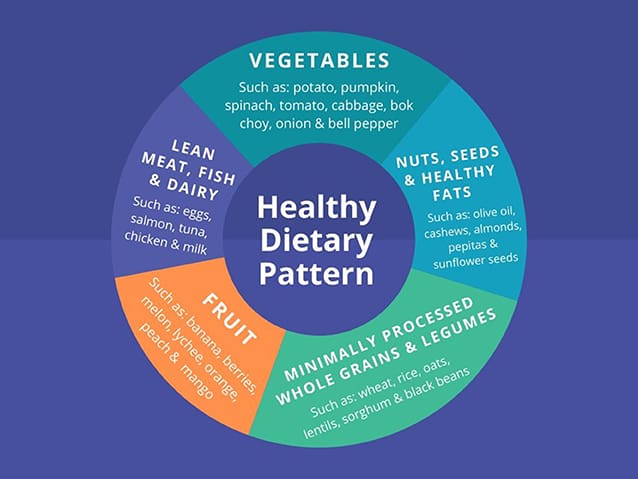
Include a variety of whole foods in your diet to ensure you are getting a wide range of nutrients that support brain health. Focus on fruits, vegetables, whole grains, lean proteins, and healthy fats to nourish your body and mind.
Limit Processed Foods and Sugar
Processed foods and sugary snacks can negatively impact brain function and mood. Limit your intake of processed foods, sugary drinks, and sweets, and opt for whole, unprocessed foods instead.
Practice Mindful Eating
Mindful eating involves being present and focused on your food while eating. Pay attention to the flavors, textures, and sensations of your food, and savor each bite. Mindful eating can help you make healthier choices and improve digestion.
Cook at Home
Cooking at home allows you to control the ingredients in your meals and make healthier choices. Experiment with new recipes, flavors, and ingredients to make cooking at home a fun and enjoyable experience.
Stay Active
Regular physical activity has been shown to support brain health and mental well-being. Stay active by engaging in activities you enjoy, whether it’s walking, dancing, yoga, or swimming. Physical activity can help reduce stress, improve mood, and boost cognitive function.
Seeking Professional Help
If you are struggling with your mental health, it’s important to seek professional help. A mental health professional can provide guidance, support, and treatment options to help you manage your symptoms and improve your overall well-being.
Counseling and Therapy
Counseling and therapy can help you address underlying issues, learn coping strategies, and develop healthy habits to support your mental health. Consider seeking counseling or therapy if you are struggling with anxiety, depression, or other mental health issues.
Nutrition Counseling
Nutrition counseling can help you develop a personalized eating plan that supports your mental well-being. A registered dietitian can help you identify nutrient deficiencies, optimize your diet, and make sustainable changes to support brain health.
Medication and Treatment
In some cases, medication may be necessary to manage mental health symptoms. Consult with a psychiatrist or healthcare provider to discuss treatment options, medication management, and other interventions that may be beneficial for your mental well-being.
Conclusion
Nutrition plays a crucial role in mental well-being, and making simple changes to your diet can have a profound impact on your brain health and overall mental wellness. By prioritizing nutrient-dense foods, supporting gut health, staying hydrated, and seeking professional help when needed, you can improve your mood, focus, and overall mental health. Remember that small changes can lead to significant improvements in your mental well-being, so start making healthier choices today for a happier, healthier tomorrow.