
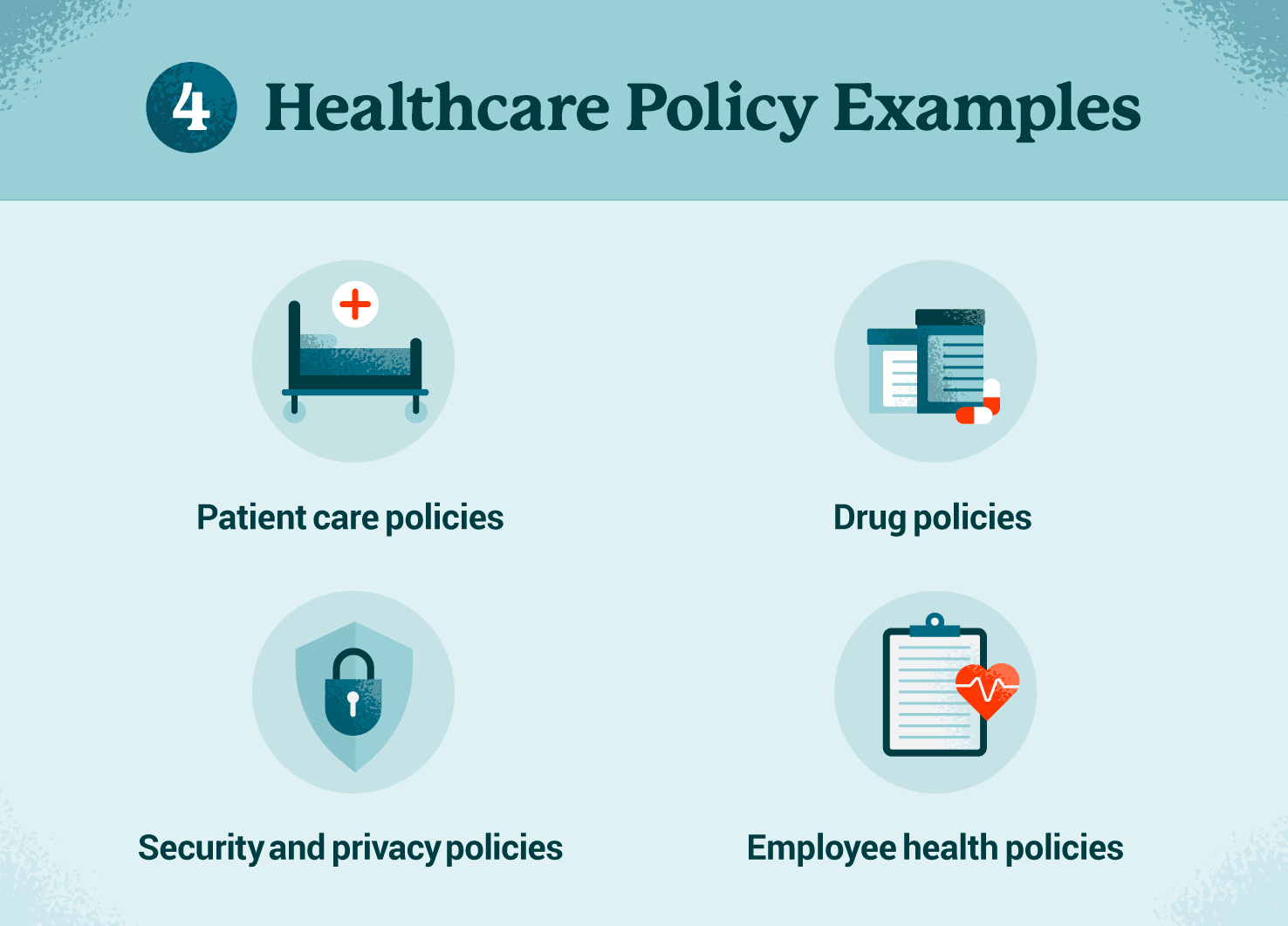
In this article, you will explore the crucial role that policy plays in determining the allocation of healthcare resources. Delving into the intricate web of policies and their impact, you will gain a deeper understanding of how decisions made at the policy level can directly affect the availability and distribution of resources in the healthcare sector. By examining real-world scenarios and analyzing the consequences of policy choices, you will discover the power and influence that policy holds in shaping the healthcare landscape, ultimately leading to improved health outcomes for individuals and communities. So, join us on this journey as we uncover the intricate connection between policy and healthcare resource allocation.
Policy and Healthcare Resource Allocation
Healthcare resource allocation refers to the process of distributing and managing resources within the healthcare system to ensure the effective delivery of healthcare services. It involves making decisions on how resources such as funding, facilities, and medical personnel are allocated to different areas and individuals in need. Policy plays a crucial role in shaping healthcare resource allocation by providing guidelines and regulations that govern the distribution and utilization of these resources.
Types of Policy Impacting Healthcare Resource Allocation
Public Policy
Public policy refers to the decisions and actions taken by government bodies to address societal issues and promote the well-being of the population. In the context of healthcare resource allocation, public policy sets the framework for how resources are allocated across different regions and populations. It may involve the establishment of public healthcare systems, the creation of healthcare funding mechanisms, and the development of programs to address specific healthcare needs.
Funding and Financial Policy
Funding and financial policy in healthcare determine the allocation of financial resources to support healthcare services. This policy influences the availability of funds for healthcare infrastructure, medical supplies, and the remuneration of healthcare professionals. Effective financial policies ensure the equitable distribution of funding and support the provision of essential healthcare services to all individuals within a society.
Healthcare Regulation Policy
Healthcare regulation policy is designed to ensure the quality and safety of healthcare services. It encompasses regulations related to licensing and accreditation of healthcare providers, standards for healthcare facilities, and guidelines for the practice of healthcare professionals. Such policies play a critical role in influencing resource allocation by ensuring that healthcare resources are utilized efficiently and in a manner that protects the well-being of patients.
Healthcare Delivery Policy
Healthcare delivery policy focuses on the organization and delivery of healthcare services. It includes policies that determine the distribution of healthcare facilities, the allocation of healthcare personnel, and the methods of delivering healthcare. These policies shape how healthcare resources are distributed geographically and influence the accessibility and availability of healthcare services to different populations.
Policy Factors Influencing Healthcare Resource Allocation
Political Factors
Political factors, including government priorities, ideologies, and power dynamics, have a significant impact on healthcare resource allocation. The decisions made by political leaders and policymakers can shape the allocation of resources based on the perceived needs of communities and the priorities of the government. Political factors also influence the level of funding allocated to healthcare services and the overall policy direction in terms of resource allocation.
Economic Factors
Economic factors play a crucial role in healthcare resource allocation. The availability of financial resources and the cost of healthcare services significantly impact the allocation of resources. Economic factors also shape the decision-making process regarding the allocation of resources between different healthcare areas, such as primary care, preventive services, and specialized treatments. Additionally, economic considerations often drive policy decisions related to healthcare funding mechanisms and reimbursement systems.
Social Factors
Social factors, including demographic characteristics, cultural beliefs, and social determinants of health, influence healthcare resource allocation. Policies are shaped by societal needs, such as addressing health disparities, providing services for vulnerable populations, and promoting health equity. Social factors also affect the distribution of healthcare resources across different regions and communities to ensure that healthcare services are accessible to all individuals.
Technological Factors
Technological advancements have a significant impact on healthcare resource allocation. Policy decisions are influenced by the need to invest in technological infrastructure, such as electronic health records systems and telehealth platforms. Technological factors also influence resource allocation by enabling the delivery of healthcare services in innovative ways, such as remote monitoring or virtual consultations. Policies need to adapt to the evolving technological landscape to optimizing resource allocation and improve healthcare outcomes.
Ethical and Moral Factors
Ethical and moral considerations guide healthcare resource allocation policies. Decisions must uphold principles such as fairness, justice, and beneficence. Policies may address ethical dilemmas regarding the allocation of scarce resources and the prioritization of patients based on medical need. Ethical and moral factors also influence policies related to the allocation of resources for specific populations, such as children, the elderly, or individuals with disabilities, ensuring equitable access to care.
Positive Impact of Policy on Healthcare Resource Allocation
Equitable Distribution of Resources
One of the positive impacts of policy on healthcare resource allocation is the promotion of equitable distribution. Policies can address health disparities by redirecting resources to underserved communities and populations in need. Through targeted funding and the establishment of healthcare facilities in marginalized areas, policy initiatives strive to ensure that resources are allocated in a manner that reduces inequalities and provides equal opportunities for accessing healthcare services.
Improved Access to Healthcare Services
Policy interventions can significantly improve access to healthcare services for individuals who would otherwise face barriers to care. By implementing policies that focus on expanding healthcare infrastructure, increasing the number of healthcare professionals, or implementing telehealth initiatives, governments can enhance access to care. These policies aim to bring healthcare services closer to communities, reducing geographical and financial barriers that may limit access.
Enhanced Quality of Care
Effective policies can drive improvements in the quality of healthcare by establishing standards, guidelines, and regulations. Policies that focus on enhancing the qualifications and training of healthcare professionals, promoting evidence-based care, or implementing quality improvement initiatives contribute to better patient outcomes. By ensuring that healthcare resources are allocated to support the delivery of high-quality care, policy interventions can drive positive changes in the overall quality of care provided.
Optimized Healthcare Outcomes
Policy decisions impact healthcare outcomes by aligning resources with population health needs. By prioritizing preventive care, health promotion, and early intervention, policies can optimize healthcare outcomes and reduce the burden of disease. For example, policies that allocate resources towards vaccination programs, chronic disease management, or mental health services can improve population health outcomes and contribute to a healthier society.
Negative Impact of Policy on Healthcare Resource Allocation
Underfunded Healthcare Systems
One of the negative impacts of policy on healthcare resource allocation is underfunding. Insufficient financial resources allocated to healthcare can strain the system, leading to shortages of healthcare professionals, limited access to medical equipment and supplies, and inadequate infrastructure. Underfunded healthcare systems struggle to meet the growing demand for services and may result in compromised healthcare outcomes.
Inequitable Resource Distribution
Despite efforts to promote equitable distribution, policies may still result in resource allocation disparities. If policies are not adequately designed to address inequalities and social determinants of health, certain populations may continue to face barriers in accessing healthcare resources. Systemic biases and structural inequalities can perpetuate resource disparities, leading to inequitable resource allocation.
Limited Access to Healthcare Services
Policy decisions may inadvertently lead to limited access to healthcare services for certain individuals or communities. Factors such as geographical location, income levels, or cultural barriers can impact access to care, even in the presence of policies aimed at promoting universal healthcare. Lack of sufficient healthcare facilities, long waiting times, or inadequate transportation options can limit individuals’ ability to access the care they need.
Compromised Quality of Care
In some instances, policy decisions can result in compromised quality of care. Cost-cutting measures, such as reducing healthcare provider reimbursement rates, can incentivize healthcare professionals to provide suboptimal care. Inadequate resource allocation or overburdened healthcare systems may also contribute to compromises in the delivery of care, negatively impacting patient outcomes and patient experience.
Negative Influence on Healthcare Outcomes
Policies that do not align with evidence-based practice or fail to address population health needs can have a negative influence on healthcare outcomes. When resources are not effectively allocated to meet the demands and priorities of the population, healthcare outcomes may suffer. Inadequate resource allocation can lead to increased morbidity and mortality rates, poorer disease management, and suboptimal health outcomes.
Case Studies on Policy Impact in Healthcare Resource Allocation
Comparison of Resource Allocation in Different Healthcare Systems
Examining resource allocation across different healthcare systems provides valuable insights into the impact of policy on healthcare resource allocation. Case studies comparing resource allocation in countries with different healthcare models, such as the United States, Canada, and the United Kingdom, can highlight the strengths and weaknesses of various policy approaches. By analyzing the impact of different policy decisions on resource allocation, researchers and policymakers can learn from both successes and failures to improve their own healthcare systems.
Impact of Policy Changes on Resource Allocation and Healthcare Outcomes
Case studies can also focus on specific policy changes and their impact on resource allocation and healthcare outcomes. For example, the implementation of the Affordable Care Act in the United States led to changes in healthcare financing and coverage, which affected resource allocation. Analyzing the outcomes of such policy changes can provide valuable lessons on the potential benefits and challenges associated with specific policy interventions.
Challenges in Policy Implementation for Optimized Healthcare Resource Allocation
Political and Bureaucratic Hurdles
The implementation of healthcare resource allocation policies often faces political and bureaucratic challenges. Conflicting interests, policy resistance, and changing political landscapes can hinder the effective implementation of policies aimed at optimizing resource allocation. Bureaucratic processes, such as complex decision-making structures and interagency coordination, can further complicate policy implementation, delaying or preventing the desired outcomes.
Economic Constraints
Limited financial resources and competing budget priorities pose significant challenges to policy implementation for healthcare resource allocation. Economic constraints may result in inadequate funding for healthcare systems, leading to resource shortages and compromised care. Policymakers must navigate economic realities and make difficult decisions regarding the allocation of limited resources to ensure optimal outcomes within the available financial constraints.
Social and Cultural Barriers
Social and cultural factors can present barriers to policy implementation for healthcare resource allocation. Diverse populations may have unique healthcare needs and preferences that must be considered in policy development. Socio-cultural factors, including language barriers, cultural norms, and health beliefs, can influence the utilization of healthcare services. Policies must be sensitive to these factors to ensure equitable and accessible healthcare for all individuals.
Lack of Consensus on Prioritization
Decisions on how to prioritize resource allocation within a healthcare system may be challenging due to the lack of consensus among stakeholders. Different groups may have divergent opinions on the allocation of resources, leading to debates and conflicts during the policy development process. Achieving consensus on prioritization requires effective communication, engagement, and collaboration among policymakers, healthcare professionals, and the public.
Ethical Dilemmas
Policy decisions related to healthcare resource allocation often involve ethical dilemmas. Allocating scarce resources, making decisions on end-of-life care, or balancing the needs of different patient populations can raise ethical concerns. Policymakers must grapple with these dilemmas, ensuring that policies are rooted in ethical principles such as fairness, autonomy, and non-maleficence. Balancing ethical considerations with practical realities is a complex task that requires careful deliberation.
Strategies for Effective Policy Development in Healthcare Resource Allocation
Collaborative Decision-Making Processes
Incorporating diverse perspectives and expertise through collaborative decision-making processes can enhance the effectiveness of policy development. Engaging healthcare professionals, policymakers, researchers, and community representatives ensures that policies are informed by a variety of viewpoints and experiences. Collaborative decision-making fosters transparency, builds trust, and increases the likelihood of successful policy implementation.
Evidence-Based Policies
Developing policies based on a robust evidence base is crucial for effective resource allocation in healthcare. Evidence-based policies rely on scientific research, data analysis, and evaluation to inform decisions on resource allocation. Policies guided by evidence are more likely to produce positive outcomes and optimize resource allocation. Regular evaluation and updates based on new evidence ensure that policies remain relevant and effective.
Public Participation and Transparency
Involving the public in policy development processes promotes accountability and transparency in healthcare resource allocation. Public participation ensures that policies are aligned with community needs and values. Building awareness and soliciting feedback from the public through consultations, surveys, and public forums can help shape policies that reflect the diverse needs and concerns of the population.
Continuous Evaluation and Adjustment
Healthcare resource allocation policies should be subject to continuous evaluation and adjustment to ensure ongoing optimization. Regular monitoring of the impact, costs, and outcomes of policies allows for evidence-based adjustments. Evaluation is essential to identify areas of improvement, address unintended consequences, and ensure that policies adapt to changes in healthcare needs and the healthcare landscape.
Future Perspectives in Policy-Making and Healthcare Resource Allocation
Innovative Policy Approaches
Emerging trends and challenges in healthcare, such as technological advancements, changing demographics, and evolving healthcare needs, call for innovative policy approaches. Future policies should be adaptable, flexible, and able to address emerging healthcare priorities. Incorporating concepts such as value-based healthcare, personalized medicine, and population health management can shape policy solutions that optimize resource allocation and improve healthcare outcomes.
Integration of Technology in Resource Allocation
The integration of technology, such as artificial intelligence, data analytics, and telehealth, presents opportunities to enhance resource allocation in healthcare. Digital tools can aid in prioritizing resource allocation based on real-time data, identifying areas of need, and optimizing decision-making processes. Policymakers need to embrace these technological advancements and leverage data-driven insights to make informed resource allocation decisions.
Global Cooperation and Partnerships
Addressing global healthcare challenges requires collaboration and partnerships among countries and organizations. By sharing knowledge, best practices, and resources, global cooperation can enhance healthcare resource allocation on a global scale. Coordinated efforts can promote the equitable distribution of resources across nations and support the development of effective policies that align with global health priorities.
Balancing Healthcare Demand and Available Resources
One of the ongoing challenges in healthcare resource allocation is balancing the growing demand for healthcare services with the limited availability of resources. Future policies must focus on optimizing resource allocation to ensure that healthcare systems can meet the needs of the population without compromising quality and access to care. Balancing supply and demand requires a comprehensive understanding of healthcare needs, effective planning, and proactive resource allocation strategies.
Conclusion
Policy plays a critical role in healthcare resource allocation, influencing the equitable distribution of resources, access to healthcare services, quality of care, and healthcare outcomes. Positive impacts of policy include improved access, enhanced quality of care, and optimized outcomes. However, negative impacts such as underfunding and limited access can arise if policies are not well-designed or implemented. By considering political, economic, social, technological, ethical, and moral factors, policymakers can shape effective policies that promote optimized resource allocation. Strategies for effective policy development, including collaboration, evidence-based approaches, public participation, and continuous evaluation, can further enhance resource allocation in healthcare. Looking ahead, innovative policy approaches, technological integration, global cooperation, and a focus on balancing demand and resources can shape future perspectives in healthcare resource allocation policy. Continuous evaluation and improvement of policies are essential to ensure that healthcare systems are responsive, efficient, and capable of meeting the evolving needs of the population.