
You know the phrase, “don’t put all your eggs in one basket”? Well, the same concept applies to your fitness routine. It’s time to talk about the importance of cross-training for injury prevention. Sure, you may have found your favorite workout and are totally crushing it, but limiting yourself to just one type of exercise can actually increase your risk of injury. By incorporating different forms of exercise into your routine, you’ll not only reduce the chances of getting sidelined by an injury, but you’ll also improve your overall fitness level. So let’s ditch the one-track mindset and explore the world of cross-training for a stronger, safer, and more well-rounded approach to fitness.
What is cross-training?
The definition of cross-training
Cross-training refers to participating in a variety of different activities and exercises to improve overall fitness and prevent injuries. It involves engaging in different types of physical movements, such as aerobic exercises, strength training, flexibility exercises, and even sports-specific activities. The goal is to work different muscle groups, improve coordination and balance, and diversify the physical stress placed on the body.
Examples of cross-training activities
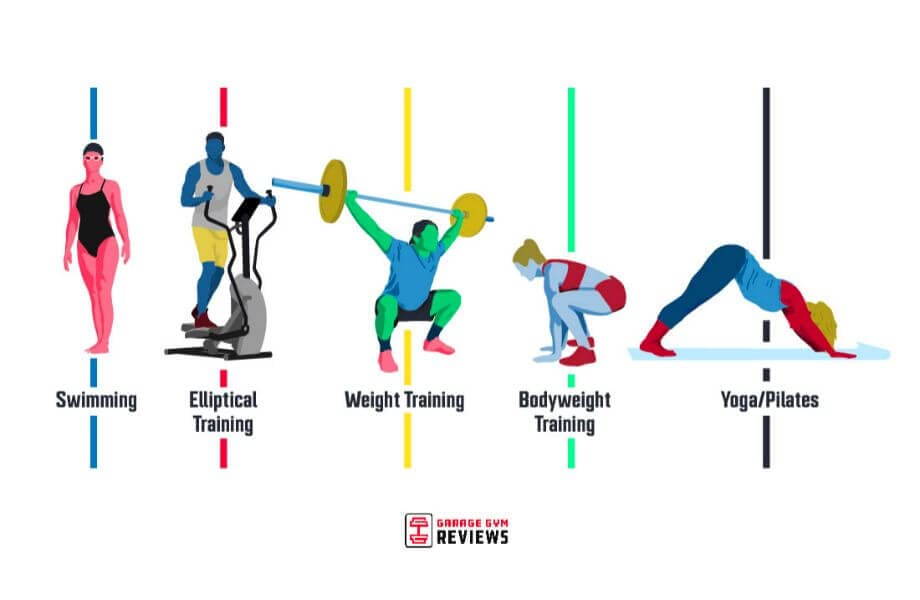
There are numerous activities that can be considered as cross-training. These activities can include swimming, cycling, yoga, Pilates, weightlifting, hiking, dancing, and playing different sports such as basketball or soccer. The key is to choose activities that target different muscle groups and have varying intensity levels to ensure a well-rounded workout routine.
Why is injury prevention important?
The impact of injuries on physical health
Injuries can have a significant impact on physical health. They can limit mobility, cause pain and discomfort, and hinder the ability to engage in regular physical activities. Injuries can also lead to long-term complications, such as arthritis or chronic pain. By focusing on injury prevention through cross-training, individuals can reduce the risk of sustaining injuries and maintain their overall physical health.
The financial costs of injuries
In addition to the physical impact, injuries can also result in substantial financial costs. Medical bills, rehabilitation expenses, and potential loss of income due to inability to work can all contribute to the financial burden of injuries. By implementing cross-training activities that reduce the likelihood of injuries, individuals can potentially avoid these costs and save themselves from the financial stress associated with injuries.
The psychological effects of injuries
Injuries not only affect physical health but also have psychological effects. Being unable to participate in activities that one enjoys can lead to feelings of frustration, isolation, and even depression. By prioritizing injury prevention through cross-training, individuals can maintain their mental well-being by staying active and engaged in their favorite activities.
The role of cross-training in injury prevention
Improvement of overall strength and flexibility
One of the key benefits of cross-training is the improvement of overall strength and flexibility. Engaging in different activities and exercises allows individuals to target different muscle groups and improve their overall body strength. Additionally, practicing activities that require flexibility, such as yoga or Pilates, can help increase range of motion and reduce the risk of muscle strains or tears.
Reduction of muscle imbalances
Cross-training helps in reducing muscle imbalances that can contribute to injuries. When participating in a specific sport or activity, certain muscle groups are often used more frequently and become stronger while others may be neglected. By incorporating cross-training activities that target different muscle groups, individuals can achieve a more balanced physique, reducing the risk of overuse injuries.
Enhancement of coordination and balance
Cross-training activities that involve coordination and balance, such as dance or martial arts, can improve these skills and reduce the risk of falls or accidents. Good coordination and balance are essential for preventing injuries, especially as one ages. By practicing activities that challenge these skills, individuals can enhance their overall body control and stability, minimizing the risk of injuries.
Diversification of physical stress
Constantly engaging in the same repetitive movements can put excessive stress on specific joints and muscles, leading to overuse injuries. Cross-training allows individuals to diversify the physical stress placed on their bodies by incorporating different activities and exercises. This helps distribute the load across various muscle groups and reduces the strain on specific areas, lowering the risk of overuse injuries.
Strengthening of connective tissues
Injury prevention is not only focused on muscles but also on the connective tissues, such as tendons and ligaments. Cross-training can improve the strength and resilience of these tissues by subjecting them to different types of stress. For example, weightlifting can strengthen tendons, while activities like swimming can enhance flexibility and elasticity in ligaments.
Specific benefits of cross-training for injury prevention
Reduced risk of overuse injuries
Overuse injuries occur when a particular body part is subjected to repetitive stress without sufficient rest and recovery. By engaging in cross-training, individuals can reduce the risk of overuse injuries by allowing different muscles and joints to be utilized, while giving the previously used areas time to recover. This balanced approach helps prevent the repetitive strain that often leads to overuse injuries.
Improved performance in specific sports or activities
Cross-training can lead to improved performance in specific sports or activities by enhancing overall fitness levels. By incorporating different exercises that focus on strength, cardiovascular endurance, flexibility, and balance, individuals can develop a well-rounded fitness foundation that translates into improved performance in their chosen activities. With stronger muscles and improved coordination, individuals can push themselves further and achieve better results.
Enhanced recovery from injuries
In the unfortunate event of sustaining an injury, cross-training can play a critical role in the recovery process. By participating in low-impact activities and exercises that do not aggravate the injury, individuals can maintain their fitness levels, promote blood flow, and aid in the healing process. Cross-training can also be used as a gradual transition back into regular activities once the injury has healed, further promoting a smooth recovery.
Decreased likelihood of common injuries
Cross-training can help reduce the likelihood of common injuries that are associated with specific activities or sports. By strengthening the supporting muscles, improving flexibility and balance, and diversifying physical stress, individuals can minimize the risk of injuries such as sprains, strains, or stress fractures. This comprehensive approach to injury prevention ensures that individuals can continue to participate in their favorite activities without the fear of common injuries.
Effective cross-training strategies for injury prevention
Balancing cardiovascular and strength exercises
An effective cross-training strategy for injury prevention involves balancing cardiovascular exercises with strength training. This combination provides benefits to both the cardiovascular system and the musculoskeletal system. Engaging in activities such as jogging or cycling alongside weightlifting or resistance training helps improve overall fitness and reduces the risk of injuries.
Incorporating variety into workouts
To prevent injuries, it is important to incorporate variety into workouts. This can include alternating between different activities, such as swimming one day and weightlifting the next. Additionally, varying the intensity levels and duration of workouts ensures that different muscle groups are engaged and prevents the body from adapting to a specific routine, reducing the risk of overuse injuries.
Tailoring cross-training to individual needs and goals
Cross-training should be tailored to individual needs and goals to be effective in preventing injuries. Understanding personal fitness levels, target areas for improvement, and specific activities or sports that are participated in can help design a cross-training plan that addresses individual requirements. By customizing cross-training activities, individuals can focus on areas that need strengthening, improving performance, and injury prevention in their specific context.
How to start cross-training for injury prevention
Consulting with a fitness professional
Before starting any new exercise routine, it is advisable to consult with a fitness professional. They can provide expert guidance, assess individual needs and capabilities, and recommend appropriate cross-training activities. A fitness professional can also assist in designing a personalized cross-training plan that considers individual goals and limitations, ensuring a safe and effective approach to injury prevention.
Assessing current fitness level
Assessing the current fitness level is an important step before starting cross-training for injury prevention. This can be done through various fitness assessments, such as measuring cardiovascular endurance, muscular strength, and flexibility. By understanding where one currently stands in terms of fitness, appropriate cross-training activities can be chosen to address areas that need improvement and reduce the risk of injuries.
Setting realistic goals
Setting realistic goals is key to successful injury prevention through cross-training. By identifying specific objectives, such as completing a marathon or maintaining overall fitness for daily activities, individuals can tailor their cross-training activities accordingly. Realistic goals help maintain motivation and ensure a gradual progression towards injury prevention and overall well-being.
Creating a cross-training plan
Creating a cross-training plan is essential to ensure consistency and progression in injury prevention. This plan should include a schedule for different cross-training activities, targeted areas for improvement, and gradually increasing intensity levels. Additionally, the plan should allow for rest days to allow the body to recover and adapt to the physical demands of the training, reducing the risk of overuse injuries.
Tips for incorporating cross-training into a workout routine
Starting slowly and gradually increasing intensity and duration
When incorporating cross-training into a workout routine, it is important to start slowly and gradually increase intensity and duration. This allows the body to adapt to the new activities and minimize the risk of injuries. Starting with shorter sessions and lower intensity levels and gradually progressing over time ensures a safe and effective approach to injury prevention.
Choosing activities that complement each other
Choosing activities that complement each other is essential for a well-rounded cross-training routine. Engaging in activities that target different muscle groups, and provide a balance of cardio and strength training, helps ensure overall fitness and injury prevention. For example, pairing swimming and weightlifting or yoga and hiking creates a comprehensive workout routine that caters to various aspects of physical fitness.
Listening to your body and adjusting the routine if needed
Listening to your body is crucial when incorporating cross-training into a workout routine. Paying attention to any discomfort, pain, or signs of overexertion is essential in preventing injuries. Adjusting the routine as needed, whether it’s reducing intensity, modifying exercises, or taking rest days when necessary, helps avoid pushing beyond limits and ensures a sustainable approach to injury prevention.
Mixing it up to avoid boredom and plateaus
To maintain motivation and sustain long-term engagement in cross-training, it is important to mix up the routine. Incorporating a variety of activities and exercises helps prevent boredom, keeps workouts interesting, and challenges different muscle groups. By continuously challenging the body and avoiding plateaus, individuals are more likely to stick with their cross-training routine and reap the benefits of injury prevention.
Common misconceptions about cross-training for injury prevention
Cross-training is time-consuming and complicated
One common misconception about cross-training is that it is time-consuming and complicated. However, cross-training can be tailored to fit individual schedules and time constraints. It doesn’t have to involve lengthy workouts or complex exercises. Even incorporating small changes and short sessions into daily routines can provide substantial benefits in terms of injury prevention.
Cross-training is only necessary for professional athletes
Another misconception is that cross-training is only necessary for professional athletes. However, injury prevention is important for individuals of all fitness levels and activity levels. Whether someone is a casual exerciser, a recreational athlete, or a professional, cross-training can significantly reduce the risk of injuries. It is a valuable practice for anyone looking to maintain their physical health and prevent injuries.
Cross-training is not as effective as focusing on a single activity
Some believe that focusing solely on a single activity or sport is more effective than cross-training. However, this narrow approach can actually increase the risk of overuse injuries, as it places repetitive stress on the same muscle groups and joints. Cross-training, on the other hand, provides a well-rounded approach that targets various aspects of fitness, reduces muscle imbalances, and promotes injury prevention.
Real-life examples of cross-training success stories
Athletes who reduced injuries through cross-training
There are numerous examples of athletes who have successfully reduced injuries through cross-training. Many professional athletes incorporate cross-training into their routines to improve performance and prevent injuries. For example, basketball players may engage in strength training, swimming, and flexibility exercises to enhance their overall fitness and reduce the impact on their bodies during games. These athletes have increased their longevity in their respective sports by prioritizing injury prevention.
Individuals who successfully prevented injuries from recurring
Cross-training has also helped individuals prevent recurring injuries. By identifying the cause of the initial injury and implementing cross-training activities that address those weaknesses or imbalances, individuals can significantly reduce the likelihood of the injury recurring. For example, someone who has suffered from a knee injury may incorporate low-impact activities such as cycling and strength exercises that target the stabilizing muscles around the knee, promoting proper biomechanics and reducing the risk of re-injury.
Conclusion
Injury prevention is crucial for maintaining physical health, financial stability, and psychological well-being. Cross-training plays a powerful role in injury prevention by improving overall strength and flexibility, reducing muscle imbalances, enhancing coordination and balance, diversifying physical stress, and strengthening connective tissues. It offers specific benefits such as reduced risk of overuse injuries, improved performance, enhanced recovery, and decreased likelihood of common injuries. By incorporating effective cross-training strategies, starting with proper guidance, and tailoring activities to individual needs and goals, individuals can reap the benefits and prevent injuries. Contrary to common misconceptions, cross-training is not time-consuming or reserved for professional athletes alone. Real-life examples of athletes and individuals who have successfully prevented injuries through cross-training highlight its effectiveness in injury prevention. By prioritizing injury prevention through cross-training, individuals can safeguard their overall well-being and enjoy a lifelong engagement in physical activities.