
Welcome to an article on the importance of preventive health screenings! Taking charge of your health by attending regular screenings can help catch potential health issues early on, leading to better outcomes and overall well-being. From routine blood pressure checks to cancer screenings, these preventive measures can make a significant impact on your long-term health. So, let’s dive into the world of preventive health screenings and the benefits they can offer you!
The Importance Of Preventive Health Screenings
Have you ever wondered why preventive health screenings are important? In this article, we will explore the significance of regular health screenings and how they can help you maintain good health and prevent serious health issues down the line.
Why Should You Get Regular Health Screenings?
Regular health screenings are essential for early detection of potential health problems, allowing for timely intervention and treatment. By getting regular check-ups, you can catch any issues early on when they are easier to treat and prevent any complications that may arise.
What Are Some Common Preventive Health Screenings?
There are several common preventive health screenings that you should consider getting on a regular basis. These screenings can help identify risk factors for various diseases and conditions, allowing you to take steps to improve your health and quality of life.
Blood Pressure Screening
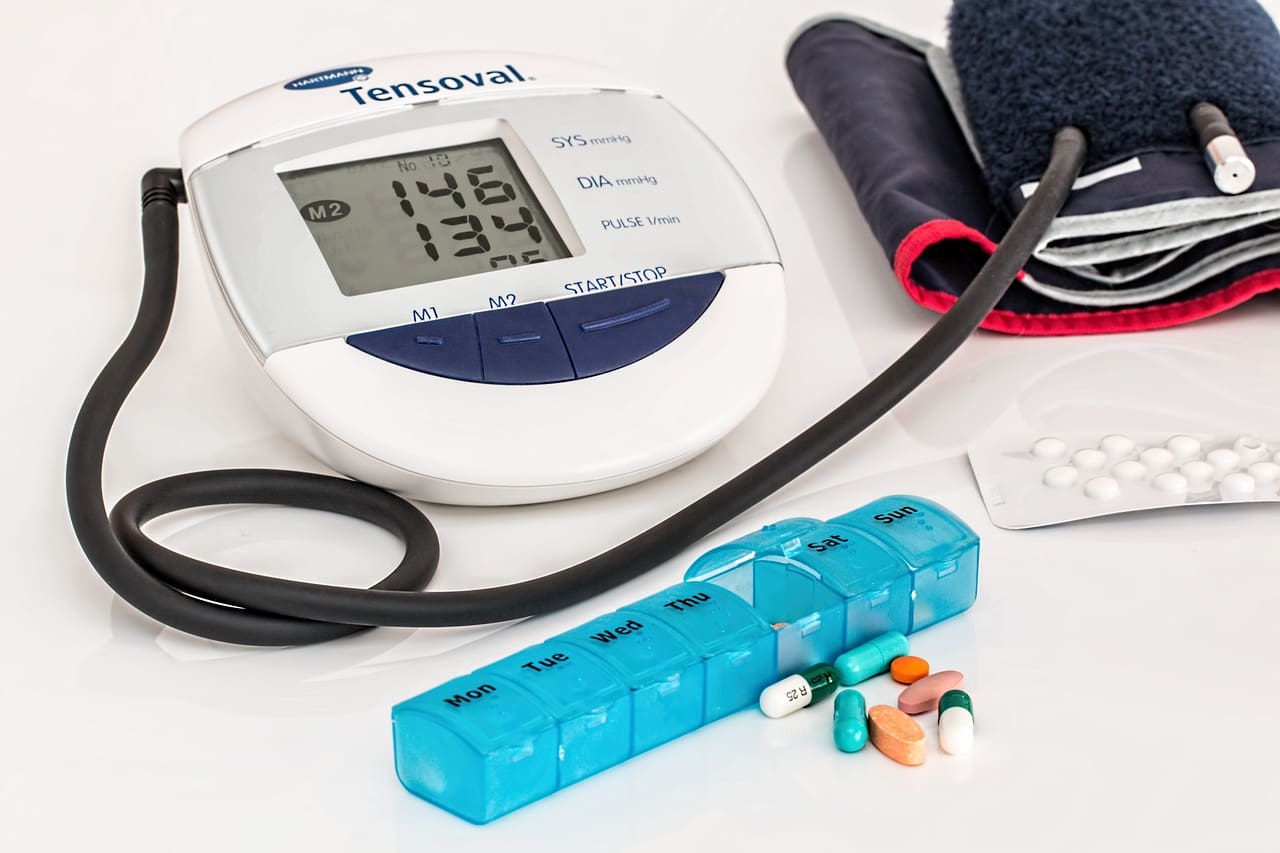
Blood pressure screening is a quick and painless test that measures the force of blood against the walls of your arteries. High blood pressure, also known as hypertension, can increase your risk of heart disease, stroke, and other serious health conditions. It is important to regularly monitor your blood pressure and take steps to keep it within a healthy range.
Cholesterol Screening
Cholesterol screening is a test that measures the levels of cholesterol in your blood. High cholesterol levels can lead to the buildup of plaque in your arteries, increasing your risk of heart disease and stroke. By getting regular cholesterol screenings, you can take steps to manage your cholesterol levels and reduce your risk of developing these conditions.
Colon Cancer Screening
Colon cancer screening is a test that looks for signs of colon cancer or pre-cancerous polyps in the colon or rectum. Early detection of colon cancer can greatly improve the chances of successful treatment. It is recommended that adults over the age of 45 get regular colon cancer screenings to help prevent the development of this potentially life-threatening disease.
When Should You Start Getting Preventive Health Screenings?
The recommended screening guidelines may vary depending on your age, gender, and risk factors. It is important to talk to your healthcare provider about when you should start getting preventive health screenings and how often you should get them.
Women’s Preventive Health Screenings
Women should start getting regular preventive health screenings such as mammograms, Pap tests, and bone density screenings at different ages depending on their risk factors and medical history. It is important for women to work with their healthcare provider to develop a screening plan that is tailored to their individual needs.
Men’s Preventive Health Screenings
Men should also start getting regular preventive health screenings such as prostate cancer screenings, testicular exams, and colorectal cancer screenings at certain ages depending on their risk factors and medical history. By working with their healthcare providers, men can create a screening plan that is designed to keep them healthy and catch any potential issues early on.
How Can Preventive Health Screenings Benefit You?
Preventive health screenings can provide several benefits that can help you maintain good health and well-being. From early detection of diseases to lifestyle modifications, regular screenings can play a crucial role in preventing serious health issues and improving your quality of life.
Early Detection of Diseases
One of the key benefits of preventive health screenings is the early detection of diseases and conditions. By catching health issues early on, you have a better chance of successful treatment and recovery. Regular screenings can help identify risk factors and warning signs that may not be apparent otherwise.
Lifestyle Modifications
Regular health screenings can also help you make necessary lifestyle modifications to improve your health. For example, if you have high blood pressure or high cholesterol levels, your healthcare provider may recommend changes to your diet and exercise routine to help manage these conditions. By following these recommendations, you can reduce your risk of developing serious health problems in the future.
Peace of Mind
Knowing that you are taking proactive steps to safeguard your health can provide you with peace of mind. By staying up-to-date on your preventive health screenings, you can feel confident that you are doing everything you can to stay healthy and well. This sense of reassurance can help reduce stress and anxiety related to your health.

How Can You Prepare for Preventive Health Screenings?
Before you undergo any preventive health screenings, there are several steps you can take to prepare and ensure that you get accurate results.
Talk to Your Healthcare Provider
Before scheduling any screenings, it is important to talk to your healthcare provider about your medical history, risk factors, and any concerns you may have. Your healthcare provider can help determine which screenings are appropriate for you and how often you should get them.
Follow Any Pre-Screening Instructions
Depending on the type of screening you are getting, you may need to follow specific instructions to prepare for the test. This may include fasting before a blood test, avoiding certain medications, or making other lifestyle changes leading up to the screening. It is important to follow these instructions carefully to ensure accurate results.
Keep Track of Your Screening Results
After you undergo a preventive health screening, make sure to keep track of your results and follow up with your healthcare provider if you have any questions or concerns. Your healthcare provider can help you interpret your results and develop a plan for next steps if any abnormalities are detected.
Take Charge of Your Health with Preventive Health Screenings
Taking charge of your health starts with regular preventive health screenings. By staying up-to-date on recommended screenings and working closely with your healthcare provider, you can take proactive steps to maintain good health and prevent serious health issues. Remember, your health is in your hands, and preventive health screenings can be a valuable tool in helping you live a healthier, happier life. So, schedule your next health screening today and take the first step towards a healthier future!