
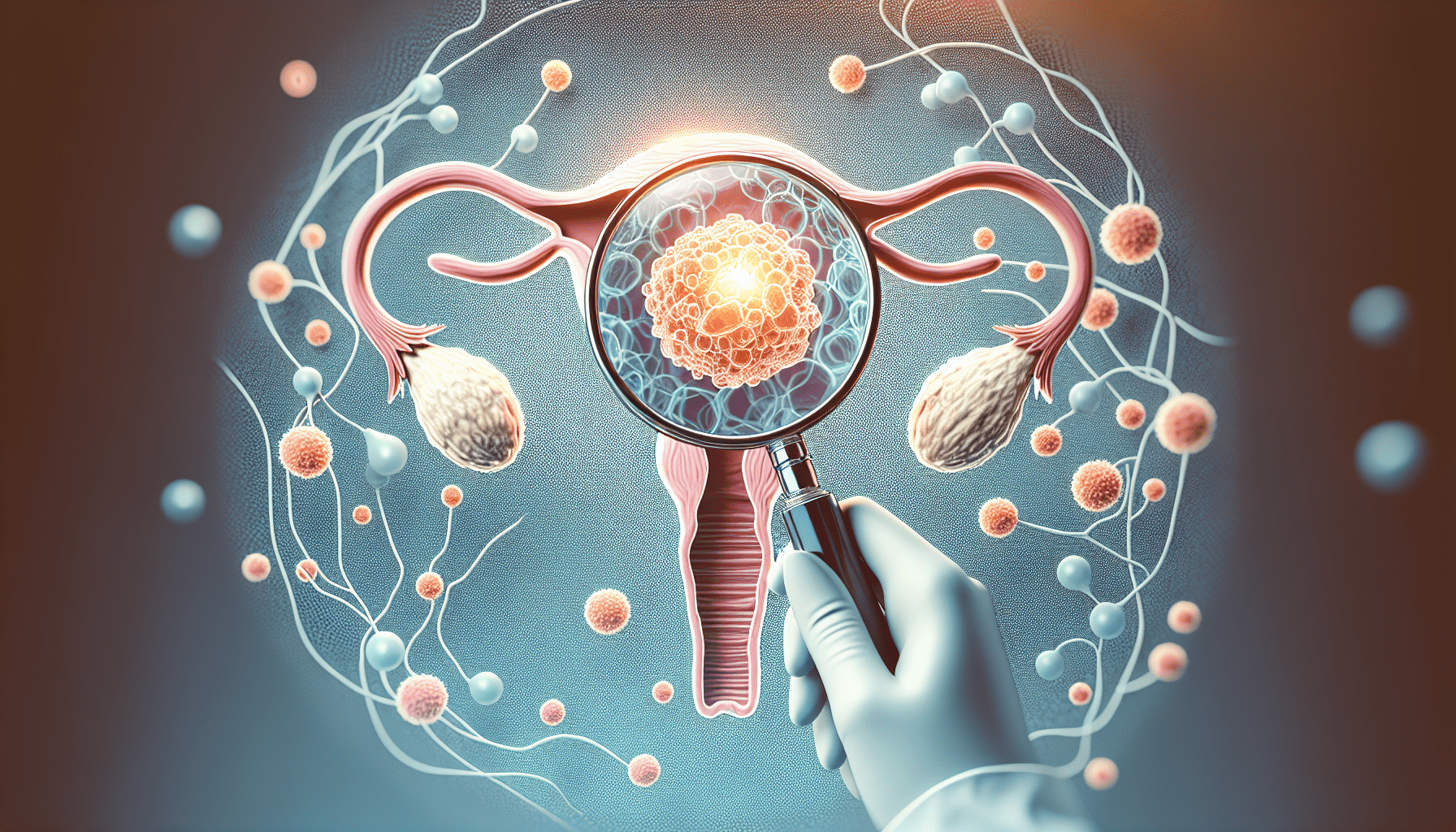
Regular Pap smears are crucial for maintaining optimal women’s health. This article highlights the significance of undergoing regular Pap smears and why they should never be overlooked. By detecting any abnormalities or signs of cervical cancer at its early stages, Pap smears not only contribute to early diagnosis and successful treatment but also provide peace of mind. Exploring the benefits and guidelines of regular Pap smears, this article serves as a friendly reminder to prioritize your well-being and take proactive steps towards safeguarding your health.
Early Detection of Cervical Cancer
Reduced Mortality Rates
Regular Pap smears play a crucial role in the early detection of cervical cancer, which ultimately leads to reduced mortality rates. By identifying abnormal cells in the cervix before they develop into cancer, Pap smears enable healthcare providers to intervene promptly and provide timely treatment. With early detection, the chances of successful treatment are significantly higher, giving individuals a better prognosis and increasing their chances of survival.
Increased Treatment Options
Early detection through Pap smears also allows for a wider range of treatment options. When cervical cancer is detected in its early stages, treatment can be less invasive and more effective. This means that individuals have the opportunity to explore various treatment modalities, such as surgery, radiation, or chemotherapy, depending on the stage and extent of the cancer. The earlier the cancer is detected, the more treatment options are available, leading to improved outcomes for patients.
Screening for Human Papillomavirus (HPV)
Detecting High-Risk HPV Infections
Regular Pap smears are not only crucial for detecting cervical cancer but also for identifying high-risk Human Papillomavirus (HPV) infections. HPV is the most common sexually transmitted infection and is a leading cause of cervical cancer. Pap smears can detect the presence of high-risk HPV strains, allowing healthcare providers to take necessary precautions and provide appropriate interventions to prevent the development of cervical cancer.
Identifying Risk for Cervical Cancer
In addition to detecting high-risk HPV infections, Pap smears also help identify individuals at higher risk for developing cervical cancer. Certain factors, such as a history of previous abnormal Pap smears, smoking, or a weakened immune system, can increase the likelihood of developing cervical cancer. By undergoing regular Pap smears, individuals can be informed of their risk factors and take necessary preventive measures or undergo more frequent screenings to monitor their cervical health closely.
Detection of Precancerous Changes
Identifying Cervical Dysplasia
Regular Pap smears are instrumental in identifying precancerous changes in the cervix, known as cervical dysplasia. Cervical dysplasia refers to abnormal cell growth that can eventually progress to cervical cancer if left untreated. Pap smears can detect the presence of these abnormal cells, allowing healthcare providers to intervene early and prevent the progression of dysplasia into cancer. Early detection and treatment of cervical dysplasia can halt the advancement of the disease while preserving the individual’s long-term health.
Preventing Development into Cancer
By detecting precancerous changes, Pap smears offer the opportunity for early intervention, preventing the development of cervical cancer. Treatments for cervical dysplasia, such as cryotherapy, laser ablation, or surgical excision, are highly effective in removing abnormal cells and reducing the risk of cancer. Regular Pap smears enable healthcare providers to monitor the progression of dysplasia and ensure that appropriate interventions are implemented to prevent the development of cancer.
Monitoring the Effectiveness of Treatment
Evaluating Response to Interventions
Apart from their role in early detection, Pap smears are valuable in monitoring the effectiveness of treatment for cervical cancer or precancerous changes. Following the initiation of treatment, regular Pap smears allow healthcare providers to assess how well the interventions are working and make necessary adjustments if required. Monitoring the response to treatment ensures that individuals receive the most appropriate care and that their progress is closely monitored for optimal outcomes.
Managing Recurrences
In cases where cervical cancer recurs or precancerous changes reoccur, Pap smears are essential for detecting these developments. Regular screenings help identify potential recurrences at earlier stages, enabling healthcare providers to intervene promptly and provide necessary treatment. By closely monitoring the effectiveness of treatment and detecting recurrences, Pap smears allow for proactive and targeted management of the disease, improving overall outcomes for individuals.
Detecting Non-Cancerous Conditions
Diagnosing Infections or Inflammation
Pap smears are not solely focused on detecting cancerous changes but can also diagnose non-cancerous conditions. Infections, such as yeast or bacterial infections, can cause inflammation and abnormal cell changes in the cervix, resembling precancerous or cancerous cells. By identifying these non-cancerous conditions, Pap smears ensure appropriate treatment is provided, relieving discomfort and preventing unnecessary worry or anxiety.
Identifying Non-Cancerous Growths
Alongside infections and inflammation, Pap smears can also help identify non-cancerous growths in the cervix. Polyps, which are small, benign growths, can sometimes develop in the cervix and mimic cancerous changes. Through regular screenings, these growths can be detected and differentiated from cancer, providing individuals with peace of mind and ensuring appropriate management is undertaken if necessary.
Providing Peace of Mind
Reducing Anxiety and Worry
One of the significant advantages of regular Pap smears is their ability to reduce anxiety and worry about cervical health. By undergoing these screenings at recommended intervals, individuals can gain reassurance that their cervix is healthy and free from any concerning or abnormal changes. The knowledge that they are actively monitoring their cervical health through regular screenings can alleviate fears and anxieties associated with potential health issues, promoting emotional well-being.
Reassurance of Healthy Cervical Health
A normal Pap smear result offers reassurance that an individual’s cervical health is well-maintained. Pap smears, even when they detect non-cancerous conditions, provide an opportunity for early management and treatment, ensuring continued good cervical health. By taking proactive steps in obtaining regular screenings, individuals can be confident in their healthy cervical status and overall well-being.
Education and Counseling Opportunities
Promoting Awareness and Knowledge
Regular Pap smears serve as an avenue for healthcare providers to promote awareness and knowledge about cervical health. During these screenings, healthcare professionals can provide information about cervical cancer prevention, risk factors, and the importance of regular screenings. By engaging in educational discussions, individuals can enhance their understanding of cervical health and make informed decisions about their care and overall well-being.
Discussing Sexual Health and Lifestyle Factors
Pap smears also offer an opportunity for healthcare providers to discuss sexual health and lifestyle factors that can impact cervical health. By initiating conversations about safe sex practices, contraception, or smoking cessation, healthcare providers can empower individuals to make positive changes and reduce the risk of developing cervical cancer or other cervical health issues. These discussions contribute to comprehensive healthcare and address the importance of holistic well-being.
Cost-Effective Health Intervention
Lowering Long-Term Healthcare Costs
Regular Pap smears are a cost-effective health intervention that reduces the burden of long-term healthcare costs. By detecting potential issues early, Pap smears allow for more affordable and less invasive treatments. The cost of preventive screenings is significantly lower than the expenses associated with advanced cancer treatment. By investing in regular Pap smears, individuals can potentially avoid the financial strain and emotional burden of intensive cancer treatments.
Preventing Expensive Cancer Treatments
Early detection through Pap smears also prevents the need for expensive cancer treatments. By identifying abnormal cells or precancerous changes early on, individuals have a greater chance of undergoing less intense treatment modalities. Advanced-stage cervical cancer often requires surgery, radiation, or chemotherapy, which can be financially draining. Regular Pap smears ensure timely interventions, reducing the likelihood of requiring more expensive and invasive treatments in the future.
Fostering Regular Healthcare Maintenance
Encouraging Routine Check-ups
Regular Pap smears serve as a gateway to inspiring and fostering regular healthcare maintenance overall. By scheduling and attending these screenings, individuals establish a routine for regular check-ups, promoting preventive healthcare practices. The habit of routine check-ups extends beyond cervical health, allowing individuals to address other aspects of their well-being and cultivate a comprehensive approach to healthcare.
Building Doctor-Patient Relationships
Through regular Pap smears, individuals have the opportunity to establish and strengthen their relationships with healthcare providers. These screenings require open communication and trust, leading to an understanding and supportive doctor-patient relationship. As individuals undergo regular screenings, they become more comfortable discussing their concerns, and healthcare providers can better tailor their care to address specific needs, ultimately enhancing the overall healthcare experience.
Promoting Overall Women’s Health
Addressing Comprehensive Wellness
Regular Pap smears play a significant role in addressing overall women’s health. While their primary focus is the prevention and early detection of cervical cancer, these screenings indirectly contribute to the comprehensive wellness of individuals. By actively participating in Pap smears, women are reminded and empowered to prioritize their health, leading to a more proactive approach in addressing other health concerns.
Supporting Reproductive Health
Pap smears are particularly crucial for supporting reproductive health in women. By regularly monitoring cervical health, individuals can ensure their reproductive system is functioning optimally. Early detection of abnormalities allows for timely treatment, which can preserve fertility and increase the chances of successful pregnancies. By promoting regular Pap smears, healthcare providers contribute to the overall well-being and reproductive health of individuals.
In conclusion, regular Pap smears are vital for early detection of cervical cancer, reducing mortality rates, and providing increased treatment options. These screenings also facilitate the identification of high-risk HPV infections and the recognition of individuals at higher risk for cervical cancer. Pap smears are instrumental in detecting precancerous changes, managing treatment effectiveness, and diagnosing non-cancerous conditions and growths. They offer peace of mind, educational opportunities, and cost-effective health interventions. Pap smears foster regular healthcare maintenance, strengthen doctor-patient relationships, and promote overall women’s health, supporting comprehensive wellness and reproductive health. By prioritizing regular Pap smears, individuals can take proactive steps towards their cervical health and well-being.