
Welcome to an article that highlights the crucial role of self-care in women’s mental health. In today’s fast-paced world, taking care of yourself might seem like a luxury, but it is a necessity, especially for women. By prioritizing self-care, you can improve your overall well-being, manage stress better, and maintain a positive mindset. This article will explore the various ways in which self-care can positively impact women’s mental health and provide practical tips on how to incorporate self-care practices into your daily routine. Stay tuned to learn how self-care can be a powerful tool in nurturing your mental health and achieving a sense of balance and happiness in your life. Have you ever stopped to consider the impact of self-care on your mental health as a woman? Taking care of yourself is not just a luxury, but a necessity for your overall well-being. In this article, we’ll explore the importance of self-care for women’s mental health and provide you with practical tips on how you can incorporate self-care into your daily routine. Let’s dive in!

What is Self-Care?
Self-care encompasses any activity that you deliberately do to take care of your mental, emotional, and physical health. It’s about taking time to prioritize your own needs and well-being, instead of constantly putting others first. Self-care is not selfish; it’s essential for maintaining balance in your life and preventing burnout.
Why is Self-Care Important for Women’s Mental Health?
Women often face unique challenges that can take a toll on their mental health. From juggling multiple roles as caregivers, providers, and nurturers to dealing with societal pressures regarding appearance and success, women are more susceptible to stress, anxiety, and depression. This is where self-care plays a crucial role in helping women manage their mental health effectively.
By practicing self-care, you are giving yourself permission to rest, recharge, and rejuvenate. This, in turn, helps lower stress levels, improve mood, boost self-esteem, and cultivate a sense of self-worth. Self-care also enables you to set boundaries, prioritize your needs, and develop healthier coping mechanisms for dealing with life’s challenges.
Types of Self-Care Activities
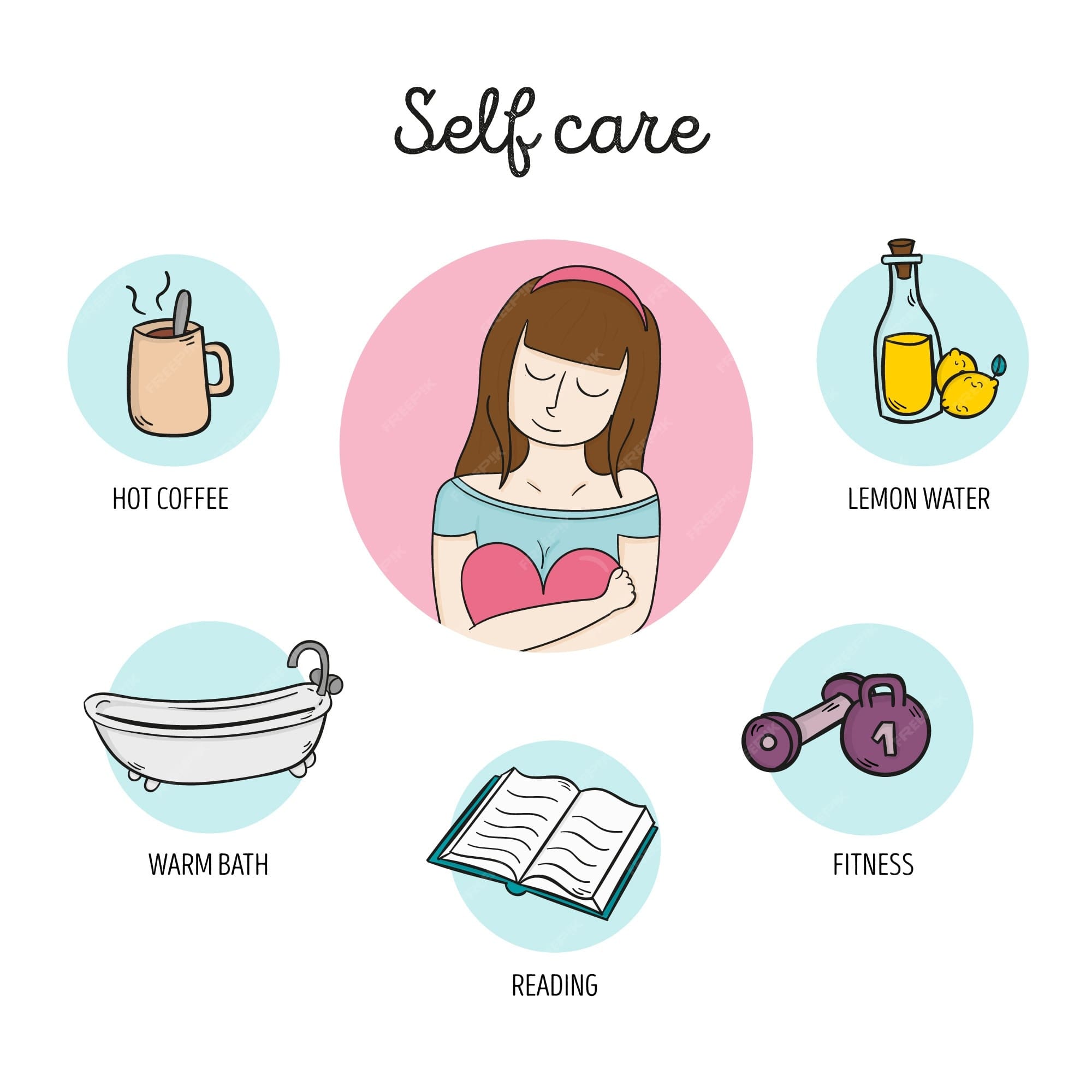
Self-care is not a one-size-fits-all concept. What works for one person may not work for another. It’s essential to find self-care activities that resonate with you and bring you joy and relaxation. Here are some common types of self-care activities that you can explore:
| Type of Self-Care | Description |
|---|---|
| Physical Self-Care | Activities that nourish your body, such as exercise, healthy eating, adequate sleep, and regular medical check-ups. |
| Emotional Self-Care | Practices that promote emotional well-being, like journaling, therapy, meditation, and expressing your feelings to loved ones. |
| Social Self-Care | Connecting with supportive friends and family, joining social groups, and setting healthy boundaries with toxic relationships. |
| Mental Self-Care | Engaging in activities that stimulate your mind, such as reading, puzzles, learning new skills, and practicing mindfulness. |
| Spiritual Self-Care | Cultivating your spiritual beliefs through prayer, meditation, nature walks, and engaging in activities that align with your values. |
| Creative Self-Care | Tapping into your creativity through art, music, writing, or any other form of self-expression that brings you joy. |
How to Incorporate Self-Care Into Your Daily Routine
Now that you have an idea of the different types of self-care activities, it’s time to make self-care a priority in your daily life. Here are some practical tips to help you incorporate self-care into your routine:
-
Schedule self-care time: Make self-care a non-negotiable part of your daily or weekly schedule. Block off time in your calendar for self-care activities and treat it as you would any other important appointment.
-
Start small: If you’re new to self-care, don’t overwhelm yourself with a long list of activities. Start with one or two self-care practices that you enjoy and gradually add more as you go.
-
Set boundaries: Learn to say no to things that drain your energy and make you feel overwhelmed. Setting boundaries with work, family, and social obligations is essential for prioritizing your well-being.
-
Practice self-compassion: Be kind to yourself and treat yourself with the same care and respect that you would give to a friend. Remember that it’s okay to take a break and focus on yourself.
-
Get creative: Don’t be afraid to experiment with different self-care activities until you find what works best for you. Mix and match activities from different categories and tailor your self-care routine to suit your preferences.

The Benefits of Self-Care for Women’s Mental Health
The benefits of practicing self-care extend beyond just feeling good in the moment. Regular self-care can have a profound impact on your mental health and overall well-being. Here are some of the benefits of self-care for women:
-
Stress reduction: Engaging in self-care activities can help lower cortisol levels, reduce stress, and promote relaxation. Taking a break from the demands of daily life allows your body and mind to unwind and recharge.
-
Improved mood: Self-care has been shown to boost mood and feelings of happiness. Whether it’s indulging in a hobby, spending time in nature, or pampering yourself, taking time for self-care can elevate your mood and increase feelings of contentment.
-
Better emotional regulation: By practicing self-care regularly, you can improve your emotional resilience and develop healthy coping skills. This, in turn, can help you navigate challenging situations with more ease and grace.
-
Enhanced self-esteem: Taking care of yourself sends a powerful message that you value your well-being and deserve to be treated with kindness and respect. This can lead to increased self-esteem and a more positive self-image.
-
Increased productivity: When you prioritize self-care, you are better equipped to handle daily tasks and responsibilities. By taking care of your physical, emotional, and mental health, you can boost your energy levels, focus, and productivity.
Overcoming Common Barriers to Self-Care
Despite the numerous benefits of self-care, many women struggle to prioritize self-care in their lives due to various barriers. Understanding these barriers and finding ways to overcome them is crucial for establishing a sustainable self-care routine. Here are some common barriers to self-care and tips for overcoming them:
Lack of Time
Feeling like you don’t have enough time for self-care is one of the most common barriers women face. Between work, family, and other obligations, it’s easy to put self-care on the back burner. However, making time for self-care is essential for your well-being.
Tip: Start by identifying pockets of time in your schedule that you can dedicate to self-care. This might mean waking up 15 minutes earlier to meditate, taking a break during your workday to go for a short walk, or winding down in the evening with a relaxing bath. Remember that self-care doesn’t have to be time-consuming; even small actions can make a big difference.
Guilt
Many women struggle with feelings of guilt when it comes to taking time for themselves. They may feel selfish for prioritizing their needs over others or worry about neglecting their responsibilities.
Tip: Remember that self-care is not selfish; it’s a necessary part of maintaining your well-being. Just like you would make time to take care of a loved one, it’s important to make time to care for yourself. By practicing self-care, you will be better equipped to show up fully for others and fulfill your responsibilities.
Lack of Resources
Some women believe that self-care requires expensive spa treatments, fancy retreats, or luxurious products, making it seem out of reach. However, self-care doesn’t have to be costly or extravagant.
Tip: Get creative and explore free or low-cost self-care activities that align with your interests. Whether it’s going for a walk in nature, practicing yoga at home, listening to music, or cooking a nourishing meal, there are plenty of affordable ways to practice self-care. Remember, self-care is about nourishing your mind, body, and soul, not your bank account.
Perfectionism
Perfectionism can be a major barrier to self-care, as women often feel the pressure to do self-care “perfectly” or meet unrealistic expectations. This all-or-nothing mindset can lead to feelings of failure and prevent women from engaging in self-care altogether.
Tip: Let go of the idea of perfection and embrace self-care as a journey, not a destination. It’s okay to have off days or not stick to your self-care routine every day. Be kind to yourself and approach self-care with a mindset of curiosity and flexibility. Remember that self-care is about progress, not perfection.
Self-Care Tips for Busy Women
As a busy woman juggling multiple responsibilities, finding time for self-care can feel like a challenge. However, with some creativity and intentionality, you can incorporate self-care into your daily routine. Here are some self-care tips for busy women:
-
Mindful breathing: Take a few minutes throughout the day to practice deep breathing or mindfulness meditation. Close your eyes, focus on your breath, and let go of any tension or stress.
-
Mini breaks: Schedule short breaks throughout your day to step away from your work or tasks. Use this time to stretch, walk around, or simply rest and recharge.
-
Move your body: Incorporate movement into your day, whether it’s a quick workout, a brisk walk, or a dance break. Physical activity can help boost your mood, energy levels, and overall well-being.
-
Unplug: Take a break from screens and technology to give your mind a rest. Disconnecting from digital devices can help reduce stress and improve your focus.
-
Practice gratitude: Take a moment each day to reflect on what you’re grateful for. Gratitude can shift your perspective, increase positivity, and enhance your overall well-being.
-
Delegate tasks: Don’t be afraid to ask for help or delegate tasks to others. Prioritizing your well-being means recognizing when you need support and allowing others to assist you.
Making Self-Care a Priority
Incorporating self-care into your daily routine requires intention, commitment, and practice. Here are some strategies to help you make self-care a priority in your life:
-
Set boundaries: Learn to say no to things that don’t align with your values or drain your energy. Setting boundaries is essential for protecting your time and well-being.
-
Create a self-care routine: Develop a self-care routine that includes a mix of activities you enjoy and find beneficial. Make self-care a daily habit, just like brushing your teeth or eating breakfast.
-
Accountability: Share your self-care goals and intentions with a friend, partner, or therapist who can support you in staying accountable. Having someone to check in with can help you stay on track with your self-care practice.
-
Self-reflection: Take time to reflect on your self-care habits and evaluate what’s working and what’s not. Adjust your self-care routine as needed to better meet your needs and preferences.
-
Celebrate your progress: Acknowledge and celebrate your efforts in prioritizing self-care. Recognize the positive impact that self-care has on your mental health and overall well-being.
By making self-care a priority in your life, you are investing in your mental health, happiness, and quality of life. Remember that self-care is not a luxury but a necessity for thriving as a woman in today’s fast-paced world. Embrace self-care as a way to honor yourself, nourish your soul, and cultivate resilience in the face of life’s challenges.
Conclusion
In conclusion, self-care is an essential component of women’s mental health and well-being. By prioritizing self-care, you can alleviate stress, boost mood, improve emotional regulation, and enhance self-esteem. Self-care is not a selfish act but a necessary practice for maintaining balance, happiness, and resilience in your life.
I hope this article has provided you with valuable insights into the importance of self-care for women’s mental health and inspired you to make self-care a priority in your daily life. Remember that you deserve to take care of yourself and prioritize your well-being. Start small, be kind to yourself, and embrace self-care as a powerful tool for cultivating a healthier and happier life. You are worth it!