
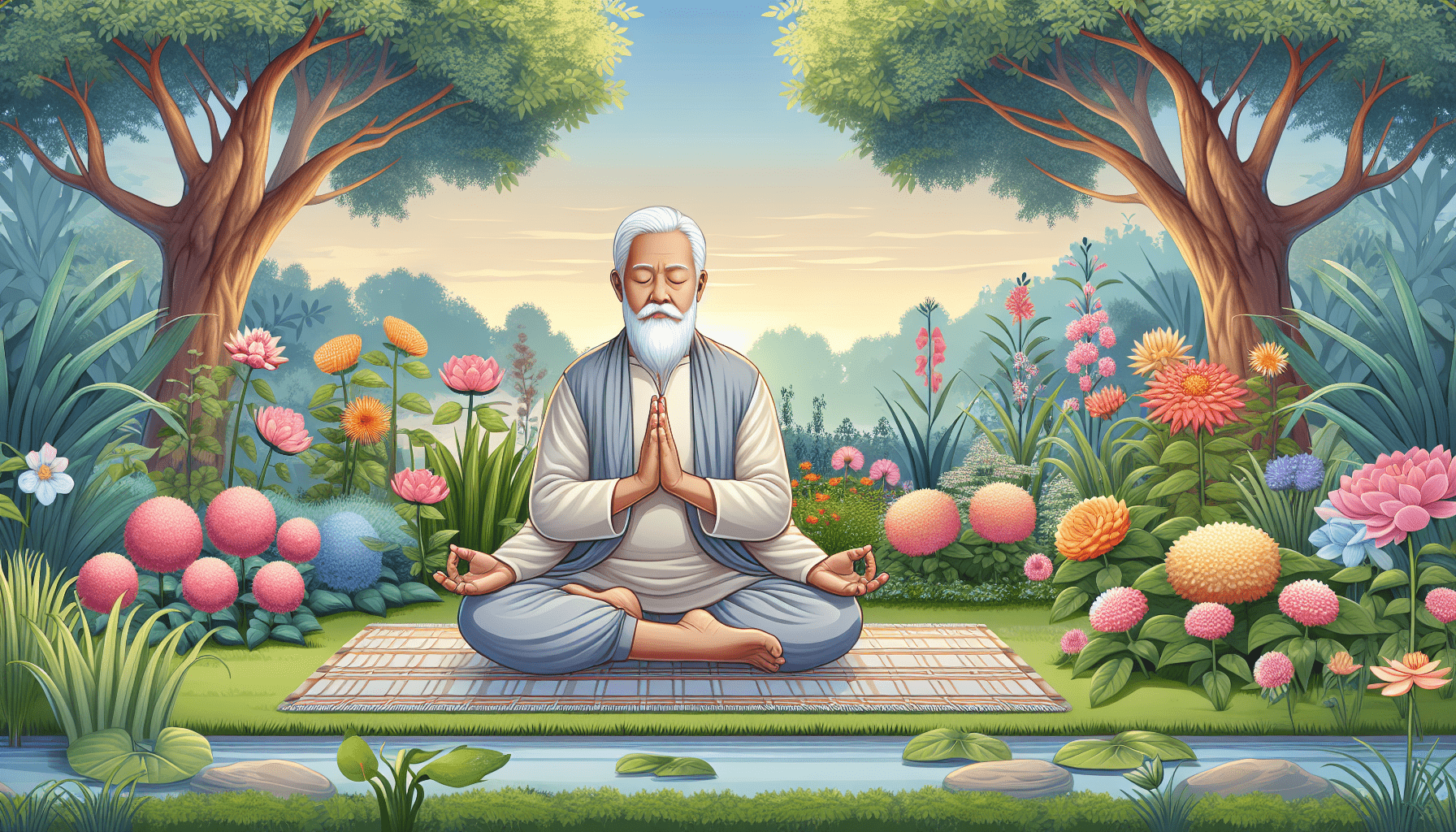
Welcome to an article that will guide you on the importance of self-care in your senior years. Taking care of yourself should always be a top priority, especially as you age. This article will explore the benefits of self-care in helping you maintain your health and well-being during your golden years. From physical exercise to mental health practices, we will discuss various ways you can indulge in self-care and lead a fulfilling life as a senior. Stay tuned for valuable insights and tips on prioritizing self-care as you navigate through your senior years. Have you ever stopped to think about how important self-care is as you age? Many people tend to neglect their own well-being as they get older, but taking care of yourself is crucial for your overall health and quality of life. In this article, we will explore the significance of self-care in your senior years and provide you with tips on how to prioritize it.
Why Self-Care Matters in Your Senior Years
As you age, it becomes even more important to take care of yourself. Self-care is not just about pampering yourself; it is about making choices that promote your physical, mental, and emotional well-being. By practicing self-care regularly, you can improve your quality of life, maintain your independence, and prevent health issues down the road.
How Self-Care Impacts Your Physical Health
Taking care of your physical health is essential as you age. Engaging in regular exercise, eating a balanced diet, getting enough sleep, and staying hydrated are all important aspects of self-care that can have a significant impact on your overall physical well-being. By prioritizing your physical health, you can reduce your risk of developing chronic conditions such as heart disease, diabetes, and osteoporosis.
How Self-Care Impacts Your Mental Health
Your mental health is just as important as your physical health, especially in your senior years. Practicing self-care can help reduce stress, anxiety, and depression, and improve your overall mood and outlook on life. Taking time for activities that you enjoy, such as reading, gardening, or spending time with loved ones, can have a positive impact on your mental well-being.
How Self-Care Impacts Your Emotional Health
Emotional well-being is another important aspect of self-care that should not be overlooked. It is normal to experience a range of emotions as you age, but taking care of your emotional health can help you cope with life’s challenges more effectively. Practicing self-care strategies such as mindfulness, journaling, or talking to a therapist can help you process your emotions and cultivate a strong sense of emotional well-being.

Tips for Practicing Self-Care in Your Senior Years
Now that you understand the importance of self-care in your senior years, let’s explore some practical tips for incorporating self-care into your daily routine.
Establish a Self-Care Routine
Creating a self-care routine that works for you is essential for maintaining your well-being as you age. Consider incorporating activities such as meditation, gentle exercise, or spending time in nature into your daily schedule. By establishing a self-care routine, you can make self-care a priority and reap the benefits of consistent practice.
Prioritize Physical Activity
Staying active is crucial for maintaining your physical health as you age. Engaging in regular exercise can help improve your strength, flexibility, and balance, reducing your risk of falls and injuries. Consider activities such as walking, swimming, or yoga, which are gentle on the joints and can be easily incorporated into your routine.
Eat a Balanced Diet
Eating a nutritious diet is another important aspect of self-care for seniors. Consuming a variety of fruits, vegetables, whole grains, and lean proteins can help support your overall health and well-being. Aim to limit your intake of processed foods, sugary snacks, and unhealthy fats, which can contribute to chronic conditions such as obesity and heart disease.
Get Plenty of Rest
Getting enough quality sleep is essential for your physical and mental health. Aim to establish a consistent sleep schedule and create a relaxing bedtime routine to help you unwind and prepare for sleep. If you are having trouble sleeping, consider practicing relaxation techniques such as deep breathing, meditation, or gentle stretching before bed.
Stay Connected with Others
Maintaining social connections is crucial for your emotional well-being as you age. Spending time with friends, family, and loved ones can help combat feelings of loneliness and isolation and provide you with a strong support system. Consider joining a club, volunteer organization, or social group to stay connected and engaged with others.
Practice Mindfulness and Stress Management
Mindfulness and stress management techniques can help you cope with the challenges of aging more effectively. Consider practicing mindfulness meditation, yoga, or tai chi to cultivate a sense of inner peace and calm. These practices can help you reduce stress, anxiety, and depression and improve your overall well-being.

Conclusion
In conclusion, self-care is essential for maintaining your health and well-being in your senior years. By prioritizing your physical, mental, and emotional health, you can improve your quality of life, maintain your independence, and prevent health issues down the road. Incorporating self-care practices such as regular exercise, nutritious eating, and mindfulness can help you age gracefully and enjoy your golden years to the fullest. Remember, your well-being is worth investing in, so make self-care a priority in your daily life.
