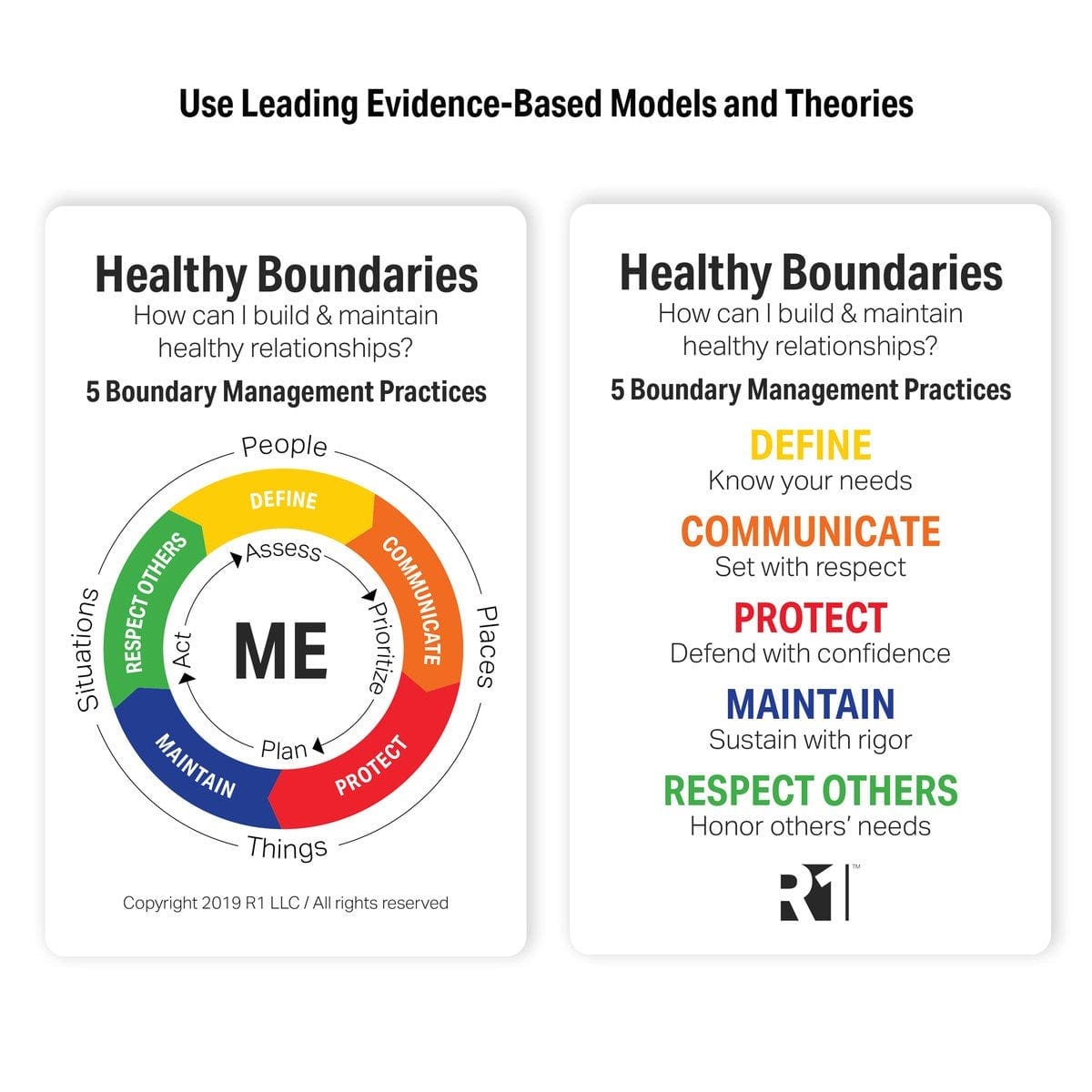
Welcome to an article that will explore the importance of setting and respecting personal boundaries for your mental health. By understanding and implementing healthy boundaries in your relationships and daily interactions, you can protect your well-being, maintain a sense of self-respect, and cultivate positive and fulfilling connections with others. Let’s delve into how establishing boundaries can lead to improved mental health and overall happiness in your life. Have you ever found yourself feeling overwhelmed, stressed, or anxious in your relationships with others? It may be time to take a closer look at your personal boundaries. Setting and respecting personal boundaries is crucial for maintaining good mental health and overall well-being. Let’s explore the importance of boundaries and how you can establish them in your own life.

What are Personal Boundaries?
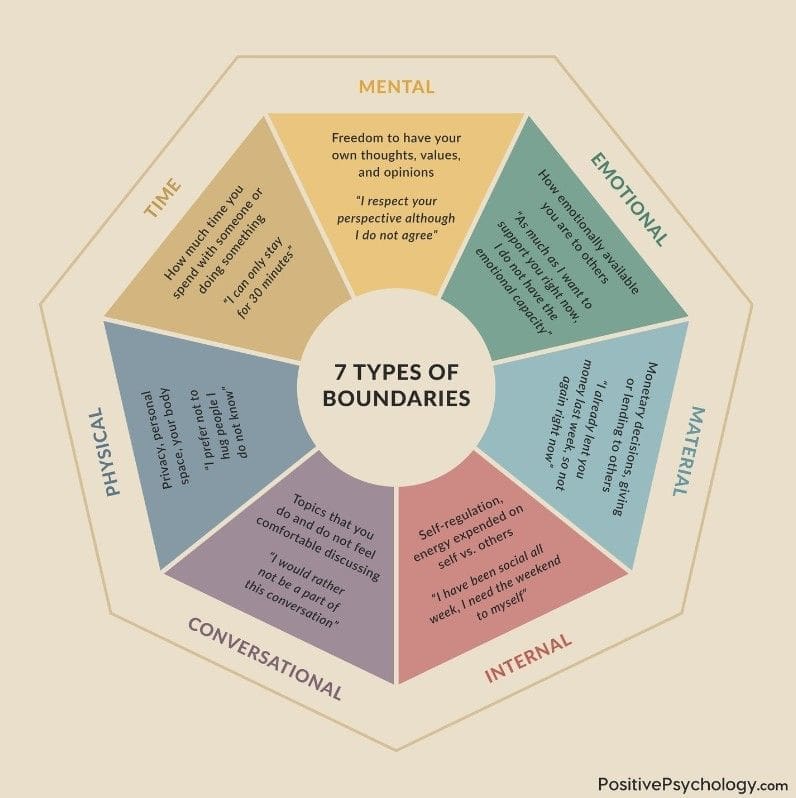
Personal boundaries are the guidelines, rules, or limits that a person creates to identify what is reasonable, safe, and permissible ways for others to behave towards them. They are an essential part of healthy relationships and self-care. Boundaries can be physical, emotional, mental, or even spiritual.
Setting boundaries allows you to establish your needs, preferences, and limits while respecting the needs and limits of others. When you have clear boundaries, you can communicate your expectations effectively and steer away from unhealthy or toxic relationships.
Boundaries are Not Selfish
It’s important to understand that setting boundaries is not a selfish act. In fact, creating boundaries is an act of self-love and self-preservation. By establishing boundaries, you are showing respect for yourself and your needs, which is essential for maintaining your mental health and well-being. Remember, you have the right to prioritize your own needs and set limits on what you are comfortable with in your interactions with others.
Why Are Personal Boundaries Important?
Personal boundaries play a crucial role in protecting your mental and emotional well-being. Without boundaries, you may end up feeling overwhelmed, stressed, anxious, or even resentful in your relationships. Here are some reasons why setting and respect personal boundaries are vital for your mental health:
Protection from Harmful Relationships
Boundaries act as a shield against toxic or unhealthy relationships. When you have clear boundaries, you can identify red flags in relationships and protect yourself from being taken advantage of, manipulated, or abused. Setting boundaries can help you maintain your emotional safety and well-being.
Self-Esteem and Self-Respect
Establishing and respecting personal boundaries is essential for building healthy self-esteem and self-respect. When you set boundaries, you are affirming your self-worth and showing others how you expect to be treated. By respecting your boundaries, you are sending a message that you deserve to be valued and respected.
Stress Reduction
Boundaries can help reduce stress and anxiety in your interactions with others. When you set clear boundaries, you can avoid taking on responsibilities that are not yours, saying yes to things you don’t want to do, or overextending yourself. By establishing boundaries, you can create a sense of balance and peace in your relationships.
Improved Communication
Setting boundaries encourages open and honest communication with others. When you clearly express your needs, expectations, and limits, you can foster healthier and more authentic connections. Boundaries help avoid misunderstandings, conflicts, and resentment in relationships, leading to better communication and understanding.
Signs You Need to Establish Personal Boundaries
Do you find yourself feeling drained, resentful, or overwhelmed in your relationships with others? It may be a sign that you need to establish clearer boundaries. Here are some common signs that indicate you may need to set and respect personal boundaries:
Feeling Taken Advantage Of
Do you often feel like others are taking advantage of your kindness, time, or resources without reciprocating? If you constantly find yourself giving more than you receive in relationships, it may be a sign that you need to establish boundaries to protect yourself from being exploited.
Difficulty Saying No
Do you struggle to say no to requests, favors, or commitments that you don’t want to do? If you frequently find yourself agreeing to things out of guilt, obligation, or fear of disappointing others, it may be time to set limits on what you are comfortable with and practice saying no when necessary.
Feeling Overwhelmed or Resentful
Do you feel overwhelmed, stressed, or resentful in your relationships with others? If you find yourself constantly sacrificing your own needs, desires, or well-being for the sake of others, it may indicate that you need to establish boundaries to protect your mental and emotional health.
How to Set and Respect Personal Boundaries
Establishing personal boundaries is an ongoing process that requires self-awareness, self-reflection, and assertiveness. Here are some practical steps you can take to set and respect personal boundaries in your relationships:
Identify Your Boundaries
Take some time to reflect on your needs, values, and limits. What are you comfortable with? What are your deal-breakers in relationships? Identifying your boundaries is the first step towards establishing clear, firm, and effective boundaries with others.
Communicate Your Boundaries Clearly
Once you have identified your boundaries, it’s essential to communicate them clearly to others. Be direct, assertive, and respectful when expressing your needs, limits, and expectations. Use “I” statements to assert your boundaries without blaming or criticizing others.
Practice Self-Awareness and Self-Care
Developing self-awareness and self-care practices can help you tune into your needs and recognize when your boundaries are being crossed. Pay attention to your feelings, emotions, and physical sensations, and prioritize your well-being by setting aside time for self-care activities that recharge and rejuvenate you.
Learn to Say No
Saying no is a vital skill when it comes to setting boundaries. Practice saying no to things that don’t align with your values, needs, or limits. Remember, you don’t have to justify or explain your boundaries to others. Saying no is your right, and you don’t owe anyone an apology for asserting your limits.
Set Consequences for Boundary Violations
It’s essential to establish consequences for boundary violations to reinforce the importance of respecting your limits. Communicate clearly with others about the consequences of crossing your boundaries and follow through with those consequences if needed. Setting consequences helps deter others from disregarding your boundaries and shows that you are serious about maintaining them.
Seek Support and Professional Help
If you’re struggling to set or respect personal boundaries, don’t hesitate to seek support from friends, family, or a therapist. Talking to a trusted person can help you gain perspective, validate your feelings, and receive encouragement and guidance on how to establish healthier boundaries in your relationships. A therapist can also provide you with tools, strategies, and techniques to improve your boundary-setting skills and enhance your mental health.
Personal Boundaries in Different Relationships
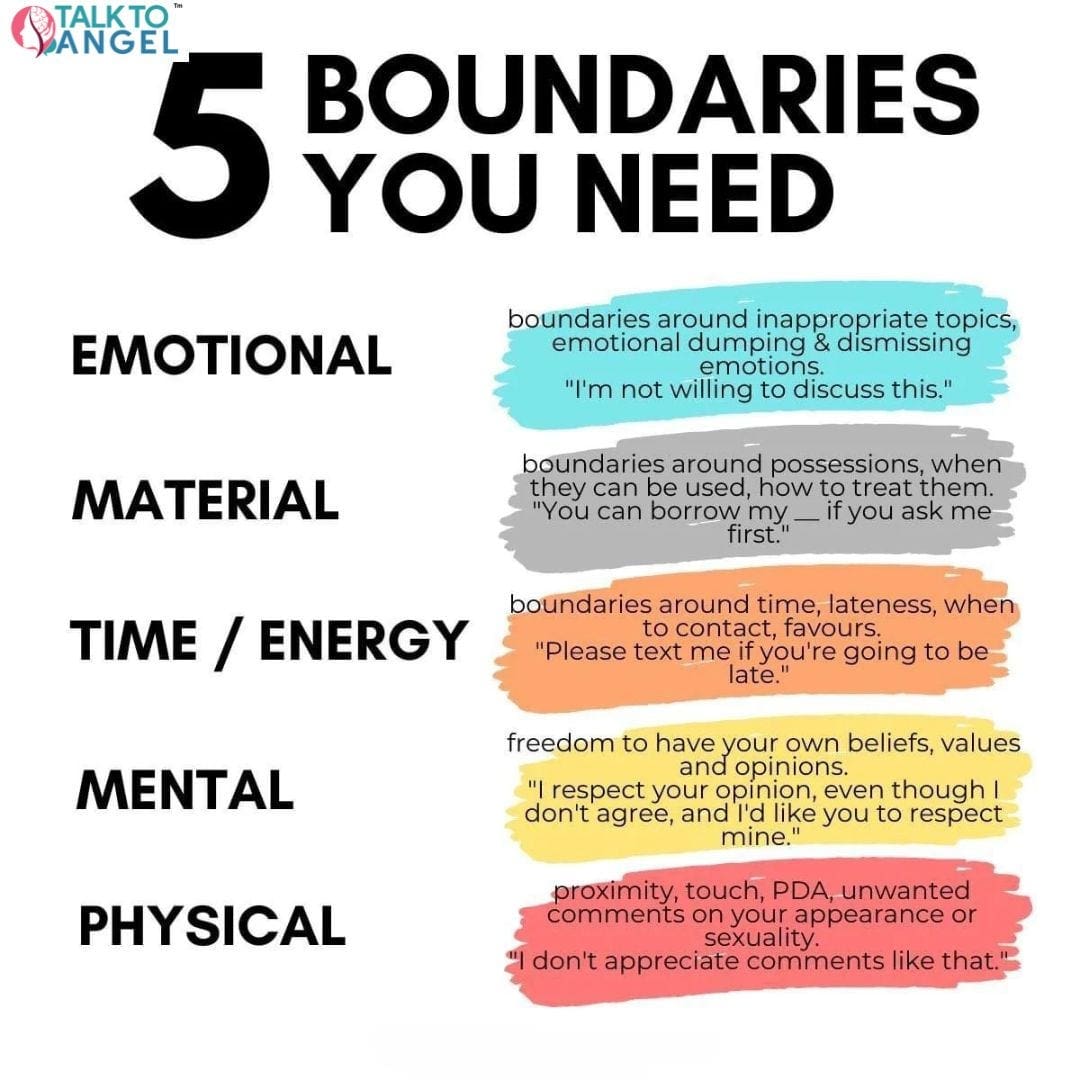
Personal boundaries are essential in all types of relationships, including romantic relationships, friendships, family relationships, and professional relationships. Here are some tips for setting boundaries in different areas of your life:
Romantic Relationships
In romantic relationships, it’s crucial to establish boundaries that define your needs, expectations, and deal-breakers. Communicate openly and honestly with your partner about your boundaries regarding communication, personal space, intimacy, and decision-making. Respect each other’s limits, and be willing to compromise and negotiate boundaries that work for both partners.
Friendships
Setting boundaries in friendships is essential for maintaining healthy and balanced connections. Clearly communicate your needs, availability, and boundaries with your friends. Be honest about what you’re comfortable with and what you’re not, and respect your friends’ boundaries in return. Remember, a true friend will understand and respect your limits.
Family Relationships
Establishing boundaries with family members can be challenging but necessary for your well-being. Be clear and assertive when setting boundaries with your family regarding topics such as privacy, communication, expectations, and emotional support. Remember that it’s okay to prioritize your needs and set limits on how much time and energy you invest in family relationships.
Professional Relationships
Setting boundaries in professional settings is essential for maintaining a healthy work-life balance and protecting your mental health. Clearly define your work boundaries with colleagues, supervisors, and clients regarding communication, workload, time management, and personal time off. Respect others’ boundaries in the workplace, and be assertive in advocating for your needs and limits.
Conclusion
Setting and respecting personal boundaries is vital for maintaining good mental health, self-care, and healthy relationships. By establishing clear, firm, and effective boundaries, you can protect yourself from harm, nurture your self-esteem, reduce stress, improve communication, and foster healthier connections with others. Remember, setting boundaries is an act of self-love and self-respect, and you have the right to prioritize your own needs and well-being. Take the time to identify your boundaries, communicate them clearly, practice self-awareness and self-care, learn to say no, and seek support if needed. By cultivating strong boundaries, you can create a foundation of respect, understanding, and authenticity in your relationships, leading to greater mental health and overall well-being.