As you enter your golden years, it becomes crucial to prioritize your spiritual wellness. While physical and mental health often take center stage, neglecting your spiritual well-being can have a significant impact on your overall quality of life. Embracing spirituality can provide a sense of purpose, meaning, and fulfillment, helping you navigate the challenges and uncertainties that come with aging. In this article, we will explore the importance of spiritual wellness in your golden years and discover ways to cultivate a deeper connection with your inner self and the world around you.

Definition of Spiritual Wellness
Understanding the concept of spiritual wellness
Spiritual wellness refers to a state of well-being that encompasses the connection and harmony between an individual’s inner self and their larger purpose in life. It involves recognizing and embracing one’s values, beliefs, and sense of meaning, and finding fulfillment in these aspects of their existence. Spiritual wellness goes beyond religious beliefs and practices and encompasses a broader understanding of the human experience.
Exploring its components and dimensions
Spiritual wellness comprises several components and dimensions that contribute to an individual’s overall well-being. These components include self-reflection, personal growth, connection with a higher power or source of inspiration, the cultivation of inner peace and contentment, and engagement with meaningful activities and relationships. It involves finding balance and alignment between the physical, emotional, mental, and spiritual aspects of one’s life.
Benefits of Spiritual Wellness in Golden Years
Enhanced sense of purpose and meaning
As individuals age, they often experience a shift in priorities and a need for greater purpose and meaning in their lives. Spiritual wellness can provide a powerful sense of direction, giving individuals a deeper understanding of their life’s purpose. This enhanced sense of purpose can bring a greater sense of fulfillment and satisfaction in the golden years.
Improved mental and emotional well-being
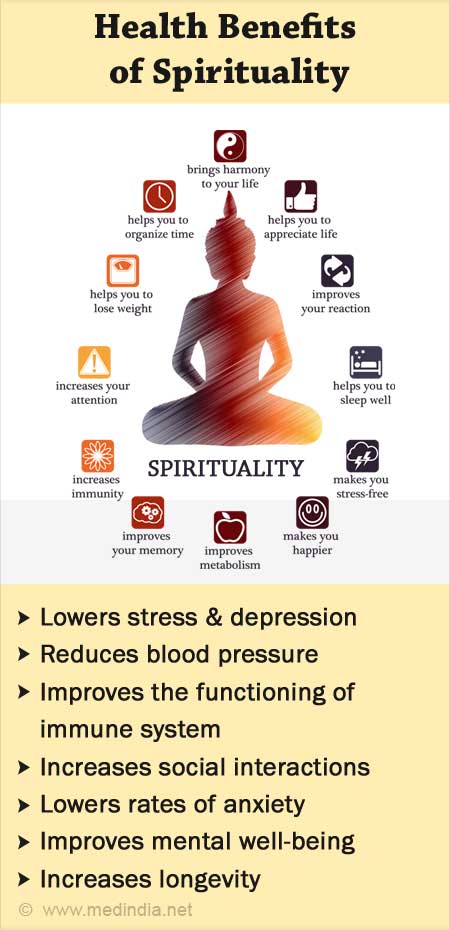
Spiritual wellness has been found to have a positive impact on mental and emotional well-being. Engaging in spiritual practices and rituals can help reduce stress, anxiety, and depression. It can provide a sense of calm and tranquility, improving overall mental health and emotional resilience.
Coping with loss and grief
The golden years often come with the loss of loved ones and the experience of grief. Spiritual wellness can offer solace and comfort during these challenging times. By connecting with one’s spiritual beliefs and practices, individuals can find strength, support, and a sense of peace in the face of loss and grief.
Increased resilience and adaptability
Spiritual wellness fosters resilience and adaptability, which are essential qualities in navigating the challenges and transitions that come with aging. By cultivating spiritual well-being, individuals develop the ability to cope with change, accept uncertainty, and find meaning in difficult circumstances. This increased resilience empowers them to face the ups and downs of life with grace and equanimity.
Maintaining Spiritual Wellness in Golden Years
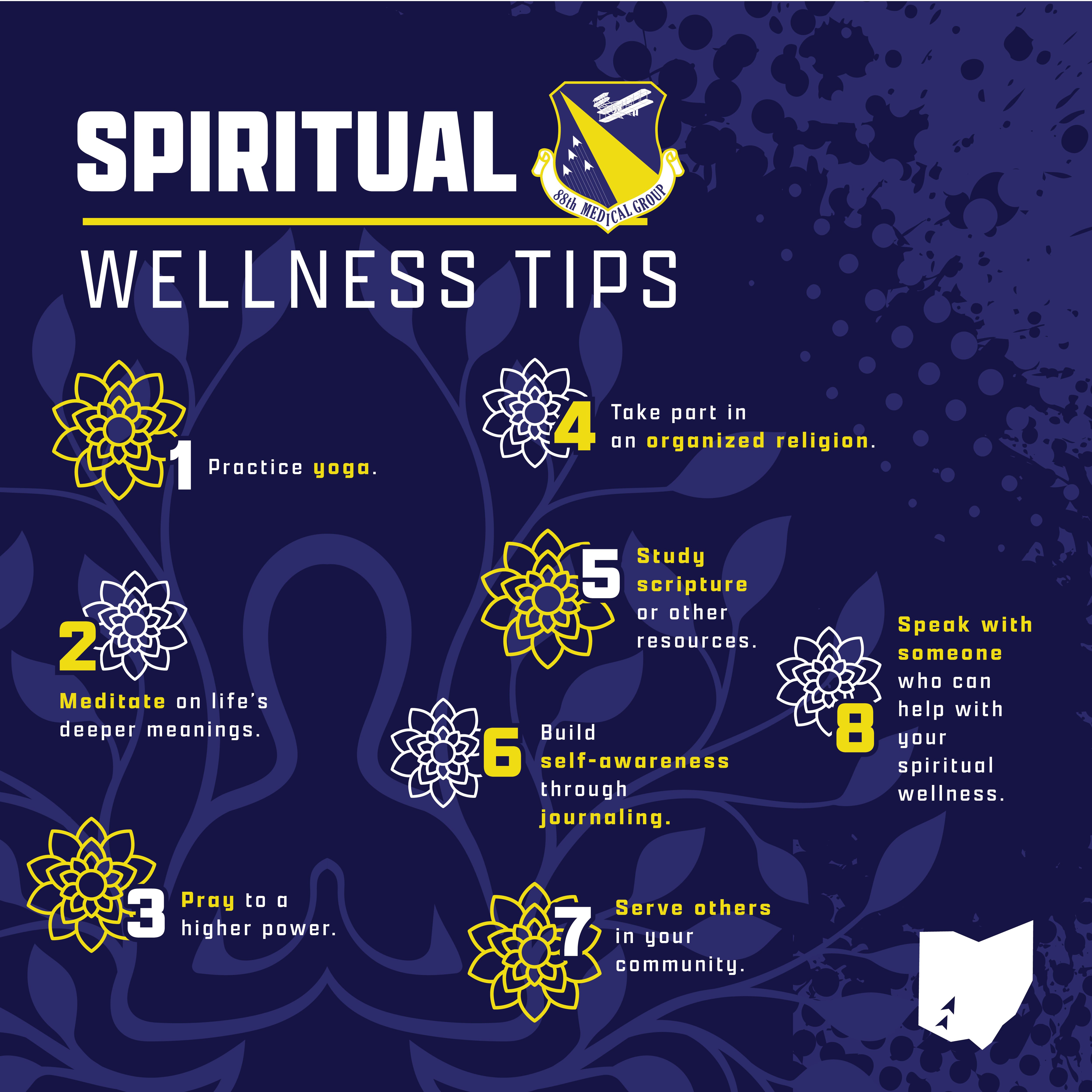
Practicing mindfulness and meditation
Mindfulness and meditation can be powerful tools for maintaining spiritual wellness in the golden years. These practices help individuals cultivate a present-moment awareness and deepen their connection with themselves and the world around them. By setting aside time for mindfulness and meditation, individuals can nourish their spiritual well-being and experience a sense of inner peace and clarity.
Engaging in spiritual activities and rituals
Engaging in spiritual activities and rituals can be profoundly nourishing for the spirit in the golden years. This may involve attending religious services, participating in prayer or meditation groups, or engaging in personal rituals that align with one’s spiritual beliefs. These activities provide a sense of community, connection, and devotion that can enhance one’s spiritual well-being.
Connecting with nature and practicing gratitude
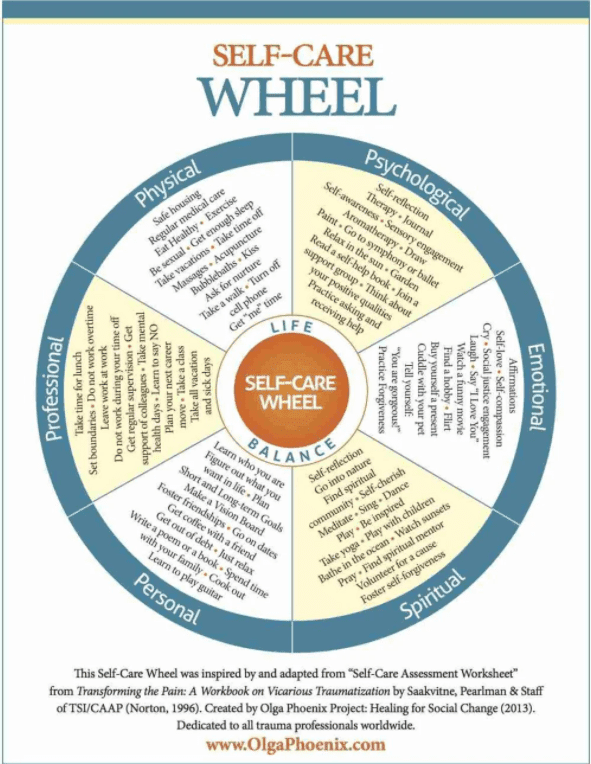
Nature has a profound impact on spiritual wellness, and spending time in natural surroundings can be rejuvenating and uplifting. Taking walks in nature, gardening, or simply appreciating the beauty of the natural world can strengthen one’s connection with their spiritual self. Additionally, practicing gratitude for the blessings and experiences in life can enhance spiritual well-being and bring a greater sense of contentment.
Nurturing relationships and finding support
Maintaining social connections and nurturing relationships is vital for spiritual wellness in the golden years. Spending time with loved ones, participating in community activities, and seeking support from like-minded individuals can foster a sense of belonging and connectedness. Sharing one’s spiritual journey with others can be enriching and empowering, providing a sense of support, understanding, and encouragement.
Spiritual Wellness and Physical Health
The mind-body connection
The mind-body connection is the intricate relationship between an individual’s mental and emotional well-being and their physical health. Spiritual wellness plays a crucial role in promoting a balanced mind-body connection. When individuals experience spiritual well-being, it positively influences their physical health, leading to a healthier and more vibrant life.
The role of spiritual wellness in overall health
Spiritual wellness is integral to overall health and well-being. When individuals nurture their spiritual self, they often experience improved physical health, including better sleep, reduced stress levels, and a stronger immune system. By focusing on their spiritual well-being, individuals can enhance their overall health and vitality, enabling them to lead more fulfilling lives in their golden years.
Boosting the immune system and reducing inflammation
Studies have shown that spiritual wellness can boost the immune system and reduce inflammation in the body. Engaging in spiritual practices and beliefs can reduce the production of stress hormones, which, in turn, supports a healthier immune response. Additionally, spiritual wellness practices such as meditation have been found to reduce inflammation markers in the body, contributing to better overall physical health.
Spiritual Wellness and Mental Health
Alleviating symptoms of anxiety and depression
Spiritual wellness has been found to alleviate symptoms of anxiety and depression. By connecting with a higher power or source of inspiration, individuals can find solace and comfort in challenging times. Spiritual practices such as prayer, meditation, and reflection can provide a sense of calm, reduce anxiety, and lift the mood, ultimately contributing to improved mental health.
Enhancing cognitive function and memory
Engaging in spiritual practices and nurturing spiritual wellness has been linked to enhanced cognitive function and memory. When individuals cultivate inner peace and tranquility through spiritual activities, they experience improved focus, concentration, and mental clarity. This, in turn, positively impacts cognitive function and memory retention, promoting better mental health in the golden years.
Promoting positive aging and mental well-being
Spiritual wellness plays a crucial role in promoting positive aging and mental well-being. By exploring and nurturing their spirituality, individuals can find a sense of purpose and direction in life. This, in turn, fosters a positive outlook, resilience, and a greater sense of contentment, ultimately contributing to overall mental well-being in their golden years.
The Role of Spirituality in a Fulfilling Retirement
Exploring personal values and life goals
In the golden years, retirement often provides an opportunity to reflect on personal values and life goals. Spirituality can play a vital role in this process. By exploring one’s spirituality, individuals can gain a deeper understanding of what truly matters to them and align their retirement lifestyle with their core values and aspirations. This leads to a more fulfilling and meaningful retirement experience.
Finding purpose and fulfillment
Spirituality is intimately connected with finding purpose and fulfillment in life, and this connection remains relevant in retirement. By engaging in spiritual practices, individuals can tap into their inner wisdom and guidance, uncovering their unique purpose and contribution in the world. This sense of purpose brings a profound sense of fulfillment and contentment to the retirement years.
Creating a balanced and meaningful retirement lifestyle
Spiritual wellness provides a foundation for creating a balanced and meaningful retirement lifestyle. By nurturing their spirituality, individuals can prioritize activities and relationships that align with their values, bringing joy, and purpose to their daily lives. This holistic approach to retirement promotes overall well-being and helps individuals make the most of their golden years.
Spiritual Wellness Practices for Golden Years
Engaging in self-reflection and introspection
Self-reflection and introspection are important practices for maintaining spiritual wellness in the golden years. By setting aside time for self-reflection, individuals can deepen their understanding of themselves, their values, and their spirituality. This introspective process can lead to personal growth, increased self-awareness, and a stronger connection with one’s spiritual self.
Seeking spiritual guidance and mentorship
Seeking spiritual guidance and mentorship can be invaluable in nurturing spiritual wellness. Finding a trusted spiritual guide or mentor who can offer support, wisdom, and guidance can provide a deeper understanding of oneself and the spiritual journey. These individuals can provide insights, tools, and practices that can enrich one’s spiritual well-being and enhance their golden years.
Attending religious or spiritual gatherings
Attending religious or spiritual gatherings can be a powerful way to nourish one’s spiritual well-being. Being part of a community that shares similar beliefs and practices can provide a sense of belonging, connection, and support. Whether it involves attending religious services, participating in spiritual retreats, or joining meditation groups, these gatherings can deepen one’s spiritual connection and enrich their golden years.
Reading books on spirituality and wisdom
Reading books on spirituality and wisdom can be a source of inspiration and growth in the golden years. There is a rich array of literature available that explores different spiritual traditions, practices, and philosophies. By immersing oneself in these books, individuals can expand their knowledge, spark new insights, and deepen their spiritual understanding, enhancing their overall spiritual wellness.
Overcoming Challenges to Spiritual Wellness in Aging
Dealing with loss of loved ones
The loss of loved ones can pose significant challenges to spiritual wellness in aging. Grief and bereavement can deeply impact one’s spiritual well-being, affecting their sense of meaning and connection. It is essential to acknowledge and process these feelings, seeking support from loved ones, support groups, or spiritual leaders. Through grief work and compassionate self-care, individuals can navigate these challenging times and find solace in their spiritual beliefs.
Coping with physical limitations and chronic illnesses
Physical limitations and chronic illnesses often accompany the aging process and can pose challenges to spiritual wellness. Such conditions may restrict individuals’ ability to engage in certain activities or practices that nurture their spirituality. However, there are still ways to adapt and find spiritual nourishment within these limitations. This may involve exploring new practices, finding alternative ways of connecting with the divine, or seeking support from spiritual communities.
Finding spiritual support in a changing world
The rapidly changing world can pose challenges to spiritual wellness in aging. Technological advancements, societal shifts, and evolving cultural norms can create confusion and disconnection from one’s spiritual path. It is crucial to seek spiritual support, whether through supportive communities, online forums, or virtual gatherings. By embracing new ways of connecting and finding support, individuals can navigate these changes and maintain their spiritual well-being.
Embracing Spirituality as an Aging Individual
Exploring personal beliefs and values
As an aging individual, embracing spirituality involves exploring one’s personal beliefs and values. This may involve questioning long-held beliefs, examining the nature of existence, and searching for deeper meaning. By engaging in this personal exploration, individuals can deepen their spiritual connection and find resonance with their authentic beliefs and values.
Embracing new spiritual practices and perspectives
Embracing spirituality in the golden years also means being open to new spiritual practices and perspectives. Individuals can explore different traditions, philosophies, and practices to find what resonates with them at this stage of life. This openness allows for continued growth, expansion, and a deepening connection with one’s spiritual self.
Finding peace and contentment in the golden years
Ultimately, embracing spirituality as an aging individual is about finding peace and contentment in the golden years. It involves accepting the limitations and realities of aging while nurturing the spiritual dimensions of life. By cultivating a sense of inner peace, individuals can approach their golden years with grace, gratitude, and a profound sense of contentment.
Conclusion
Recognizing the significance of spiritual wellness in your golden years is a vital step toward nurturing and maintaining your overall well-being. Spiritual wellness offers numerous benefits, including an enhanced sense of purpose and meaning, improved mental and emotional well-being, coping with loss and grief, and increased resilience and adaptability. By engaging in practices such as mindfulness, meditation, spiritual activities, and nurturing relationships, you can maintain spiritual wellness in the golden years. The mind-body connection, the role of spiritual wellness in overall health, and its positive impact on mental health further emphasize the importance of prioritizing spiritual well-being. By exploring personal beliefs and values, finding purpose and fulfillment, and creating a balanced and meaningful retirement lifestyle, spirituality can play a transformative role in embracing the golden years. Overcoming challenges, such as the loss of loved ones or physical limitations, requires seeking support and adapting spiritual practices. Embracing spirituality as an aging individual involves exploration, openness to new practices and perspectives, and ultimately finding peace and contentment in the golden years. By taking proactive steps to nurture and maintain your spiritual well-being, you can enhance the quality of your golden years and find profound fulfillment in this stage of life.