
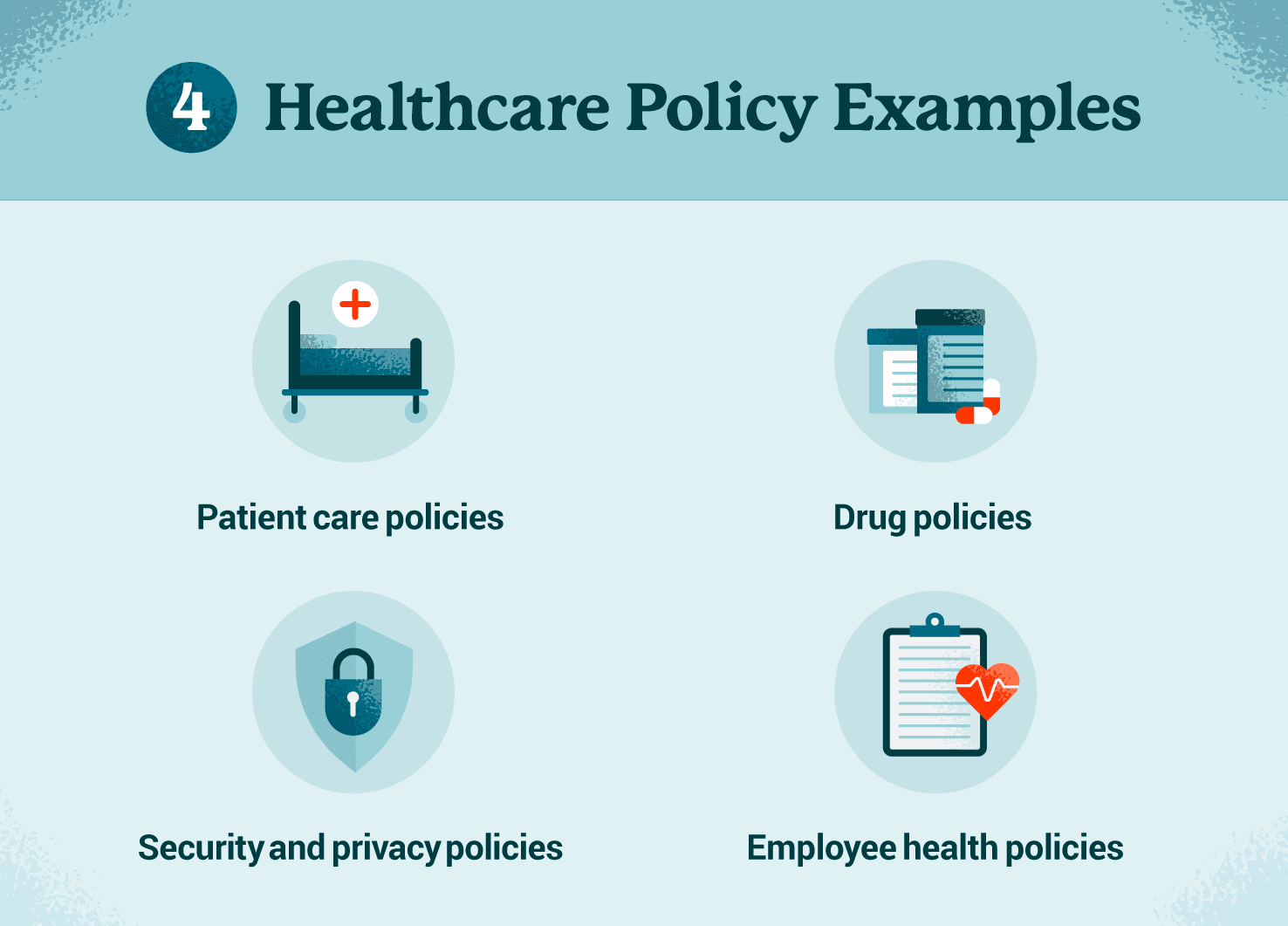
Welcome to an insightful article on the relationship between healthcare policy and healthcare quality. Understanding how healthcare policies impact the delivery and effectiveness of healthcare services is crucial for ensuring high-quality care for all individuals. By exploring the various ways in which healthcare policy influences healthcare quality, you will gain a deeper appreciation for the complexities of the healthcare system and the importance of advocating for policies that prioritize patient safety and well-being. Stay tuned to learn more about this fascinating topic! Have you ever wondered how healthcare policy affects the quality of healthcare you receive? In this article, we will explore the various ways in which healthcare policy influences healthcare quality. From treatment options to access to care, healthcare policy plays a significant role in determining the level of care you receive. Let’s dive into the details and learn more about this important topic.
Understanding Healthcare Policy
Healthcare policy refers to the decisions, plans, and actions that governments, insurance companies, and other organizations make to impact the healthcare system. These policies can range from regulations on healthcare providers to rules governing how insurance coverage is offered.
Understanding healthcare policy is crucial because it directly affects the services and treatments you can receive. Without proper healthcare policies in place, the quality of care can vary widely, leading to disparities in health outcomes.
Why is Healthcare Policy Important?
Healthcare policy is important because it shapes the entire healthcare system. From setting guidelines for medical procedures to determining which prescription drugs are covered by insurance, healthcare policy affects every aspect of healthcare delivery.
When policymakers create effective healthcare policies, they can improve access to care, increase quality, and reduce costs. However, poor healthcare policy decisions can lead to limited access to care, low-quality services, and high out-of-pocket expenses for patients.
Impact of Healthcare Policy on Treatment Options
One of the ways healthcare policy directly impacts healthcare quality is through the availability of treatment options. Healthcare policies dictate which treatments are covered by insurance, the guidelines for treatment, and the settings in which care can be provided.
Insurance Coverage for Treatments
Insurance companies often have strict guidelines for which treatments they will cover. For example, some insurance plans may not cover experimental treatments or alternative therapies. This can limit your treatment options and prevent you from receiving potentially life-saving care.
By advocating for policies that expand insurance coverage for a wider range of treatments, patients can access the care they need without financial barriers. Healthcare policies that prioritize patient outcomes and evidence-based practices can lead to better treatment options for patients.
Impact of Healthcare Policy on Access to Care
Access to care is another critical aspect of healthcare quality that is heavily influenced by healthcare policy. Policies related to healthcare provider reimbursement, geographic distribution of providers, and insurance coverage all play a role in determining how easily patients can receive care.
Provider Reimbursement Policies
Healthcare policies that dictate how providers are reimbursed for their services can impact access to care. For example, if reimbursement rates for Medicaid patients are low, fewer providers may accept Medicaid insurance, leading to limited access to care for those patients.
Advocating for policies that ensure fair reimbursement rates for providers can improve access to care for all patients. By incentivizing providers to accept a diverse range of insurance plans, policymakers can help ensure that patients have access to a variety of healthcare providers.
Geographic Distribution of Providers
Healthcare policies also influence the geographic distribution of healthcare providers. In rural areas, there may be a shortage of primary care physicians, specialists, or hospitals, making it difficult for residents to access care.
Policies that promote provider recruitment and retention in underserved areas can help improve access to care for rural and low-income populations. By offering financial incentives, loan repayment programs, or support for telemedicine services, policymakers can address healthcare provider shortages in underserved areas.
Insurance Coverage and Healthcare Access
Insurance coverage is a major determinant of access to care for many patients. Without insurance, healthcare services can be prohibitively expensive, preventing individuals from seeking necessary care.
Policies that expand insurance coverage, such as the Affordable Care Act, have increased access to care for millions of Americans. By providing subsidies, expanding Medicaid coverage, and establishing health insurance marketplaces, policymakers can help ensure that more individuals have access to affordable healthcare services.
Impact of Healthcare Policy on Healthcare Quality Metrics
Healthcare quality is measured using a variety of metrics, including patient outcomes, patient satisfaction, safety, and efficiency. Healthcare policies play a critical role in shaping these quality metrics by establishing standards of care, promoting evidence-based practices, and incentivizing quality improvement initiatives.
Measures of Healthcare Quality
Healthcare quality is often measured using a set of standardized metrics that reflect the effectiveness, safety, and patient-centeredness of care. Common quality measures include hospital readmission rates, mortality rates, infection rates, and patient satisfaction scores.
Policymakers use these quality metrics to evaluate the performance of healthcare providers, hospitals, and insurance plans. By tying reimbursement to quality performance, policymakers can incentivize providers to focus on improving patient outcomes and safety.
Importance of Evidence-Based Practices
Healthcare policies that promote evidence-based practices are essential for improving healthcare quality. Evidence-based medicine relies on scientific research and clinical trials to guide treatment decisions and interventions.
By implementing policies that support the use of evidence-based practices, policymakers can ensure that patients receive high-quality, effective care. This can lead to better health outcomes, fewer medical errors, and lower healthcare costs in the long run.
Conclusion
In conclusion, healthcare policy has a significant impact on healthcare quality. From influencing treatment options to determining access to care and shaping quality metrics, healthcare policy plays a crucial role in determining the level of care patients receive.
By advocating for policies that prioritize patient outcomes, promote evidence-based practices, and improve access to care, individuals can help shape the future of healthcare delivery. It is important for patients, healthcare providers, and policymakers to work together to create a healthcare system that prioritizes quality, safety, and equity for all.