Have you ever wondered why some people seem to age gracefully while others struggle with health issues as they get older? The answer may lie in their sleep patterns. Recent research has revealed a strong link between regular, high-quality sleep and an extended lifespan. In fact, studies have shown that individuals who consistently get adequate sleep are not only healthier but also live longer. So, if you want to improve your overall health and increase your chances of living a longer, fulfilling life, it may be time to prioritize your sleep routine.
Effects of Sleep on Longevity
Sleep deprivation and decreased lifespan
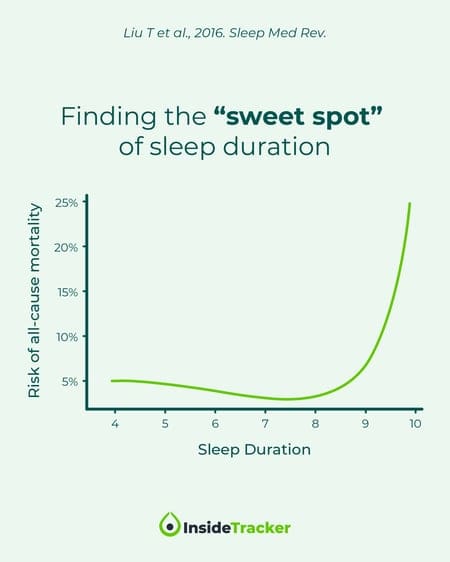
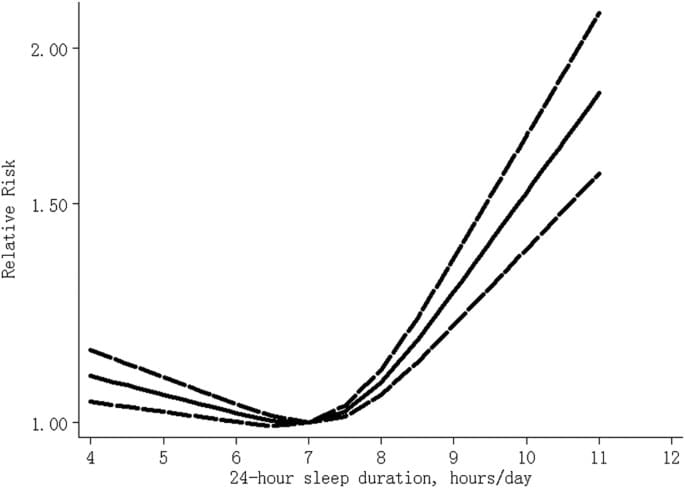
Lack of sleep can have serious consequences on your overall health and lifespan. Studies have shown that chronic sleep deprivation is associated with a shorter life expectancy. When you consistently don’t get enough sleep, it can lead to a wide range of health problems such as obesity, diabetes, heart disease, and even certain types of cancer. Inadequate sleep disrupts the balance of hormones in your body, which can increase inflammation and weaken your immune system. So, if you want to live a longer, healthier life, it’s crucial to prioritize getting enough sleep.
Importance of quality sleep for a longer life
It’s not just about the quantity of sleep you get, but also the quality that matters. Quality sleep refers to uninterrupted, deep sleep that allows your body to fully rest and rejuvenate. During this time, your body repairs damaged cells, restores energy levels, and strengthens the immune system. Good quality sleep is essential for the maintenance of your physical and mental health, as well as for optimal cognitive function. Therefore, making an effort to improve the quality of your sleep can significantly contribute to a longer and healthier life.
Impact of sleep disorders on longevity
Sleep disorders can have a detrimental effect on your longevity. Conditions such as insomnia, sleep apnea, and restless legs syndrome can disrupt your sleep patterns and prevent you from getting the restorative sleep your body needs. Chronic sleep disorders have been linked to a range of health problems including cardiovascular disease, obesity, depression, and cognitive decline. Treating sleep disorders is crucial for maintaining good health and improving longevity. Seeking medical help, making lifestyle changes, and practicing good sleep hygiene can all contribute to better sleep and a longer life.
Understanding Sleep
Stages of sleep
Sleep is a dynamic process that consists of different stages. The sleep cycle is composed of two main types of sleep: non-rapid eye movement (NREM) sleep and rapid eye movement (REM) sleep. NREM sleep has three stages: N1 (light sleep), N2 (deeper sleep), and N3 (deep sleep or slow-wave sleep). REM sleep, on the other hand, is the stage where most dreaming occurs. Each stage of sleep serves a different purpose in terms of physical and mental restoration.
Sleep cycles and their duration
Sleep cycles typically last around 90 to 110 minutes and are repeated throughout the night. During a sleep cycle, you transition through different stages of sleep, starting with NREM sleep and progressing into REM sleep. On average, adults have four to six sleep cycles per night. It’s important to complete multiple sleep cycles to ensure that your body receives enough rest and rejuvenation. Disruptions to the sleep cycle, such as waking up in the middle of the night, can interfere with the quality of your sleep and impact your overall well-being.
Factors affecting sleep quality
Several factors can influence the quality of your sleep. External factors such as noise, light, temperature, and comfort of the sleep environment play a significant role in determining how well you sleep. Internal factors, such as stress, anxiety, and certain health conditions, can also affect your ability to fall asleep and stay asleep. Lifestyle factors like caffeine and alcohol consumption, exercise habits, and electronic device usage before bedtime can also impact the quality of your sleep. Understanding and addressing these factors can help improve your sleep quality and ultimately contribute to a longer life.
How Sleep Affects Health
Recovery and regeneration processes during sleep
Sleep is a crucial time for your body to recover from the wear and tear of daily life. During sleep, your body releases growth hormone, which plays a key role in tissue repair and regeneration. The cells in your body undergo processes that help repair damaged DNA and proteins, strengthen muscles, and rejuvenate your skin. Inadequate sleep limits these essential recovery processes, leading to slower healing, increased susceptibility to infections, and accelerated aging.
Sleep’s role in immune function
Adequate sleep is vital for a healthy immune system. During sleep, your immune system releases cytokines, which are proteins involved in immune regulation and inflammation response. These cytokines help combat infection, inflammation, and stress. Chronic sleep deprivation can disrupt the production and function of these immune-regulating proteins, making you more susceptible to infections, autoimmune disorders, and chronic inflammation. To support your immune system and promote longevity, it’s vital to prioritize getting enough sleep.
The impact of sleep on cardiovascular health
Sleep has a significant impact on your cardiovascular health. When you sleep, your blood pressure and heart rate naturally decrease, allowing your heart to rest and recover. Sufficient sleep helps regulate blood pressure levels, reduce inflammation, and improve overall cardiovascular function. Chronic sleep deprivation, on the other hand, increases the risk of developing heart disease, high blood pressure, and stroke. By prioritizing sleep, you can protect your heart and promote a longer, healthier life.
Sleep and Brain Health
The link between sleep and cognitive function
Sleep plays a crucial role in cognitive function. During deep sleep, your brain consolidates memories and processes information, improving your ability to learn, concentrate, and retain knowledge. Lack of sleep can hinder these cognitive processes, leading to difficulties with memory, attention, problem-solving, and decision-making. Chronic sleep deprivation has also been linked to an increased risk of developing neurodegenerative disorders such as Alzheimer’s disease. To maintain optimal brain health and preserve cognitive function, it’s essential to prioritize regular, quality sleep.
Sleep’s role in memory consolidation and learning
Sleep is essential for memory consolidation and learning. While you sleep, your brain integrates information and experiences from the day, solidifying memories and strengthening neural connections. The process of memory consolidation occurs during both NREM and REM sleep, with each stage playing a different role in memory processing. By getting sufficient sleep, you can enhance your ability to retain information, improve your cognitive skills, and promote long-term memory retention.
The impact of sleep disorders on brain health
Sleep disorders can have significant effects on brain health. Conditions such as sleep apnea, insomnia, and restless legs syndrome can disrupt the normal sleep patterns necessary for optimal brain function. Sleep apnea, for example, leads to pauses in breathing during sleep, resulting in repeated awakenings and fragmented sleep. These disruptions can impair cognitive function, decrease attention span, and increase the risk of developing neurocognitive disorders. Seeking treatment for sleep disorders is crucial for maintaining brain health and promoting longevity.

Sleep and Mental Health
Sleep deprivation and its effect on mood disorders
A lack of sleep can significantly impact your mood and emotional well-being. Sleep deprivation is associated with an increased risk of developing mood disorders such as depression and anxiety. When you don’t get enough sleep, it can affect the balance of neurotransmitters in your brain that regulate mood, leading to feelings of irritability, sadness, and heightened stress levels. Prioritizing good sleep habits and getting enough restful sleep can help improve your mood and promote better mental health.
Sleep’s role in emotional regulation
Quality sleep plays a vital role in emotional regulation. During sleep, your brain processes and regulates emotions, allowing you to better manage stress and respond appropriately to situations. When you’re sleep-deprived, you may experience heightened emotional reactivity, increased sensitivity to negative emotions, and difficulties in regulating your emotions effectively. By making sleep a priority and ensuring you get enough rest, you can support your emotional well-being and foster healthier relationships.
The link between sleep disorders and mental health conditions
Sleep disorders and mental health conditions often go hand in hand. Conditions such as depression, anxiety, and bipolar disorder can disrupt sleep patterns, leading to insomnia or excessive sleepiness. On the other hand, sleep disorders like sleep apnea and restless legs syndrome can contribute to the development or exacerbation of mental health conditions. Addressing both sleep disorders and mental health conditions is essential for overall well-being and optimizing longevity.
Tips for Better Sleep
Establishing a consistent sleep schedule
Creating a consistent sleep schedule is essential for better sleep. Going to bed and waking up at the same time every day helps regulate your body’s internal clock, making it easier to fall asleep and wake up feeling refreshed. Aim for 7-9 hours of sleep each night and try to stick to your schedule, even on weekends. Consistency is key when it comes to improving sleep quality and promoting a longer life.
Creating a sleep-friendly environment
Your sleep environment can greatly impact the quality of your sleep. Create a comfortable, quiet, and dark space that promotes relaxation and sleep. Keep your bedroom cool and well-ventilated, invest in a comfortable mattress and pillows, and use curtains or blinds to block out any excess light. Consider using earplugs or a white noise machine to drown out any disruptive sounds. By optimizing your sleep environment, you can create the ideal conditions for a restful night’s sleep.
Practicing relaxation techniques before bedtime
Engaging in relaxation techniques before bedtime can help prepare your mind and body for sleep. Activities such as deep breathing exercises, progressive muscle relaxation, meditation, and gentle stretching can promote relaxation, reduce stress levels, and improve sleep quality. Consider establishing a relaxing bedtime routine that incorporates these techniques to signal to your body that it’s time to unwind and prepare for restful sleep.
The Role of Nutrition and Exercise
Effects of a balanced diet on sleep quality
Your diet can profoundly impact the quality of your sleep. Consuming a balanced diet that includes a variety of whole foods can help regulate sleep-wake cycles, stabilize blood sugar levels, and promote hormonal balance. Avoid heavy meals and large amounts of caffeine or alcohol close to bedtime, as they can disrupt your sleep. Instead, focus on incorporating foods rich in tryptophan, magnesium, and vitamins B6 and B12 into your diet, as they promote the production of sleep-regulating neurotransmitters. By nourishing your body with the right nutrients, you can support healthy sleep and overall longevity.
The importance of regular physical activity for better sleep
Regular physical activity is essential for better sleep and overall health. Engaging in moderate aerobic exercise, such as brisk walking, jogging, or cycling, can help regulate your sleep patterns, reduce stress, and improve sleep quality. Aim for at least 30 minutes of exercise most days of the week, but avoid vigorous exercise close to bedtime, as it can rev up your metabolism and make it harder to fall asleep. Incorporating regular physical activity into your routine can not only improve your sleep but also contribute to a longer and healthier life.
Avoidance of stimulating substances near bedtime
Certain substances can interfere with your ability to fall asleep and stay asleep. Stimulants such as caffeine, nicotine, and some medications can disrupt your sleep patterns and make it harder to achieve restful sleep. It’s important to avoid consuming these substances close to bedtime. Additionally, while alcohol may make you feel drowsy initially, it can disrupt the later stages of sleep and negatively impact sleep quality. Opt for non-caffeinated herbal tea or warm milk instead to promote relaxation and improve sleep.
Common Sleep Disorders
Insomnia and its impact on longevity
Insomnia is one of the most common sleep disorders and can significantly impact your longevity. People with insomnia have difficulty falling asleep, staying asleep, or both. Chronic insomnia can have a detrimental effect on your overall health, increasing the risk of developing various health conditions, including cardiovascular disease, diabetes, and mental health disorders. Treating insomnia through cognitive-behavioral therapy and other interventions is crucial for improving sleep quality and promoting a longer, healthier life.
Sleep apnea and associated health risks
Sleep apnea is a serious sleep disorder characterized by interruptions in breathing during sleep. These pauses in breathing can occur multiple times throughout the night, leading to fragmented sleep and decreased oxygen levels in the body. Sleep apnea has been linked to a range of health risks, including hypertension, heart disease, stroke, and cognitive impairments. Effective treatment options, such as continuous positive airway pressure (CPAP) therapy, can help manage sleep apnea and reduce associated health risks.
Restless legs syndrome and sleep disturbances
Restless legs syndrome (RLS) is a neurological disorder characterized by uncomfortable sensations in the legs, often accompanied by an uncontrollable urge to move them. RLS can cause sleep disturbances, as the sensations are typically worse at night and can make it difficult to fall asleep or stay asleep. The resulting sleep deprivation can have negative impacts on overall health, cognition, and quality of life. Management of RLS symptoms through lifestyle changes, medication, and other therapies is vital for improving sleep quality and maximizing longevity.

Sleep and Aging
Changes in sleep patterns with age
Sleep patterns naturally change as we age. Older adults often experience a shift in circadian rhythm, leading to earlier bedtimes and earlier wake times. Additionally, the amount of time spent in deep sleep decreases, and sleep becomes more fragmented. These changes can result in sleep problems such as insomnia or excessive daytime sleepiness. However, quality sleep remains essential for maintaining overall health and well-being, and adopting healthy sleep habits can help mitigate the effects of these changes.
The relationship between sleep and age-related diseases
Sleep plays a crucial role in the prevention and management of age-related diseases. Chronic sleep deprivation has been associated with an increased risk of developing conditions such as cardiovascular disease, diabetes, Alzheimer’s disease, and certain types of cancer. Additionally, poor sleep can exacerbate the symptoms of existing age-related diseases and impair overall quality of life. By prioritizing healthy sleep habits, older adults can contribute to the prevention and management of age-related diseases, ultimately promoting longevity.
Strategies to promote healthy sleep in older adults
Older adults can take specific steps to promote healthy sleep as they age. Establishing a relaxing bedtime routine, maintaining a consistent sleep schedule, creating a comfortable sleep environment, and avoiding stimulants close to bedtime are all effective strategies for enhancing sleep quality. Regular physical activity, balanced nutrition, and the management of any underlying sleep disorders or medical conditions are also essential for maintaining optimal sleep and overall health. By implementing these strategies, older adults can prioritize their sleep and contribute to a longer and more fulfilling life.
Sleep Tracking and Monitoring
Wearable devices and smartphone applications for sleep monitoring
Sleep tracking technology has become increasingly popular in recent years. Various wearable devices, such as smartwatches and fitness trackers, as well as smartphone applications, offer the ability to monitor and track sleep patterns and quality. These devices often use sensors and algorithms to measure movement, heart rate, and other physiological indicators during sleep. Sleep tracking technology can provide valuable insights into your sleep habits and help identify areas for improvement.
The benefits and limitations of sleep tracking technology
Sleep tracking technology offers several benefits for those looking to improve their sleep. It can provide information about sleep duration, efficiency, and patterns, helping you understand your sleep habits and identify potential issues affecting sleep quality. Sleep tracking can also serve as a motivator to establish and maintain healthy sleep routines. However, it’s important to note that sleep tracking technology has limitations. It may not always accurately measure sleep stages or provide a comprehensive picture of sleep quality. Interpretation of sleep data should be done in conjunction with subjective experiences and consultation with healthcare professionals.
Using data to improve sleep habits for a longer life
Sleep tracking data can be a valuable tool in improving sleep habits and promoting longevity. By analyzing your sleep patterns and trends over time, you can identify factors that may be impacting your sleep quality. For example, if you notice a correlation between caffeine intake and poor sleep, you can adjust your consumption accordingly. Sleep tracking can also help you evaluate the effectiveness of lifestyle changes and interventions aimed at improving sleep. By using data to inform your sleep habits, you can take proactive steps to optimize your sleep and contribute to a longer, healthier life.
In conclusion, sleep plays a vital role in overall health, longevity, and well-being. Chronic sleep deprivation and sleep disorders can have detrimental effects on physical and mental health, while quality sleep supports the body’s recovery and rejuvenation processes. Understanding the stages of sleep, factors affecting sleep quality, and the interconnectedness between sleep and various aspects of health is crucial for promoting a longer, healthier life. By implementing strategies for better sleep, prioritizing nutrition and exercise, addressing sleep disorders, and leveraging sleep tracking technology, you can optimize your sleep habits and positively impact your longevity. Remember, a good night’s sleep is not just a luxury; it’s a fundamental pillar of a healthy and fulfilling life.