Are you curious about alternative medicine practices and their popularity? Look no further! In this article, we will explore the most popular alternative medicine practices and provide a concise explanation of each. Whether you’re interested in acupuncture, herbal remedies, or mindfulness meditation, we’ve got you covered. So sit back, relax, and discover the fascinating world of alternative medicine.
Acupuncture
Overview of Acupuncture
Acupuncture is a traditional Chinese medicine practice that involves inserting thin needles into specific points on the body. This ancient healing technique has been used for thousands of years to promote balance and well-being. In acupuncture, these specific points are believed to be connected by pathways called meridians, which correspond to different organs and systems in the body. By stimulating these points, acupuncture aims to restore the flow of energy, known as Qi, and alleviate various health conditions.
How Acupuncture Works
According to traditional Chinese medicine, acupuncture works by balancing the flow of Qi within the body. Qi is believed to be the vital life force that flows through meridians. When Qi becomes blocked or disrupted, it can lead to imbalances and health issues. By inserting needles at specific acupuncture points, an acupuncturist can help restore the proper flow of Qi, which in turn promotes healing and well-being.
From a modern scientific perspective, acupuncture is thought to induce various physiological responses in the body. When the thin needles are inserted into the skin, it stimulates sensory receptors, nerves, and muscles, triggering the release of natural pain-relieving chemicals, such as endorphins. Acupuncture is also believed to modulate the central nervous system and promote blood circulation, which can have a positive impact on various bodily functions.
Benefits of Acupuncture
Acupuncture has gained popularity for its potential benefits in treating a wide range of health conditions. It is commonly used for pain management, including chronic pain, back pain, and migraine headaches. Acupuncture has also shown promise in reducing stress, anxiety, and depression by promoting relaxation and improving emotional well-being. Additionally, acupuncture is often sought for its potential to improve fertility, alleviate menstrual disorders, support weight loss, and enhance immune function.
One of the significant advantages of acupuncture is that it is generally considered safe and well-tolerated when performed by a trained professional. It is a non-invasive procedure that does not involve the use of medications or chemicals, making it a suitable option for individuals seeking natural, holistic approaches to their health.
Common Conditions Treated with Acupuncture
Acupuncture has been recognized by the World Health Organization (WHO) for its efficacy in treating a wide range of conditions. Some of the most common conditions treated with acupuncture include:
-
Pain conditions: Acupuncture is often utilized to manage musculoskeletal pain, such as arthritis, sciatica, and fibromyalgia. It can also alleviate pain associated with injuries, post-surgical recovery, and certain neurological disorders.
-
Emotional well-being: Acupuncture has been found to help reduce stress, anxiety, and depression. It can support emotional balance, improve sleep quality, and enhance overall mental well-being.
-
Women’s health: Acupuncture is commonly used to address menstrual disorders, including irregular periods, painful periods, and premenstrual syndrome (PMS). It may also provide support during fertility treatments and aid in managing menopause symptoms.
-
Digestive issues: Acupuncture has shown promising results in alleviating symptoms associated with various digestive disorders, such as irritable bowel syndrome (IBS), acid reflux, and nausea.
-
Respiratory conditions: Acupuncture can be beneficial for individuals with respiratory conditions like allergies, asthma, and sinusitis by reducing inflammation, improving airflow, and strengthening respiratory function.
Safety and Side Effects
When performed by a qualified and licensed acupuncturist, acupuncture is generally considered safe. The needles used are sterile and disposable, reducing the risk of infection. It is essential to ensure that the acupuncturist is accredited and has undergone proper training.
While acupuncture is generally well-tolerated, there may be some mild side effects such as slight bruising or soreness at the needle insertion sites. These effects are temporary and typically resolve quickly. Rarely, more severe complications, such as organ injury or infection, can occur, but these risks are extremely low when performed by a skilled practitioner.
It is essential to discuss any existing medical conditions, medications, or concerns with your acupuncturist prior to treatment to ensure a safe and effective acupuncture session.
Aromatherapy
Overview of Aromatherapy
Aromatherapy is a holistic healing practice that utilizes essential oils extracted from plants to promote physical, mental, and emotional well-being. This gentle and natural approach harnesses the power of aromatic compounds found in plants to support various aspects of our health. Aromatherapy can be administered through inhalation, topical application, or even ingestion, although the latter should only be done under the guidance of a professional aromatherapist.
How Aromatherapy Works
The essential oils used in aromatherapy are derived from different parts of plants, including flowers, leaves, bark, and roots. These oils contain unique aromatic compounds that are believed to interact with the body’s limbic system, which plays a crucial role in regulating emotions, memory, and mood. When inhaled or applied to the skin, these compounds can have a profound influence on our physical and emotional well-being.
Some essential oils have stimulating properties that can invigorate and energize, while others have calming or sedating effects. The fragrance of essential oils can evoke specific emotional responses and memories, making aromatherapy a powerful tool for relaxation, stress reduction, and emotional balance.
Essential Oils and Their Uses
There is a wide variety of essential oils available, each with its own unique properties and potential benefits. Here are some commonly used essential oils and their uses:
-
Lavender: Known for its calming and soothing properties, lavender essential oil is often used to promote relaxation, alleviate stress, and aid in sleep.
-
Peppermint: Peppermint essential oil has invigorating and cooling effects, making it useful for relieving headaches, muscle tension, and digestive discomfort.
-
Tea Tree: With its antimicrobial properties, tea tree essential oil is frequently used to treat acne, skin infections, and fungal conditions.
-
Eucalyptus: Eucalyptus essential oil is commonly used to relieve congestion and promote respiratory health. It can also be used in massage blends to ease muscle and joint pain.
-
Chamomile: Chamomile essential oil is known for its calming and soothing effects, making it an excellent choice for reducing anxiety, promoting relaxation, and supporting restful sleep.
These are just a few examples of the many essential oils available, each with its own unique aroma and potential therapeutic benefits.
Benefits of Aromatherapy
Aromatherapy offers a wide range of potential benefits for the mind, body, and spirit. Some of the key advantages of incorporating aromatherapy into your self-care routine include:
-
Stress reduction: The soothing properties of certain essential oils, such as lavender and chamomile, can help calm the mind, reduce anxiety, and promote relaxation.
-
Improved sleep: Aromatherapy can support a restful night’s sleep by creating a peaceful and relaxing environment. Essential oils like lavender and vetiver are known for their sedating effects.
-
Pain relief: Certain essential oils, such as peppermint and eucalyptus, have analgesic properties that can help alleviate headaches, muscle aches, and joint pain.
-
Enhanced mood: Aromatherapy can positively impact mood and emotional well-being by promoting feelings of happiness, positivity, and balance.
-
Respiratory support: Inhalation of essential oils like eucalyptus and tea tree can help clear congestion, relieve sinus pressure, and promote respiratory health.
-
Skin care: Many essential oils possess antimicrobial and anti-inflammatory properties that are beneficial for skin health. They can be used in skincare products to address various skin concerns, such as acne, eczema, and inflammation.
Aromatherapy for Stress Relief
Stress has become an increasingly prevalent issue in today’s fast-paced world. Aromatherapy can be an effective tool for managing stress and promoting relaxation. By using essential oils with calming properties, such as lavender, chamomile, and ylang-ylang, you can create a soothing atmosphere that encourages relaxation and tranquility. Diffusing these oils in a room, adding a few drops to a warm bath, or using them in a massage oil can help alleviate stress and provide a much-needed sense of calm.
Aromatherapy for Improved Sleep
Sleep is an essential component of overall health and well-being. Aromatherapy can be a valuable ally in promoting a restful night’s sleep. Essential oils like lavender, vetiver, and sandalwood are known for their sedative properties and can help prepare the mind and body for sleep. Diffusing these oils in the bedroom, adding a few drops to a pillow, or using them in a bedtime bath can create a peaceful sleep environment and facilitate a deeper and more rejuvenating sleep.
Safety Precautions
While aromatherapy is generally safe when used properly, it is crucial to exercise caution and be aware of potential risks. Here are some safety precautions to keep in mind:
-
Essential oils should never be ingested unless under the guidance of a qualified aromatherapist or healthcare professional.
-
Essential oils are highly potent and should be diluted before direct application to the skin. Dilute them in a carrier oil, such as jojoba or sweet almond oil, to avoid skin irritation or sensitization.
-
Some essential oils can cause allergic reactions or sensitivities in individuals with certain sensitivities or medical conditions. It is essential to perform a patch test before using a new essential oil and discontinue use if any adverse reactions occur.
-
Certain essential oils should be avoided during pregnancy, breastfeeding, or in the presence of specific medical conditions. Consult a qualified aromatherapist or healthcare professional for guidance.
-
Keep essential oils out of reach of children and pets, as some oils can be toxic if ingested.
By following these safety precautions and seeking guidance from a trained professional, you can enjoy the numerous benefits that aromatherapy has to offer.

Chiropractic
Overview of Chiropractic Medicine
Chiropractic medicine is a form of alternative healthcare that focuses on the diagnosis, treatment, and prevention of musculoskeletal disorders, particularly those affecting the spine. Chiropractors, also known as doctors of chiropractic or chiropractic physicians, utilize manual manipulation techniques to address misalignments or dysfunctions in the musculoskeletal system. The goal of chiropractic care is to restore proper alignment and function, relieve pain, and improve overall health and well-being.
Understanding Chiropractic Adjustments
A chiropractic adjustment, also known as spinal manipulation, is the cornerstone of chiropractic treatment. During an adjustment, a chiropractor applies controlled, sudden force to a specific joint or vertebra using their hands or specialized instruments. This force aims to restore normal motion, alignment, and function to the affected joint or vertebra.
Chiropractic adjustments can provide various benefits, such as:
-
Relieving pain: Chiropractic adjustments can help alleviate pain and discomfort associated with musculoskeletal conditions, such as back pain, neck pain, and headaches.
-
Restoring flexibility: By addressing joint restrictions or stiffness, chiropractic adjustments can help improve range of motion and flexibility.
-
Enhancing nerve function: Misalignments in the spine can put pressure on nerves, leading to pain, weakness, or other symptoms. Chiropractic adjustments can relieve this pressure, improving nerve function.
-
Promoting overall well-being: Proper alignment and function of the musculoskeletal system can have a positive impact on overall health, allowing the body to function optimally.
Conditions Treated by Chiropractors
Chiropractors can effectively treat a wide range of musculoskeletal conditions, both acute and chronic. Some common conditions that can benefit from chiropractic care include:
-
Back pain: Chiropractic adjustments can provide relief for various types of back pain, including low back pain, sciatica, and herniated discs.
-
Neck pain: Chiropractic care can help alleviate neck pain caused by conditions such as whiplash, muscle strains, or cervical spine misalignments.
-
Headaches: Tension headaches and migraines can often be addressed through chiropractic adjustments.
-
Joint pain: Chiropractic care can help manage joint pain caused by conditions such as osteoarthritis or sports injuries.
-
Sports injuries: Chiropractors are skilled in treating sports-related injuries, helping athletes recover and prevent future injuries.
It is important to note that chiropractic care is not limited to these conditions and can be beneficial for a variety of musculoskeletal issues. Chiropractors take a comprehensive approach to care, considering the individual needs and goals of each patient.
Benefits of Chiropractic Care
Chiropractic care offers numerous benefits beyond pain relief, making it a popular choice for those seeking natural approaches to healthcare. Some of the key advantages of chiropractic care include:
-
Non-invasive and drug-free: Chiropractic care provides a non-invasive and drug-free alternative to manage pain and promote healing, avoiding the risks and side effects associated with medications or surgeries.
-
Whole-body approach: Chiropractors focus on addressing the underlying cause of symptoms rather than just treating the symptoms themselves. They aim to optimize overall health by ensuring proper alignment and function of the musculoskeletal system.
-
Personalized treatment: Chiropractic care is tailored to the individual needs of each patient, taking into consideration their unique health history, lifestyle, and goals.
-
Long-term benefits: Chiropractic care does not only provide temporary relief; it aims to address the root cause of the problem, leading to long-term improvements in pain, function, and overall well-being.
-
Complementary with other treatments: Chiropractic care can be used alongside other conventional or alternative treatments to enhance their effectiveness and promote a holistic approach to health.
-
Preventive care: Chiropractors not only provide treatment but also offer guidance on preventive measures and lifestyle modifications to help patients maintain their spinal health and overall well-being.
Safety and Risks
Chiropractic care is generally considered safe when performed by a licensed and well-trained chiropractor. However, as with any medical or therapeutic intervention, there are potential risks and considerations to be aware of.
-
After a chiropractic adjustment, it is normal to experience some mild soreness or discomfort, similar to what one might feel after exercising. This usually subsides within 24-48 hours.
-
Rarely, more serious side effects can occur, such as herniated discs, nerve injuries, or strokes. However, these risks are extremely low, especially when compared to the risks associated with surgery or medication.
-
It is crucial to choose a qualified and reputable chiropractor who has undergone proper training and licensure. Seeking recommendations from trusted healthcare professionals or conducting thorough research can help ensure you receive safe and effective care.
-
Individuals with certain medical conditions, such as severe osteoporosis, spinal cord compression, or cancer, may not be suitable candidates for chiropractic adjustments. It is essential to disclose your full health history and any existing conditions to your chiropractor before treatment.
By ensuring you receive care from a well-trained and qualified chiropractor, understanding the potential risks, and communicating openly about your health history, you can confidently explore the benefits of chiropractic care in a safe and effective manner.
Herbal Medicine
Overview of Herbal Medicine
Herbal medicine, also known as herbalism or botanical medicine, is a form of alternative medicine that utilizes plants’ medicinal properties to promote health and address various health conditions. Throughout history, different cultures worldwide have used herbs for their healing properties, recognizing the vast array of active compounds present in different plants and their potential effects on the body.
Herbal medicine embraces a holistic approach to health, acknowledging the body’s innate ability to heal itself and the interconnectedness of physical, mental, and emotional well-being. Herbal remedies can take various forms, including dried herbs, teas, tinctures, capsules, and topical preparations.
Common Herbs and Their Uses
There is a vast array of herbs available, each with its own unique medicinal properties. Here are some commonly used herbs and their uses in herbal medicine:
-
Echinacea: Echinacea is often used to boost the immune system and support overall immune health, particularly during periods of increased risk of infection.
-
Ginger: Ginger is known for its anti-inflammatory and digestive properties. It can alleviate nausea, support digestion, and provide relief from muscle pain and inflammation.
-
Turmeric: Turmeric contains a powerful compound called curcumin, which possesses strong anti-inflammatory and antioxidant properties. It is commonly used to address inflammation, support joint health, and promote overall well-being.
-
Chamomile: Chamomile is widely recognized for its calming and soothing effects. It can help alleviate anxiety, promote relaxation, and support restful sleep.
-
Peppermint: Peppermint is commonly used to address digestive issues such as indigestion, bloating, and irritable bowel syndrome (IBS). It possesses antispasmodic properties that can help relax the muscles of the gastrointestinal tract.
These are just a few examples of the numerous herbs used in herbal medicine. Each herb has its own unique profile of active compounds and potential benefits.
Herbal Preparations and Delivery Methods
Herbal remedies can be prepared and administered in various ways, depending on the desired effect and the specific herb being used. Here are some common methods of herbal preparation:
-
Herbal teas: Making a tea infusion by steeping dried herbs in hot water is one of the most common and straightforward ways to consume herbal remedies. This method allows the active compounds to be extracted from the herbs, creating a medicinal beverage.
-
Tinctures: Tinctures involve extracting the active compounds from herbs using alcohol or a mixture of alcohol and water. Tinctures are convenient and typically have a longer shelf life compared to teas.
-
Capsules or tablets: Some herbs are commercially available in capsule or tablet form, allowing for convenient and standardized dosing. Capsules can be filled with powdered herbs or concentrated extracts.
-
Topical preparations: Herbal remedies can also be applied topically to address various skin conditions or provide localized relief. This can be in the form of creams, salves, oils, or poultices.
-
Essential oils: Essential oils are highly concentrated extracts obtained from plants and are often used in aromatherapy or applied topically for their therapeutic effects.
The chosen method of preparation depends on factors such as the specific herb being used, the desired effect, ease of use, and personal preference. It is essential to follow specific instructions for each herb and consult with a qualified herbalist for guidance on dosage and preparation methods.
Benefits of Herbal Medicine
Herbal medicine offers numerous potential benefits for overall health and specific health conditions. Some of the key advantages of incorporating herbal medicine into your wellness routine include:
-
Natural and holistic approach: Herbal medicine embraces the body’s natural healing capacity and emphasizes the use of whole plants, providing a holistic approach to health and well-being.
-
Wide range of uses: Herbal remedies can address a wide variety of health conditions, supporting various systems and functions within the body, such as the immune system, digestive system, and nervous system.
-
Minimal side effects: When used properly, herbal remedies are generally considered safe and have fewer side effects compared to synthetic medications. Herbs often work synergistically with the body, minimizing the risk of adverse reactions.
-
Individualized treatment: Herbal medicine considers individual needs and allows for personalized treatment based on specific health concerns, lifestyle, and preferences. Herbalists take into account the unique characteristics of each individual and create tailored treatment plans.
-
Complementary with conventional medicine: Herbal medicine can be used alongside conventional medical treatments to enhance their effectiveness, minimize side effects, or support the body’s healing process.
Herbs for Common Conditions
Herbal medicine encompasses a wide range of herbs that are commonly used to address specific health conditions. Here are some examples of herbs and their applications:
-
St. John’s Wort: St. John’s Wort is often used to alleviate symptoms of mild to moderate depression and anxiety.
-
Valerian: Valerian root is frequently used as a natural remedy for sleep disorders, such as insomnia. It has calming and sedative effects that promote relaxation and improve sleep quality.
-
Milk Thistle: Milk thistle is utilized for liver detoxification and supporting liver health. It can help protect the liver from toxins and promote its natural detoxification processes.
-
Saw Palmetto: Saw palmetto is commonly used to manage symptoms of an enlarged prostate (benign prostatic hyperplasia or BPH) and support urinary tract health in men.
-
Ginkgo Biloba: Ginkgo biloba is known for its cognitive-enhancing properties. It is often used to support memory, mental clarity, and overall brain health.
It is important to note that herbal medicine is not a one-size-fits-all approach, and the effectiveness of herbs can vary depending on the individual. Consulting a qualified herbalist or healthcare professional can help determine the appropriate herbs and dosages for your specific needs.
Potential Side Effects and Interactions
While herbal medicine is generally considered safe, it is crucial to be aware of potential side effects and interactions. Here are some considerations when using herbal remedies:
-
Allergic reactions: Some individuals may be allergic to certain herbs. It is essential to monitor for any signs of allergies, such as rashes, itching, or difficulty breathing.
-
Interactions with medications: Herbal remedies can interact with certain medications, either enhancing or inhibiting their effects. It is crucial to consult a healthcare professional before combining herbal remedies with prescription medications or other supplements.
-
Individual sensitivities: Individuals may have different sensitivities to herbs. It is important to start with a low dosage and monitor your body’s response, especially if you have a known sensitivity or medical condition.
-
Quality and source: The quality and source of herbs can vary greatly. It is important to choose reputable and trusted sources to ensure the herbs are of high quality and free from contaminants.
By being aware of potential risks, seeking guidance from qualified professionals, and practicing responsible self-care, you can optimize the benefits of herbal medicine while minimizing any potential side effects or interactions.

Homeopathy
Overview of Homeopathy
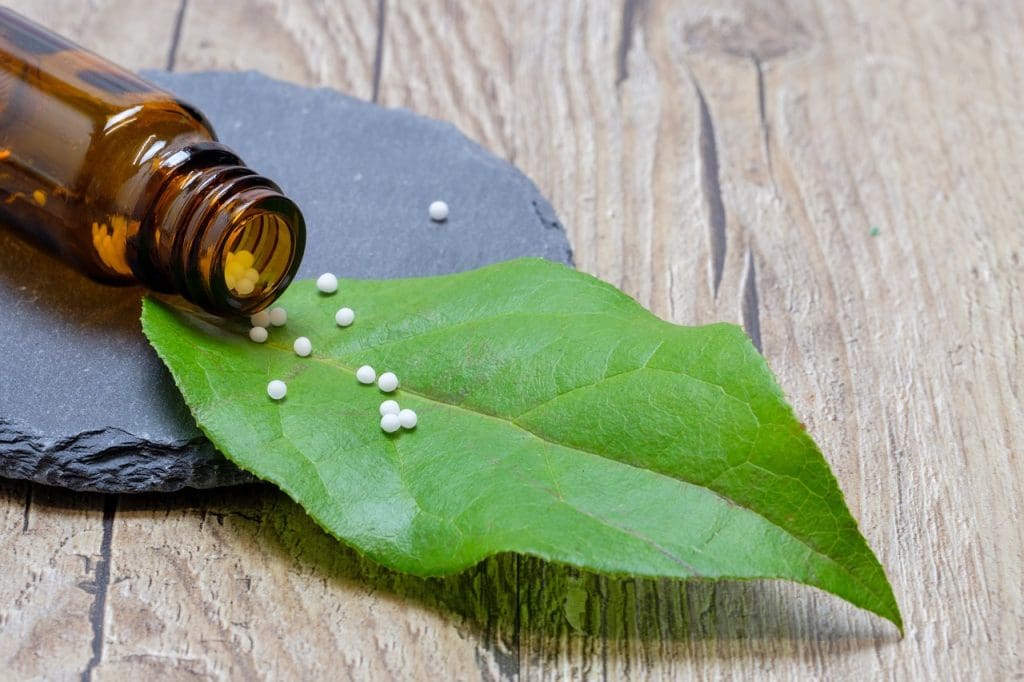
Homeopathy is a holistic system of medicine that follows the principle of “like cures like.” It is based on the idea that a substance that can cause symptoms in a healthy person can stimulate the body’s natural healing response to alleviate similar symptoms in a sick person. Homeopathy treats patients as individuals and aims to address the underlying cause of symptoms rather than suppressing them.
The foundation of homeopathy lies in the Law of Similars, which suggests that a substance that produces symptoms in a healthy person can be used to treat a similar set of symptoms in a sick person. Homeopathic remedies are highly diluted substances derived from plants, minerals, or animal sources. These remedies undergo a special process called potentization, which involves serial dilution and succussion (vigorous shaking).
Fundamental Principles of Homeopathy
Homeopathy is guided by several fundamental principles that form the basis of its approach to medicine:
-
Law of Similars: As mentioned earlier, the Law of Similars is the foundation of homeopathy. According to this principle, a substance that can produce symptoms in a healthy person can stimulate the body’s natural healing response to alleviate similar symptoms in a sick person.
-
Minimum Dose: Homeopathy follows the principle of minimum dose, which suggests that the effectiveness of a remedy increases as it is diluted and potentized. Homeopathic remedies are typically highly diluted to minimize the risk of toxicity while maximizing their therapeutic effects.
-
Individualized Treatment: Homeopathy recognizes that each individual is unique and that the same symptoms may manifest differently in different individuals. The homeopath considers the totality of symptoms, along with the individual’s constitution, lifestyle, and emotional state, to select the most appropriate remedy for the patient.
-
Vital Force: Homeopathy acknowledges the concept of vital force or life energy, which is believed to be responsible for maintaining the body’s health and balance. Homeopathic remedies aim to stimulate the vital force, enhancing its ability to restore balance and heal.
How Homeopathic Remedies are Made
Homeopathic remedies are prepared through a specialized process called potentization. This process involves diluting the original substance in water or alcohol and then vigorously shaking it, also known as succussion. The repeated dilution and succussion steps aim to enhance the energetic properties of the original substance while minimizing its material presence.
Homeopathic remedies are classified into different potencies, denoted by a number and letter combination. The number indicates the number of successive dilutions, while the letter represents the level of shaking or succussion. The higher the potency, the greater the dilution and the more potent the remedy is believed to be.
Conditions Treated with Homeopathy
Homeopathy can be used to address a wide range of acute and chronic conditions. Some common conditions that can benefit from homeopathic treatment include:
-
Allergies: Homeopathic remedies can help alleviate symptoms associated with allergies, such as hay fever, food sensitivities, and asthma.
-
Respiratory conditions: Homeopathy can support the respiratory system, providing relief from common respiratory infections, coughs, colds, and sinusitis.
-
Digestive disorders: Homeopathic remedies can aid in the management of digestive issues such as indigestion, acid reflux, irritable bowel syndrome (IBS), and constipation.
-
Skin conditions: Homeopathic treatment may be beneficial for various skin conditions, including eczema, acne, psoriasis, and hives.
-
Emotional well-being: Homeopathy considers the emotional and mental aspects of an individual’s health. It can be used to address conditions such as anxiety, depression, insomnia, and stress-related disorders.
It is important to note that homeopathy treats each individual as unique, so the selection of the appropriate remedy depends on the totality of symptoms presented by the patient. Homeopathy is a holistic system that aims to address the root cause of symptoms rather than merely suppressing them.
Effectiveness and Controversies
The effectiveness of homeopathy remains a subject of debate within the medical community. While some studies have shown positive outcomes, others suggest that any perceived benefits may be due to a placebo effect. Critics argue that the extreme dilutions used in homeopathy render the remedies essentially inert and incapable of producing physiological effects.
Nevertheless, homeopathy maintains a dedicated following, and many individuals report improved symptoms and well-being with homeopathic treatment. Additionally, homeopathy is recognized by the World Health Organization (WHO) as a significant component of complementary and alternative medicine.
It is important to remember that homeopathy should not be relied upon as a sole treatment for serious medical conditions. It is best used as part of a comprehensive and individualized healthcare plan, in collaboration with a qualified homeopath or healthcare professional.
Safety and Regulation
Homeopathic remedies are generally considered safe when used as directed. The extreme dilutions used in homeopathy minimize the risk of toxicity or adverse effects. However, it is important to seek guidance from a qualified homeopath or healthcare professional to ensure the appropriate selection and dosage of remedies.
Regulation and standards for homeopathic remedies vary by country. In some countries, such as Germany and France, homeopathy is an integral part of the healthcare system and is regulated accordingly. However, in other countries, such as the United States, regulatory oversight is more limited.
It is essential to consult a qualified homeopath or healthcare professional who is knowledgeable and experienced in homeopathy to ensure the safe and effective use of homeopathic remedies.
Massage Therapy
Overview of Massage Therapy
Massage therapy is a popular holistic healing modality that involves manipulating the body’s soft tissues to promote relaxation, relieve muscle tension, and improve overall well-being. The practice of massage therapy has a long history, with various techniques originating from different cultures worldwide.
Massage therapists utilize their hands, fingers, elbows, and sometimes special tools to apply pressure, knead, or manipulate the muscles, tendons, ligaments, and other soft tissues of the body. Massage therapy can be tailored to meet individual needs and can range from gentle, soothing strokes to deeper, more intense pressure.
Types of Massage Techniques
There are several different types of massage techniques, each with its own unique focus and benefits. Some common types of massage include:
-
Swedish massage: This type of massage involves long, flowing strokes, kneading, and circular movements to promote relaxation and improve circulation.
-
Deep tissue massage: Deep tissue massage targets the deeper layers of muscle and connective tissue. It utilizes slower, more intense strokes to address chronic muscle tension and promote pain relief.
-
Sports massage: Sports massage is specifically tailored to athletes and individuals engaged in physical activities. It focuses on preventing and treating injuries, enhancing performance, and facilitating recovery.
-
Trigger point therapy: Trigger point therapy involves applying pressure to specific areas of muscle knots or trigger points to relieve pain and promote relaxation.
-
Shiatsu: Shiatsu is a Japanese massage technique that involves applying pressure to specific points along the body’s meridians to promote energy flow and balance.
-
Thai massage: Thai massage combines yoga-like stretching, acupressure, and deep tissue techniques. It aims to release energy blockages, improve flexibility, and promote overall relaxation.
These are just a few examples of the many massage techniques available. Massage therapists often tailor their approach to meet the unique needs and preferences of each client.
Benefits of Massage Therapy
Massage therapy offers numerous potential benefits that extend beyond simple relaxation. Regular massage therapy sessions can have a positive impact on various aspects of physical, mental, and emotional well-being. Some of the key benefits of massage therapy include:
-
Stress reduction: Massage therapy can help alleviate stress and promote relaxation by reducing the levels of stress hormones in the body and triggering the release of endorphins.
-
Pain relief: Massage therapy can provide relief from acute or chronic pain by relaxing muscles, improving circulation, and releasing endorphins, which act as natural pain relievers.
-
Improved flexibility and range of motion: Massage techniques that involve stretching and mobilization can help enhance flexibility, reduce muscle stiffness, and improve range of motion.
-
Enhanced circulation: Massage therapy can promote blood flow, which helps deliver oxygen and nutrients to the muscles and organs, as well as remove waste products and toxins.
-
Improved sleep quality: Massage therapy can aid in relaxation, alleviate insomnia, and improve sleep quality by reducing stress and promoting overall well-being.
-
Reduced anxiety and depression: Massage therapy can have a calming and soothing effect on the nervous system, promoting a sense of well-being and alleviating symptoms of anxiety and depression.
-
Injury prevention and rehabilitation: Massage therapy can help prevent injuries by improving muscle balance, flexibility, and circulation. It is also commonly used to support the rehabilitation process following an injury.
Common Conditions Treated with Massage
Massage therapy can be beneficial for a wide range of conditions and concerns. Some of the common conditions that can benefit from massage therapy include:
-
Chronic pain: Massage therapy can provide relief from chronic pain conditions such as fibromyalgia, arthritis, or back pain.
-
Muscle tension and stiffness: Massage therapy can help alleviate muscle tension, stiffness, and knots caused by poor posture, stress, or overuse.
-
Sports injuries: Massage therapy plays a crucial role in sports injury prevention, as well as the rehabilitation process following an injury. It can help relieve pain, reduce swelling, and promote faster recovery.
-
Headaches and migraines: Massage therapy focused on the neck and shoulders can help alleviate tension headaches and migraines and promote headache-free days.
-
Stress and anxiety: Massage therapy is an effective tool for stress reduction, anxiety management, and promoting relaxation and well-being.
-
Pregnancy discomfort: Prenatal massage therapy can help alleviate pregnancy-related discomfort, such as back pain, swollen ankles, and muscle tension.
It is important to communicate openly with your massage therapist about your specific concerns and any existing medical conditions to ensure a safe and effective massage experience.
Choosing a Massage Therapist
When seeking massage therapy, it is essential to choose a qualified and reputable massage therapist. Here are some factors to consider when selecting a massage therapist:
-
Qualifications and certifications: Ensure that the massage therapist is licensed or certified by a recognized body in your country or region. This ensures that they have met the required standards of education and training.
-
Experience and expertise: Inquire about the massage therapist’s experience and whether they have worked with individuals experiencing similar concerns or conditions.
-
Communication and rapport: A good massage therapist should listen attentively to your concerns, ask questions, and communicate openly with you throughout the session. Look for someone who makes you feel comfortable and respects your boundaries.
-
Referrals and recommendations: Seek recommendations from trusted sources, such as healthcare professionals, friends, or family members who have had positive experiences with a massage therapist.
-
Location and accessibility: Consider the location, accessibility, and convenience of the massage therapist’s practice. This ensures that you can easily access the services when needed.
-
Professionalism and ethics: Pay attention to the professionalism, cleanliness, and ethics of the massage therapist and their practice. This includes maintaining client confidentiality and adhering to appropriate hygiene protocols.
By taking the time to select a qualified and reputable massage therapist, you can ensure a safe and effective massage experience that meets your specific needs.
Cautions and Contraindications
While massage therapy is generally safe and well-tolerated, there are specific cautions and contraindications to be aware of. It is important to communicate openly with your massage therapist and disclose any existing medical conditions, injuries, or concerns. Here are some situations in which caution or avoidance of massage therapy may be necessary:
-
Open wounds, burns, or skin infections: If you have any open wounds, burns, or skin infections, massage therapy should be avoided in the affected areas.
-
Recent surgeries or injuries: Massage therapy may need to be modified or avoided in certain areas if you have recently undergone surgery or sustained an injury. Always consult with your healthcare provider or surgeon before receiving massage therapy.
-
Chronic or acute health conditions: If you have a chronic or acute health condition, such as cardiovascular disease, cancer, or an infectious disease, it is crucial to consult with your healthcare provider before receiving massage therapy.
-
Pregnancy: Massage therapy during pregnancy requires specific training and techniques. Prenatal massage should only be performed by a massage therapist who is specifically trained and experienced in prenatal care.
By ensuring open communication with your massage therapist, you can work together to create a safe and customized treatment plan that meets your specific needs and goals.
Naturopathy
Overview of Naturopathy
Naturopathy is a holistic approach to healthcare that emphasizes the body’s innate ability to heal itself. Naturopathic medicine combines traditional healing practices with modern medical knowledge to address acute and chronic health conditions, promote overall health, and prevent disease. Naturopaths focus on treating the whole person, considering physical, mental, emotional, and environmental factors that can affect health.
Naturopathy encompasses various treatment modalities, such as clinical nutrition, herbal medicine, homeopathy, lifestyle counseling, physical medicine, and hydrotherapy. Naturopathic doctors (NDs) undergo rigorous training and education to obtain their degrees and are trained to provide comprehensive healthcare services, including diagnostic testing, laboratory evaluations, and personalized treatment plans.
Principles of Naturopathic Medicine
Naturopathic medicine is guided by six fundamental principles, which form the foundation of its approach to healthcare:
-
The healing power of nature: Naturopathy recognizes the body’s innate ability to heal itself and supports this process by identifying and removing obstacles to healing and promoting natural and non-invasive interventions.
-
Identify and treat the cause: Naturopaths aim to address the underlying cause of illness rather than merely suppressing symptoms. By identifying and treating the root cause, long-lasting healing and improved health can be achieved.
-
First, do no harm: Naturopaths prioritize the use of safe and non-toxic therapies that minimize the risk of side effects, interactions, or further harm to the patient.
-
Treat the whole person: Naturopathic doctors take into account the physical, mental, emotional, genetic, and environmental factors that contribute to a person’s health. They focus on treating the individual as a whole, rather than isolating symptoms or systems.
-
Doctor as teacher: Naturopaths educate and empower patients to take an active role in their own health and well-being. They provide guidance, support, and education so that patients can make informed decisions regarding their healthcare.
-
Prevention is the best cure: Naturopathy aims to prevent disease and optimize health through proactive, preventive measures. By identifying and addressing risk factors, adopting healthy lifestyle habits, and promoting wellness practices, naturopathy embraces a proactive approach to healthcare.
Modalities Used in Naturopathy
Naturopathy employs various treatment modalities to support the body’s natural healing processes and restore balance. Some common modalities used in naturopathy include:
-
Clinical nutrition: Naturopaths utilize evidence-based nutritional approaches to provide personalized dietary recommendations, address nutrient deficiencies, and support various health conditions.
-
Herbal medicine: Herbal remedies are an integral part of naturopathy. Naturopaths use plant-based medicines to support and optimize the body’s functions and address specific health concerns.
-
Homeopathy: Naturopaths may use homeopathic remedies to stimulate the body’s natural healing response and address a range of acute and chronic conditions.
-
Lifestyle counseling: Naturopaths provide guidance and support in adopting healthy lifestyle habits, including stress management, regular exercise, sleep hygiene, and emotional well-being.
-
Physical medicine: Naturopaths use various hands-on techniques, such as massage, hydrotherapy, and naturopathic manipulation, to address musculoskeletal conditions, promote relaxation, and stimulate the body’s healing response.
-
Traditional Chinese medicine (TCM): Some naturopaths integrate principles and techniques from TCM, such as acupuncture and acupressure, to support the body’s energy flow and promote balance.
These are just a few examples of the many modalities used in naturopathy. Naturopathic doctors tailor treatment plans to individuals based on their unique needs, concerns, and goals, ensuring a personalized and comprehensive approach to healthcare.
Conditions Treated by Naturopaths
Naturopaths can address a wide range of acute and chronic health conditions. While naturopathy can be used as a primary approach to healthcare, it can also complement conventional medical treatments. Some common conditions that can benefit from naturopathic care include:
-
Digestive disorders: Naturopathy can help address digestive issues, such as irritable bowel syndrome (IBS), food sensitivities, acid reflux, constipation, and inflammatory bowel diseases.
-
Hormonal imbalances: Naturopaths can support hormonal balance and address various hormonal imbalances, such as thyroid disorders, menstrual irregularities, polycystic ovary syndrome (PCOS), and menopausal symptoms.
-
Immune system dysregulation: Naturopaths focus on strengthening the immune system and addressing immune system dysregulation, which can contribute to allergies, frequent infections, autoimmune conditions, and chronic fatigue.
-
Stress-related disorders: Naturopathy emphasizes stress management and support for adrenal health, making it beneficial for individuals experiencing anxiety, depression, insomnia, or other stress-related conditions.
-
Musculoskeletal conditions: Naturopaths can provide personalized treatment plans for musculoskeletal conditions such as arthritis, back pain, joint pain, and sports injuries.
It is important to note that naturopathy treats each individual as unique, and the selection of treatments and modalities may vary depending on the individual’s specific needs and goals. Naturopathy focuses on addressing the root cause of symptoms, providing holistic support, and empowering the individual to take an active role in their own health.
Benefits and Limitations of Naturopathy
Naturopathy offers numerous potential benefits when incorporated into an individual’s healthcare regimen. Some of the key advantages of naturopathy include:
-
Individualized care: Naturopathy takes into account an individual’s unique needs, health history, and concerns, providing personalized treatment plans.
-
Holistic approach: Naturopaths consider physical, mental, emotional, and environmental factors that can affect health, aiming to address the whole person.
-
Empowering patients: Naturopaths educate and empower patients to take an active role in their own health and well-being, making informed decisions regarding their healthcare.
-
Emphasis on prevention: Naturopathy focuses on preventive measures, risk factor identification, and lifestyle modifications to optimize health and prevent disease.
-
Natural and non-invasive treatments: Naturopathy utilizes natural therapies and interventions that are generally safe, minimizing the risk of side effects, interactions, or harm.
It is important to note that while naturopathy can be highly effective for many individuals, it does have its limitations. Naturopathy may not be suitable as a sole treatment for acute or severe medical conditions. In such cases, collaboration with conventional medical treatments may be necessary. Additionally, regulation and licensing of naturopathy vary by country, so it is important to seek care from a qualified and licensed naturopath.
Finding a Qualified Naturopath
When seeking naturopathic care, it is essential to choose a qualified and reputable naturopathic doctor. Consider the following factors when selecting a naturopath:
-
Education and credentials: Ensure that the naturopathic doctor has attended an accredited naturopathic medical program and holds a valid license or certification.
-
Experience and expertise: Inquire about the naturopathic doctor’s experience, areas of specialization, and whether they have successfully treated individuals with similar concerns or conditions.
-
Professional affiliations: Check if the naturopathic doctor is a member of reputable professional associations or governing bodies, which often require adherence to specific standards and codes of ethics.
-
Personal compatibility: A good naturopathic doctor should establish an open and supportive relationship with you, listening attentively to your concerns, asking relevant questions, and communicating openly about the treatment plan.
-
Referrals and recommendations: Seek recommendations from trusted healthcare professionals, friends, or family members who have had positive experiences with a naturopathic doctor.
-
Location and accessibility: Consider the location and accessibility of the naturopath’s practice, as well as the convenience of appointment scheduling.
By taking the time to find a qualified and reputable naturopathic doctor, you can ensure a safe and effective experience that meets your specific needs and goals.
Reflexology
Overview of Reflexology
Reflexology is a complementary therapy that involves applying pressure to specific points on the feet, hands, or ears to stimulate reflex areas of the body. This holistic healing practice is based on the belief that these reflex areas correspond to specific organs, glands, and systems within the body. By applying pressure to these areas, reflexologists aim to promote relaxation, restore balance, and stimulate the body’s natural healing processes.
Reflexology is rooted in the ancient healing traditions of various cultures, including China, Egypt, and Native American traditions. It is widely practiced worldwide today as a non-invasive, natural therapy that can be used alongside conventional medical treatments.
How Reflexology Works
Reflexology is based on the principle that there are reflex areas in the feet, hands, and ears that correspond to specific organs, glands, and systems in the body. According to reflexology theory, when these reflex areas are stimulated, it sends signals through the nervous system to the corresponding parts of the body, promoting balance and healing.
During a reflexology session, a reflexologist uses their hands, fingers, and thumbs to apply pressure and manipulate these reflex areas. The pressure applied can vary depending on the individual’s sensitivity, and the reflexologist may use different techniques such as thumb-walking, rotating, or kneading.
By stimulating these reflex areas, reflexology aims to promote relaxation, improve circulation, relieve tension, enhance energy flow, and stimulate the body’s natural healing processes. It is believed to help restore balance and harmony within the body, supporting overall health and well-being.
Benefits of Reflexology
Reflexology offers numerous potential benefits for the body, mind, and spirit. Some of the key advantages of incorporating reflexology into your wellness routine include:
-
Relaxation and stress reduction: Reflexology provides a deeply relaxing experience, promoting a sense of calm and reducing stress and anxiety.
-
Improved circulation: Reflexology stimulates blood flow, which can enhance oxygen and nutrient delivery to the cells, as well as promote the removal of waste products and toxins.
-
Pain relief: Reflexology may help alleviate pain and discomfort by encouraging the release of natural pain-relieving endorphins and promoting relaxation of tense muscles.
-
Enhanced energy levels: By promoting energy flow and removing blockages, reflexology can increase vitality, promote a sense of balance, and improve overall energy levels.
-
Detoxification: Reflexology supports the body’s natural detoxification processes by improving lymphatic circulation and aiding in the elimination of waste products.
-
Improved sleep quality: Reflexology can help promote restful sleep by inducing a state of relaxation, reducing stress, and alleviating insomnia or sleep disturbances.
-
Enhancing overall well-being: Reflexology provides a holistic approach to health and well-being, aiming to address not only physical symptoms but also emotional and spiritual aspects of wellness.
It is important to note that the benefits of reflexology can vary depending on the individual. Regular reflexology sessions, alongside a healthy lifestyle, can help maintain balance and promote overall well-being.
Areas of the Feet and Hands Corresponding to Organs
Reflexologists believe that specific reflex areas on the feet, hands, and ears correspond to different organs, glands, and systems within the body. Here are some examples of the reflex areas and their corresponding body parts:
-
The ball of the foot is believed to correspond to the heart and chest area.
-
The arch of the foot is thought to relate to the digestive system, including the stomach, liver, and intestines.
-
The toes are believed to correspond to the head, sinuses, and brain.
-
The heel is thought to correspond to the lower back and pelvic area.
-
The thumb and fingers of the hand are believed to correspond to different parts of the body, with the fingers corresponding to the head and neck area, and the thumb corresponding to the brain and pituitary gland.
It is important to note that reflexology does not diagnose or cure any specific medical condition. Instead, it is a complementary therapy aimed at promoting relaxation, balance, and overall well-being.
Conditions Treated with Reflexology
Reflexology can be used to support and complement conventional medical treatments for various acute and chronic health conditions. While it is not a substitute for medical care, reflexology may offer relief and support for individuals experiencing the following conditions:
-
Chronic pain: Reflexology may help alleviate pain caused by conditions such as fibromyalgia, arthritis, migraines, and back pain.
-
Digestive disorders: Reflexology can aid in the management of digestive issues such as irritable bowel syndrome (IBS), bloating, constipation, and indigestion.
-
Stress-related conditions: Reflexology can provide relaxation and stress reduction, benefiting conditions such as anxiety, insomnia, and tension headaches.
-
Pregnancy discomfort: Reflexology can offer relief from common pregnancy discomforts such as back pain, swollen feet, and hormonal imbalances.
-
Respiratory conditions: Reflexology may help reduce symptoms associated with respiratory conditions, such as asthma, allergies, and sinus congestion.
It is important to consult with a healthcare professional before incorporating reflexology into your healthcare regimen, especially if you have specific health concerns or conditions. Reflexology can be a valuable adjunct therapy that works alongside conventional medicine to promote overall well-being.
Safety and Considerations
Reflexology is generally considered safe, non-invasive, and well-tolerated. However, there are certain considerations to keep in mind:
-
Communicate with your reflexologist: It is important to communicate openly with your reflexologist about any existing health conditions, concerns, or discomforts you may have. This allows them to tailor the session to your individual needs and avoid any potential contraindications.
-
Sensitivity and pressure: Reflexology involves applying pressure to the reflex areas. If you experience discomfort or sensitivity during the session, let your reflexologist know, as they can adjust the pressure to your comfort level.
-
Pregnancy and high-risk conditions: If you are pregnant or have any high-risk conditions, discuss reflexology with your healthcare provider before receiving a session. Reflexology can be adapted for pregnant individuals, but it is essential to seek guidance from a qualified reflexologist who specializes in prenatal reflexology.
-
Recent surgeries or injuries: Reflexology involves applying pressure to the feet, hands, or ears, involving different areas of the body. If you have had recent surgeries or injuries, consult with your healthcare provider or surgeon before receiving reflexology.
By choosing a qualified reflexologist, communicating openly about your needs and health status, and following any guidance from your healthcare provider, you can enjoy a safe and beneficial reflexology experience.