
Welcome to the world of reflexology, where the power of touch can work wonders for your overall well-being. In this article, we will explore how reflexology can be a key component in achieving holistic wellness. By targeting specific pressure points on the feet, hands, and ears, reflexology can help to alleviate stress, improve circulation, and promote relaxation throughout the body. Discover the potential benefits of this ancient healing technique and how it can be integrated into your self-care routine for a happier, healthier you.
Have you ever wondered about how reflexology can benefit your overall well-being?
Hey, are you looking to improve your health in a natural and holistic way? You might want to consider incorporating reflexology into your wellness routine. In this article, we will explore the power of reflexology and how it can contribute to your holistic wellness journey. So let’s dive in!
What is Reflexology?
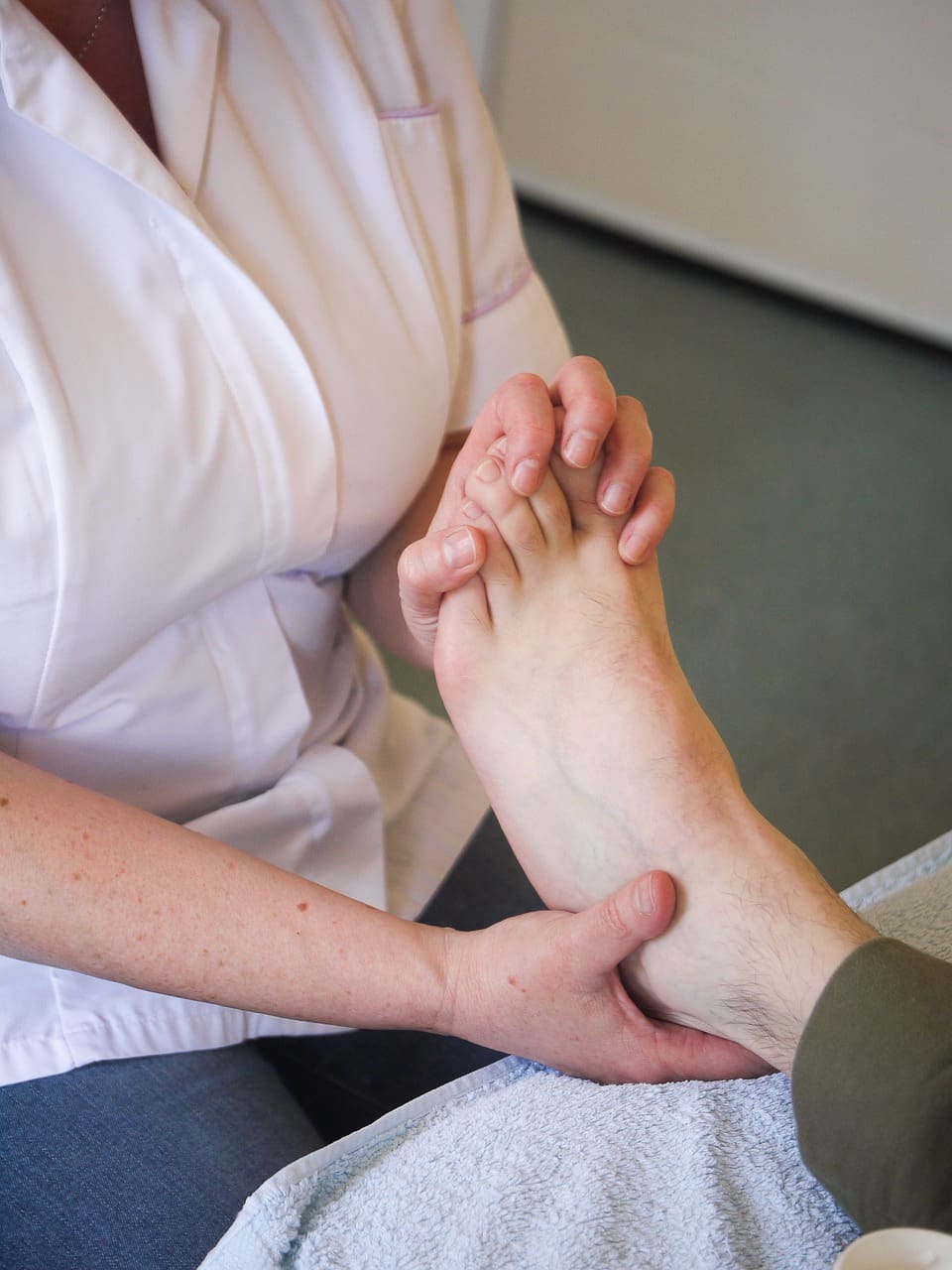
So, what exactly is reflexology? Reflexology is a non-intrusive complementary health therapy that is based on the theory that different points on the hands, feet, face, and ears correspond with different areas of the body. By applying pressure to these reflex points, it is believed that the body’s natural healing process can be stimulated, promoting overall health and well-being.
How Does Reflexology Work?
You might be wondering how applying pressure to specific points on the hands and feet can have such a profound impact on your overall health. Well, let me break it down for you. The theory behind reflexology is that these reflex points are connected to different organs and systems in the body through energy pathways. By applying pressure to these points, blockages in the energy pathways can be released, allowing the body to restore balance and harmony.
What Are the Benefits of Reflexology?
Now that you have a better understanding of how reflexology works, let’s talk about the benefits it can offer. From stress relief to improved circulation, reflexology can have a wide range of positive effects on both the body and mind. Some of the key benefits of reflexology include:
- Stress reduction and relaxation
- Improved blood circulation
- Enhanced energy levels
- Pain relief
- Better sleep quality
Reflexology for Stress Relief
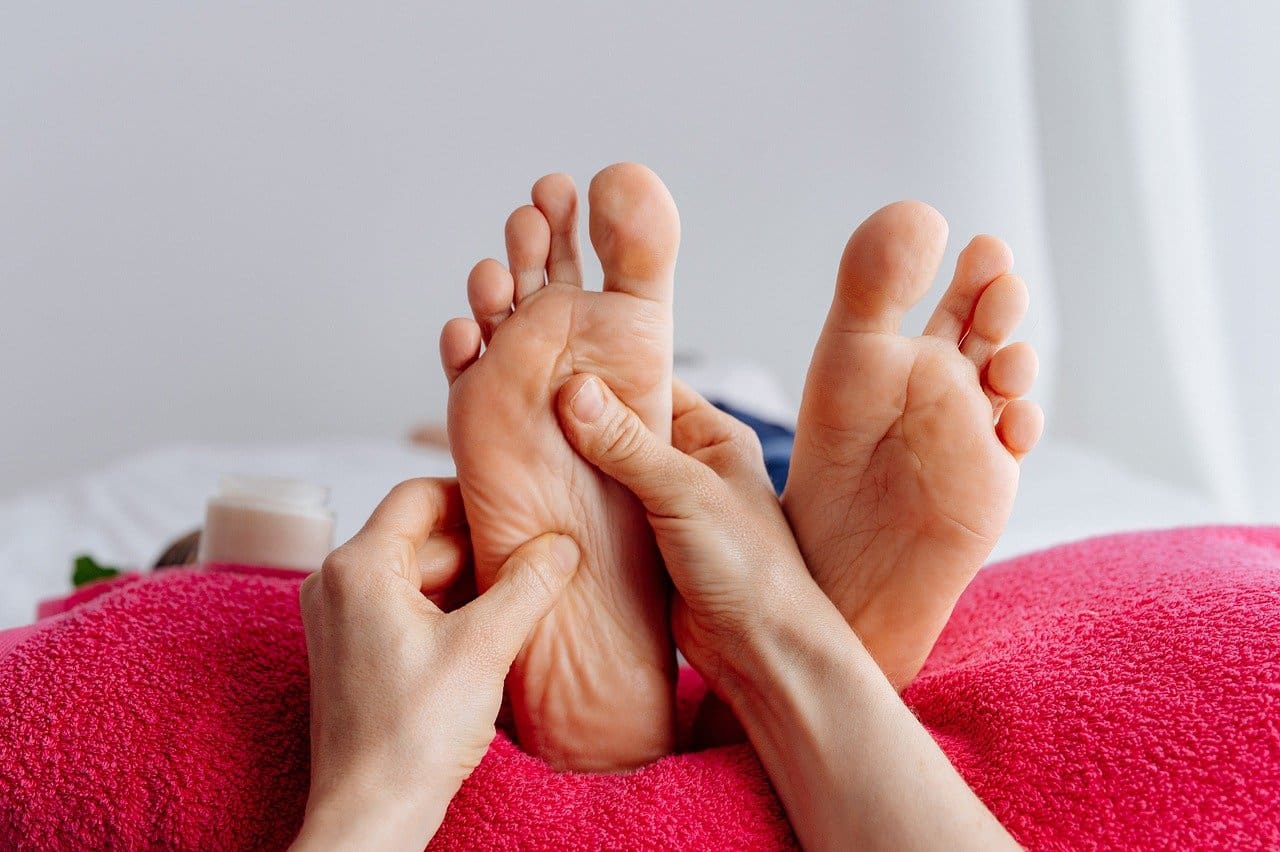
In today’s fast-paced world, stress has become a common companion for many of us. If you find yourself feeling overwhelmed and tense, reflexology can be a great tool for stress relief. By targeting specific reflex points that correspond with stress-related areas in the body, reflexology can help release tension and promote relaxation, leaving you feeling calm and rejuvenated.
Reflexology for Improved Circulation
Good circulation is essential for overall health and well-being. Poor circulation can lead to a variety of health issues, including numbness, cold hands and feet, and muscle cramps. Reflexology can help improve blood flow by stimulating the reflex points associated with the circulatory system. This can not only increase oxygen and nutrient delivery to the cells but also help eliminate waste and toxins from the body, promoting optimal health.
Reflexology for Enhanced Energy Levels
Feeling tired and sluggish? Reflexology might be just what you need to boost your energy levels. By targeting specific reflex points that correspond with energy pathways in the body, reflexology can help improve energy flow and vitality. This can leave you feeling more energized and focused, ready to take on whatever challenges come your way.
Reflexology for Pain Relief
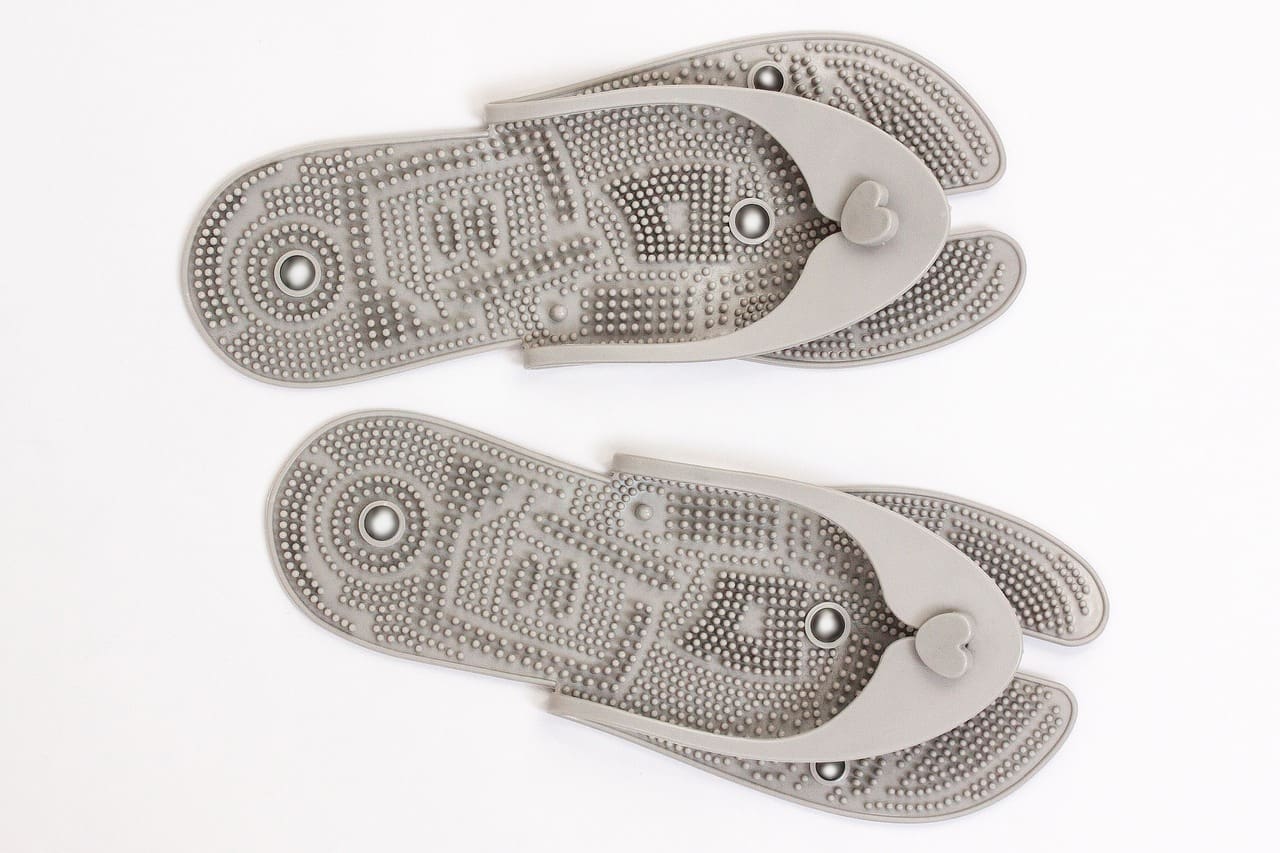
Whether you’re dealing with chronic pain or just a nagging headache, reflexology can offer relief from a variety of aches and pains. By applying pressure to specific reflex points that correspond with pain receptors in the body, reflexology can help release endorphins, the body’s natural painkillers. This can provide relief from discomfort and promote a sense of well-being.
Reflexology for Better Sleep Quality
Are you struggling to get a good night’s sleep? Reflexology can help you achieve the restful sleep you deserve. By targeting specific reflex points that correspond with the nervous system and sleep regulation, reflexology can help calm the mind and body, promoting relaxation and improved sleep quality. Say goodbye to restless nights and hello to deep, rejuvenating slumber.
Reflexology Charts
If you’re new to reflexology, you might find reflexology charts to be a helpful tool in understanding the various reflex points on the hands and feet. These charts typically show the location of reflex points and their corresponding organs or systems in the body. Here is a simple reflexology chart for the feet to get you started:
| Reflex Point | Body Part |
|---|---|
| Toes | Head |
| Ball of | Lungs/Heart |
| Foot Arch | Solar Plexus |
| Heel | Pelvis |
| Inner Heel | Sciatic Nerve |
By referencing a reflexology chart, you can target specific areas of the body for a tailored reflexology session that meets your individual needs.
Reflexology Techniques
There are various techniques that can be used during a reflexology session to target different areas of the body and promote specific health benefits. Here are some common reflexology techniques:
- Thumb Walking: Using the thumb to apply pressure in a walking motion on the reflex points.
- Finger Walking: Using the fingers to apply pressure in a walking motion on the reflex points.
- Rotational Pressing: Applying gentle circular motions on the reflex points to release tension.
- Kneading: Similar to kneading dough, this technique involves applying pressure in a gentle twisting motion on the reflex points.
Reflexology Sessions
When it comes to reflexology sessions, the frequency and duration can vary depending on your individual needs and goals. Some people may benefit from regular weekly sessions, while others may find monthly sessions to be sufficient. A typical reflexology session usually lasts around 30 to 60 minutes, during which a trained reflexologist will apply pressure to specific reflex points on your hands and feet. Remember to communicate with your reflexologist about your concerns and preferences to ensure a personalized and effective session.
Reflexology and Holistic Wellness
At the core of reflexology is the belief in the interconnectedness of the body, mind, and spirit. By promoting balance and harmony within the body’s energy pathways, reflexology can contribute to your overall well-being on a physical, mental, and emotional level. When integrated into a holistic wellness routine that includes healthy eating, regular exercise, and mindfulness practices, reflexology can be a powerful tool for enhancing your quality of life.
Conclusion
So, there you have it! Reflexology is not just a soothing foot massage – it’s a holistic therapy that can have a profound impact on your overall health and wellness. Whether you’re looking to reduce stress, improve circulation, boost energy, relieve pain, or enhance sleep quality, reflexology offers a natural and effective way to support your well-being. So why not give reflexology a try and experience the transformative power it can have on your holistic wellness journey? Your body and mind will thank you for it.