
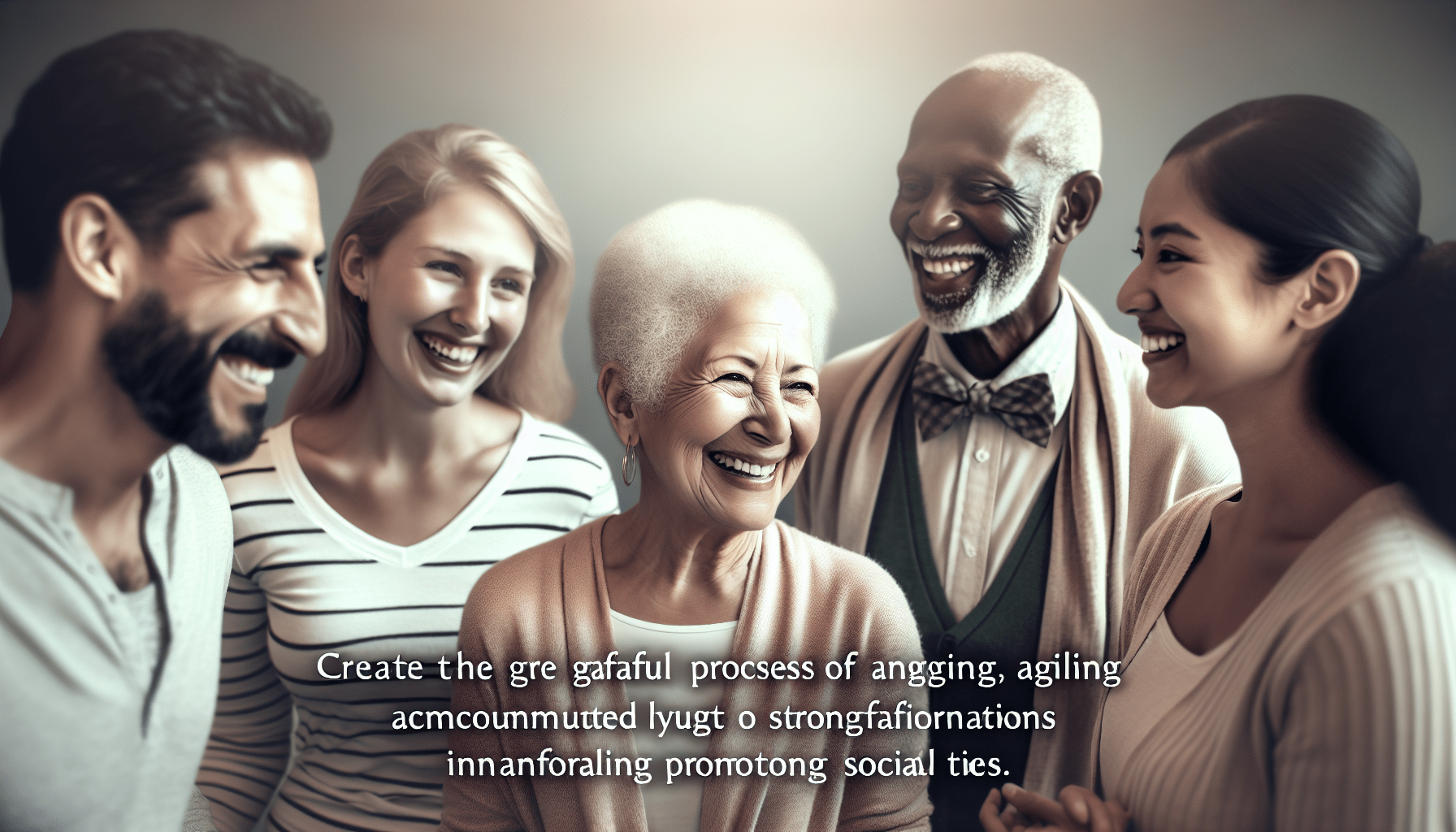
Imagine a life of laughter, joy, and fulfillment as you age gracefully, surrounded by a vibrant circle of friends and loved ones. In today’s fast-paced world, where technological advancements have brought convenience but also isolation, the power of social connections cannot be underestimated. Research has shown that maintaining strong social connections can have a profound impact on our physical and mental well-being as we journey through the golden years. From reducing the risk of chronic diseases to enhancing cognitive function, nurturing relationships with others is an essential ingredient for healthy aging. So, grab a cup of tea, settle into your favorite chair, and let’s explore the transformative power of social connections in the pursuit of a fulfilling and vibrant life.
Benefits of Social Connections
Social connections play a crucial role in maintaining overall well-being, especially as we age. By fostering relationships with others and engaging in social activities, you can experience a multitude of benefits that enhance your mental, cognitive, and physical health. Here are some key advantages of social connections:
Reduced risk of mental health issues
Connecting with others helps to reduce the risk of developing mental health issues, such as depression and anxiety. Social interactions provide a support system where you can openly express your feelings, receive emotional support, and gain perspective. Whether it’s through sharing experiences, seeking advice, or simply having someone to talk to, having social connections can significantly improve your mental well-being.
Improved cognitive function
Engaging in social activities stimulates your brain and leads to improved cognitive function. Interacting with others challenges your brain to think, solve problems, and communicate effectively. Regular social engagement can help enhance memory, attention, and verbal fluency. By keeping your mind active and engaged, you can maintain and even improve your cognitive abilities as you age.
Better physical health
Believe it or not, social connections also have a positive impact on your physical health. Research suggests that individuals who have strong social support networks experience a decreased risk of developing various health conditions. This includes lower rates of cardiovascular diseases, better immune function, and faster recovery from illnesses. The power of social connections extends beyond mental well-being and can contribute to a healthier, more resilient body.
Social Interactions and Emotional Well-being
When it comes to emotional well-being, social interactions can have a profound effect on your mood, sense of belonging, and feelings of loneliness and isolation. Here’s how social connections can positively influence your emotional well-being:
Positive impact on mood
Spending time with others in social settings can boost your mood and overall happiness. Engaging in enjoyable activities, sharing laughter, and being surrounded by company can create a positive and uplifting atmosphere. Social connections provide a source of joy and emotional support, nurturing your emotional well-being.
Fostering a sense of belonging
Being part of a social network helps foster a sense of belonging and connectedness. Knowing that you have people who care about you, understand you, and value your presence can provide a strong sense of purpose and identity. Feeling connected to others is an essential component of emotional well-being, as it creates a support system and promotes a sense of security in the world.
Reduced feelings of loneliness and isolation
Loneliness and isolation are common challenges faced by older adults. However, social connections can help combat these feelings by providing opportunities for social engagement and interaction. By maintaining close relationships and actively participating in social activities, you can reduce feelings of loneliness and isolation. Regular social interactions offer companionship, support, and a sense of being a part of something greater than oneself.
Social Engagement and Brain Health
The benefits of social connections extend to brain health, as social engagement stimulates brain activity, enhances memory and learning, and protects against cognitive decline. Here’s how social engagement positively impacts your brain:
Stimulating brain activity
Engaging in social activities activates various regions of the brain, stimulating brain activity. Participating in conversations, solving problems together, and socializing in general require mental effort and cognitive flexibility. The constant engagement challenges your brain and helps keep it sharp and agile.
Enhanced memory and learning
Regular social interactions can enhance your memory and learning capabilities. Close relationships and conversations create opportunities to share information, stories, and experiences. By engaging in these interactions, you exercise your memory and strengthen your ability to retain new information, which is vital for healthy cognitive function.
Protection against cognitive decline
Research suggests that socially connected individuals are at a lower risk of experiencing cognitive decline. The mental stimulation provided by social engagement helps to keep your brain active and resilient. By constantly challenging your cognitive abilities, you can reduce the risk of developing conditions such as dementia and Alzheimer’s disease.
Social Support and Physical Health
Social connections not only have emotional and cognitive benefits, but they also have tangible impacts on your physical health. Here’s how social support can positively influence your physical well-being:
Lowered risk of cardiovascular diseases
Strong social connections are associated with a lowered risk of developing cardiovascular diseases. Research indicates that individuals with social support networks tend to have healthier habits, including regular exercise, balanced diets, and better stress management. Furthermore, having a strong support system can help provide emotional stability, reducing the impact of stress on the cardiovascular system.
Stronger immune system
Social connections can boost your immune system, making you less susceptible to illnesses and infections. When you have a network of supportive individuals around you, it helps alleviate stress, boosts your mood, and bolsters your overall well-being. A stronger immune system allows your body to better fight off pathogens and recover more quickly from illnesses.
Faster recovery from illnesses
Having social connections can contribute to a faster recovery from illnesses. When you’re surrounded by caring individuals who provide emotional, practical, and physical support, it can positively impact your healing process. Their encouragement, assistance with daily tasks, and companionship can speed up your recovery and improve your overall well-being.
Social Activities and Longevity
Engaging in social activities and fostering social connections can have a significant impact on your longevity and the aging process, leading to a healthier and more fulfilling life. Here’s how social activities contribute to longevity:
Increased lifespan
Research consistently highlights the positive correlation between social connections and increased lifespan. Individuals who have strong social networks tend to live longer compared to those who are socially isolated. Social connections give a sense of purpose, support, and motivation in life, which promotes a healthier and more fulfilling existence.
Healthier aging process
Maintaining social connections as you age leads to a healthier aging process. Social engagement keeps you mentally and physically active, reducing the risk of age-related health issues. Regular interactions with others help combat feelings of loneliness and isolation, promoting a positive outlook on life and enhancing overall well-being.
Lower mortality rates
Strong social connections have been linked to lower mortality rates. Being surrounded by a network of individuals who care for you and whom you care for creates a sense of support, purpose, and belonging. These factors contribute to a healthier and more resilient mind and body, ultimately leading to a lower risk of mortality.
Types of Social Connections
Social connections come in various forms and can be found through different avenues. Here are some common types of social connections:
Family
Family connections are often the first and most fundamental type of social connection. Maintaining close ties with family members provides a strong support system and a sense of belonging.
Friends
Friendships contribute greatly to social connections. Having close friendships can provide emotional support, companionship, and shared experiences, helping to enhance overall well-being.
Community
Connecting with others within your community, whether it’s neighbors, colleagues, or individuals sharing common interests, helps foster a sense of belonging and builds a support network. Community connections can be found through local events, clubs, and organizations.
Pets and animals
Interacting with pets and animals can also provide social connections. The companionship and unconditional love offered by pets can significantly contribute to both mental and physical well-being.
How to Foster Social Connections
Fostering social connections requires some effort and initiative. Here are some practical ways to nurture and develop social connections:
Joining social clubs and organizations
Joining social clubs and organizations allows you to meet like-minded individuals, expanding your social network. Whether it’s a book club, a sports team, or a hobby group, being part of a community with shared interests provides ample opportunities for social interaction.
Volunteering
Volunteering not only allows you to give back to your community but also provides an avenue for social connections. By engaging in volunteer work, you can meet people who share similar values and passions, creating a strong sense of camaraderie.
Taking up hobbies and activities
Exploring new hobbies and activities can lead to social connections. Whether it’s learning a musical instrument, painting, gardening, or any other activity that interests you, engaging in these activities with others creates opportunities for socializing and forming connections.
Attending community events
Participating in local community events, such as festivals, fairs, and workshops, provides opportunities to meet new people and engage in social interactions. These events often foster a sense of community and allow for casual conversations and connections to naturally develop.
Adapting to Technological Changes
In today’s digital age, technology has made it easier than ever to maintain and develop social connections. Here are some examples of how you can adapt to technological changes to enhance your social connections:
Utilizing social media platforms
Social media platforms like Facebook, Instagram, and Twitter provide opportunities to connect with family, friends, and even make new connections. These platforms allow you to stay engaged with the lives of others, share experiences, and communicate easily.
Online communities and forums
Joining online communities and forums centered around your interests is another way to foster social connections. These platforms provide an avenue for discussions, exchanging ideas, and meeting like-minded individuals from around the world.
Video calls and virtual gatherings
Technology allows for face-to-face interactions, even when physical distances are a barrier. Platforms like Zoom, Skype, and FaceTime enable video calls and virtual gatherings, ensuring that you can maintain social connections even when you can’t be physically present.
Overcoming Barriers to Social Connections
While social connections are beneficial, certain barriers may pose challenges. Here are some common barriers and possible solutions to overcome them:
Transportation issues
Limited transportation options can hinder social connections, especially for individuals who no longer drive or have difficulty accessing public transportation. Solutions include organizing carpooling with friends or utilizing ride-sharing services to attend social activities.
Language and cultural barriers
Language and cultural barriers can create communication challenges and hinder social connections, particularly for individuals who are not fluent in the local language or are from a different cultural background. Language learning programs, cultural exchange programs, and community language classes can be helpful in overcoming these barriers.
Physical limitations and disabilities
Physical limitations and disabilities can make it more difficult to engage in social activities and form connections. Seeking out disability-friendly organizations, participating in adaptive sports or activities, and utilizing assistive devices can help individuals with physical limitations overcome these barriers and maintain social connections.
Promoting Social Connections in Older Adults
Promoting social connections in older adults is crucial for their overall health and well-being. Here are some strategies to promote social connections:
Creating age-friendly communities
Designing communities that cater to the needs of older adults, such as providing accessible public spaces, housing options, and transportation, fosters social connections. By creating environments that promote social interactions, older adults can have greater access to social support networks.
Educating healthcare professionals
Healthcare professionals can play a critical role in promoting social connections among older adults. By recognizing the importance of social connections in overall well-being, healthcare providers can emphasize the benefits and encourage social engagement as part of their care plans.
Developing social support programs
Offering social support programs specifically targeted towards older adults can help facilitate social connections. These programs can include group activities, support groups, and social events designed to encourage interaction and provide a sense of belonging.
In conclusion, social connections are powerful tools for healthy aging. They offer numerous benefits, ranging from reduced risk of mental health issues and improved cognitive function to better physical health and increased longevity. By fostering social connections and actively engaging in social activities, individuals can lead happier, healthier lives as they age. It’s never too late to start cultivating new relationships and strengthening existing ones, so consider taking steps to nurture your social connections today.