
Welcome to an exploration of the powerful impact creativity can have on your mental health and overall well-being. Engaging in creative activities such as painting, writing, or playing music can provide a much-needed outlet for self-expression and stress relief. In this article, we will delve into the various ways creativity can positively influence your mental health, boost your mood, and enhance your overall sense of well-being. So grab your paintbrush, pen, or instrument, and let’s discover the transformative power of creativity together. Have you ever considered the link between creativity and mental health? How does engaging in creative activities impact your overall well-being? Let’s explore the important role that creativity plays in maintaining mental health and enhancing overall wellness.
The Connection between Creativity and Mental Health
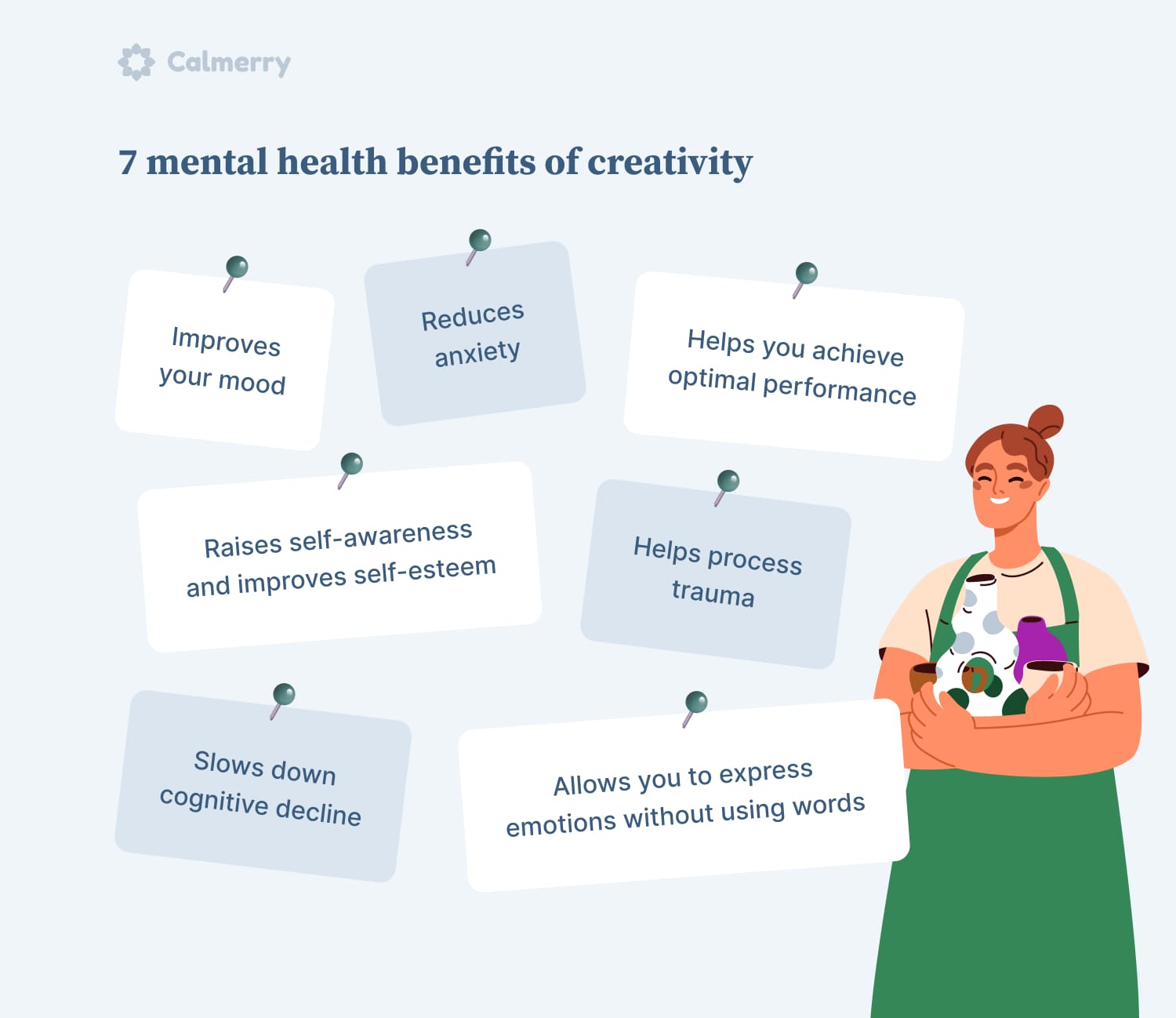
Creativity is more than just artistic expression – it is a powerful tool for enhancing mental health and promoting well-being. When you engage in creative activities, such as painting, writing, or playing music, you are tapping into a unique form of self-expression that can have profound effects on your mental and emotional state.
Creativity allows you to channel your thoughts and feelings in a constructive way, providing an outlet for stress, anxiety, and other negative emotions. By expressing yourself creatively, you can gain a deeper understanding of your inner world and cultivate a sense of emotional resilience.
How Creativity Impacts Mental Health
Engaging in creative activities has been shown to have numerous benefits for mental health. Studies have found that participating in creative pursuits can reduce symptoms of depression and anxiety, improve mood, and enhance overall well-being.
When you engage in creative activities, your brain releases dopamine, a neurotransmitter that is associated with feelings of pleasure and reward. This can help to boost your mood and increase feelings of happiness and satisfaction.
Additionally, creative activities can help to improve cognitive function and focus, as they require you to use your imagination, problem-solving skills, and critical thinking abilities. This can lead to increased feelings of self-confidence and a greater sense of accomplishment.

The Therapeutic Power of Creativity
Creativity has long been used as a therapeutic tool to promote emotional healing and manage mental health issues. Art therapy, music therapy, and other forms of creative therapy have been shown to be effective in helping individuals cope with a wide range of emotional challenges.
Art Therapy
Art therapy involves using visual art forms, such as painting, drawing, and sculpting, as a means of self-expression and emotional exploration. Through the creative process, individuals can gain insight into their emotions, thoughts, and experiences, and work through unresolved issues in a safe and supportive environment.
Art therapy has been shown to be particularly effective in helping individuals with PTSD, depression, and anxiety, as well as those dealing with grief, trauma, and other emotional challenges. By creating art, individuals can externalize their feelings, gain a sense of control over their emotions, and develop new coping strategies.
Music Therapy
Music therapy uses music as a tool for emotional expression, communication, and relaxation. Listening to music, playing an instrument, or singing can have powerful therapeutic effects, helping to reduce stress, calm the mind, and improve overall mood.
Music therapy has been shown to be effective in treating a wide range of mental health issues, including depression, anxiety, and addiction. By engaging with music in a creative way, individuals can access emotions that are difficult to express verbally, process traumatic experiences, and find a sense of comfort and connection.
Writing Therapy
Writing therapy involves using written words as a means of self-exploration, reflection, and healing. Whether through journaling, poetry, or storytelling, writing can be a powerful tool for processing emotions, gaining clarity, and finding meaning in difficult experiences.
Writing therapy has been shown to be effective in helping individuals cope with stress, improve emotional regulation, and enhance self-awareness. By putting thoughts and feelings into words, individuals can gain a deeper understanding of themselves, identify patterns of thinking and behavior, and develop strategies for coping with challenging situations.
Incorporating Creativity into Your Daily Life
You don’t have to be an artist or musician to benefit from the therapeutic power of creativity. There are many simple ways to incorporate creative activities into your daily routine, whether you’re looking to reduce stress, boost your mood, or simply unwind at the end of a long day.
Creative Journaling
Keeping a journal can be a powerful tool for self-reflection and emotional expression. Whether you prefer to write prose, poetry, or bullet points, journaling can help you gain insight into your thoughts and feelings, track your moods and triggers, and set goals for personal growth.
Coloring
Coloring has been gaining popularity as a relaxation technique for adults, as it can help to reduce stress, increase focus, and promote mindfulness. Whether you choose a coloring book or create your own designs, coloring can be a fun and therapeutic way to unwind and tap into your creativity.
Mindful Movement
Engaging in mindful movement practices, such as yoga, dance, or tai chi, can be a creative way to express yourself physically and mentally. These practices can help you connect with your body, release tension, and improve your mood through gentle and deliberate movements.
Crafting
Crafting activities, such as knitting, sewing, or woodworking, can be a satisfying way to engage in hands-on creative work. By using your hands to create something tangible, you can experience a sense of accomplishment, build confidence in your abilities, and relax your mind through focused attention.

Cultivating Creativity for Mental Wellness
If you’re looking to enhance your mental health and well-being through creativity, there are several strategies you can try to cultivate your creative mindset and tap into your unique talents and interests.
Set Aside Time for Creativity
Make time in your schedule for creative activities that bring you joy and relaxation. Whether you prefer to paint, write, play music, or dance, carving out time for creativity can help you unwind, reduce stress, and connect with your inner self.
Try New Things
Experiment with different creative mediums and techniques to discover what resonates with you. Don’t be afraid to step out of your comfort zone and explore new ways of expressing yourself, as this can help you expand your creative abilities and uncover hidden talents.
Practice Mindfulness
Engage in creative activities mindfully, focusing on the process rather than the outcome. Allow yourself to be fully present in the moment, letting go of self-judgment and expectations, and simply enjoy the act of creating without pressure or criticism.
Seek Inspiration
Draw inspiration from the world around you – nature, art, music, literature – and incorporate these influences into your creative work. Surround yourself with beauty and creativity, and allow these sources of inspiration to fuel your own imagination and artistic vision.
Conclusion
Creativity has the power to transform your mental health and well-being in profound ways. By engaging in creative activities, whether through art, music, writing, or crafting, you can tap into your inner creativity, express your emotions, and find healing and solace in the process.
Whether you’re looking to cope with stress, manage anxiety, or simply nurture your creativity, incorporating creative practices into your daily life can help you cultivate a sense of emotional resilience, enhance your self-awareness, and promote overall wellness. So go ahead – pick up that paintbrush, write that poem, or play that song. Your mental health and well-being will thank you for it.