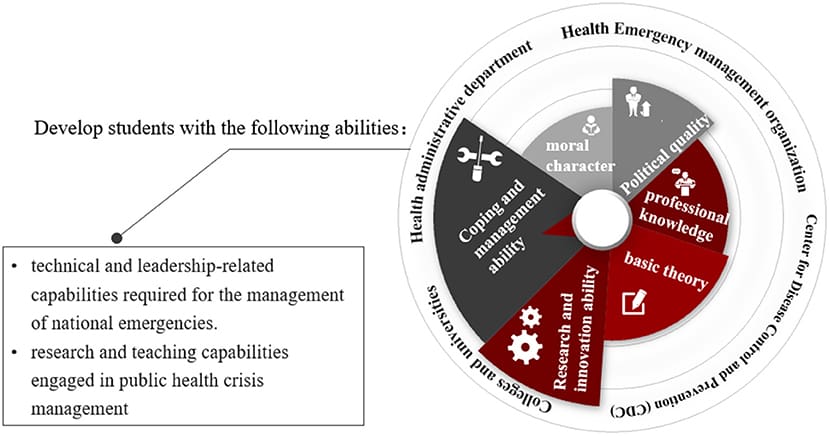
In this article, you will explore the essential role that healthcare policy plays in addressing public health crises. We will examine how policies and regulations serve as crucial tools in preventing, managing, and responding to various health emergencies. From infectious diseases to natural disasters, the impact of effective healthcare policy cannot be overstated. So, join us as we uncover the significance of healthcare policy in safeguarding the well-being of communities and individuals in times of crisis.
Importance of healthcare policy in addressing public health crises
Healthcare policy plays a crucial role in addressing public health crises by providing a framework for prevention, preparedness, emergency response, and management. It ensures equitable access to healthcare services, establishes disease surveillance and reporting systems, promotes research and development for new treatments and vaccines, and sets regulations to ensure safety and quality control in healthcare delivery. Additionally, healthcare policy facilitates health education and promotion, encourages international collaboration, and ensures efficient budget allocation and resource management. Through these comprehensive strategies, healthcare policy plays a pivotal role in protecting and improving the well-being of communities during times of crisis.
Prevention and Preparedness
Developing policies to prevent public health crises
One of the primary aims of healthcare policy is to develop comprehensive strategies to prevent public health crises. By identifying potential risks, analyzing trends, and studying previous outbreaks, policymakers can design effective preventive measures. These policies may include promoting vaccination programs, implementing regulations on food safety and hygiene, and encouraging healthy lifestyles. By prioritizing prevention, healthcare policy plays a critical role in reducing the occurrence and impact of public health crises.
Creating strategies for early detection and containment
Another essential aspect of healthcare policy is the creation of strategies for early detection and containment of public health crises. Through effective surveillance systems, policymakers can monitor trends and patterns of diseases, facilitating early identification of potential outbreaks. This allows rapid response and containment measures to be implemented promptly, reducing the spread of infectious diseases and minimizing their impact on public health. In conjunction with healthcare providers and research institutions, healthcare policy helps in developing protocols and guidelines for early detection and containment strategies, ensuring a coordinated and efficient response.
Ensuring adequate funding for public health initiatives
To effectively address public health crises, adequate funding is crucial. Healthcare policy plays a pivotal role in securing the necessary financial resources for public health initiatives. By advocating for increased funding allocations for research and public health programs, healthcare policy ensures that essential resources are available to prevent, detect, and respond to crises effectively. This includes investing in infrastructure, training healthcare professionals, and supporting research and development efforts. By prioritizing funding for public health initiatives, healthcare policy enables the implementation of effective strategies and ensures the resilience of healthcare systems in times of crisis.
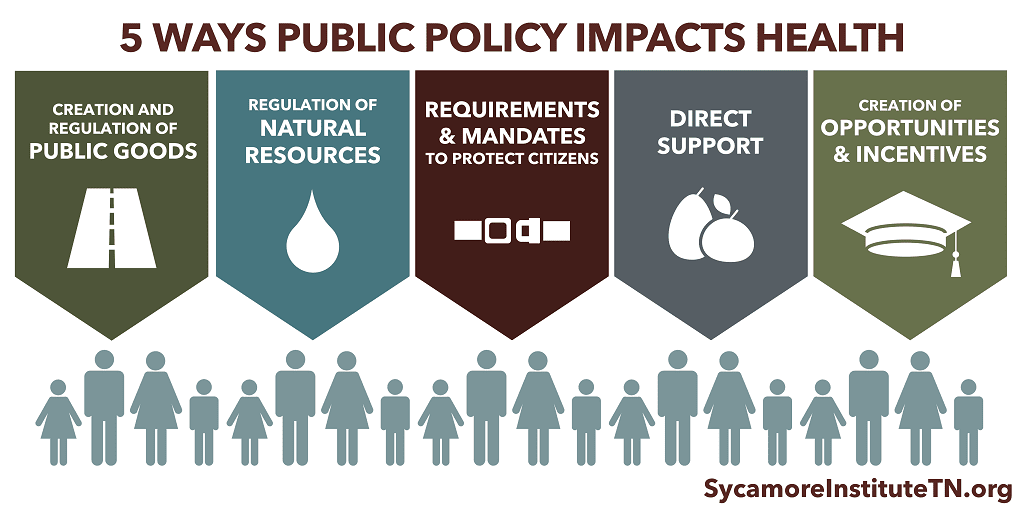
Emergency Response and Management
Establishing guidelines for emergency response
In times of public health crises, effective emergency response is essential to mitigate the impact on individuals and communities. Healthcare policy plays a crucial role in establishing guidelines and protocols for emergency response. These guidelines outline the roles and responsibilities of healthcare providers, government agencies, and other stakeholders involved in emergency management. By providing a clear framework for action, healthcare policy ensures an organized and coordinated response, enabling timely and efficient interventions during crises.
Coordinating efforts between healthcare providers and government agencies
Effective coordination between healthcare providers and government agencies is vital for addressing public health crises. Healthcare policy facilitates this coordination by establishing mechanisms for collaboration and information sharing. This includes regular communication channels, joint training programs, and the creation of interagency task forces. By fostering collaboration, healthcare policy ensures that healthcare providers and government agencies work together seamlessly to respond to crises, share resources, and make informed decisions that protect public health.
Implementing effective communication strategies
Transparent and effective communication is crucial during public health crises to provide accurate information, address public concerns, and encourage appropriate behaviors. Healthcare policy plays a key role in implementing communication strategies that promote public awareness and understanding. This includes disseminating timely updates, debunking misinformation, and providing guidelines on preventive measures. Through targeted public health campaigns, healthcare policy ensures that communities have access to reliable information and are empowered to make informed decisions about their health during crises.
Healthcare Access and Equity
Expanding access to healthcare services
For healthcare policy to effectively address public health crises, expanding access to healthcare services is paramount. By ensuring that everyone has affordable and timely access to quality care, healthcare policy plays a pivotal role in reducing the impact of crises on vulnerable populations. This involves removing barriers to access, such as financial constraints or geographic limitations, and promoting the establishment of healthcare facilities in underserved areas. By prioritizing access to healthcare, healthcare policy aims to create a resilient healthcare system that can address public health crises effectively.
Addressing healthcare disparities in marginalized communities
Healthcare policy also plays a critical role in addressing healthcare disparities in marginalized communities during public health crises. Marginalized communities often face additional challenges in accessing healthcare services, including language barriers, discrimination, and socioeconomic factors. Healthcare policy seeks to address these disparities by advocating for culturally sensitive healthcare practices, increasing healthcare workforce diversity, and tailoring interventions to meet the specific needs of marginalized communities. By prioritizing equity, healthcare policy ensures that no one is left behind during times of crisis.
Ensuring affordability of healthcare for all
Affordability of healthcare is a crucial aspect of healthcare policy, especially during public health crises. By ensuring that healthcare services and treatments are affordable for all individuals, healthcare policy helps to reduce disparities in healthcare access and improve health outcomes. This includes policies that regulate drug pricing, promote insurance coverage, and support low-income individuals and families in accessing necessary healthcare services. By prioritizing affordability, healthcare policy plays a vital role in ensuring that no one is denied essential healthcare during times of crisis.
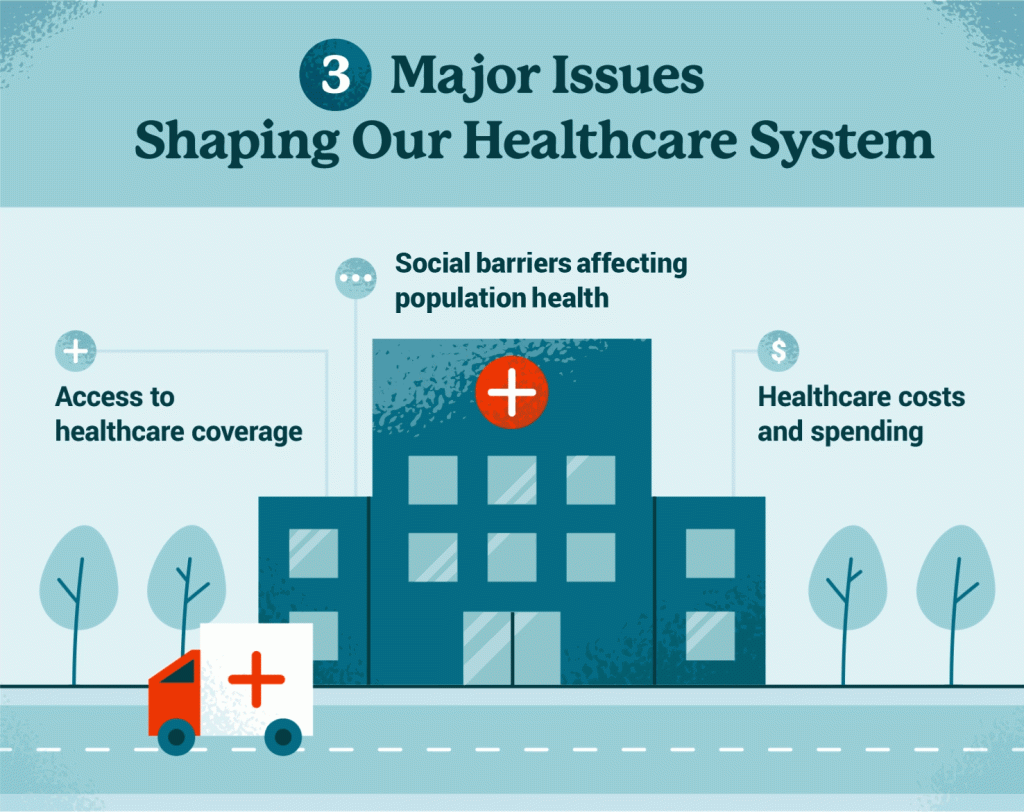
Disease Surveillance and Reporting
Implementing systems for disease surveillance
To effectively address public health crises, healthcare policy emphasizes the implementation of robust disease surveillance systems. These systems involve the collection, analysis, and interpretation of data on diseases to detect and respond to outbreaks promptly. Healthcare policy supports the development and implementation of surveillance systems that track disease trends, monitor indicators of outbreaks, and provide early warning systems. By ensuring comprehensive disease surveillance, healthcare policy enables timely interventions that can prevent the escalation of public health crises.
Mandating reporting of infectious diseases
Accurate and timely reporting of infectious diseases is crucial for effective public health crisis management. Healthcare policy mandates the reporting of notifiable diseases to relevant authorities, ensuring that healthcare providers promptly notify health departments of suspected cases. This enables public health officials to initiate appropriate response measures, including contact tracing and isolation protocols. By mandating reporting, healthcare policy helps to prevent the unchecked spread of infectious diseases and facilitates early interventions to control public health crises.
Monitoring trends and patterns for early interventions
Healthcare policy also emphasizes the importance of monitoring trends and patterns in disease occurrence for early interventions. By analyzing data on disease prevalence, transmission routes, and affected populations, healthcare policy enables public health officials to identify emerging trends and take proactive measures. This may involve modifying prevention strategies, targeting high-risk groups, or reallocating resources to areas experiencing increased disease burden. By monitoring trends and patterns, healthcare policy ensures that public health interventions remain effective and adapt to the evolving nature of public health crises.
Research and Development
Investing in research for new treatments and vaccines
Investment in research and development is integral to addressing public health crises effectively. Healthcare policy encourages the allocation of resources towards research that aims to develop new treatments and vaccines for emerging diseases. This includes funding scientific studies, supporting clinical trials, and facilitating collaboration between researchers, healthcare providers, and pharmaceutical companies. By prioritizing research, healthcare policy fuels innovation and equips healthcare systems with the tools needed to combat public health crises.
Promoting innovation in healthcare technologies
In addition to research on treatments and vaccines, healthcare policy also promotes innovation in healthcare technologies to address public health crises. This includes the development of diagnostic tools, telemedicine solutions, and data analytics systems that enhance surveillance and response capabilities. Healthcare policy supports the adoption of innovative technologies by streamlining regulatory processes, providing incentives for technological advancements, and fostering collaborations between academia, industry, and healthcare providers. By promoting innovation, healthcare policy enhances the readiness and resilience of healthcare systems in the face of public health crises.
Collaborating with academic institutions and private sector
Collaboration between healthcare policymakers, academic institutions, and the private sector is vital for research and development efforts during public health crises. Healthcare policy facilitates these collaborations by fostering partnerships, funding research projects, and providing regulatory support. Academic institutions offer scientific expertise, research infrastructure, and a platform for knowledge sharing, while the private sector contributes resources, innovation, and manufacturing capabilities. By fostering collaboration, healthcare policy ensures that the collective efforts of various stakeholders are synergized, yielding greater outcomes in combating public health crises.
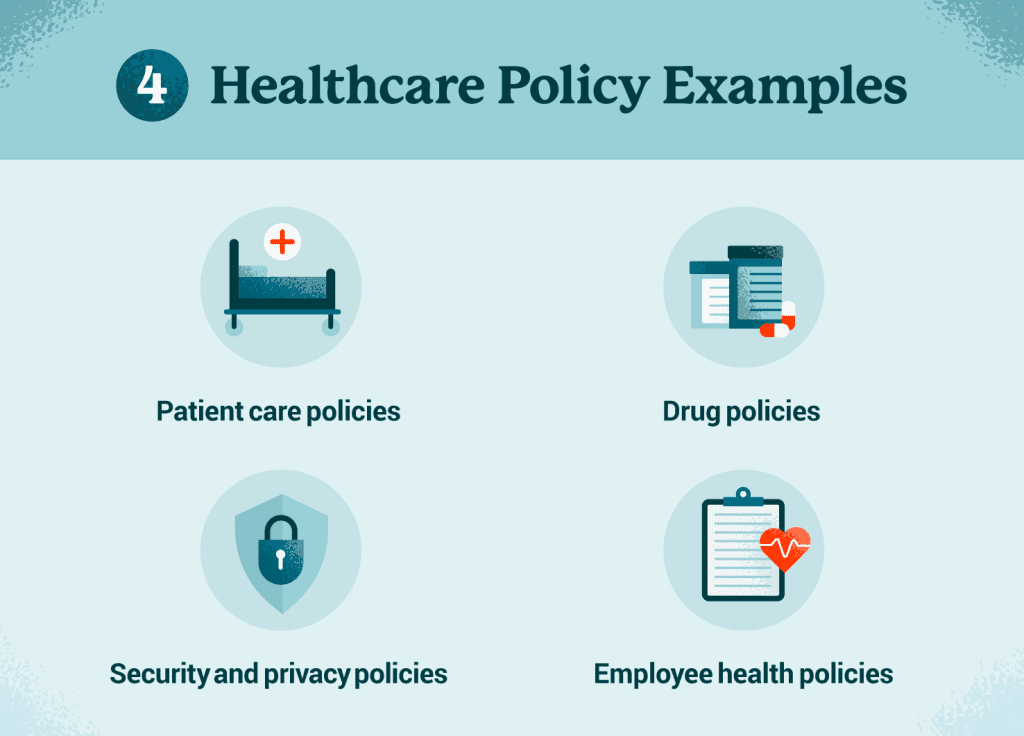
Regulatory Frameworks
Designing and enforcing safety regulations
Creating and enforcing safety regulations is a critical aspect of healthcare policy in addressing public health crises. Healthcare policy sets standards for healthcare facilities, equipment, and procedures to ensure patient safety. This includes regulations governing infection prevention and control measures, occupational health and safety, and safe disposal of biomedical waste. By designing and enforcing safety regulations, healthcare policy minimizes the risk of healthcare-associated infections and strengthens the overall resilience of healthcare systems during public health crises.
Ensuring quality control in healthcare delivery
Quality control is essential in healthcare delivery, particularly during public health crises. Healthcare policy establishes frameworks for quality assurance and accreditation, ensuring that healthcare providers meet predefined standards of care. This includes monitoring the provision of evidence-based practices, implementing protocols for infection prevention and control, and conducting regular audits and assessments. By ensuring quality control, healthcare policy safeguards the health and well-being of individuals during public health crises and promotes trust in healthcare systems.
Monitoring and regulating the pharmaceutical industry
Healthcare policy also plays a significant role in monitoring and regulating the pharmaceutical industry during public health crises. By ensuring the quality, safety, and efficacy of medications, healthcare policy safeguards public health. This includes regulatory processes for drug approval, monitoring of drug manufacturing practices, and post-marketing surveillance. Healthcare policy also addresses the accessibility and affordability of medications, taking measures to prevent drug shortages and price gouging during public health crises. By monitoring and regulating the pharmaceutical industry, healthcare policy ensures that medications are readily available and safe for use, even during times of crisis.
Health Education and Promotion
Developing public health campaigns
Health education and promotion are integral components of healthcare policy in addressing public health crises. Healthcare policy promotes the development of targeted public health campaigns that raise awareness, educate communities, and encourage healthy behaviors. These campaigns may focus on hand hygiene, vaccination, social distancing, or other preventive measures specific to the crisis at hand. By developing public health campaigns, healthcare policy ensures that individuals are equipped with accurate information and motivated to take necessary steps to protect their health and the health of their communities.
Providing accurate and reliable health information
To combat misinformation and panic during public health crises, healthcare policy emphasizes the importance of providing accurate and reliable health information. Healthcare policy seeks to ensure that information disseminated to the public is based on scientific evidence and approved by reputable health authorities. This involves collaborating with public health agencies, healthcare providers, and media organizations to establish communication channels that prioritize the delivery of trusted health information. By providing accurate and reliable health information, healthcare policy helps to minimize confusion and promote informed decision-making during public health crises.
Promoting healthy behaviors and lifestyles
Healthcare policy also promotes healthy behaviors and lifestyles as a means of addressing public health crises. By advocating for healthy habits, such as regular physical activity, balanced nutrition, and adequate sleep, healthcare policy helps individuals build strong immune systems and lower their risk of developing severe diseases. Additionally, healthcare policy supports initiatives that discourage harmful behaviors, such as smoking and excessive alcohol consumption, which can compromise overall health and increase vulnerability to public health crises. By promoting healthy behaviors and lifestyles, healthcare policy empowers individuals to take an active role in protecting their health and preventing the escalation of public health crises.
International Collaboration
Cooperating with global health organizations
Given the global nature of many public health crises, international collaboration is essential. Healthcare policy emphasizes cooperation with global health organizations, such as the World Health Organization (WHO), to share information, resources, and best practices. This collaboration facilitates a unified and coordinated response to public health crises, allowing for timely actions across borders. By cooperating with global health organizations, healthcare policy ensures that countries can learn from each other’s experiences, access international expertise, and collectively work towards mitigating the impact of public health crises.
Sharing best practices and lessons learned
Healthcare policy plays a crucial role in encouraging the sharing of best practices and lessons learned during public health crises. By creating platforms for knowledge exchange, healthcare policy enables healthcare providers, researchers, and policymakers to share insights and innovative strategies. This includes organizing conferences, establishing networks, and supporting publications that focus on public health crisis management. By sharing best practices and lessons learned, healthcare policy promotes continuous learning and improvement, enabling healthcare systems to respond more effectively to future public health crises.
Addressing cross-border health threats
Public health crises often transcend national borders, requiring collective efforts to address cross-border health threats. Healthcare policy recognizes the importance of cooperation between countries to prevent the spread of diseases and contain outbreaks. This includes sharing epidemiological data, coordinating travel restrictions, and establishing joint response mechanisms. Healthcare policy also promotes international collaboration in research and development, aiming to accelerate the discovery of effective treatments and vaccines. By addressing cross-border health threats, healthcare policy strengthens global health security and resilience in the face of public health crises.
Budget Allocation and Resource Management
Allocating sufficient resources for healthcare systems
Adequate allocation of resources is essential for healthcare systems to effectively address public health crises. Healthcare policy plays a crucial role in advocating for sufficient funding to support healthcare systems during times of crisis. This includes budget allocations for healthcare infrastructure, supplies, staffing, and training. By ensuring that healthcare systems have the necessary resources, healthcare policy enables timely responses, adequate healthcare provision, and the implementation of preventive measures. By prioritizing resource allocation, healthcare policy safeguards the functioning and preparedness of healthcare systems during public health crises.
Improving efficiency in resource utilization
Efficiency in resource utilization is critical during public health crises when resources are often scarce. Healthcare policy encourages the optimization of resource allocation and utilization to maximize their impact. This includes strategies such as stockpiling essential medical supplies, implementing triage protocols, and fostering collaborations to share resources between healthcare facilities. Additionally, healthcare policy promotes research and development efforts focused on developing cost-effective solutions and innovative approaches to resource management. By improving efficiency in resource utilization, healthcare policy ensures that resources are utilized effectively, minimizing waste and enhancing the resilience of healthcare systems.
Adopting cost-effective strategies
To address public health crises sustainably, healthcare policy emphasizes the adoption of cost-effective strategies. This involves prioritizing interventions and policies that have proven effectiveness and value for money. By conducting cost-benefit analyses, healthcare policy assesses the potential impact and cost-effectiveness of various interventions, allowing policymakers to allocate resources accordingly. This approach ensures that limited resources are utilized wisely, maximizing their impact and ensuring a sustainable response to public health crises. By adopting cost-effective strategies, healthcare policy helps to optimize the allocation of resources and achieve the best possible outcomes for individuals and communities.
In conclusion, healthcare policy is of utmost importance in addressing public health crises. It plays a vital role in prevention and preparedness, facilitating early detection and containment, ensuring equitable access to healthcare services, and establishing effective emergency response and management protocols. Healthcare policy empowers healthcare providers and government agencies to coordinate their efforts, communicate effectively, and implement strategies that protect and promote public health. It drives research and development initiatives, enforces regulatory frameworks, and promotes collaboration between various stakeholders. By prioritizing health education and promotion, healthcare policy empowers individuals to make informed decisions and adopt healthy behaviors. Furthermore, international collaboration, efficient budget allocation, and resource management are critical components of healthcare policy in addressing global public health crises. By strategically addressing each of these aspects, healthcare policy plays a pivotal role in safeguarding the well-being of individuals, communities, and nations during times of crisis.