
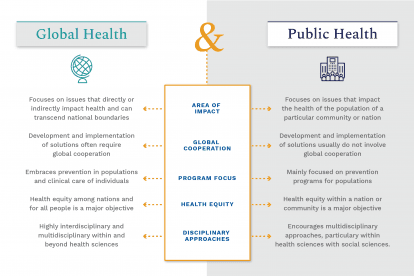
Welcome to an insightful article about the important role that healthcare policy plays in promoting global health. From ensuring access to quality healthcare services to implementing public health initiatives, healthcare policy plays a crucial role in shaping the health outcomes of individuals and communities around the world. By understanding the impact of healthcare policy on global health, we can work towards creating a healthier and more equitable future for all. So, let’s dive into the details and explore the ways in which healthcare policy influences global health outcomes. Have you ever wondered how healthcare policy influences global health outcomes? In this article, you will explore the critical role that healthcare policy plays in shaping the health of populations around the world. From access to care to prevention strategies, healthcare policy decisions impact individuals on a local and global scale. Let’s dive into the complex world of healthcare policy and its implications for global health.

Understanding Healthcare Policy
Healthcare policy refers to the decisions and actions taken by governments, organizations, and other stakeholders to improve the health and well-being of populations. These policies can encompass a wide range of issues, including access to care, quality of services, funding mechanisms, and regulatory frameworks. By setting rules and guidelines, healthcare policies aim to address healthcare challenges and promote positive health outcomes for individuals and communities.
Did you know that healthcare policy decisions can directly impact the availability of essential services like vaccinations, screenings, and treatments? By establishing priorities and allocating resources, policymakers can influence the delivery of healthcare services and shape the health of populations.
The Importance of Universal Healthcare
Universal healthcare, also known as universal health coverage, refers to a system where all individuals have access to essential health services without facing financial hardship. By ensuring that everyone has access to care when they need it, universal healthcare can improve health outcomes, reduce disparities, and promote social and economic development.
Imagine a world where every person, regardless of their background or income level, can receive the medical care they need. Universal healthcare aims to make this vision a reality by providing comprehensive services to all individuals, from preventive care to emergency treatment. By prioritizing equitable access to healthcare, policymakers can create a more inclusive and sustainable health system for everyone.
Impact of Healthcare Policy on Public Health
Public health initiatives are a crucial component of healthcare policy, focusing on disease prevention, health promotion, and community well-being. By implementing evidence-based strategies and interventions, policymakers can improve population health outcomes and reduce the burden of preventable diseases.
Have you ever considered how public health policies shape the way we live and interact with our environment? From clean water regulations to tobacco control measures, public health policies influence a wide range of factors that impact our health and well-being. By addressing social determinants of health and promoting healthy behaviors, policymakers can create environments that support individual and community health.
Promoting Health Equity
Health equity refers to the absence of unfair and avoidable differences in health outcomes between different groups of people. Healthcare policies play a vital role in addressing health disparities and promoting equity by ensuring that everyone has the opportunity to achieve their full health potential.
Imagine a world where everyone has equal access to healthcare services and resources, regardless of their race, gender, or socioeconomic status. Health equity aims to eliminate barriers to care and create a level playing field for all individuals to lead healthy lives. By prioritizing equity in healthcare policy decisions, policymakers can work towards creating a more just and inclusive health system for all.
Global Health Challenges and Opportunities
Global health issues, such as infectious diseases, maternal mortality, and malnutrition, require coordinated efforts and collaboration across borders to address effectively. Healthcare policy plays a crucial role in shaping global health outcomes by guiding international responses, promoting cooperation, and allocating resources to areas of greatest need.
Have you ever considered the interconnected nature of global health challenges and the role that healthcare policy plays in addressing these complex issues? From pandemics to climate change, global health threats require comprehensive strategies and policies to safeguard the health and well-being of populations worldwide. By working together at the global level, policymakers can create sustainable solutions to global health challenges and build resilient health systems for the future.
Strengthening Health Systems
Health systems are the backbone of healthcare delivery, providing essential services, facilities, and workforce to meet the needs of populations. Healthcare policy decisions impact the strength and resilience of health systems by setting priorities, allocating resources, and establishing governance structures.
Imagine a well-functioning health system that can respond effectively to emergencies, deliver high-quality care, and promote health and well-being for all. Strong health systems require robust policies that support infrastructure development, workforce training, and quality improvement initiatives. By investing in health system strengthening, policymakers can ensure that communities have access to the care and services they need to thrive.
Addressing Global Health Inequalities
Global health disparities, such as access to care, health outcomes, and resource distribution, reflect the unequal distribution of power and resources across the world. Healthcare policy decisions can have a significant impact on global health inequalities by addressing social determinants of health, promoting human rights, and prioritizing equity in resource allocation.
Imagine a world where everyone has the opportunity to lead a healthy life, regardless of where they live or who they are. Global health equity aims to create a fair and just world where all individuals have access to the resources and support they need to achieve optimal health. By advocating for policies that promote equality and justice, policymakers can work towards addressing global health inequalities and creating a more sustainable future for all.
Conclusion
Healthcare policy plays a critical role in shaping global health outcomes by guiding decisions, setting priorities, and allocating resources to improve the health and well-being of populations worldwide. From universal healthcare to public health initiatives, healthcare policies impact individuals on a local and global level, influencing access to care, health equity, and health system resilience.
By understanding the role of healthcare policy in global health, we can work towards creating a more just, equitable, and sustainable world where all individuals have the opportunity to lead healthy lives. Through collaboration, advocacy, and innovation, policymakers can shape the future of healthcare policy and drive positive health outcomes for generations to come. Let’s continue to prioritize health and well-being for all and strive towards a healthier and more equitable world.