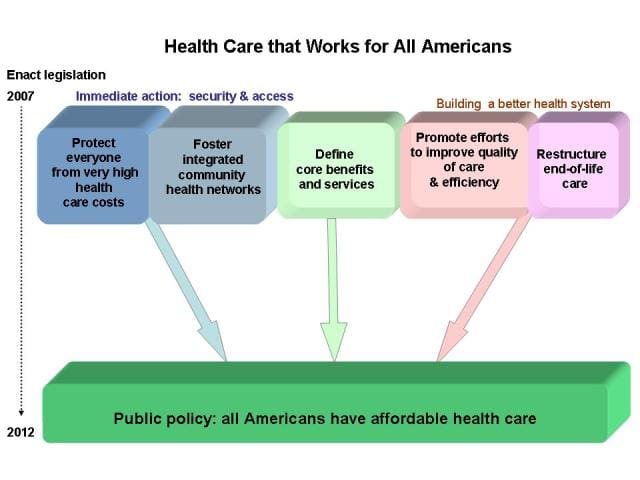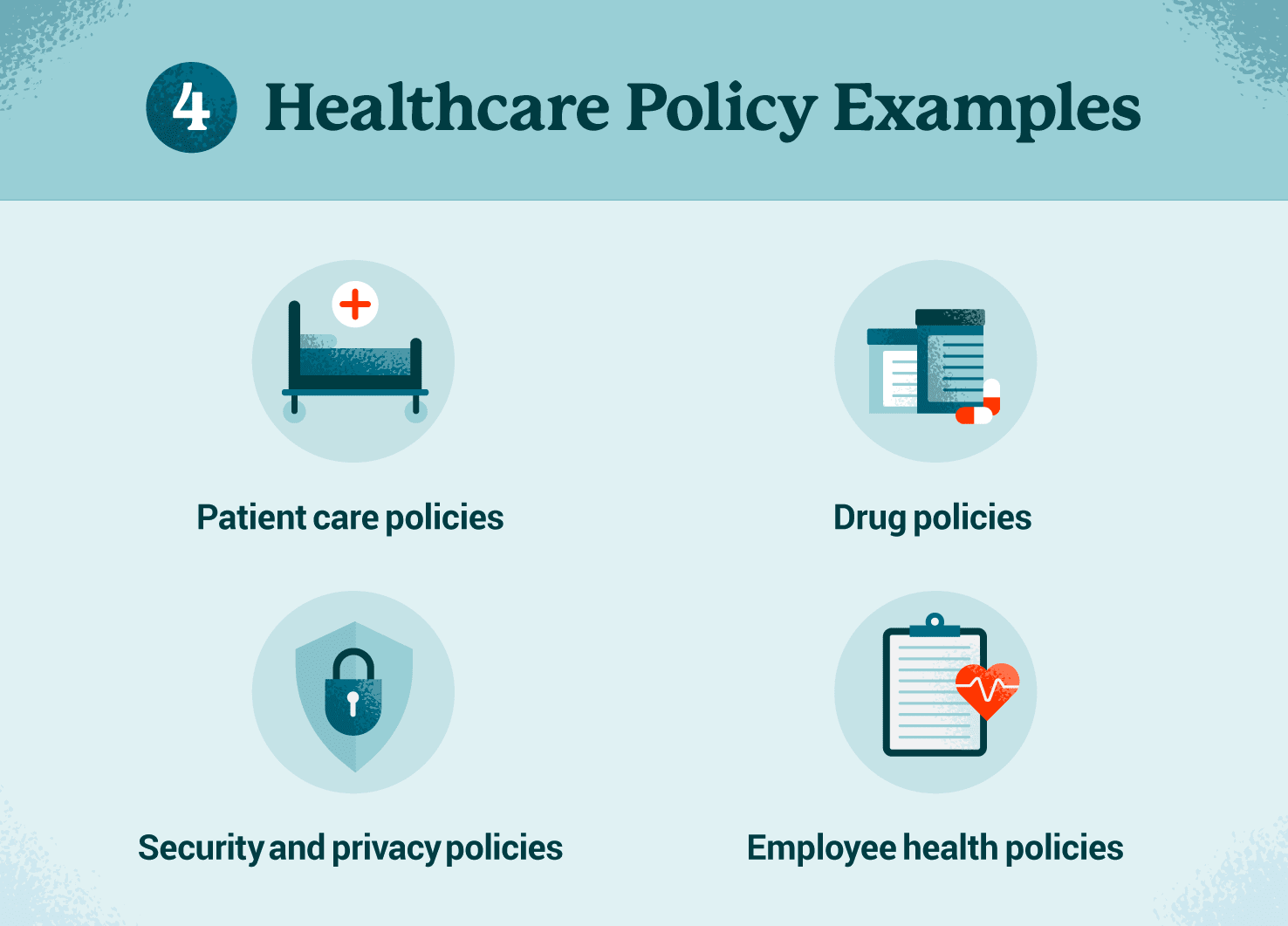
Welcome to an insightful article that will highlight the important role that healthcare policy plays in improving access to care for individuals like yourself. From increasing affordability to expanding coverage, healthcare policy decisions have a direct impact on your ability to receive timely and quality healthcare services. Understanding how these policies are formulated and implemented can empower you to advocate for positive changes in the healthcare system. Let’s dive into the nuances of healthcare policy and its transformative effect on your access to care. Have you ever wondered how healthcare policy impacts your ability to access medical care? In this article, we will explore the crucial role that healthcare policy plays in improving access to care. From understanding the basics of healthcare policy to examining the policies that influence access to care, you will gain valuable insights into how policy decisions can make a difference in your health outcomes.
Understanding Healthcare Policy
Healthcare policy refers to the rules, regulations, and laws that govern the delivery of healthcare services. These policies are set by government agencies, insurance companies, and healthcare organizations to ensure that individuals receive quality care in a cost-effective manner. By understanding the basics of healthcare policy, you can better advocate for your healthcare needs and navigate the complex healthcare system more effectively.
What is Healthcare Policy?
Healthcare policy encompasses a wide range of issues related to the healthcare system, including access to care, quality of care, and cost of care. Policies can be set at the local, state, or federal level and can impact various aspects of healthcare delivery, such as insurance coverage, reimbursement rates, and provider licensing. Understanding these policies is essential for making informed decisions about your healthcare and advocating for changes that benefit you and your community.
The Impact of Healthcare Policy on Access to Care
Access to care refers to your ability to receive timely and appropriate healthcare services when needed. Healthcare policy plays a vital role in determining who has access to care, what type of care is available, and how much care costs. By examining the impact of healthcare policy on access to care, you can better understand the barriers that may prevent you from getting the care you need.
Types of Healthcare Policies that Influence Access to Care
There are several types of healthcare policies that can influence access to care, including:
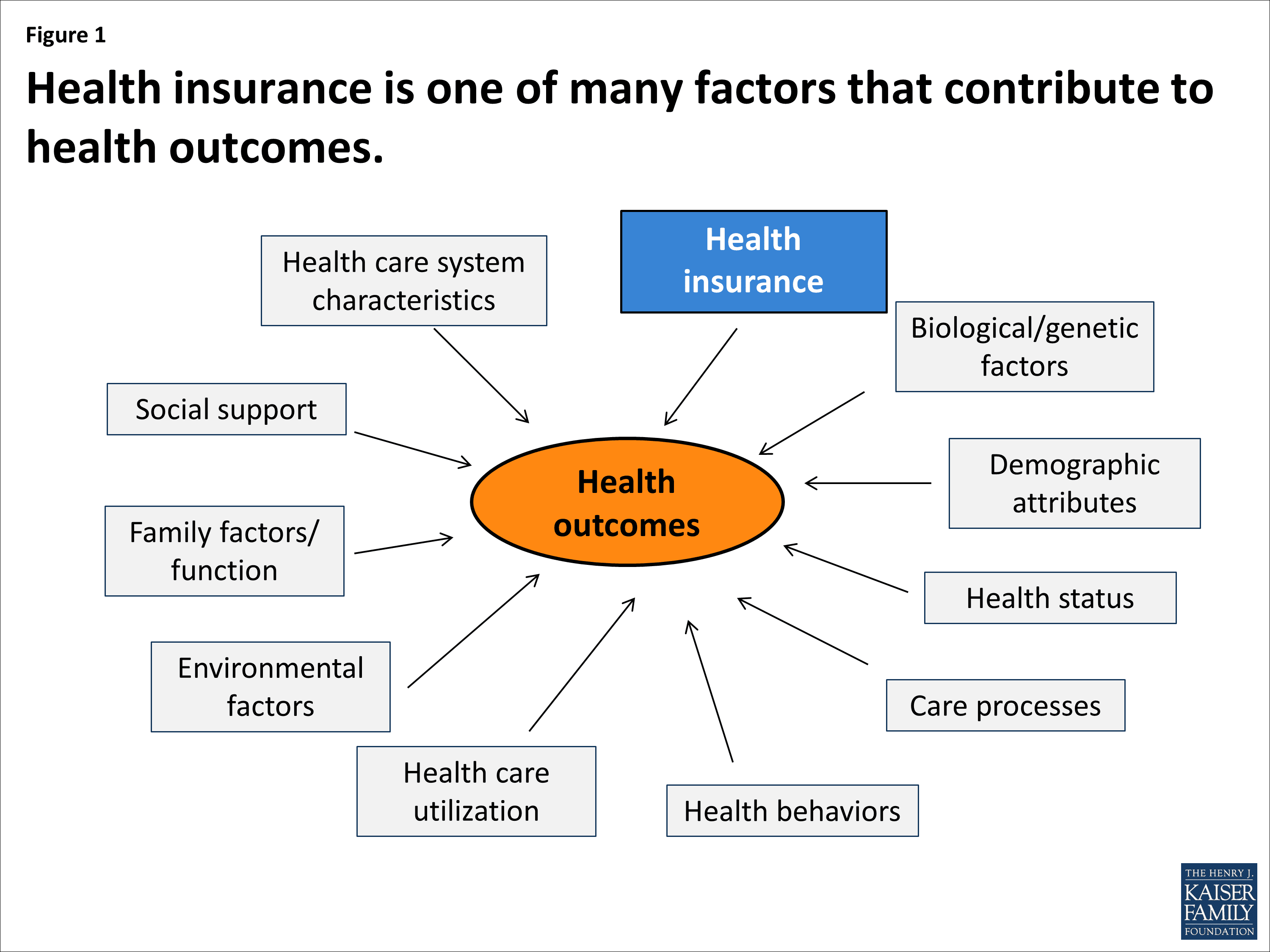
- Insurance Coverage: Health insurance policies determine what services are covered, how much you pay out-of-pocket, and which providers you can see. Without insurance coverage, many individuals may struggle to afford necessary healthcare services.
- Provider Reimbursement Rates: Healthcare policies set reimbursement rates for healthcare providers, which can impact access to care in underserved areas. Low reimbursement rates may lead to provider shortages in rural or low-income communities.
- Provider Licensing and Scope of Practice: Policies governing provider licensing and scope of practice determine which healthcare professionals can deliver certain services. Increasing provider scope of practice can improve access to care by expanding the pool of healthcare providers available to patients.
By understanding these policies, you can advocate for changes that improve access to care in your community and ensure that everyone has the opportunity to receive quality healthcare services.
Barriers to Access Created by Healthcare Policy
Despite the importance of healthcare policy in improving access to care, there are several barriers that may prevent individuals from getting the care they need. Some common barriers include:
- Lack of Insurance Coverage: Without insurance, individuals may delay or forgo necessary medical care due to cost concerns.
- Provider Shortages: Provider shortages in rural or underserved areas can limit access to care for vulnerable populations.
- Geographic Barriers: Limited access to transportation or healthcare facilities can make it difficult for individuals to receive timely care.
- Language and Cultural Barriers: Language and cultural differences can hinder communication between patients and providers, leading to disparities in care.
- Financial Barriers: High out-of-pocket costs, such as copays and deductibles, can deter individuals from seeking preventive or routine care.
By addressing these barriers through policy changes, we can create a healthcare system that is more equitable, accessible, and responsive to the needs of all individuals.
Policies to Improve Access to Care
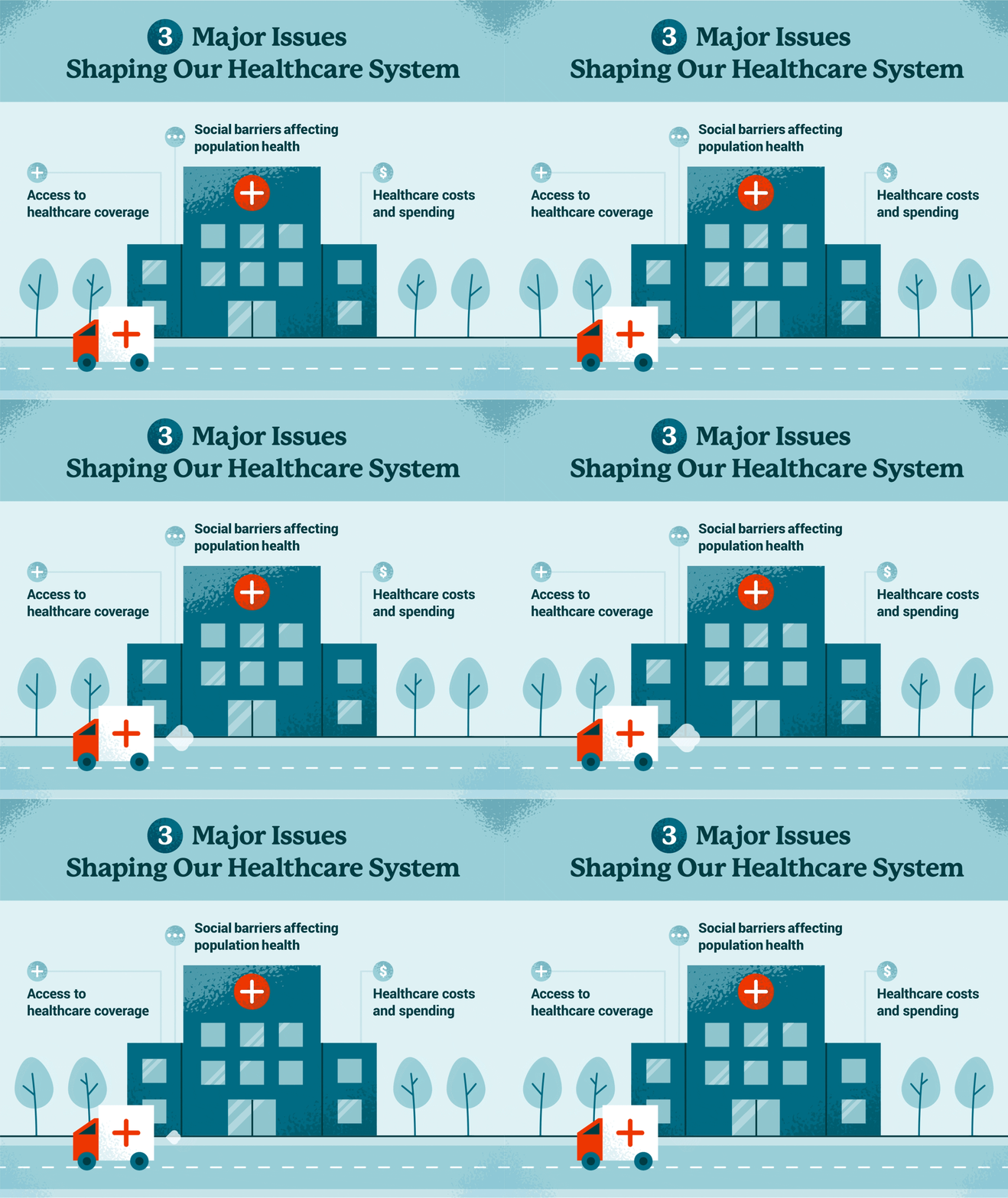
To improve access to care for all individuals, policymakers must consider a range of initiatives that address the root causes of healthcare disparities. By implementing policies that increase insurance coverage, expand provider networks, and enhance community resources, we can create a healthcare system that works for everyone.
Medicaid Expansion
Medicaid expansion is a critical policy initiative that extends health insurance coverage to low-income individuals and families. By expanding Medicaid eligibility criteria, states can provide coverage to individuals who may have previously been uninsured or underinsured. This not only improves access to care for vulnerable populations but also reduces uncompensated care costs for healthcare providers.
Telehealth Services
Telehealth services have become increasingly popular in recent years, allowing individuals to access healthcare services remotely through phone or video appointments. By expanding telehealth services, policymakers can improve access to care for individuals in rural or underserved areas, as well as those who may have difficulty traveling to traditional healthcare facilities. Additionally, telehealth services can increase access to mental health services, specialty care, and preventive care for a wide range of individuals.
Health Equity Initiatives
Health equity initiatives focus on addressing disparities in healthcare access and outcomes among different populations. By implementing policies that prioritize health equity, policymakers can reduce disparities in care and improve health outcomes for all individuals. These initiatives may include funding for community health centers, targeted outreach programs for underserved populations, and data collection efforts to track progress in reducing health disparities.
Workforce Development Programs
Workforce development programs aim to increase the number of healthcare providers available to deliver care in underserved areas. By providing incentives for providers to practice in rural or low-income communities, policymakers can address provider shortages and improve access to care for vulnerable populations. Additionally, workforce development programs can support diversity in the healthcare workforce by recruiting and retaining providers from underrepresented backgrounds.
Patient Navigation Programs
Patient navigation programs help individuals navigate the complex healthcare system and connect them with appropriate care providers and resources. These programs are particularly valuable for individuals who may face barriers to accessing care, such as language or cultural differences, lack of insurance, or geographic isolation. By funding patient navigation programs, policymakers can improve access to care for individuals who may otherwise fall through the cracks of the healthcare system.
Conclusion
In conclusion, healthcare policy plays a crucial role in improving access to care for all individuals. By understanding the impact of healthcare policy on access to care, advocating for policy changes that address healthcare disparities, and supporting initiatives that expand insurance coverage and provider networks, we can create a healthcare system that works for everyone. By working together to address the barriers to access created by healthcare policy, we can ensure that all individuals have the opportunity to receive timely, appropriate, and quality healthcare services.