

In today’s rapidly evolving world, the healthcare sector faces numerous challenges that require innovative solutions. Public-private partnerships (PPPs) have emerged as a crucial tool in shaping and implementing effective healthcare policies. By bringing together the resources, expertise, and experience of both the public and private sectors, PPPs have the potential to revolutionize the way healthcare is delivered and improve access, affordability, and quality of care. This article explores the role of public-private partnerships in healthcare policy, highlighting their benefits and providing examples of successful collaborations that have resulted in positive outcomes for both patients and healthcare providers.

Definition of Public-Private Partnerships
Collaboration between public and private sectors
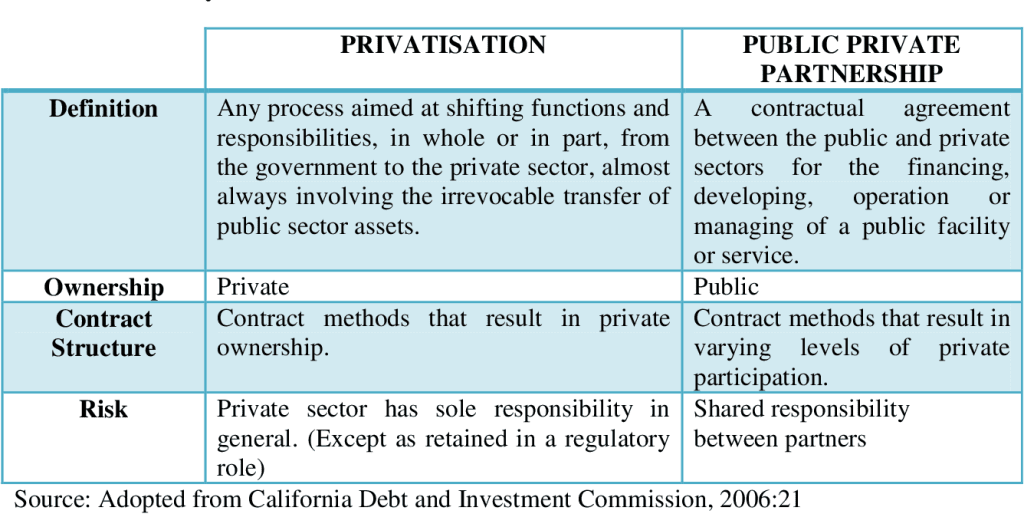
Public-private partnerships (PPPs) in healthcare policy refer to collaborative initiatives between the government and private entities to address various healthcare challenges. These partnerships leverage the strengths and resources of both sectors to achieve common goals, such as improving healthcare access, reducing costs, and enhancing the quality of care. By pooling together their expertise, funding, and infrastructure, public and private entities can work together to implement effective healthcare policies and programs.
Shared resources and expertise
PPPs involve the sharing of resources and expertise between the public and private sectors. The government may provide funding, regulatory oversight, and access to public healthcare facilities, while private entities bring in their industry knowledge, innovative solutions, and investments. This collaboration allows for a synergy that can lead to more efficient and effective healthcare delivery, as both sectors contribute their complementary strengths. By combining resources and expertise, PPPs have the potential to improve healthcare outcomes and address complex healthcare challenges.
Benefits of Public-Private Partnerships in Healthcare Policy
Improving access to healthcare services
One of the significant benefits of PPPs in healthcare policy is the improvement in access to healthcare services. In many countries, particularly in developing regions, there is often a lack of adequate healthcare infrastructure and resources. Through partnerships with private entities, the government can leverage their expertise and financial resources to expand healthcare facilities, establish mobile clinics, and reach underserved communities. This collaboration helps bridge the gap in access to healthcare services, particularly for vulnerable populations who may have limited resources or live in remote areas.
Reducing healthcare costs
PPPs can also contribute to the reduction of healthcare costs. The private sector’s involvement can lead to increased efficiency and streamlined processes, which can help lower healthcare expenses. Private entities often bring innovative technologies, management practices, and cost-saving strategies that can be implemented in public healthcare systems. By optimizing resource allocation and implementing evidence-based practices, PPPs can contribute to cost-saving measures that benefit both the government and patients.
Enhancing the quality of healthcare
Another significant benefit of PPPs in healthcare policy is the potential to enhance the overall quality of healthcare. Private entities, such as pharmaceutical companies or healthcare technology providers, often possess advanced research and development capabilities. Through partnerships with the government, these companies can collaborate on the development of new treatments, vaccines, and diagnostic tools. Additionally, private sector expertise in efficient management practices and quality assurance can help improve healthcare service delivery, leading to better patient outcomes and satisfaction.
Types of Public-Private Partnerships in Healthcare Policy
Service provision partnerships
Service provision partnerships are collaborations where the government and private entities work together to deliver healthcare services. These partnerships can involve the construction and operation of healthcare facilities, the provision of medical supplies and equipment, or the management of specific healthcare services such as diagnostic imaging or laboratory testing. Service provision partnerships are commonly seen in countries where the government seeks to leverage the private sector’s expertise and resources to expand healthcare access and improve service delivery.
Research and development partnerships
Research and development partnerships focus on collaborative efforts between public and private entities to conduct medical research, develop new treatments, vaccines, or diagnostic tools. These partnerships often involve pharmaceutical companies, academic institutions, and government research agencies. By combining resources and expertise, research and development partnerships can accelerate the discovery and development of innovative healthcare solutions. This collaboration can lead to groundbreaking advancements in medical science and improve patient outcomes.
Infrastructure partnerships
Infrastructure partnerships involve collaborations aimed at improving healthcare infrastructure, such as the construction or renovation of hospitals, clinics, and healthcare facilities. Private companies specializing in infrastructure development or real estate often partner with the government to create modern and efficient healthcare infrastructure. These partnerships help address the lack of healthcare infrastructure in underserved areas, improve access to quality healthcare services, and create a sustainable healthcare system in the long run.
Examples of Successful Public-Private Partnerships in Healthcare Policy
Gavi, the Vaccine Alliance
Gavi, the Vaccine Alliance, is a prominent example of a successful PPP in healthcare policy. Founded in 2000, Gavi brings together public and private entities to improve access to vaccines in low-income countries. With support from governments, philanthropic organizations, and the private sector, Gavi has helped vaccinate millions of children and prevent the spread of diseases such as measles, pneumonia, and rotavirus. The alliance facilitates the procurement and distribution of vaccines, strengthens healthcare systems, and promotes immunization campaigns worldwide.
The Global Fund to Fight AIDS, Tuberculosis, and Malaria
The Global Fund to Fight AIDS, Tuberculosis, and Malaria is another notable example of a successful PPP in healthcare policy. Established in 2002, the Global Fund mobilizes resources and coordinates efforts to combat these three major global diseases. It operates as a partnership between governments, civil society organizations, the private sector, and affected communities. The Global Fund supports prevention programs, treatment initiatives, and healthcare system strengthening in countries heavily impacted by the three diseases. Through its collaborative approach, the Global Fund has made significant progress in reducing the burden of HIV/AIDS, tuberculosis, and malaria worldwide.
Path Malaria Vaccine Initiative
The Path Malaria Vaccine Initiative (MVI) is a partnership between public and private entities focused on the development and introduction of new malaria vaccines. MVI collaborates with pharmaceutical companies, research institutions, and governments to accelerate the research and development of effective malaria vaccines. By combining the resources, expertise, and regulatory capabilities of different partners, MVI aims to develop vaccines that can combat the spread of malaria, particularly in regions heavily affected by the disease. The partnership has made significant strides in advancing malaria vaccine candidates and contributing to global efforts in malaria control and elimination.

Challenges and Limitations of Public-Private Partnerships in Healthcare Policy
Balancing private interests with public health goals
One of the significant challenges of PPPs in healthcare policy is ensuring a balance between private interests and public health goals. While private entities bring valuable resources and expertise, they also have profit-driven motives. It is crucial to establish clear regulations, mechanisms, and safeguards to prevent conflicts of interest and ensure that private entities prioritize public health outcomes over financial gains. Maintaining transparency and accountability in decision-making processes is vital in navigating this potential challenge.
Ensuring accountability and transparency
Accountability and transparency are essential aspects of successful PPPs in healthcare policy. It is crucial to establish clear governance structures, reporting mechanisms, and evaluation frameworks to ensure that all partners are held accountable for their actions and commitments. Transparent communication and regular reporting on the progress, challenges, and outcomes of PPP initiatives help build trust and maintain the integrity of the partnership. Effective monitoring and evaluation mechanisms can help identify areas for improvement and ensure that resources are allocated efficiently.
Potential conflicts of interest
PPPs in healthcare policy may face potential conflicts of interest, particularly when private entities have commercial interests that may influence decision-making processes. Conflicts can arise from issues such as pricing of healthcare services, procurement of medical supplies, or allocation of resources. To mitigate these conflicts, it is essential to establish clear guidelines and ethical frameworks that prioritize the public’s interest and fair competition. Ensuring the involvement of independent regulatory bodies and promoting transparency in decision-making processes can help prevent and address potential conflicts.
Best Practices for Implementing Public-Private Partnerships in Healthcare Policy
Establishing clear goals and objectives
To ensure the success of PPP initiatives in healthcare policy, it is essential to establish clear goals and objectives. These goals should align with the broader healthcare policy objectives of the government, ensuring that the partnership contributes to the overall improvement of the healthcare system. Clearly defining the desired outcomes, target populations, and measurable indicators of success helps guide the partnership’s activities and facilitates effective monitoring and evaluation.
Engaging key stakeholders
Engaging key stakeholders is crucial for the success of PPPs in healthcare policy. Stakeholders may include government agencies, private companies, healthcare professionals, civil society organizations, and the affected community. Involving stakeholders from the early stages of the partnership allows for their perspectives to be considered and helps build consensus around common goals. Stakeholder engagement fosters collaboration, ensures inclusivity, and promotes shared ownership of the partnership’s activities.
Regular evaluation and monitoring
Regular evaluation and monitoring are essential components of successful PPPs in healthcare policy. By establishing mechanisms to monitor progress, evaluate outcomes, and assess the partnership’s impact, partners can identify areas for improvement and make informed decisions. Evaluation should be evidence-based and consider both quantitative and qualitative data. Regular monitoring and evaluation help ensure that the partnership remains effective, efficient, and aligned with its goals, enabling necessary adjustments to be made in a timely manner.
Case Study: The Role of Public-Private Partnerships in COVID-19 Vaccination
Collaboration between governments and pharmaceutical companies
The COVID-19 pandemic highlighted the critical role of public-private partnerships in healthcare policy, particularly in the development and distribution of vaccines. Governments around the world collaborated extensively with pharmaceutical companies to accelerate vaccine development and manufacturing processes. Through these partnerships, governments provided funding, regulatory support, and procurement commitments, while pharmaceutical companies deployed their research capabilities and production capacities to scale up vaccine production. This collaboration allowed for the rapid development and distribution of multiple COVID-19 vaccines, saving lives and mitigating the impact of the pandemic.
Accelerating vaccine development and distribution
Public-private partnerships played a vital role in accelerating the development and distribution of COVID-19 vaccines. Government investments in research and development, coupled with private sector expertise, enabled the fast-tracking of vaccine candidates through various stages of clinical trials. Additionally, partnerships between governments and vaccine manufacturers helped secure production capacities, streamline supply chains, and expedite vaccine distribution to countries worldwide. The collaborative efforts between public and private sectors have been instrumental in achieving mass vaccination campaigns and bringing society closer to overcoming the COVID-19 pandemic.
Future Trends and Opportunities for Public-Private Partnerships in Healthcare Policy
Harnessing technology for healthcare innovation
The future of public-private partnerships in healthcare policy lies in harnessing technology for healthcare innovation. Technology-driven initiatives, such as telemedicine, digital health platforms, and health data analytics, have the potential to revolutionize healthcare delivery. Public-private partnerships can facilitate the integration of these technologies into existing healthcare systems, ensuring equitable access and efficient utilization of resources. By leveraging technological advancements, partnerships can enhance healthcare access, improve patient outcomes, and drive sustainable healthcare systems.
Addressing global health challenges
Public-private partnerships have a vital role to play in addressing global health challenges. Issues such as infectious diseases, antimicrobial resistance, and non-communicable diseases require collaborative efforts and innovative solutions. Public and private entities can come together to invest in research and development, implement prevention and control strategies, and strengthen healthcare systems. By leveraging their shared expertise and resources, PPPs can contribute to the development of sustainable solutions for global health challenges.

Conclusion
Public-private partnerships are vital tools in healthcare policy, enabling a collaborative approach to building sustainable and effective healthcare systems. By leveraging the strengths and resources of both public and private sectors, these partnerships can improve access to healthcare services, reduce costs, and enhance the quality of care. Through various types of partnerships, such as service provision, research and development, and infrastructure collaborations, healthcare policy can be effectively implemented. While challenges and limitations exist, best practices such as establishing clear goals, engaging stakeholders, and regular evaluation can help overcome these hurdles. The COVID-19 pandemic highlighted the importance of such partnerships, particularly in vaccine development and distribution. As technology continues to advance and global health challenges persist, public-private partnerships will continue to play a crucial role in shaping the future of healthcare policy.