
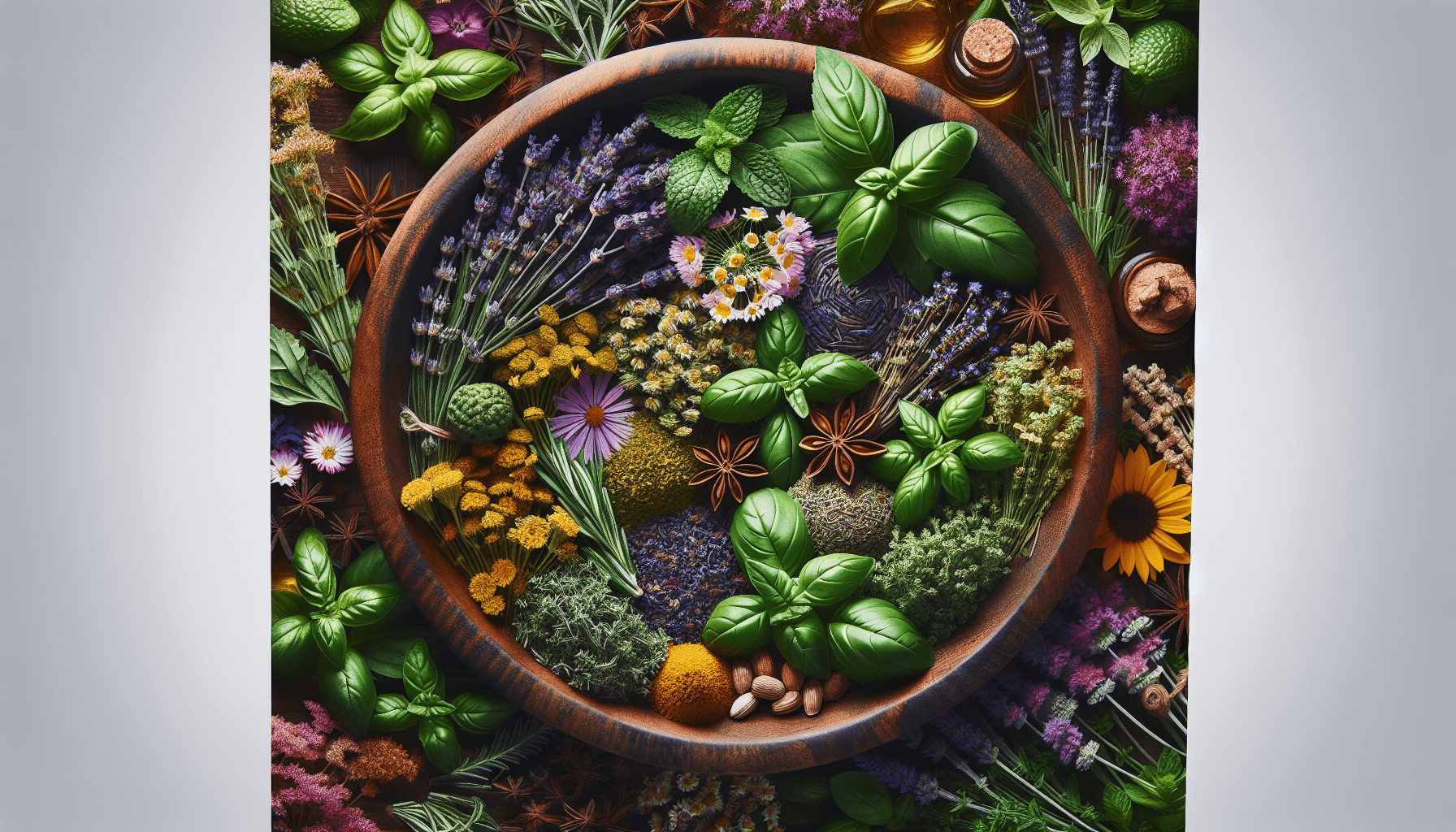
Throughout history, people have relied on the power of nature to heal and restore their bodies. In today’s fast-paced and modern world, the role of traditional healing herbs in holistic medicine has become increasingly important. These herbs, which have been used for centuries by different cultures around the world, offer a natural and sustainable alternative to synthetic drugs. From easing digestive issues to boosting the immune system, traditional healing herbs bring a wealth of benefits to our overall well-being. This article explores the fascinating role and significant impact of traditional healing herbs in the realm of holistic medicine. So, sit back, relax, and embark on a journey through the world of ancient remedies.
Definition of Holistic Medicine
Holistic medicine is an approach to healthcare that considers the whole person – mind, body, and spirit – in the treatment and prevention of illness. It focuses on the interconnectedness of all aspects of an individual’s well-being, recognizing that each person is unique and that their health is influenced by a myriad of factors. Holistic medicine aims to promote balance and harmony within the body, supporting its natural healing abilities and addressing the underlying causes of disease.
Understanding Holistic Medicine
Holistic medicine acknowledges that symptoms of illness are often an indication of underlying imbalances within the body. Rather than simply treating symptoms, holistic medicine seeks to identify and address the root causes of these imbalances, taking into account physical, emotional, and spiritual factors. By treating the whole person, rather than just the disease, holistic medicine supports comprehensive healing and promotes overall well-being.
Principles of Holistic Medicine
There are several key principles that guide the practice of holistic medicine:
-
The body has an innate ability to heal itself: Holistic medicine recognizes the body’s natural healing mechanisms and aims to support and strengthen them.
-
Prevention is key: Holistic medicine emphasizes the importance of prevention and proactive self-care to maintain optimal health and prevent illness.
-
Individuality: Holistic medicine acknowledges that each person is unique, with their own set of physical, emotional, and spiritual needs. Treatment plans are tailored to the individual, considering their specific condition and overall well-being.
-
Integration of mind, body, and spirit: Holistic medicine recognizes that the mind, body, and spirit are interconnected and influence each other. All aspects of a person’s well-being are taken into account in the healing process.
-
Empowerment and responsibility: Holistic medicine encourages individuals to take an active role in their healthcare and make informed decisions about their well-being. It emphasizes personal responsibility and empowerment in the pursuit of health.
Approach to Holistic Healing
Holistic healing involves a comprehensive approach to wellness, integrating various modalities and practices to address the multidimensional nature of health. It encompasses a wide range of approaches, including:
- Nutrition and dietary changes
- Exercise and physical activity
- Stress reduction techniques, such as meditation and yoga
- Herbal medicine and traditional healing herbs
- Massage therapy and bodywork
- Energy healing modalities, such as acupuncture and Reiki
By combining these approaches, holistic healing aims to restore balance and support the body’s natural healing processes. It recognizes that true health is not solely the absence of disease but a state of optimal well-being in all aspects of life.
Traditional Healing Herbs
Overview of Traditional Healing Herbs
Traditional healing herbs have been used for centuries in various cultures around the world as natural remedies for a wide range of health conditions. These herbs, derived from plants, possess unique therapeutic properties that have been passed down through generations as traditional knowledge. They are often an integral part of folk medicine and play a significant role in holistic healing approaches.
Types of Traditional Healing Herbs
Traditional healing herbs encompass a vast array of plant species, each with its own unique healing properties. These herbs can be classified into different categories based on their uses, such as:
- Adaptogens: Herbs that help the body adapt to stress and promote overall balance and well-being, such as ginseng and ashwagandha.
- Anti-inflammatory herbs: Herbs that have anti-inflammatory properties and can help reduce inflammation and pain, such as turmeric and ginger.
- Immune-boosting herbs: Herbs that support and strengthen the immune system, such as echinacea and astragalus.
- Calming herbs: Herbs that have a calming effect on the nervous system and can help reduce stress and anxiety, such as chamomile and lavender.
Each category of traditional healing herbs offers a range of options for addressing specific health concerns and promoting holistic well-being.
History and Cultural Significance
The use of traditional healing herbs dates back thousands of years and has been an integral part of various cultures and traditional healing systems. Indigenous communities around the world have long relied on these plants for their medicinal properties, passing down their knowledge from generation to generation. Traditional healing herbs often hold deep cultural and spiritual significance, representing a connection to the natural world and the wisdom of ancestral traditions.
Throughout history, these herbs have played a vital role in addressing health imbalances and promoting overall well-being in traditional healing practices. Today, they continue to be valued and utilized in holistic medicine, offering natural alternatives and complementary approaches to conventional treatments.
Efficacy of Traditional Healing Herbs
Scientific Studies and Research
Many traditional healing herbs have been the subject of scientific studies and research, exploring their efficacy, safety, and potential therapeutic benefits. These studies have shed light on the active compounds present in these herbs, their mechanisms of action, and their effects on various health conditions.
Scientific research has confirmed the presence of bioactive compounds in traditional healing herbs that contribute to their beneficial effects. For example, curcumin, the active compound in turmeric, has been found to have anti-inflammatory, antioxidant, and anticancer properties. Ginger has also been extensively studied for its anti-inflammatory and analgesic effects.
While scientific studies provide valuable insights into the medicinal properties of traditional healing herbs, it is important to note that further research is needed to fully understand their potential benefits and mechanisms of action.
Traditional Knowledge and Anecdotal Evidence
Traditional healing herbs have been used for centuries based on the accumulated knowledge and experience of generations. This traditional knowledge, passed down orally and through practice, forms a rich resource of anecdotal evidence supporting the efficacy of these herbs.
Many individuals have reported positive experiences and health benefits from using traditional healing herbs for various conditions. These anecdotal accounts contribute to the broader understanding of the therapeutic potential of these herbs, highlighting their historical use and cultural significance.
While anecdotal evidence is not considered scientifically conclusive, it serves as a valuable starting point for investigating the therapeutic properties of traditional healing herbs and guiding further research.
Combining Eastern and Western Medicine
In recent years, there has been a growing recognition of the value of integrating Eastern and Western medicine approaches. Traditional healing herbs offer a bridge between these two systems of medicine, combining ancient wisdom with modern scientific research.
By incorporating traditional healing herbs into holistic treatment plans, healthcare practitioners can tap into the healing potential of these natural remedies while still utilizing evidence-based Western medical practices. This integrative approach allows for a comprehensive and personalized approach to healthcare, addressing the unique needs of each individual while considering their cultural background, preferences, and health goals.
The integration of Eastern and Western medicine offers a holistic and inclusive approach to healthcare, opening up new possibilities for promoting well-being and improving patient outcomes.
Common Traditional Healing Herbs
Ginger
Ginger is a popular and versatile traditional healing herb known for its spicy flavor and numerous health benefits. It has long been used in traditional medicine to support digestive health, reduce inflammation, relieve nausea, and promote cardiovascular health. Ginger contains bioactive compounds, such as gingerol and shogaol, which have antioxidant and anti-inflammatory properties.
Turmeric
Turmeric, widely used in traditional Indian and Ayurvedic medicine, is renowned for its vibrant yellow color and culinary and medicinal uses. Curcumin, the active compound in turmeric, is a potent antioxidant and anti-inflammatory agent. It has been studied for its potential benefits in promoting brain health, reducing inflammation, supporting joint health, and even potentially preventing certain types of cancer.
Garlic
Garlic is another commonly used traditional healing herb with a long history of medicinal use. It is known for its potent antimicrobial, antifungal, and anti-inflammatory properties. Garlic is often used to boost the immune system, support cardiovascular health, and aid in digestion. Allicin, a compound found in garlic, is responsible for its therapeutic effects.
Ginseng
Ginseng is a highly valued traditional healing herb in Asia, known for its adaptogenic properties and ability to promote overall well-being. It has been used for centuries in traditional medicine to enhance energy, reduce stress, support immune function, and improve cognitive function. Ginsenosides, the active compounds in ginseng, are believed to be responsible for its beneficial effects.
Echinacea
Echinacea is a widely recognized traditional healing herb used to support immune system function and prevent or shorten the duration of common colds and respiratory infections. It contains compounds that have been shown to enhance immune cell activity and reduce inflammation. Echinacea is often used in herbal remedies, such as teas and extracts, as a natural immune booster.
Chamomile
Chamomile is a gentle and soothing traditional healing herb used for its calming properties. It is often consumed as a tea to promote relaxation, relieve anxiety, soothe digestive discomfort, and support sleep. Chamomile contains compounds that have been found to have sedative and anti-anxiety effects, making it a popular choice for those seeking natural remedies for stress management.
Lavender
Lavender is well-known for its pleasant aroma and its ability to promote relaxation and calmness. It has been used in traditional medicine for its soothing and sedative properties. Lavender essential oil is often used in aromatherapy to reduce stress and anxiety, promote sleep, and alleviate tension headaches. The compounds found in lavender, such as linalool and linalyl acetate, contribute to its therapeutic effects.
Peppermint
Peppermint is a refreshing and invigorating traditional healing herb with a long history of medicinal use. It is known for its ability to soothe digestive discomfort, relieve headaches, and support respiratory health. Peppermint contains menthol, among other compounds, which have been found to have analgesic and antispasmodic properties. It is commonly consumed as a tea, used in topical applications, or taken in the form of enteric-coated capsules.
Valerian Root
Valerian root is a traditional healing herb commonly used for its sedative and sleep-promoting properties. It has a long history of use as a natural remedy for insomnia and anxiety. Valerian root contains compounds, such as valerenic acid, that have been found to interact with neurotransmitters involved in sleep regulation. It can be taken as a tea, capsule, or tincture to support restful sleep and relaxation.
Therapeutic Properties of Traditional Healing Herbs
Anti-inflammatory Effects
Many traditional healing herbs possess anti-inflammatory properties, making them valuable in the management of various inflammatory conditions. Chronic inflammation is linked to the development and progression of many diseases, including cardiovascular disease, arthritis, and certain types of cancer. Traditional healing herbs such as ginger, turmeric, and garlic have been studied for their ability to reduce inflammation and modulate the immune response.
Antioxidant Properties
Traditional healing herbs are rich in antioxidants, which help protect the body against free radicals and oxidative stress. Free radicals are unstable molecules that can cause cellular damage and contribute to the development of chronic diseases. Antioxidants help neutralize these harmful molecules, supporting overall health and well-being. Many herbs, including turmeric, ginger, and ginseng, have been found to have potent antioxidant properties.
Immune System Support
Several traditional healing herbs are known for their immune-boosting properties, helping to strengthen the body’s defense mechanisms. Herbs like echinacea, ginseng, and garlic have been used traditionally to support immune function and reduce the risk and severity of infections. These herbs contain active compounds that stimulate immune cell activity, enhance immune response, and have antiviral and antibacterial properties.
Pain Relief
Many traditional healing herbs possess analgesic properties, providing natural pain relief for various conditions. These herbs can help alleviate pain and discomfort by reducing inflammation, modulating pain receptors, and enhancing the body’s natural pain-relieving mechanisms. Ginger, turmeric, and peppermint are among the herbs commonly used for their analgesic effects.
Stress and Anxiety Reduction
Traditional healing herbs are often used to promote relaxation, reduce stress, and alleviate anxiety. These herbs can have soothing and calming effects on the nervous system, helping to balance stress hormones, promote relaxation, and support mental well-being. Chamomile, lavender, and valerian root are herbs frequently used for their calming properties and their ability to support stress management and encourage restful sleep.
Traditional Healing Herbs in Holistic Treatments
Herbal Teas and Infusions
One of the most common ways to incorporate traditional healing herbs into a holistic treatment plan is through the preparation and consumption of herbal teas and infusions. By steeping dried herbs in hot water, the beneficial compounds are extracted, creating a flavorful and therapeutic beverage. Herbal teas can be tailored to specific health needs, such as calming chamomile for relaxation or immune-boosting echinacea for cold prevention.
Topical Applications
Traditional healing herbs can also be used topically to address specific health concerns. Herbal ointments, creams, and oils can be applied directly to the skin to alleviate pain, reduce inflammation, promote wound healing, and support skin health. Popular examples include ginger and arnica creams for muscle and joint pain relief or lavender and chamomile essential oils for soothing and moisturizing the skin.
Aromatherapy
Aromatherapy, the use of essential oils derived from traditional healing herbs, can have a profound effect on mood, relaxation, and overall well-being. Inhaling the aroma of essential oils, either through a diffuser, inhaler, or by adding them to bathwater, can help reduce stress, promote sleep, alleviate anxiety, and enhance mental clarity. Lavender, peppermint, and chamomile essential oils are often used in aromatherapy for their calming and therapeutic effects.
Herbal Supplements
For those seeking a more convenient and concentrated form of traditional healing herbs, herbal supplements are an option. These supplements often come in the form of capsules, tablets, or tinctures and provide a standardized dosage of herbal extracts. They can be used to support specific health needs, such as immune support with echinacea or stress management with ashwagandha. It is important to consult with a healthcare professional before starting any herbal supplementation regimen to ensure safety and appropriate dosing.
Traditional Healing Herbs and Mental Health
Herbs for Mood Enhancement
Traditional healing herbs can play a role in supporting mental well-being and enhancing mood. Certain herbs, such as St. John’s wort, have been traditionally used for their antidepressant properties. St. John’s wort contains compounds that can help increase the levels of serotonin, a neurotransmitter associated with mood regulation. However, it is essential to consult with a healthcare professional before incorporating herbs into a mental health treatment plan, as they may interact with medications or have potential side effects.
Herbs for Relaxation and Sleep
Herbs like chamomile, lavender, and valerian root have long been used for their calming and sleep-promoting properties. These herbs can help reduce anxiety, promote relaxation, and support restful sleep. In addition to their traditional use, scientific research has also supported their efficacy in improving sleep quality and reducing insomnia symptoms. It is important to note that individual responses to herbs may vary, and it is best to consult with a healthcare professional before using them for sleep or relaxation purposes, especially if taking other medications.
Herbs for Stress Management
Stress is a common element in our modern lives, and finding healthy ways to manage it is essential for overall well-being. Traditional healing herbs can be valuable tools in stress management, helping to support the body’s response to stress and promote relaxation. Adaptogenic herbs, such as ashwagandha and ginseng, have been traditionally used to reduce stress, enhance resilience, and support adrenal health. However, it is important to address the root causes of stress and develop a holistic approach to stress management that includes lifestyle changes and self-care practices.
Cultural and Spiritual Significance of Traditional Healing Herbs
Sacred Herbs in Indigenous Cultures
In many indigenous cultures, traditional healing herbs hold deep cultural and spiritual significance. These herbs are often considered sacred, representing a connection to the natural world, ancestral wisdom, and spiritual teachings. Indigenous communities have profound knowledge of the healing properties of these herbs and incorporate them into their ceremonies, rituals, and healing practices. The use of sacred herbs is integral to their cultural identity, preserving their traditions and fostering a sense of communal and individual well-being.
Herbal Rituals and Ceremonies
Traditional healing herbs are frequently used in rituals and ceremonies to promote healing, purification, and spiritual connection. These rituals, rooted in cultural traditions and ancient practices, often involve the burning of herbs, creation of herbal baths, or ingestion of herbal preparations. The combination of the sacred intentions, the aromatic properties of the herbs, and the rituals themselves creates a powerful and meaningful experience, enhancing the healing process and promoting spiritual growth.
Connection to Nature and Spirituality
Traditional healing herbs offer a profound connection to nature and serve as a reminder of our interconnectedness with the natural world. Many traditional healing practices emphasize the importance of maintaining a harmonious relationship with the environment and recognize the healing power of the Earth. The use of traditional healing herbs in holistic medicine encourages a deeper connection to nature, fostering a sense of gratitude and reverence for the natural resources that support our health and well-being.
Importance of Sustainable Harvesting and Conservation
Preserving Indigenous Knowledge
The use of traditional healing herbs is deeply intertwined with indigenous cultures and their traditional knowledge systems. Preserving this knowledge is crucial for maintaining cultural diversity, respecting indigenous rights, and promoting sustainable healthcare practices. It is important to engage in culturally sensitive research, consultation, and collaboration with indigenous communities to ensure that traditional healing knowledge is respected, preserved, and ethically utilized.
Ethical Sourcing and Fair Trade
The increasing demand for traditional healing herbs has raised concerns about unsustainable harvesting practices, overexploitation, and impacts on local communities. Ethical sourcing and fair trade practices play a crucial role in addressing these concerns and ensuring that the production and trade of traditional healing herbs align with social, environmental, and economic sustainability. Supporting local growers, fair wages, and sustainable harvesting practices contribute to the long-term availability of these valuable resources and help protect the livelihoods of communities who depend on them.
Protecting Herbal Biodiversity
Traditional healing herbs are part of the rich biodiversity of our planet, and their conservation is essential for the future of holistic medicine and sustainable healthcare. By protecting the habitats where these herbs grow and promoting sustainable cultivation practices, we can help preserve their genetic diversity and ensure their availability for future generations. Conservation efforts, such as seed banks, botanical gardens, and sustainable farming practices, contribute to the protection of herbal biodiversity and support the long-term sustainability of traditional healing practices.
Integration of Traditional Healing Herbs in Modern Medicine
Collaboration between Traditional Healers and Western Medical Practitioners
The integration of traditional healing herbs into modern medicine often involves collaboration and communication between traditional healers and Western medical practitioners. This collaboration fosters an inclusive approach that combines the expertise and perspectives of both systems, ultimately benefiting patients and improving healthcare outcomes. By working together, healthcare professionals can draw on a broader range of treatment options, including traditional healing herbs, to address the complex health needs of individuals.
Herbal Medicine Education in Medical Schools
The recognition of the therapeutic potential of traditional healing herbs has led to an increased focus on herbal medicine education in medical schools. Integrating herbal medicine into mainstream healthcare education equips future healthcare professionals with the knowledge and skills necessary to incorporate these natural remedies into their practice. This education helps bridge the gap between traditional healing practices and modern medicine, fostering a more inclusive and comprehensive approach to patient care.
Regulatory Considerations
Integrating traditional healing herbs into modern medicine requires careful consideration of regulatory frameworks to ensure patient safety, product quality, and ethical sourcing. Regulatory bodies play a crucial role in establishing standards and guidelines for the production, labeling, and distribution of herbal products. By implementing robust regulations and quality control measures, healthcare professionals and consumers can have confidence in the safety and efficacy of herbal remedies. It is important for healthcare practitioners and consumers to stay informed about the regulations governing traditional healing herbs in their respective countries to make informed choices and ensure responsible use.
In conclusion, traditional healing herbs have a significant role to play in holistic medicine, supporting comprehensive healing and promoting overall well-being. Their therapeutic properties, rooted in traditional knowledge and supported by scientific research, offer natural alternatives and complementary approaches to conventional treatments. By integrating traditional healing herbs into holistic treatment plans, healthcare practitioners can tap into the healing potential of these natural remedies while still utilizing evidence-based Western medical practices. The cultural and spiritual significance of traditional healing herbs reminds us of our connection to nature and the wisdom of ancestral traditions. It is important to ensure the sustainable harvesting and conservation of these herbs, preserving indigenous knowledge and respecting cultural diversity. The integration of traditional healing herbs into modern medicine requires collaboration, education, and regulatory considerations to ensure patient safety and improve healthcare outcomes. By embracing the holistic approach of traditional healing herbs, we can support the well-being of individuals and foster a deeper understanding of the interconnectedness of mind, body, and spirit in achieving optimal health.