
Have you ever wondered about the impact of traditional healing practices on holistic health? In today’s fast-paced and modern world, we often turn to conventional medicine to address our ailments. However, traditional healing practices have served as a cornerstone of healthcare in many cultures for centuries. These practices, rooted in ancient wisdom and passed down through generations, take a holistic approach to health by considering the interconnectedness of the mind, body, and spirit. By integrating natural remedies, spiritual rituals, and traditional therapies, traditional healing practices offer a unique perspective on wellness that goes beyond just treating symptoms. In this article, we will explore the role of traditional healing practices in promoting holistic health and their enduring relevance in today’s society.
Understanding Traditional Healing Practices
Traditional healing practices refer to an array of healthcare approaches that have been passed down through generations in various cultures around the world. These practices are rooted in ancient wisdom and are based on principles and beliefs that emphasize the interconnectedness of the mind, body, and spirit. Traditional healing practices often encompass a holistic approach to health and well-being, considering not only the physical symptoms but also the emotional, mental, and spiritual aspects of a person.
Definition of Traditional Healing Practices
Traditional healing practices encompass a wide range of therapies and modalities that have been used for centuries to promote health and healing. These practices often involve the use of natural remedies, such as herbs, plants, and minerals, as well as various techniques to stimulate the body’s innate healing abilities. Traditional healing practices can include herbal medicine, acupuncture, massage therapy, chiropractic care, Ayurveda, homeopathy, naturopathy, traditional Chinese medicine, and Native American healing practices, among others.
History and Origins of Traditional Healing Practices
The origins of traditional healing practices can be traced back thousands of years, arising from the ancient knowledge and wisdom of different cultures around the world. These practices have been cultivated and refined over generations, passed down through oral tradition and written texts. Traditional healing practices often have deep historical and cultural roots, originating from indigenous communities who relied on the natural world for their healing needs. Throughout history, traditional healing practices have played a crucial role in maintaining the health and well-being of communities.
Principles and Beliefs of Traditional Healing Practices
Traditional healing practices are founded on a set of principles and beliefs that guide the diagnosis and treatment process. These principles often reflect the understanding that health is a state of balance and harmony, and that disease or illness arises when this balance is disrupted. Traditional healing practices also recognize the interconnectedness of the mind, body, and spirit, viewing these aspects as inseparable and interdependent. Additionally, traditional healing practices often emphasize the importance of addressing the root causes of illness, rather than solely focusing on the symptoms.
Types of Traditional Healing Practices
Herbal Medicine
Herbal medicine is one of the oldest forms of traditional healing practices and involves the use of plants and their extracts for therapeutic purposes. Traditional healers often possess extensive knowledge about the medicinal properties of various plants and herbs and use them to create remedies that address specific health concerns. Herbal medicine can be used internally, through ingestion or infusion, or externally, through topical application.
Acupuncture
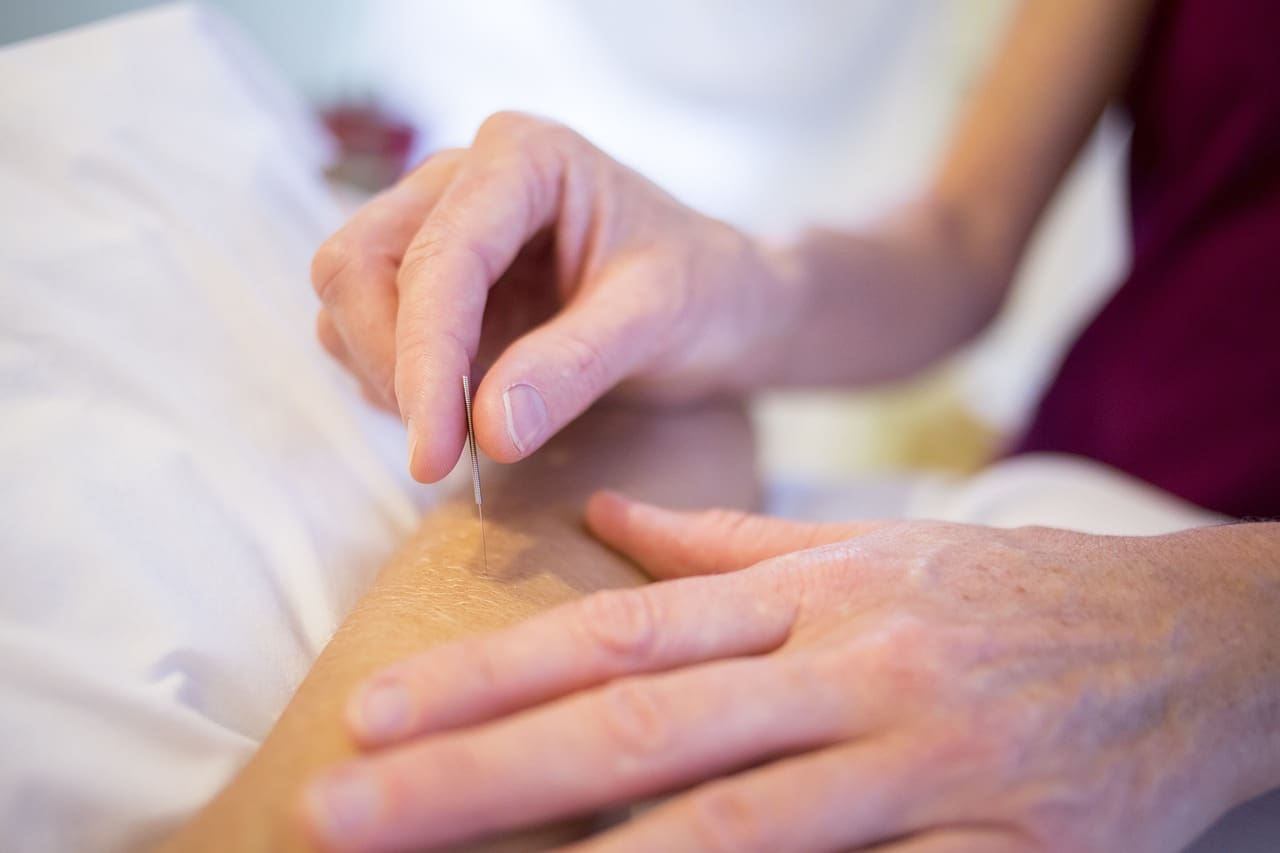
Acupuncture is a traditional healing practice that originated in China over 2,000 years ago. It involves the insertion of thin needles into specific points on the body to stimulate energy flow and restore balance. According to traditional Chinese medicine, the body’s vital energy, known as Qi, flows through meridians or channels. By manipulating these energy pathways, acupuncture aims to correct imbalances and promote healing.
Massage Therapy
Massage therapy is a traditional healing practice that involves the manual manipulation of soft tissues in the body, such as muscles, tendons, and ligaments. Various massage techniques, such as Swedish massage, deep tissue massage, and shiatsu, are employed to promote relaxation, relieve muscle tension, improve circulation, and enhance overall well-being.
Chiropractic Care
Chiropractic care is a traditional healing practice that focuses on the relationship between the spine and the nervous system. Chiropractors use hands-on spinal manipulation techniques to restore joint function and alleviate pain. This approach is based on the belief that the body has the innate ability to heal itself when the spine is in proper alignment.
Ayurveda
Ayurveda is an ancient healing system that originated in India over 5,000 years ago. It emphasizes the balance of three doshas or energies – Vata, Pitta, and Kapha – within the body. Ayurvedic treatments may include herbal medicines, dietary guidelines, lifestyle modifications, meditation, and yoga.
Homeopathy
Homeopathy is a system of alternative medicine developed in the late 18th century by Samuel Hahnemann. It is based on the principle of “like cures like,” which means that a substance that causes symptoms in a healthy person can be used in a highly diluted form to treat similar symptoms in an ill person. Homeopathic remedies are chosen based on the individual’s unique symptoms and constitution.
Naturopathy
Naturopathy is a holistic approach to healthcare that seeks to support and stimulate the body’s inherent ability to heal itself. Naturopathic doctors focus on identifying and addressing the underlying causes of illness, rather than solely treating symptoms. Treatment modalities used in naturopathy may include herbal medicine, dietary and lifestyle modifications, hydrotherapy, and other natural therapies.
Traditional Chinese Medicine
Traditional Chinese Medicine (TCM) is a comprehensive healing system that includes various modalities such as acupuncture, herbal medicine, and dietary therapy. TCM is based on the principles of Yin and Yang, as well as Qi and the flow of energy through meridians. It aims to restore balance and harmony within the body to promote health and well-being.
Native American Healing Practices
Native American healing practices are deeply rooted in indigenous cultural traditions and spiritual beliefs. These practices often involve ceremonies, rituals, and the use of herbal remedies to address physical, emotional, and spiritual imbalances. Native American healing practices focus on the interconnectedness of all beings and the importance of maintaining harmony within oneself and with the natural world.
Benefits of Traditional Healing Practices in Holistic Health
Traditional healing practices offer a range of benefits when incorporated into holistic health approaches. Some of these benefits include:
Addressing Root Causes
Traditional healing practices often prioritize understanding and addressing the root causes of illness. Instead of focusing solely on symptoms, these practices seek to identify and treat the underlying imbalances that contribute to poor health. By addressing the root causes, traditional healing practices can support long-term healing and prevent the recurrence of health issues.
Promoting Balance and Harmony
Traditional healing practices recognize the importance of balance and harmony within the body, mind, and spirit. By restoring this balance, these practices can help alleviate physical, emotional, and mental imbalances, promoting overall well-being. Traditional healing practices often view health as a state of equilibrium and aim to bring the body back into balance.
Individualized Treatment Approach
Traditional healing practices often take into account the uniqueness of each individual and tailor treatment plans accordingly. These practices recognize that there is no one-size-fits-all approach to healing and emphasize the importance of personalized care. By considering individual needs, traditional healing practices can provide targeted treatments that address specific health concerns.
Minimal Side Effects
Unlike many pharmaceutical interventions, traditional healing practices often have minimal side effects. Herbal remedies and other natural treatments used in traditional healing practices are generally well-tolerated by the body, reducing the risk of adverse reactions. This makes traditional healing practices particularly suitable for individuals who may be sensitive to conventional medications.
Complementary to Western Medicine
Traditional healing practices can complement Western medicine by providing additional options for healthcare. While Western medicine often excels in acute care and emergency situations, traditional healing practices can offer a different perspective and provide alternative treatment options for chronic conditions or as a supportive measure. Integrating traditional healing practices with Western medicine allows for a more comprehensive and holistic approach to healthcare.
Cultural and Spiritual Significance
Traditional healing practices hold cultural and spiritual significance for many communities. These practices often reflect the cultural heritage, wisdom, and beliefs of a particular group or society. By honoring and preserving these traditions, traditional healing practices contribute to the preservation of cultural diversity and the promotion of cultural identity. Additionally, these practices often provide individuals with a sense of connection to their ancestors and a deeper understanding of their own spirituality.
Integration of Traditional and Western Medicine
As awareness of the benefits of traditional healing practices grows, there is an increasing interest in integrating these practices into mainstream healthcare systems. Integration can occur through various approaches, including collaborative healthcare, combining traditional and modern therapies, and scientific validation of traditional practices.
Collaborative Healthcare Approaches
Collaborative healthcare approaches involve bringing together healthcare professionals from different disciplines to provide comprehensive care to patients. Integrating traditional healing practices into collaborative healthcare teams allows for a holistic approach that addresses a broader range of health concerns. By working together, healthcare professionals can combine the strengths of both Western medicine and traditional healing practices to improve patient outcomes.
Combining Traditional and Modern Therapies
Integrative medicine, also known as complementary and alternative medicine (CAM), refers to the combination of traditional healing practices with modern medical therapies. This approach acknowledges that different modalities can be effective in addressing various health concerns and seeks to provide patients with a wider range of treatment options. By combining traditional and modern therapies, individuals can benefit from the strengths of both approaches.
Scientific Validation of Traditional Practices
Scientific validation of traditional healing practices involves conducting rigorous research studies to investigate the effectiveness and safety of these practices. As scientific methods evolve, there is an increasing body of evidence supporting the use of traditional healing practices. By conducting high-quality research, traditional healing practices can gain recognition and acceptance in mainstream healthcare systems.
Holistic Health Centers
Holistic health centers play a crucial role in promoting and facilitating the integration of traditional healing practices into healthcare systems. These centers adopt a patient-centered approach and provide multidisciplinary care that addresses all aspects of an individual’s well-being.
Incorporation of Traditional Healing Practices
Holistic health centers incorporate traditional healing practices into their treatment offerings, recognizing their value in supporting holistic health. These centers often have practitioners who specialize in various traditional healing modalities such as acupuncture, herbal medicine, and massage therapy. By offering a wide range of treatment options, holistic health centers allow individuals to choose the approaches that resonate with them and align with their health goals.
Patient-Centered Approach
Holistic health centers prioritize the individual’s needs and preferences in their approach to healthcare. They recognize that each person is unique and that their health goals and concerns may vary. By involving patients in their healthcare decisions and co-creating treatment plans, holistic health centers empower individuals to take an active role in their healing journey.
Multidisciplinary Care
Holistic health centers often bring together practitioners from different disciplines, such as Western medicine, traditional healing practices, psychology, nutrition, and physical therapy. This multidisciplinary approach allows for comprehensive assessments and treatments, considering all aspects of an individual’s health. By collaborating and sharing expertise, practitioners can provide a more holistic and integrated approach to patient care.
Promoting Overall Well-being and Preventive Care
Holistic health centers emphasize the importance of preventive care and maintaining overall well-being. They encourage individuals to take proactive steps towards their health by adopting healthy habits, such as regular exercise, proper nutrition, stress management, and self-care practices. By promoting these lifestyle factors, holistic health centers aim to prevent the development of chronic diseases and support long-term health.
Challenges and Controversies
While traditional healing practices offer numerous benefits, there are also challenges and controversies surrounding their integration into mainstream healthcare systems.
Lack of Regulation and Standardization
One of the main challenges in integrating traditional healing practices is the lack of regulation and standardization. Unlike Western medicine, which is often governed by strict guidelines and regulations, traditional healing practices vary widely in their training, qualifications, and standards of practice. This lack of uniformity can make it difficult for individuals to assess the credibility and expertise of practitioners.
Cultural Appropriation and Misinterpretation
Another challenge is the risk of cultural appropriation and misinterpretation of traditional healing practices. These practices often stem from specific cultural traditions and have deep cultural and spiritual significance. When these practices are taken out of their cultural context and commodified, it can lead to the erasure of cultural knowledge and exploitation of indigenous communities.
Skepticism and Stigma
Traditional healing practices have been met with skepticism and stigma in some Western societies. This skepticism often stems from a lack of scientific validation and a cultural bias favoring Western medicine. Traditional healing practices may be seen as unscientific or outdated, leading to skepticism and reluctance to integrate these practices into mainstream healthcare systems.
Integration into Mainstream Healthcare Systems
Integrating traditional healing practices into mainstream healthcare systems is a complex process that requires collaboration, education, and policy changes. Skepticism, lack of awareness, and resistance to change can pose barriers to this integration. However, as scientific evidence accumulates and awareness grows, there is an increasing recognition of the value of traditional healing practices in supporting holistic health.
Cultural Considerations
When integrating traditional healing practices into healthcare systems, it is important to consider and respect cultural traditions and beliefs.
Respecting Cultural Traditions
Respecting cultural traditions involves acknowledging the origins and significance of traditional healing practices. It is essential to understand that these practices are deeply rooted in specific cultural contexts and have been passed down through generations. By honoring and respecting cultural traditions, individuals and healthcare systems can foster cultural diversity and promote inclusive healthcare.
Preservation of Indigenous Knowledge
Preservation of indigenous knowledge is crucial when integrating traditional healing practices. Indigenous communities have a wealth of knowledge about the healing properties of local plants, traditional ceremonies, and spiritual practices. It is important to recognize the value of this knowledge and involve indigenous communities in decision-making processes related to their traditional healing practices.
Culturally Sensitive Treatment Approach
A culturally sensitive treatment approach involves tailoring healthcare services to meet the cultural and individual needs of patients. This includes incorporating cultural beliefs, values, and practices into treatment plans and respecting individual preferences. By adopting a culturally sensitive approach, healthcare providers can foster trust and enhance the effectiveness of traditional healing practices.
Education and Awareness
Education and awareness play a vital role in promoting the integration of traditional healing practices. Healthcare providers, policymakers, and the general public need access to accurate information about these practices, their benefits, and their cultural significance. By increasing education and awareness, individuals can make informed decisions and contribute to the acceptance and integration of traditional healing practices.
Future Directions and Research
As traditional healing practices gain recognition and acceptance, there are several future directions and research areas to explore.
Further Scientific Exploration
Continued scientific exploration is essential to understand the mechanisms and effectiveness of traditional healing practices. More research studies are needed to investigate the therapeutic properties of herbal remedies, the physiological effects of acupuncture, and the impact of traditional healing practices on overall well-being. Further scientific exploration can provide valuable insights and evidence to support the integration of traditional healing practices into mainstream healthcare.
Development of Evidence-Based Guidelines
The development of evidence-based guidelines can guide the integration of traditional healing practices into healthcare systems. These guidelines can provide recommendations for the use of specific modalities, identify contraindications and potential interactions with conventional treatments, and outline the requirements for training and qualifications of practitioners. Evidence-based guidelines can ensure the safe and effective incorporation of traditional healing practices into mainstream healthcare.
Cultivating Collaboration and Partnerships
Cultivating collaboration and partnerships between traditional healers and healthcare providers is crucial for successful integration. By working together, these diverse healthcare professionals can share knowledge, expertise, and resources. Collaborative partnerships can lead to a more comprehensive and patient-centered approach to healthcare that incorporates the strengths of both traditional healing practices and Western medicine.
Incorporation into Health Policy
Inclusion of traditional healing practices in health policy can facilitate their integration into mainstream healthcare systems. Health policies should support the recognition, regulation, and standardization of traditional healing practices, ensuring that practitioners meet specific qualifications and adhere to ethical guidelines. Incorporating traditional healing practices into health policy can contribute to greater access, integration, and acceptance of these practices.
Conclusion
Traditional healing practices have played an essential role in promoting holistic health and well-being for centuries. These practices offer a unique perspective that addresses the interconnectedness of the mind, body, and spirit. Incorporating traditional healing practices into healthcare systems can provide individuals with a wider range of treatment options, address the root causes of illness, and promote overall balance and harmony. However, the integration of traditional healing practices comes with its challenges and controversies. By respecting cultural traditions, preserving indigenous knowledge, and fostering education and awareness, individuals and healthcare systems can embrace the value of traditional healing practices and enhance holistic health and well-being.