
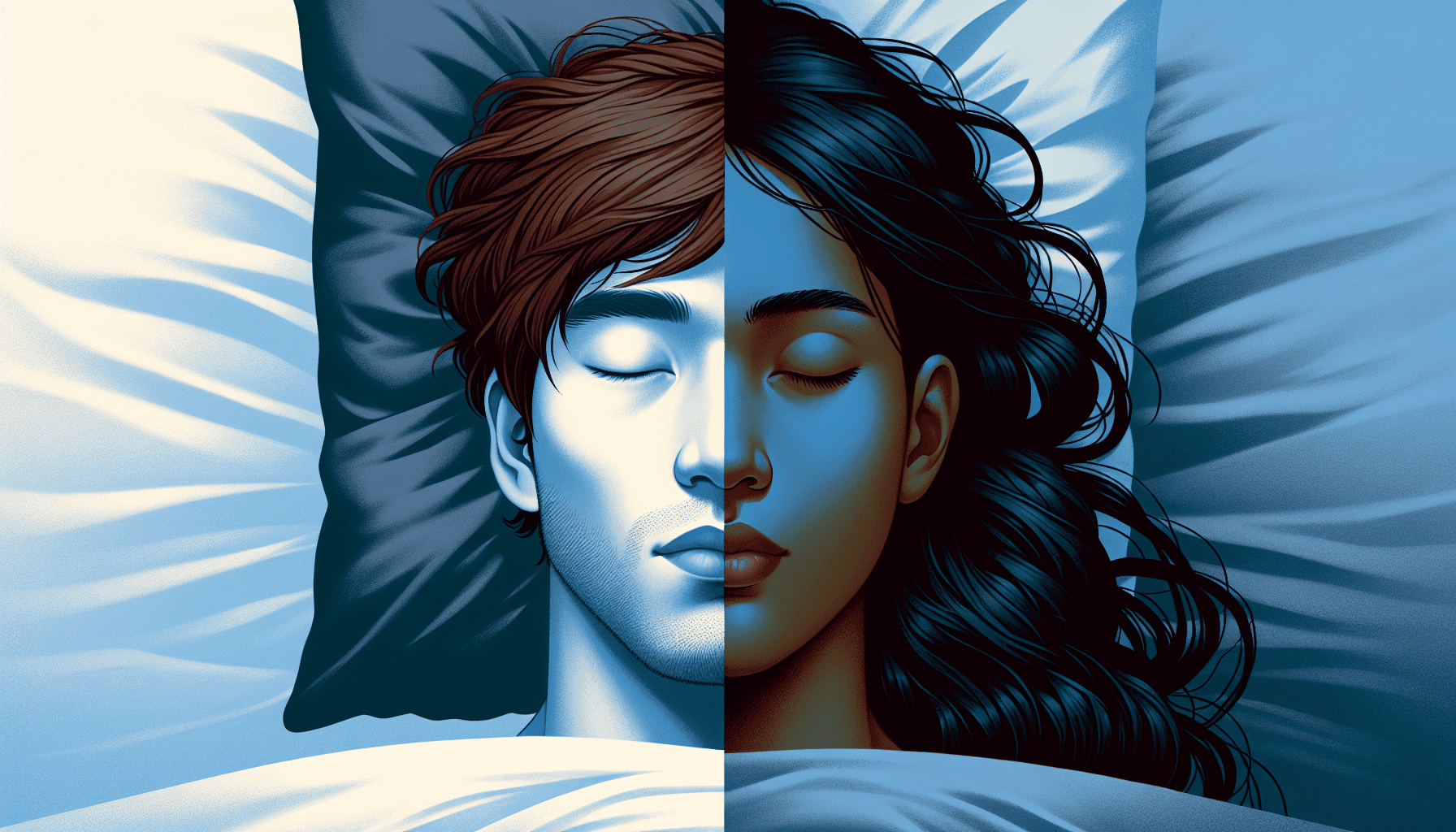
Hey there! Ever wondered why men always seem to be up and ready to face the day bright and early? Well, it turns out that there’s a scientific explanation behind their sleep patterns. In this article, we’ll be exploring the fascinating world of men’s sleep cycles and how they differ from women’s. From the length of their sleep to the stages they go through, get ready to delve into the science behind why men can bounce out of bed with seemingly endless energy. So, grab your cup of coffee and let’s uncover the secrets of men’s sleep!
Understanding Sleep Cycles
Introduction to Sleep Cycles
Sleep is an essential aspect of our lives, and understanding its intricate processes can help us improve our overall well-being. One crucial element of sleep is the sleep cycle, which consists of various stages that our bodies go through during a night of rest. By grasping the fundamentals of sleep cycles, we can develop strategies to optimize our sleep, leading to improved health and productivity.
Stages of Sleep
Sleep is not a uniform state but rather a complex sequence of different stages. These stages can be categorized into two main types: Rapid Eye Movement (REM) sleep and Non-Rapid Eye Movement (NREM) sleep. NREM sleep can be further divided into three stages: N1, N2, and N3. Each stage plays a unique role in the restoration and rejuvenation of the body and mind.
During N1 sleep, which is the lightest stage of sleep, you may experience drifting in and out of consciousness. This stage usually lasts for a short period before transitioning into N2 sleep. N2 sleep is characterized by a decrease in brain activity and the appearance of sleep spindles and K-complexes on an electroencephalogram (EEG) reading. Finally, N3 sleep, also known as deep sleep or slow-wave sleep (SWS), is the stage where our bodies experience the most restorative effects. Deep sleep is vital for physical recovery, memory consolidation, and immune system functioning.
REM sleep is an intriguing stage characterized by rapid eye movements, vivid dreaming, and increased brain activity. During this stage, our bodies exhibit muscle paralysis, which prevents us from acting out our dreams. REM sleep plays a crucial role in cognitive processes, emotional regulation, and memory consolidation.
The Circadian Rhythm
Another essential aspect of sleep cycles is the circadian rhythm, which acts as our internal body clock. This rhythm is responsible for regulating our sleep-wake cycles and aligning them with the natural light-dark cycle of the day. The circadian rhythm is influenced by external cues, such as sunlight, and internal factors, like hormones and body temperature.
The circadian rhythm follows a roughly 24-hour cycle and is regulated by the suprachiasmatic nucleus (SCN) in the brain. This internal clock helps coordinate our biological functions, including sleep, digestion, hormone production, and body temperature regulation. Disruptions in the circadian rhythm, such as jet lag or shift work, can lead to sleep disturbances and health issues if not properly managed.
Ultradian Rhythms
In addition to the circadian rhythm, our bodies also experience ultradian rhythms, which are shorter cycles that occur within the 24-hour day. One prominent ultradian rhythm is the sleep-wake cycle itself, with periods of wakefulness and sleep occurring in alternating waves throughout the day and night.
Ultradian rhythms influence the duration and timing of each sleep stage within the sleep cycle. As we progress through the night, the periods of REM sleep become longer, while deep N3 sleep gradually decreases. These ultradian rhythms contribute to the overall architecture of our sleep and ensure that we experience a balanced distribution of sleep stages.
Sleep Patterns in Men
Gender Differences in Sleep Patterns
While sleep cycles are a fundamental aspect of human biology, there can be variations between men and women. Men tend to have slightly different sleep patterns compared to women, which can be attributed to both biological and behavioral factors.
Research suggests that men have a higher prevalence of sleep-disordered breathing, such as sleep apnea, compared to women. Additionally, men often experience more snoring and sleep-related movement disorders. These differences can be attributed to anatomical and hormonal factors unique to men.
Rapid Eye Movement (REM) Sleep
When examining sleep patterns in men, it is crucial to understand the role of REM sleep. Men generally spend a slightly shorter duration in REM sleep compared to women. However, the purpose of REM sleep in both genders remains essential for memory consolidation, learning, and emotional regulation.
During REM sleep, men may experience higher levels of testosterone release, contributing to testosterone regulation and overall hormonal balance. This hormone plays a significant role in various physiological processes, including sleep regulation.
Non-Rapid Eye Movement (NREM) Sleep
Non-Rapid Eye Movement (NREM) sleep also exhibits distinct characteristics in men. Men tend to spend more time in deep N3 sleep, often referred to as slow-wave sleep, compared to women. This deep sleep stage is critical for physical restoration, growth hormone release, and immune system function.
The increased amount of deep sleep observed in men may be related to the influence of testosterone levels. This hormone is known to promote the growth and maintenance of muscles, which may require more restorative sleep.
Sleep Architecture
When analyzing sleep patterns in men, considering sleep architecture is essential. Sleep architecture refers to the overall organization and distribution of sleep stages throughout the night. In men, sleep architecture typically displays a pattern of deeper and longer periods of slow-wave sleep compared to women.
Understanding sleep architecture can be beneficial in identifying potential sleep disorders or disruptions in men. Disruptions in sleep architecture, such as decreased deep sleep or alterations in REM sleep, may contribute to various health issues, including daytime fatigue, cognitive impairments, and mood disturbances.
Factors Affecting Men’s Sleep Cycles
Age
Age plays a significant role in shaping men’s sleep cycles. As men age, there are natural changes in sleep architecture and sleep quality. Older adults often experience a decrease in deep sleep and an increase in lighter stages of sleep, such as N1 and N2. These changes can result in more fragmented sleep and increased awakenings throughout the night.
Moreover, older men may also experience a shift in their circadian rhythm, commonly known as advanced sleep phase syndrome. This shift causes individuals to feel sleepy and wake up earlier in the morning, leading to a mismatch between their sleep schedules and societal demands.
Hormonal Influences
Hormones, particularly testosterone, play a crucial role in men’s sleep cycles. Testosterone levels fluctuate throughout the day, following a diurnal pattern. Testosterone has been linked to the regulation and maintenance of sleep architecture, specifically deep N3 sleep.
Imbalances in testosterone levels, such as those seen in conditions like hypogonadism or aging-related declines, can disrupt sleep patterns in men. Low testosterone levels may result in decreased sleep quality, reduced REM sleep, and alterations in sleep architecture.
Sleep Disorders
Sleep disorders can significantly impact men’s sleep cycles and overall well-being. Common sleep disorders in men include sleep apnea, insomnia, restless legs syndrome (RLS), and narcolepsy.
Sleep apnea is characterized by repeated interruptions in breathing during sleep, leading to fragmented sleep. It is more prevalent in men, and risk factors such as obesity and anatomical factors may contribute to its development.
Insomnia, the difficulty in falling asleep or staying asleep, can also affect men’s sleep cycles. Stress, work demands, and lifestyle factors may contribute to insomnia in men. Similarly, conditions like restless legs syndrome, which causes uncomfortable sensations in the legs, and narcolepsy, characterized by excessive daytime sleepiness and sudden loss of muscle control (cataplexy), can disrupt sleep patterns in men.
Lifestyle and Stress
Lifestyle factors and stress levels can significantly impact men’s sleep cycles. Modern-day stressors, such as work pressures, financial concerns, and family responsibilities, can lead to elevated levels of stress, anxiety, and sleep disturbances.
Additionally, engaging in unhealthy lifestyle habits, such as consuming excessive caffeine or alcohol, irregular sleep schedules, and lack of physical activity, can negatively impact sleep quality and disrupt the natural sleep-wake cycle.
The Impact of Testosterone
Testosterone’s Role in Sleep Regulation
Testosterone, a hormone primarily associated with male reproductive functions, also plays a vital role in regulating sleep. Research suggests that testosterone influences the regulation of sleep architecture, specifically deep N3 sleep.
During deep sleep, testosterone levels are at their highest, and the release of this hormone helps facilitate physical recovery, muscle development, and maintenance, bone strengthening, and even sperm production. Hence, maintaining optimal testosterone levels is essential for overall sleep quality and restorative processes.
Testosterone Levels and Sleep Disorders
Imbalances in testosterone levels have been linked to various sleep disorders in men. One notable condition is sleep apnea, which has been associated with low testosterone levels. Conversely, treating sleep apnea with continuous positive airway pressure (CPAP) therapy has shown to improve testosterone levels in men.
Similarly, conditions like hypogonadism, characterized by low testosterone production, can contribute to impaired sleep quality and alterations in sleep architecture. Addressing hormonal imbalances through appropriate medical interventions can help alleviate sleep-related issues and restore overall well-being.
Effects of Sleep Deprivation on Testosterone
Sleep deprivation can have a profound impact on testosterone levels in men. Research suggests that even a single night of restricted sleep can lead to a decline in testosterone levels. Prolonged sleep deprivation or chronic sleep disturbances can further exacerbate this decline, potentially leading to hormonal imbalances.
Decreased testosterone levels resulting from insufficient sleep may have detrimental consequences on various aspects of men’s health, including mood, cognitive function, sexual health, and overall vitality. Therefore, prioritizing adequate and restful sleep is crucial for maintaining optimal testosterone levels and overall well-being.
Sleep Disorders in Men
Insomnia
Insomnia, a common sleep disorder, can significantly impact men’s sleep. Difficulty falling asleep, staying asleep, or experiencing non-restorative sleep are characteristic symptoms of insomnia. Stress, anxiety, poor sleep habits, and certain medical conditions can contribute to the development of insomnia.
Addressing the underlying causes of insomnia through behavioral and cognitive therapies, lifestyle modifications, and adopting healthy sleep habits can help improve sleep quality and alleviate insomnia symptoms in men.
Sleep Apnea
Sleep apnea is a condition characterized by pauses in breathing during sleep, often resulting from a narrowing or blockage of the airway. This interruption in breathing can lead to insufficient oxygen intake, fragmented sleep, and excessive daytime sleepiness.
Sleep apnea is more prevalent in men, especially those who are overweight or have certain anatomical characteristics that predispose them to airway blockage. Effective treatments for sleep apnea include continuous positive airway pressure (CPAP) therapy, lifestyle modifications, and weight management.
Restless Legs Syndrome
Restless legs syndrome (RLS) is a neurological disorder characterized by an irresistible urge to move the legs, often accompanied by uncomfortable sensations. The symptoms typically worsen during periods of rest or in the evening, leading to sleep disturbances and daytime fatigue.
RLS is more common in men, and it can be influenced by factors such as iron deficiency, genetic predisposition, and underlying medical conditions. Treatment options for RLS include medication, lifestyle modifications, and managing any underlying conditions contributing to the symptoms.
Narcolepsy
Narcolepsy is a neurological disorder that affects the brain’s ability to regulate sleep-wake cycles. It is characterized by excessive daytime sleepiness, sudden loss of muscle control (cataplexy), hallucinations, and disrupted nighttime sleep.
Although narcolepsy affects both men and women, research suggests a higher prevalence in men. Treatment for narcolepsy typically involves a combination of medications, lifestyle modifications, and behavioral strategies to manage symptoms and improve sleep quality.
Sleep-Related Health Risks for Men
Cardiovascular Disease
Sleep plays a critical role in maintaining cardiovascular health, and disturbances in sleep can increase the risk of developing cardiovascular disease. Men with sleep disorders, such as sleep apnea, have a higher incidence of hypertension, heart disease, and stroke.
Chronic sleep deprivation, linked to lifestyle factors and sleep disorders, can also contribute to the development of cardiovascular issues. By prioritizing healthy sleep habits and seeking appropriate treatment for sleep disorders, men can lower their risk of cardiovascular diseases.
Obesity
Obesity and sleep-related issues often go hand in hand. Lack of sleep and sleep disorders can disrupt hormonal balance, leading to increased cravings for unhealthy foods, decreased metabolism, and weight gain.
Conversely, obesity can also contribute to the development of sleep disorders, such as sleep apnea. Addressing lifestyle factors, optimizing sleep quality, and maintaining a healthy weight through balanced nutrition and regular exercise can help prevent obesity and improve overall sleep health in men.
Diabetes
Sleep disturbances have been linked to an increased risk of developing type 2 diabetes in men. Insulin resistance, a hallmark of type 2 diabetes, can be exacerbated by sleep deprivation and poor sleep quality.
Men experiencing sleep disorders, such as sleep apnea or insomnia, should be vigilant about monitoring their blood sugar levels and managing their sleep health. Lifestyle modifications, including adequate sleep, regular physical activity, and a healthy diet, can reduce the risk of developing type 2 diabetes.
Mental Health Issues
Sleep and mental health are closely intertwined, and disruptions in sleep can contribute to the development or exacerbation of mental health conditions in men. Conditions such as depression, anxiety, and bipolar disorder are associated with sleep disturbances.
Sleep deprivation or poor sleep quality can impact mood regulation, cognitive functioning, and emotional well-being. By prioritizing sleep and seeking professional help when needed, men can improve their mental health outcomes and overall quality of life.
Optimizing Sleep for Men
Establishing a Consistent Sleep Schedule
One key strategy for optimizing sleep is establishing a consistent sleep schedule. Going to bed and waking up at the same time each day helps regulate the circadian rhythm and promotes more restful sleep. Consistency in sleep schedules can improve sleep quality and overall sleep architecture.
Creating a sleep routine that incorporates relaxation techniques, such as reading or practicing mindfulness, can signal to your body that it is time to unwind and prepare for sleep. Consistency, along with a relaxing bedtime routine, provides a foundation for better sleep health and overall well-being.
Creating a Sleep-Friendly Environment
Creating a sleep-friendly environment is essential for maximizing sleep quality. Keep your bedroom cool, dark, and quiet, as these conditions promote a more restful sleep. Consider using blackout curtains, earplugs, or white noise machines to create an optimal sleep environment.
Investing in a comfortable mattress, pillows, and bedding can also contribute to better sleep quality. Choosing a mattress that provides adequate support and aligns with your personal preference can improve sleep comfort and reduce sleep-related discomfort.
Implementing Relaxation Techniques
Incorporating relaxation techniques into your bedtime routine can help calm the mind and prepare the body for sleep. Engaging in activities such as deep breathing exercises, progressive muscle relaxation, or gentle stretching can promote relaxation and reduce stress or anxiety before bed.
Limiting exposure to stimulating activities, such as intense exercise or screen time, close to bedtime can also contribute to a more relaxed state. Implementing these relaxation techniques can help you unwind from the day’s demands and improve the ease of falling asleep.
Avoiding Sleep Disruptors
Identifying and avoiding sleep disruptors is key to optimizing sleep for men. Avoid consuming stimulants, such as caffeine or nicotine, close to bedtime, as they can interfere with falling asleep and sleep quality.
Alcohol may initially induce drowsiness, but it can disrupt the natural sleep cycle and lead to fragmented sleep later in the night. Limit alcohol intake, particularly close to bedtime, to minimize its negative impact on sleep.
Additionally, electronic devices emit blue light, which can interfere with the production of melatonin, a hormone essential for promoting sleepiness. Avoiding screens, such as smartphones, tablets, and televisions, for at least an hour before bed can help promote better sleep quality and reduce the time it takes to fall asleep.
The Role of Exercise in Men’s Sleep
Effects of Exercise on Sleep Quality
Regular exercise has numerous benefits, including improving sleep quality. Engaging in physical activity releases endorphins, improves mood, and reduces stress, all of which can positively impact sleep.
Exercise helps regulate the circadian rhythm and can promote deeper and more restorative sleep. Studies have shown that moderate-intensity aerobic exercise or resistance training can enhance sleep quality, reduce the time it takes to fall asleep, and increase overall sleep duration.
Timing and Types of Exercise
The timing of exercise can also affect sleep quality in men. Engaging in vigorous exercise close to bedtime may raise core body temperature and increase alertness, making it challenging to fall asleep. However, regular exercise earlier in the day, such as in the morning or afternoon, can promote better sleep.
When choosing types of exercise, it is important to find activities that you enjoy and that align with your fitness goals. Whether it’s jogging, swimming, weightlifting, or participating in team sports, finding a form of exercise that motivates you can enhance both physical fitness and sleep quality.
Physical Activity Recommendations
To optimize sleep health, the World Health Organization (WHO) recommends adults engage in at least 150 minutes of moderate-intensity aerobic exercise or 75 minutes of vigorous-intensity aerobic exercise per week. Additionally, incorporating strength training exercises at least twice a week can further enhance overall health and well-being.
Finding activities that you enjoy and that match your fitness level is crucial for maintaining a consistent exercise routine. It is always advisable to consult with a healthcare professional before starting any new exercise regimen, particularly if you have underlying health conditions or concerns.
Addressing Sleep Disorders
Medical Treatments
When faced with sleep disorders, seeking appropriate medical treatments can significantly improve sleep quality and overall well-being. For sleep apnea, treatments may include the use of continuous positive airway pressure (CPAP) machines, oral appliances, or surgical interventions to address airway blockages.
Insomnia can be treated through cognitive-behavioral therapy for insomnia (CBT-I), which focuses on addressing behavioral and psychological factors that contribute to sleep disturbances. Medications for short-term use may also be prescribed to alleviate symptoms.
Restless legs syndrome (RLS) can be managed with medications that help regulate dopamine levels in the brain or by addressing underlying medical conditions. Narcolepsy treatment often involves the use of stimulant medications to promote wakefulness during the day and improve nighttime sleep.
Behavioral and Cognitive Therapies
Behavioral and cognitive therapies can be effective in addressing sleep disorders without the use of medication. Cognitive-behavioral therapy for insomnia (CBT-I) aims to identify and modify negative thought patterns and behaviors that contribute to sleep difficulties.
CBT-I often includes strategies such as sleep restriction, stimulus control, relaxation techniques, and sleep hygiene education. This therapeutic approach can help individuals develop healthier sleep habits, reduce anxiety around sleep, and improve overall sleep quality.
Sleep Hygiene Practices
Adopting healthy sleep hygiene practices is essential for promoting optimal sleep health. Sleep hygiene refers to creating a conducive sleep environment and implementing habits that promote restful sleep.
Some recommended sleep hygiene practices include maintaining a regular sleep schedule, avoiding stimulating activities before bed, creating a comfortable sleep environment, and managing stress levels. Engaging in relaxing activities before bed, such as reading or taking a warm bath, can also promote better sleep quality.
By adhering to favorable sleep hygiene practices, individuals can optimize their sleep cycles, improve sleep quality, and minimize the risk of developing sleep disorders or disturbances.
Conclusion
Understanding the intricacies of men’s sleep cycles is crucial for optimizing sleep health and overall well-being. By recognizing the different stages of sleep, the role of hormones like testosterone, and the impact of sleep disorders, men can take proactive steps to improve their sleep quality.
Prioritizing healthy sleep habits, seeking professional help for sleep disorders, and addressing lifestyle factors that influence sleep can have a significant positive impact on men’s overall health. By understanding the importance of sleep and implementing strategies for better sleep, men can lead healthier, more productive lives. Remember, taking care of your sleep is taking care of yourself. Sweet dreams!