
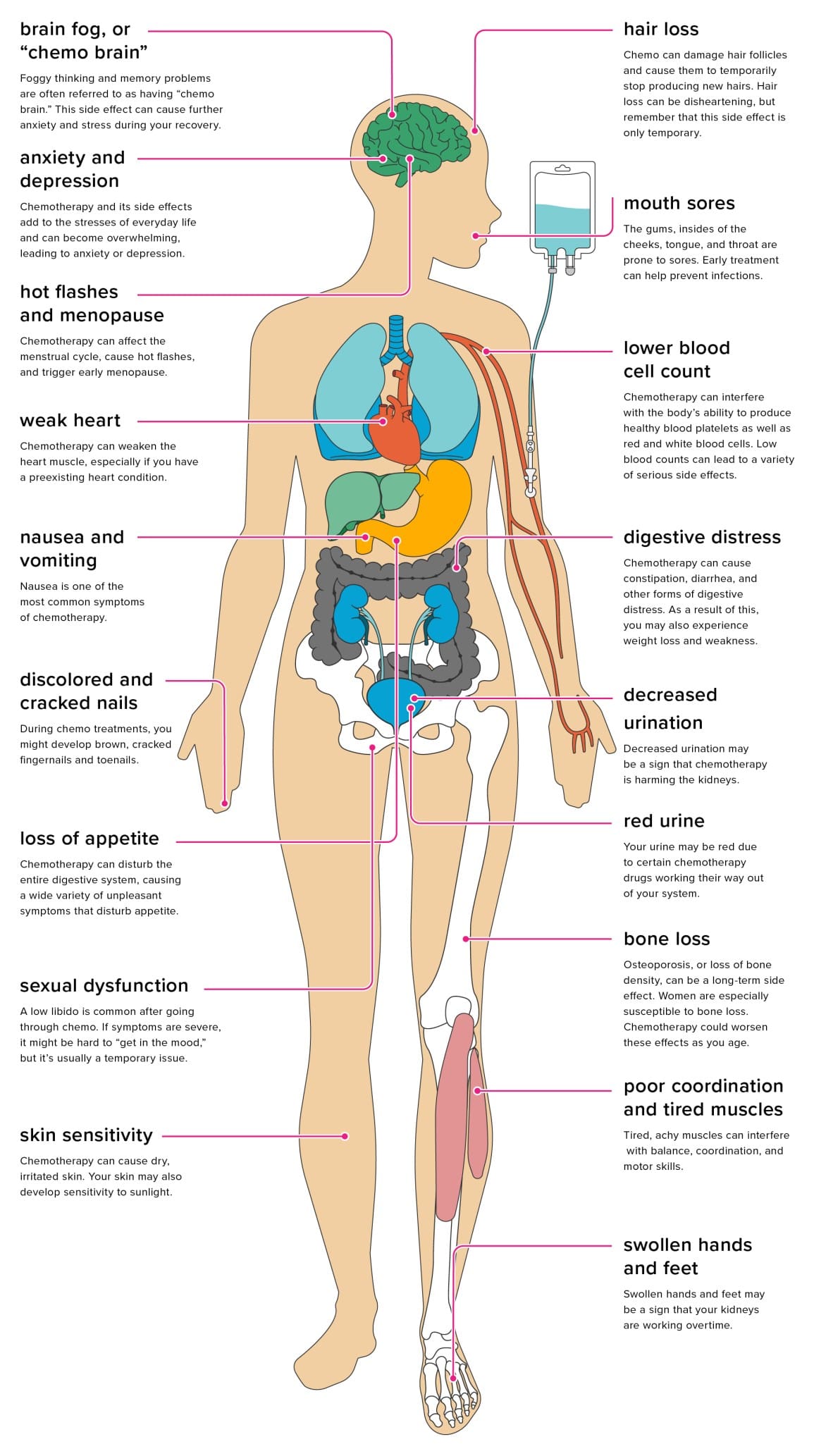
In this ultimate guide, you will discover a comprehensive toolkit to navigate the challenging waters of cancer treatment side effects. Whether you are currently undergoing treatment or supporting a loved one, this article will provide valuable insights and practical tips to help minimize discomfort and enhance overall well-being during this difficult journey. From managing nausea and fatigue to dealing with hair loss and emotional adjustments, you will find a plethora of solutions to address the physical and emotional toll of cancer treatment. With the information presented here, you can empower yourself to face these side effects head-on and embrace a more comfortable and positive experience throughout your treatment.
Understanding Cancer Treatment Side Effects
Cancer treatment side effects can vary depending on the type of treatment received and the individual’s response. It’s important to have a comprehensive understanding of these side effects in order to better manage and cope with them. By being well-informed, you can take proactive steps in addressing and alleviating these side effects, ultimately improving your overall quality of life during cancer treatment.
Common side effects of cancer treatment
Cancer treatment can result in a range of side effects, many of which are common and expected. Some of the most common side effects include nausea and vomiting, fatigue, hair loss, skin changes, pain and discomfort, changes in appetite and taste, emotional and psychological effects, digestive issues, insomnia and sleep problems. It’s essential to recognize that everyone may not experience all of these side effects, and the severity can also vary. Nonetheless, having knowledge about these potential side effects can empower you to effectively manage them.
Managing and coping strategies for side effects
While cancer treatment side effects can be challenging, there are strategies that can help you manage and cope with them. It is essential to remember that not all strategies may work for everyone, so it’s important to find what works best for you. Some general strategies for managing side effects include discussing any concerns with your healthcare team, following their recommendations, practicing self-care, seeking support, and maintaining a positive mindset. By implementing these strategies, you can minimize the impact of side effects on your daily life and well-being.
Importance of open communication with healthcare team
Open and honest communication with your healthcare team is crucial throughout your cancer treatment journey. They are your partners in managing the side effects and ensuring the most effective treatment plan for you. By openly discussing any concerns or side effects you are experiencing, your healthcare team can tailor your treatment to better suit your needs. They can offer guidance, provide medication options, and refer you to additional resources, such as support groups or therapists, to optimize your overall well-being during treatment.
Dealing with Nausea and Vomiting
Nausea and vomiting are common side effects of cancer treatment, particularly chemotherapy. These can not only be physically uncomfortable, but they can also affect your overall well-being and quality of life. Fortunately, there are measures you can take to manage and alleviate these symptoms.
Medications for controlling nausea
Anti-nausea medications, also known as antiemetics, are commonly prescribed by healthcare professionals to help control nausea and vomiting. These medications work by blocking chemical receptors in the brain that trigger these symptoms. There are various types of antiemetics available, and your healthcare team will determine the most suitable one for you based on your specific needs and treatment regimen. It is essential to follow the prescribed dosage and inform your healthcare team if you are experiencing any side effects or if the medication is ineffective.
Dietary changes to reduce nausea
Making certain dietary changes can also help reduce nausea and vomiting. It’s best to opt for small, frequent meals throughout the day rather than large, heavy meals. Avoiding greasy, spicy, or strong-smelling foods may also alleviate nausea. Additionally, staying hydrated and consuming ginger, either in the form of ginger tea or ginger candies, has been found to be helpful in easing these symptoms. Experimenting with different foods and textures to find what works best for you can also make a significant difference. Lastly, try to avoid eating right before your treatment, as an empty stomach may lessen the severity of nausea.
Relaxation techniques for managing nausea
Relaxation techniques can be a useful tool in managing nausea. Deep breathing exercises, meditation, and guided imagery can help you relax and distract your mind from the sensation of nausea. Additionally, acupressure wristbands, which apply pressure to certain points on your wrists, may provide relief. It’s important to find the relaxation techniques that work best for you and incorporate them into your daily routine.
Managing Fatigue
Fatigue is another common side effect experienced by cancer patients. It can be overwhelming and impact your daily activities and quality of life. However, there are strategies you can implement to help manage and combat fatigue effectively.
Balancing rest and activity
Striking a balance between rest and activity is crucial in managing fatigue. It’s important to listen to your body and rest when you need to, but also engage in gentle physical activities when you have the energy. Light exercises, such as walking or stretching, can help improve energy levels and reduce fatigue. However, it’s important not to push yourself too hard and to allow yourself to rest when your body requires it.
Nutrition and hydration tips for combating fatigue
Proper nutrition and hydration play a vital role in combating fatigue. It’s essential to maintain a well-balanced diet that includes a variety of fruits, vegetables, whole grains, and lean proteins. Avoiding excessive caffeine and sugary foods can also help regulate energy levels. Hydration is key in preventing fatigue, so make sure to drink plenty of water throughout the day. Consult with a registered dietitian who specializes in oncology to create a personalized nutrition plan based on your individual needs and preferences.
How to ask for help from friends and family
Asking for help from friends and family is not a sign of weakness, but rather a way to ensure you can better manage your fatigue and maintain your overall well-being. Reach out to your loved ones and let them know how they can support you. Whether it’s assisting with household chores, providing transportation to medical appointments, or simply being there to listen, allowing others to help can lighten your load and alleviate some of the stress and fatigue you may be experiencing.
Addressing Hair Loss and Skin Changes
Hair loss and skin changes are common side effects of certain cancer treatments, such as chemotherapy and radiation therapy. These changes can affect your self-esteem and body image. However, there are various strategies and resources available to help you address and navigate these challenges.
Coping with hair loss and wig options
Hair loss can be emotionally distressing, but there are ways to cope with this side effect. If you experience hair loss, consider exploring wig options. Wigs can help you maintain a sense of normalcy and boost your self-confidence. You can consult with wig specialists who can assist you in finding a wig that closely matches your natural hair color and style. Additionally, other head-covering options, such as hats, scarves, or turbans, can provide alternatives if wigs are not your preference.
Skincare routines and tips for managing dryness or sensitivity
Certain cancer treatments can cause skin changes, including dryness, sensitivity, and rashes. To manage these skin-related side effects, adopting a gentle skincare routine is essential. Use mild, fragrance-free, and non-irritating products when cleansing and moisturizing your skin. Avoid hot showers and baths, as they can further dry out your skin. Applying moisturizers immediately after bathing can help lock in hydration. It’s also important to protect your skin from the sun by wearing sunscreen and protective clothing.
Enhancing self-esteem during physical changes
Dealing with hair loss and skin changes can have a significant impact on your self-esteem and body image. It’s crucial to remember that these changes are temporary and part of your treatment journey. Embrace your unique beauty and seek support from loved ones and support groups specializing in cancer-related appearance changes. Engaging in activities that make you feel confident and beautiful, such as practicing self-care, can also help boost your self-esteem during this time.
Handling Pain and Discomfort
Pain and discomfort can be a significant challenge during cancer treatment, but there are various strategies and treatments available to help manage and alleviate these symptoms effectively.
Types of pain medication for cancer-related pain
When it comes to managing cancer-related pain, there are various pain medications available. Over-the-counter pain relievers, such as acetaminophen or nonsteroidal anti-inflammatory drugs (NSAIDs), can provide temporary relief for mild to moderate pain. However, for more severe pain, your healthcare team may prescribe opioid medications or other stronger pain relievers. It’s essential to communicate openly with your healthcare team about your pain levels and any side effects you may experience from the medication. They can adjust your pain management plan accordingly.
Alternative therapies for pain management
In addition to medications, alternative therapies can be useful in managing pain. Techniques such as acupuncture, massage therapy, and chiropractic care have shown promise in reducing pain for some individuals. However, it’s important to consult with your healthcare team before trying any alternative therapies to ensure their safety and compatibility with your overall treatment plan.
Communication strategies with healthcare team for pain relief
Open and honest communication with your healthcare team is crucial in managing pain effectively. They can offer guidance on pain management strategies, adjust your medication dosage, or explore alternative treatment options. It’s essential to inform them about the intensity and location of your pain as well as any changes or side effects you may be experiencing. By working together, you can develop a comprehensive pain management plan that suits your individual needs and helps improve your overall quality of life.
Dealing with Changes in Appetite and Taste
Cancer treatment can often result in changes in appetite and taste, which can affect your nutritional intake and overall well-being. However, there are strategies you can implement to help navigate these challenges effectively.
Exploring different food options and textures
When facing changes in appetite and taste, it’s important to explore different food options and textures. Experiment with a variety of foods, flavors, and spices to find what you enjoy and tolerate best. Consider trying new recipes or cuisines that you may have never considered before. Additionally, focusing on nutrient-dense foods, such as fruits, vegetables, and whole grains, can ensure you are getting essential vitamins and minerals even if your appetite is diminished.
Strategies to enhance appetite
If you find yourself struggling with a decreased appetite, there are strategies you can implement to enhance it. Eating smaller, frequent meals throughout the day instead of three large ones can help make eating more manageable. Additionally, incorporating snacks or nutritional supplements, such as protein shakes or smoothies, can provide extra calories and nutrients. It may also be helpful to schedule meals at times when you typically feel most hungry or when your energy levels are higher.
Dealing with altered taste buds and overcoming aversions
Altered taste buds and food aversions can make it challenging to enjoy certain foods during cancer treatment. To overcome these challenges, there are various techniques you can try. Experimenting with different seasonings or marinades can enhance the flavor of your meals. Adding citrus fruits or vinegar to dishes can help cut through metallic tastes. If certain foods are unappetizing, try substituting them with similar but more palatable alternatives. For example, if you dislike red meat, you can opt for other sources of protein, such as chicken, fish, or plant-based options.
Managing Emotional and Psychological Effects
Cancer treatment not only impacts your physical well-being but also your emotional and psychological well-being. It’s essential to address these effects and seek support to help navigate the emotional challenges that arise during this time.
Seeking support from therapists or support groups
Therapists and support groups can provide a safe space for you to express your feelings and cope with the emotional challenges of cancer treatment. Individual therapy sessions can help you work through anxiety, depression, and other emotional struggles. Support groups allow you to connect with others who may be experiencing similar emotions and challenges, providing a sense of belonging and understanding. Reach out to your healthcare team or local cancer organizations to find therapists or support groups that specialize in oncology.
Coping mechanisms for anxiety and depression
Anxiety and depression are common emotional challenges faced by cancer patients. There are various coping mechanisms you can employ to help manage these feelings. Engaging in relaxation techniques, such as deep breathing, meditation, or yoga, can help calm your mind and reduce anxiety. Regular exercise, even light activities like walking, can also improve mood and alleviate depressive symptoms. Additionally, journaling, engaging in creative outlets, or listening to music may provide emotional release and support your mental well-being.
Maintaining a positive mindset during treatment
Maintaining a positive mindset can be difficult during cancer treatment, but it can greatly contribute to your overall well-being. Surround yourself with supportive and positive influences. Seek inspiration from stories of resilience and hope from other cancer survivors. Practice gratitude by focusing on the things you are grateful for each day. Embrace activities that bring you joy and help you stay connected to your sense of self. By intentionally cultivating positivity, you can navigate the emotional challenges of treatment with greater strength and resilience.
Coping with Digestive Issues
Digestive issues, such as diarrhea or constipation, can be unpleasant and impact your daily life during cancer treatment. However, there are strategies you can implement to manage and alleviate these symptoms effectively.
Diet modifications for diarrhea or constipation
Diet modifications can help alleviate digestive issues. If you are experiencing diarrhea, it’s important to avoid foods that can worsen this symptom, such as spicy or greasy foods, caffeine, and high-fiber foods. Instead, consume bland, low-fiber foods that are easy to digest, such as bananas, rice, applesauce, and toast (BRAT diet). On the other hand, if you are dealing with constipation, incorporating more fiber-rich foods, such as whole grains, fruits, vegetables, and legumes, can help promote regular bowel movements. It’s crucial to communicate with your healthcare team about any digestive issues you experience, as they may recommend specific dietary modifications tailored to your needs.
Medications and natural remedies for digestive problems
In addition to dietary modifications, there are medications and natural remedies that can help manage digestive issues. For diarrhea, over-the-counter antidiarrheal medications, such as loperamide, may provide temporary relief. However, it’s important to consult with your healthcare team before taking any medications, as they can advise on the appropriate dosage and potential interactions with other medications. Natural remedies, such as probiotics or herbal teas, can also be beneficial for digestive issues. Discuss these options with your healthcare team to ensure their safety and effectiveness for your specific situation.
Foods that soothe and aid digestion
Certain foods can help soothe and aid digestion during cancer treatment. Consuming warm liquids, such as herbal teas or clear broth, can provide comfort and hydration. Including probiotic-rich foods, such as yogurt or kefir, can promote a healthy gut microbiome and aid digestion. Additionally, bland and easy-to-digest foods, such as oatmeal, steamed vegetables, or baked chicken, can be gentle on the digestive system. It’s important to listen to your body and eat foods that feel nourishing and soothing to you.
Dealing with Insomnia and Sleep Problems
Insomnia and sleep problems can be prevalent during cancer treatment, and they can significantly impact your overall well-being and quality of life. However, there are strategies you can employ to improve your sleep and ensure you get the rest you need.
Establishing a bedtime routine and sleep hygiene
Establishing a consistent bedtime routine and practicing good sleep hygiene are essential for promoting better sleep. Create a relaxing pre-sleep routine that incorporates activities such as reading, taking a warm bath, or practicing relaxation techniques. Establish a regular sleep schedule, aiming for the same bedtime and wake-up time each day. Creating a sleep-conducive environment, with a comfortable mattress, supportive pillows, and a quiet, dark, and cool room, can also enhance the quality of your sleep.
Relaxation techniques for better sleep
Relaxation techniques can play a crucial role in promoting better sleep. Deep breathing exercises, progressive muscle relaxation, or guided imagery can help calm your mind and prepare your body for sleep. Avoid stimulating activities, such as excessive screen time or engaging in intense physical exercise, close to bedtime. Creating a tranquil and peaceful environment, whether by using white noise machines or listening to calming music, can also aid in relaxation and improve sleep quality.
Discussing sleep issues with healthcare team
If you are experiencing persistent sleep issues, it’s important to discuss them with your healthcare team. They can evaluate potential underlying causes and recommend appropriate interventions. In some cases, they may suggest sleep medications to help improve your sleep quality. However, it’s crucial to follow their guidance and communicate any side effects or concerns you may have. Open communication with your healthcare team will ensure that your sleep issues are properly addressed and managed.
Enhancing Quality of Life
Throughout your cancer treatment journey, enhancing your overall quality of life is paramount. Despite the challenges you may face, there are various measures you can take to prioritize self-care, engage in activities that bring joy and relaxation, and explore complementary therapies to support your well-being.
Implementing self-care practices
Self-care plays a vital role in maintaining your physical, emotional, and psychological well-being during cancer treatment. This can include engaging in activities that bring comfort and joy, such as taking a warm bath, practicing mindfulness or meditation, reading a book, or spending time in nature. Prioritizing rest and relaxation, setting boundaries, and knowing when to ask for help are essential components of self-care. Allocate time each day for self-care activities that resonate with you and bring you a sense of peace and rejuvenation.
Engaging in activities that bring joy and relaxation
Engaging in activities that bring joy and relaxation can help distract from the challenges of cancer treatment and promote overall well-being. Find hobbies or interests that you are passionate about and that bring you happiness. Whether it’s gardening, painting, listening to music, or spending time with loved ones, participating in activities that ignite your spirit can have a positive impact on your quality of life. These activities can also serve as a form of self-expression and offer moments of respite from the demands of treatment.
Exploring complementary therapies to support well-being
Complementary therapies, such as acupuncture, massage therapy, or yoga, can be valuable additions to your cancer treatment journey. These therapies, when used in conjunction with conventional medical treatments, can help alleviate symptoms, reduce stress, and enhance overall well-being. It’s important to consult with your healthcare team before incorporating any complementary therapies to ensure their safety and compatibility with your treatment plan. They can recommend reputable practitioners who specialize in working with cancer patients.
In conclusion, understanding and managing cancer treatment side effects is essential for improving your overall quality of life during treatment. By being informed about common side effects and the strategies to manage them, you can take an active role in your care. Open communication with your healthcare team, exploring different coping techniques, and prioritizing self-care and well-being are all integral components of navigating the challenges of cancer treatment successfully. Remember that you are not alone in this journey, and there are resources and support available to help you through each step. Stay determined, resilient, and positive as you cope with and overcome the side effects of cancer treatment.