
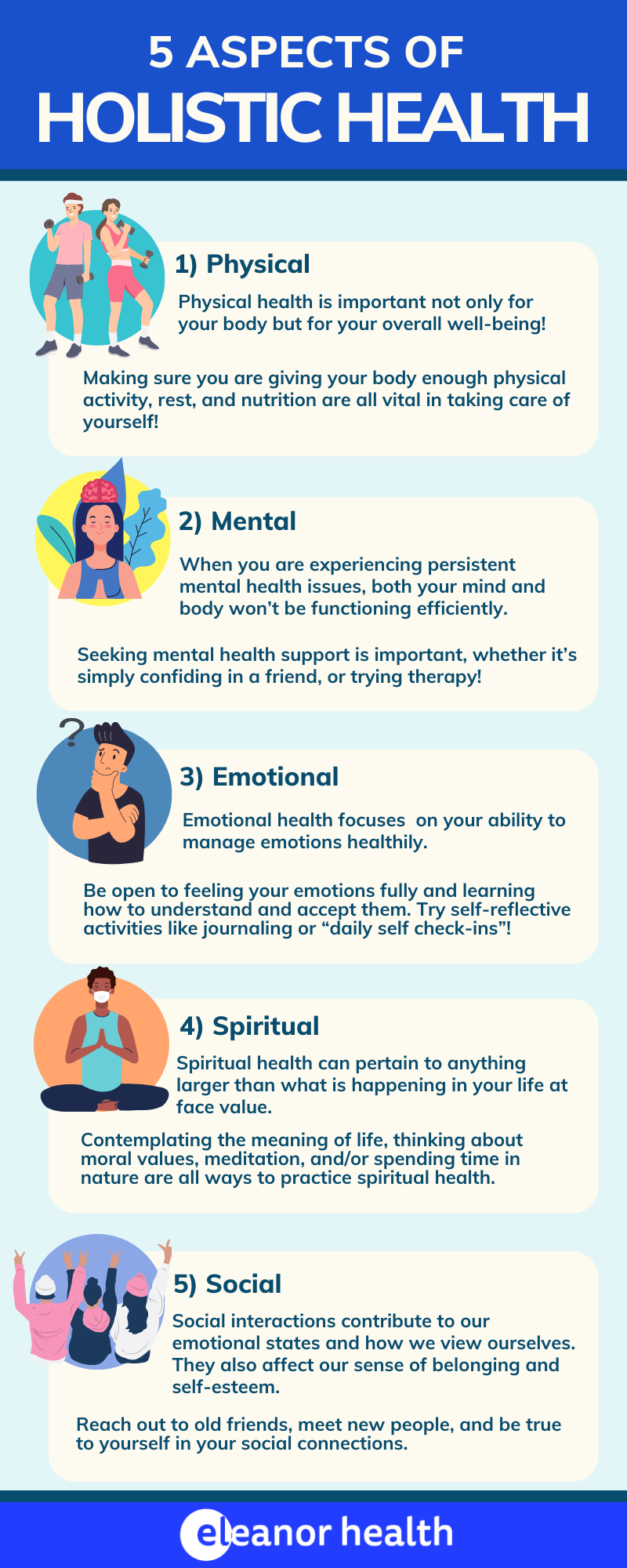
In your journey towards achieving optimal well-being, embracing a holistic approach is key. The Ultimate Guide to Holistic Health is here to empower you with essential knowledge and insights on nourishing your mind, body, and soul. From exploring the interconnectedness of various facets of your life to discovering the power of natural remedies, this comprehensive guide is your compass to a harmonious and balanced life. Get ready to embark on a transformative adventure as you unlock the secrets to living a truly holistic lifestyle.
Understanding Holistic Health
What is Holistic Health?
Holistic health is an approach to wellness that considers the entire person – mind, body, and spirit. Rather than focusing solely on symptoms or specific health conditions, holistic health takes into account the interconnectedness of all aspects of a person’s well-being. It recognizes that physical health is influenced by mental, emotional, and spiritual factors, and that true wellness comes from achieving a balance in all areas of life.
The Philosophy Behind Holistic Health
At the core of holistic health is the belief that all aspects of our being are interconnected and affect one another. This philosophy recognizes that when one area of our life is out of balance, it can manifest as physical or emotional symptoms. It emphasizes the importance of addressing the root causes of illness or dis-ease rather than simply treating symptoms. Holistic health also recognizes the body’s innate ability to heal itself and focuses on supporting and enhancing that natural healing process.
The Benefits of Holistic Health
There are numerous benefits to adopting a holistic approach to health. One of the key advantages is the ability to address the underlying causes of health issues, rather than solely treating symptoms. By taking a holistic approach, you can experience improved overall well-being, increased energy levels, and enhanced mental clarity. Holistic health practices also promote better immune function, reduced stress, and improved sleep quality. Ultimately, embracing holistic health can lead to a happier, more fulfilling life.
The Mind-Body Connection
Exploring the Mind-Body Connection
The mind-body connection refers to the strong link between our thoughts, emotions, and physical health. Research has shown that our mental and emotional state can greatly influence our physical well-being. For example, chronic stress and negative thoughts can weaken the immune system and contribute to the development of various health conditions. On the other hand, a positive mindset and emotional well-being can promote overall health and healing.
Practices for Cultivating a Strong Mind-Body Connection
To cultivate a strong mind-body connection, it is important to engage in practices that promote mindfulness and self-awareness. Meditation, deep breathing exercises, and yoga are all effective ways to anchor yourself in the present moment and tune into your body’s needs. Regular journaling can also be helpful in identifying patterns or triggers that impact your mental and physical health. Additionally, incorporating relaxation techniques such as progressive muscle relaxation or guided imagery can help to reduce stress and promote mind-body harmony.
The Impact of the Mind-Body Connection on Holistic Health
A strong mind-body connection is vital for achieving and maintaining holistic health. When we are in tune with our bodies and actively address our mental and emotional well-being, we are better equipped to prevent and manage health issues. By practicing mindfulness and self-care, we can reduce stress, enhance immune function, and foster a positive outlook, all of which contribute to our overall well-being. The mind-body connection is a powerful tool that empowers individuals to take charge of their health and embrace holistic living.
Nutrition and Holistic Health
The Role of Nutrition in Holistic Health
Nutrition plays a foundational role in holistic health. The food we consume provides our bodies with essential nutrients and energy for optimal functioning. A holistic approach to nutrition looks beyond calorie counting and focuses on nourishing the whole person. It considers not only the physical impact of food but also the emotional, mental, and spiritual aspects of eating.
Building a Balanced Holistic Diet
A balanced holistic diet emphasizes whole, unprocessed foods that are nutrient-dense and free from chemicals and additives. It includes a variety of fruits, vegetables, whole grains, lean proteins, and healthy fats. It also encompasses mindful eating practices such as eating slowly, chewing thoroughly, and being present during meals. Hydration is also a crucial aspect of a holistic diet, as water supports digestion, detoxification, and overall well-being.
Superfoods for Holistic Health
Superfoods are highly nutrient-dense foods that offer a wide range of health benefits. Incorporating these foods into your diet can support holistic health. Examples of superfoods include dark leafy greens like spinach and kale, berries rich in antioxidants, fatty fish like salmon that are high in omega-3 fatty acids, and nuts and seeds packed with essential vitamins and minerals. By incorporating superfoods into your meals and snacks, you can enhance your overall nutrition and optimize your health.
Physical Exercise and Holistic Health
The Importance of Physical Exercise in Holistic Health
Physical exercise is a key component of holistic health as it benefits the body, mind, and spirit. Regular exercise helps to improve cardiovascular health, build strength and endurance, and promote weight management. It also releases endorphins, which are natural mood boosters, and reduces stress hormones. Engaging in physical activity is essential for achieving a balanced and holistic approach to well-being.
Different types of Exercise for Holistic Wellness
There are numerous types of exercise that can contribute to holistic wellness. From cardio activities like running or biking to strength training exercises like weightlifting, each type of exercise offers unique benefits. Yoga and Pilates are also popular activities that promote flexibility, mindfulness, and body awareness. Additionally, activities such as dancing, hiking, and swimming not only provide physical benefits but also allow for self-expression and connection with nature.
Creating a Personalized Exercise Routine
To create a personalized exercise routine, consider your individual preferences, goals, and physical condition. It is important to choose activities that you enjoy and that align with your lifestyle. Start by incorporating 30 minutes of moderate-intensity exercise into your daily routine and gradually increase the duration and intensity as your fitness improves. Remember to listen to your body, rest when needed, and consult with a healthcare professional if you have any underlying health concerns.
Mental Well-being and Holistic Health
Understanding Mental Well-being in Holistic Health
Mental well-being is an essential aspect of holistic health. It involves maintaining a positive mindset, managing stress effectively, and fostering emotional resilience. Mental well-being encompasses both cognitive functioning and emotional balance, and it plays a significant role in overall wellness.
Holistic Approaches to Mental Health
Holistic approaches to mental health focus on addressing the root causes of mental health issues and promoting overall well-being. These approaches often include a combination of therapies, such as talk therapy, cognitive-behavioral therapy, and mindfulness practices. Holistic approaches also emphasize self-care activities, stress reduction techniques, and building social connections as important factors in maintaining mental well-being.
Practices for Cultivating Mental Well-being
There are several practices that can help cultivate mental well-being. Incorporating a regular mindfulness or meditation practice can help calm the mind, reduce stress, and promote emotional balance. Engaging in hobbies or activities that bring you joy and fulfillment can also boost mental well-being. Prioritizing self-care activities like getting enough sleep, engaging in relaxation exercises, and practicing gratitude can all contribute to a positive mental state. Building and nurturing social connections can also provide a sense of belonging and support.
Emotional Balance and Holistic Health
Emotional Balance and its Significance in Holistic Health
Emotional balance refers to the ability to effectively manage and regulate emotions, leading to a state of overall well-being. Emotional balance is important in holistic health because unmanaged emotions can contribute to physical health issues, such as chronic stress or high blood pressure. Embracing emotional balance allows for greater self-awareness, improved relationships, and enhanced overall happiness.
Techniques for Emotional Healing and Regulation
There are various techniques that can support emotional healing and regulation. One effective method is journaling, which provides a safe space to express and process emotions. Mindfulness practices, such as deep breathing exercises or body scans, can help individuals become more attuned to their emotions in the present moment. Seeking support from a therapist or counselor is another valuable resource for exploring and managing emotions. Additionally, engaging in creative outlets like art, music, or dance can serve as powerful forms of emotional expression and release.
The Impact of Emotional Balance on Holistic Wellness
Emotional balance is a vital component of holistic wellness. When we are in tune with our emotions and have healthy ways to cope with and express them, we experience improved overall well-being. Emotional balance allows us to navigate life’s challenges more effectively, maintain healthier relationships, and make choices that align with our values. By prioritizing emotional well-being, we can create a solid foundation for holistic health.
Spirituality and Holistic Health
Exploring Spirituality in the Context of Holistic Health
Spirituality encompasses a sense of connection to something greater than oneself and can include beliefs, practices, or rituals that provide a deeper meaning to life. In the context of holistic health, spirituality involves nurturing our innermost being and finding purpose and fulfillment.
The Role of Spirituality in Holistic Wellness
Spirituality plays a significant role in holistic wellness as it provides a sense of meaning, purpose, and connectedness. It allows individuals to explore their values, beliefs, and principles, which can guide their decisions and actions. Spirituality also offers solace during challenging times and encourages individuals to seek inner peace and balance. By nurturing our spiritual health, we can experience a greater sense of well-being and fulfillment in life.
Practices for Nurturing Spiritual Health
There are various practices that can nurture spiritual health. Engaging in prayer or meditation allows individuals to connect with their inner selves and cultivate a sense of peace and clarity. Spending time in nature and practicing gratitude can also promote spiritual well-being. Reflecting on personal values and considering how they can be integrated into daily life is another valuable practice. Engaging in acts of service or philanthropy can create a sense of purpose and connectedness to others.
The Importance of Sleep in Holistic Health
Understanding the Importance of Sleep in Holistic Health
Sleep is a critical component of holistic health. It is during sleep that our bodies repair and regenerate, hormones are balanced, and memories are consolidated. Quality sleep is essential for optimal cognitive function, emotional well-being, and overall physical health.
Tips for Better Sleep Hygiene
To improve sleep hygiene, establish a consistent sleep schedule by going to bed and waking up at the same time each day, even on weekends. Create a sleep-inducing environment by keeping the bedroom cool, dark, and quiet. Develop a relaxing bedtime routine that includes activities such as reading, taking a warm bath, or practicing gentle stretching. Avoid stimulating activities, caffeine, and electronics close to bedtime, as they can interfere with sleep quality. Additionally, prioritize creating a comfortable sleep environment with a supportive mattress and pillows.
The Impact of Sleep on Overall Well-being
Adequate sleep plays a crucial role in our overall well-being. When we consistently get enough high-quality sleep, we experience improved cognitive function, enhanced mood, and better stress management. Sleep deprivation, on the other hand, can lead to decreased immune function, increased risk of chronic health conditions, and impaired mental and emotional well-being. By valuing and prioritizing sleep, we can support our holistic health and improve our overall quality of life.
Stress Management and Holistic Health
The Connection Between Stress and Holistic Health
Stress is a natural response to life’s challenges, but chronic or excessive stress can significantly impact our holistic health. Prolonged stress can weaken the immune system, disrupt hormonal balance, and contribute to the development of mental health issues. Addressing and effectively managing stress is vital for achieving and maintaining holistic wellness.
Holistic Approaches to Stress Management
Holistic approaches to stress management focus on addressing the root causes of stress and adopting practices that promote relaxation and resilience. These approaches often include techniques such as meditation, deep breathing exercises, and mindfulness practices. Engaging in regular physical exercise, getting enough sleep, and practicing time management and self-care are also essential components of holistic stress management.
Techniques for Stress Reduction and Relaxation
There are numerous techniques that can aid in stress reduction and promote relaxation. Progressive muscle relaxation involves tensing and then relaxing each muscle group to release tension in the body. Guided imagery uses visualization techniques to create a sense of calm and well-being. Engaging in activities such as gardening, painting, or listening to music can serve as effective stress relievers. Additionally, social support through connecting with loved ones and participating in support groups can help alleviate stress and foster holistic well-being.
Creating a Holistic Lifestyle
Practical Tips for Embracing Holistic Living
Embracing a holistic lifestyle involves incorporating holistic practices into your daily life. Start by setting intentions for each day, such as practicing gratitude or mindfulness. Seek out opportunities to connect with nature, whether it’s taking a walk in a park or simply spending time outside. Engage in activities that bring you joy and fulfillment, whether it’s pursuing a hobby, spending time with loved ones, or volunteering. Prioritize self-care and be mindful of your physical, mental, emotional, and spiritual needs.
Creating a Personalized Holistic Routine
Creating a personalized holistic routine involves identifying the practices and activities that resonate with you and align with your goals and values. Experiment with different practices such as meditation, yoga, or journaling to determine what works best for you. Set aside dedicated time in your schedule for self-care activities and be consistent in practicing them. Remember that self-care is not selfish but an essential aspect of holistic health and overall well-being.
Incorporating Holistic Practices into Daily Life
Incorporating holistic practices into daily life requires a mindful and intentional approach. Start by identifying the areas of your life that could benefit from a holistic perspective, such as nutrition, exercise, stress management, or self-care. Gradually introduce small changes or practices into each area, such as adding more fruits and vegetables to your meals, setting aside time for physical activity, practicing mindfulness during daily tasks, and engaging in relaxation techniques when feeling stressed. Over time, these small changes will become habits that contribute to your overall holistic well-being.
In conclusion, holistic health encompasses a comprehensive approach to well-being, considering the interconnections between the mind, body, and spirit. By embracing a holistic lifestyle and incorporating practices that promote balance in all areas of life, individuals can experience improved overall health, enhanced well-being, and a greater sense of fulfillment. Start by exploring the various aspects of holistic health, including the mind-body connection, nutrition, physical exercise, mental well-being, emotional balance, spirituality, sleep, and stress management. With a focus on nurturing all aspects of your being, you can embark on a journey towards holistic health and live a life of vibrant wellness.