
Welcome to “The Ultimate Guide to Managing Multiple Sclerosis!” In this comprehensive article, you will find valuable information, tips, and strategies to help you effectively manage the challenges that come with multiple sclerosis. From lifestyle changes to medical treatments, we’ve got you covered with everything you need to know to navigate life with MS with confidence and positivity. Let’s embark on this journey together and empower you to take control of your health and well-being. Have you recently been diagnosed with Multiple Sclerosis (MS) or know someone who has been? Navigating the management of MS can be overwhelming, but fear not! In this ultimate guide, I will provide you with all the information you need to effectively manage this condition and live your best life. So, let’s dive in and learn all about managing Multiple Sclerosis together!

Understanding Multiple Sclerosis
Let’s start by understanding what Multiple Sclerosis actually is. MS is a neurological condition that affects the brain and spinal cord, resulting in communication issues between the brain and the rest of the body. This disruption can lead to various symptoms such as fatigue, muscle weakness, numbness, and problems with coordination.
What Causes Multiple Sclerosis?
The exact cause of MS is still unknown, but it is believed to be a combination of genetic, environmental, and immune system factors. The immune system mistakenly attacks the protective covering of nerve fibers, known as myelin, causing inflammation and damage to the nerves.
Symptoms of Multiple Sclerosis
Understanding the symptoms of MS is crucial in effectively managing the condition. Symptoms can vary greatly from person to person and may also change over time. Common symptoms of MS include:
- Fatigue
- Numbness or weakness in one or more limbs
- Electric-shock sensations with certain neck movements
- Tremors or lack of coordination
- Problems with balance and walking
- Blurred vision
- Slurred speech
It is important to consult with a healthcare provider to properly diagnose and treat MS based on your individual symptoms.

Diagnosing Multiple Sclerosis
Diagnosing MS can be complex and may require a combination of medical history, physical exams, and various tests. Some common methods used to diagnose MS include:
Magnetic Resonance Imaging (MRI)
An MRI scan can detect lesions or areas of damage in the brain and spinal cord, which are characteristic of MS.
Lumbar Puncture (Spinal Tap)
A lumbar puncture involves collecting cerebrospinal fluid to check for signs of inflammation and immune system activity in the central nervous system.
Evoked Potentials
Evoked potential tests measure the electrical activity of the brain in response to stimuli to assess the functioning of the nervous system.
Once diagnosed, your healthcare provider will work with you to develop a personalized treatment plan to manage your MS symptoms effectively.
Treatment Options for Multiple Sclerosis
Managing MS involves a combination of medications, lifestyle changes, and therapies to alleviate symptoms, slow disease progression, and improve overall quality of life.
Medications
Various medications are available to manage different symptoms of MS, including:
- Disease-modifying therapies to reduce inflammation and slow disease progression
- Steroids to reduce inflammation during relapses
- Muscle relaxants to alleviate muscle spasms and stiffness
- Antidepressants to manage mood changes and emotional symptoms
Lifestyle Changes
In addition to medications, making certain lifestyle changes can help manage MS symptoms and improve overall well-being:
- Maintain a healthy diet rich in fruits, vegetables, and whole grains
- Stay physically active with regular exercise
- Get enough rest and prioritise quality sleep
- Manage stress through relaxation techniques such as yoga or meditation
Therapies
Physical therapy, occupational therapy, and speech therapy can help improve mobility, coordination, and communication for individuals with MS. These therapies can also enhance overall quality of life and independence.
Alternative Treatments
Some individuals with MS may explore alternative treatments such as acupuncture, massage therapy, or herbal supplements. It is essential to consult with your healthcare provider before trying any alternative treatments to ensure they are safe and effective for your condition.

Managing Symptoms of Multiple Sclerosis
Each individual with MS may experience a unique combination of symptoms, and managing these symptoms effectively is key to improving quality of life. Here are some tips for managing common symptoms of MS:
Fatigue
Fatigue is a common and often debilitating symptom of MS. To manage fatigue, consider:
- Prioritising rest breaks throughout the day
- Breaking tasks into smaller, manageable segments
- Engaging in gentle exercises such as yoga or walking
- Seeking support from family and friends
- Talking to your healthcare provider about potential medications to manage fatigue
Muscle Weakness and Spasms
Muscle weakness and spasms can impact mobility and daily activities. To manage muscle weakness and spasms:
- Incorporate gentle stretching exercises into your daily routine
- Consider using assistive devices such as canes or walkers
- Stay hydrated and maintain electrolyte balance
- Discuss muscle relaxants with your healthcare provider
Cognitive Changes
MS can also cause cognitive changes such as memory problems and difficulty concentrating. To manage cognitive changes:
- Use memory aids such as journals or calendars
- Break tasks into smaller steps
- Establish routines to help with memory and organisation
- Engage in cognitive activities such as puzzles or word games
Mood Changes
Dealing with the emotional impact of MS is essential for overall well-being. To manage mood changes:
- Talk to a therapist or counsellor for support
- Join a support group for individuals with MS
- Practice relaxation techniques such as deep breathing or progressive muscle relaxation
- Consider antidepressant medications if needed
Coping with Multiple Sclerosis
Coping with the challenges of MS can be emotionally and physically draining. Here are some strategies to help you cope with MS and live a fulfilling life:
Build a Support Network
Having a strong support network of family, friends, healthcare providers, and fellow individuals with MS can provide emotional support, practical help, and a sense of belonging.
Educate Yourself
Learn as much as you can about MS, its symptoms, treatments, and potential complications. Knowledge is power, and understanding your condition can help you make informed decisions about your health.
Stay Positive
Maintain a positive outlook and focus on the things you can control rather than those you cannot. Practice gratitude, engage in activities you enjoy, and find moments of joy in each day.
Set Realistic Goals
Set realistic goals for yourself and pace yourself in achieving them. Break larger goals into smaller, manageable steps and celebrate your accomplishments along the way.
Communicate Effectively
Communicate openly and honestly with your healthcare provider, family, and friends about your needs, concerns, and feelings. Effective communication can help you receive the support and understanding you need.
Conclusion
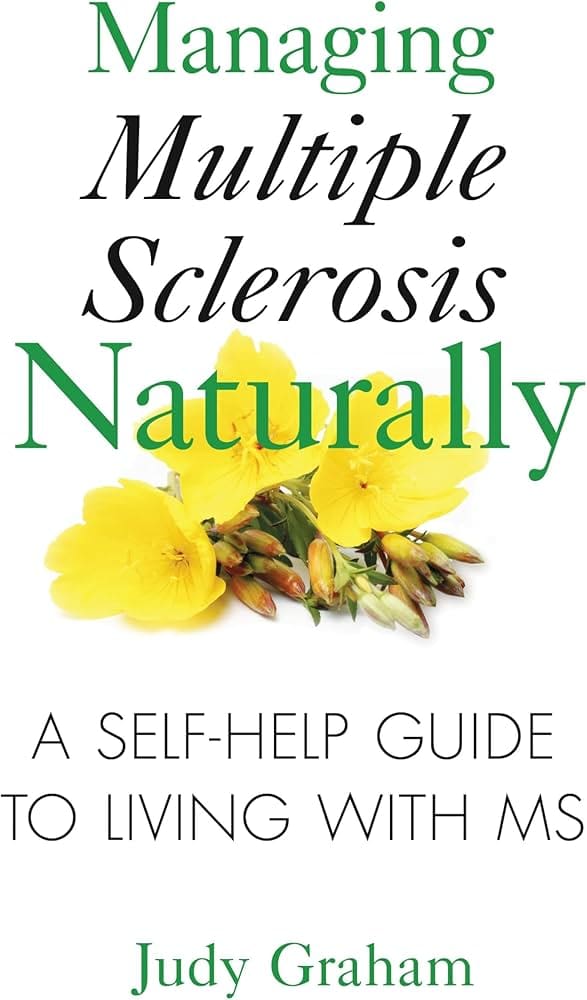
Managing Multiple Sclerosis effectively involves a combination of medications, lifestyle changes, therapies, and support systems. By understanding your condition, seeking appropriate treatments, and making positive lifestyle choices, you can live a fulfilling and active life with MS. Remember, you are not alone in this journey, and there is a wealth of resources and support available to help you navigate the challenges of MS. Stay informed, stay positive, and take control of your health and well-being. You’ve got this!