
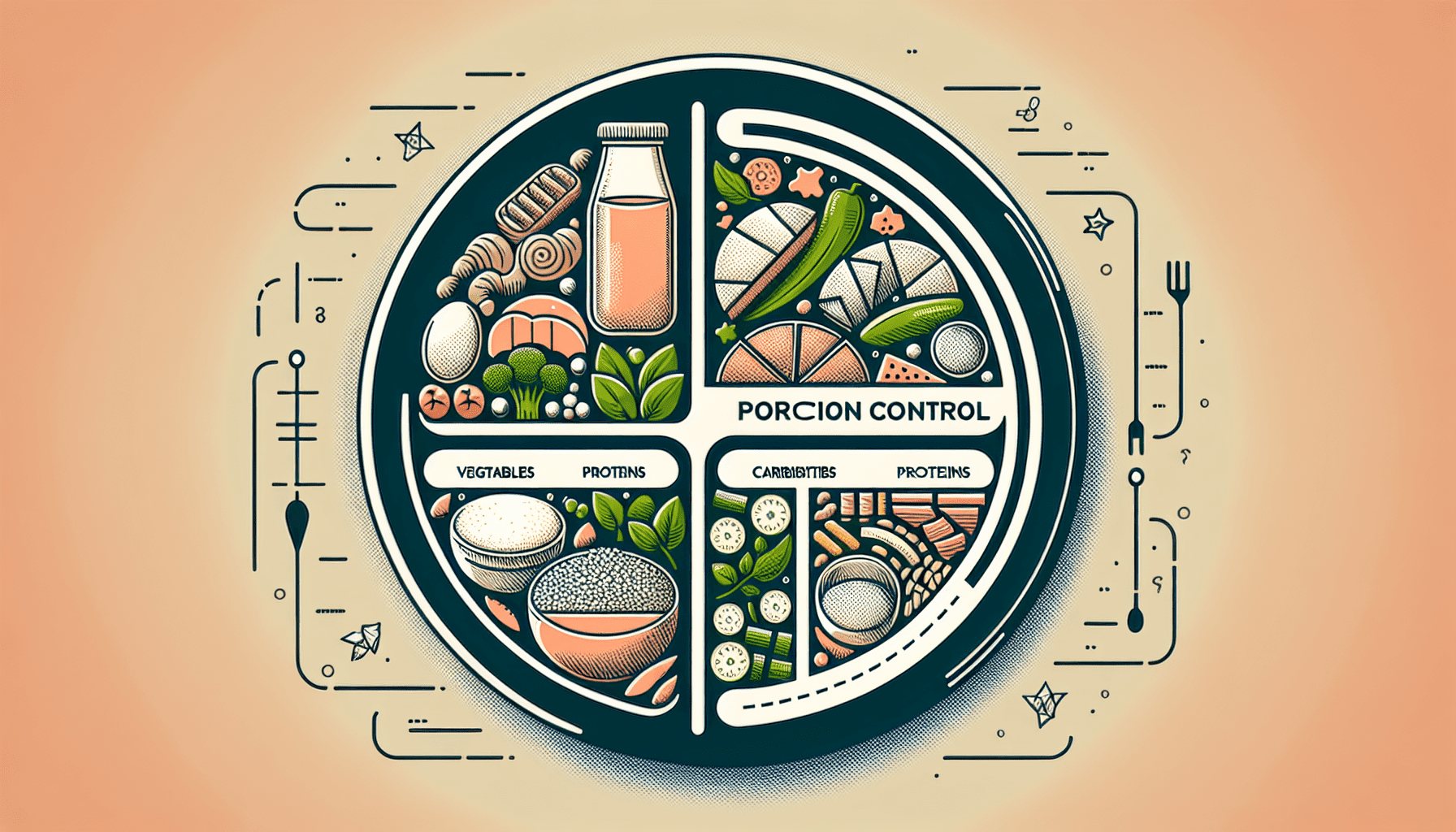
Have you ever felt overwhelmed by the amount of food you consume? Do you find it difficult to maintain a healthy weight or control your portion sizes? Look no further. “The Ultimate Guide to Portion Control” is here to provide you with all the tools and tips you need to take control of your eating habits. With this comprehensive guide, you will learn how to make smart food choices, understand portion sizes, and develop a mindful eating practice that will lead to a healthier, happier you. Say goodbye to calorie counting and restrictive diets, and say hello to a balanced and sustainable approach to portion control.
Why Portion Control is Important
In a world where food portions keep getting bigger and bigger, it can be easy to lose track of what a healthy serving size actually looks like. That’s where portion control comes in. By understanding and managing the amount of food you eat, you can maintain a healthy weight, improve your overall health, and prevent overeating. Portion control is not about denying yourself or following strict rules, but rather about making informed choices and being mindful of what and how much you eat.
Understanding Portion Sizes
Before you can effectively practice portion control, you need to have a clear understanding of what a healthy portion size actually looks like. Many people underestimate how much they should be eating, which can lead to overconsumption. A serving size is the recommended amount of food to consume in one sitting, and it can vary depending on the food group. For example, a serving of grains is typically around one ounce, while a serving of meat or poultry is around three ounces. Familiarize yourself with portion sizes for different food groups so you can make more accurate choices when it comes to your meals.
Dangers of Overeating
Overeating on a regular basis can have serious consequences for your health. When you consistently consume more calories than your body needs, it can lead to weight gain and obesity. This increases your risk of developing chronic conditions like heart disease, type 2 diabetes, and certain types of cancer. Overeating can also put a strain on your digestive system, leading to discomfort and digestive issues. By practicing portion control, you can avoid these dangers and maintain a healthier, more balanced diet.
Benefits of Portion Control
Portion control has numerous benefits for both your physical and mental well-being. By maintaining a healthy weight through portion control, you can reduce your risk of developing chronic diseases and improve your overall health. Portion control can also help you feel more satisfied with your meals, as you are focusing on the quality of the food rather than the quantity. Additionally, practicing portion control can help you develop a healthier relationship with food and be more mindful of your eating habits. It allows you to enjoy all types of food in moderation, rather than feeling restricted or deprived.
How to Determine Portion Sizes
Now that you understand the importance of portion control, let’s explore some practical strategies to help you determine appropriate serving sizes for your meals.
Use Measuring Tools
One of the most accurate ways to determine portion sizes is by using measuring tools, such as measuring cups and spoons. These tools allow you to measure out precise amounts of ingredients and ensure that you are eating the recommended serving size.
Read Nutrition Labels
Nutrition labels provide valuable information about serving sizes and the number of calories and nutrients in a given food. Pay attention to the serving size listed on the label and compare it to the amount you are actually consuming. This will help you make more informed choices and avoid overeating.
Visual Cues
Another method to determine portion sizes is by using visual cues. For example, a serving of meat or poultry is typically about the size of a deck of cards, while a serving of pasta is about the size of a tennis ball. Visual cues can help you estimate portion sizes when you don’t have measuring tools handy.
Portion Control Plates
Portion control plates are specially designed plates that have designated sections for different food groups. These plates can help you visualize what a balanced meal looks like and guide you in portioning your food appropriately. They can be a helpful tool for those who struggle with estimating portion sizes.
Portion Control Tips for Meals
Now that we’ve covered how to determine portion sizes, let’s delve into some practical tips for practicing portion control when it comes to your meals.
Eating Mindfully
One of the most important aspects of portion control is eating mindfully. This means paying attention to your body’s hunger and fullness cues and eating slowly and without distractions. By tuning in to your body’s signals, you can better gauge the appropriate amount of food to consume and avoid overeating.
Divide Your Plate
Dividing your plate into sections can help you visualize proper portion sizes and create a balanced meal. Aim to fill half of your plate with non-starchy vegetables, one-fourth with lean protein, and one-fourth with whole grains or starchy vegetables. This method ensures that you are getting a variety of nutrients while keeping portion sizes in check.
Choose Smaller Plates and Bowls
The size of your plate or bowl can have a significant impact on how much you eat. Larger plates and bowls tend to encourage larger portion sizes, while smaller plates can make portions look more substantial. By opting for smaller dishware, you can trick your brain into thinking you are consuming a larger portion and feel more satisfied with less food.
Avoid Second Helpings
It can be tempting to go back for seconds, especially if you enjoyed your meal. However, second helpings often lead to overeating and can disrupt your portion control efforts. Instead, try to gauge your hunger level before automatically reaching for more food. Give yourself some time after finishing your first serving to assess if you are truly still hungry or if you are satisfied.
Slow Down while Eating
Eating too quickly can prevent you from recognizing when you are full, leading to overeating. Slow down and savor each bite, and give your body time to register feelings of fullness. By eating more slowly, you can enjoy your food more and avoid consuming more than you actually need.
Control Calorie-Dense Foods
Calorie-dense foods, such as fried foods, desserts, and sugary drinks, can quickly derail your portion control efforts. While it’s okay to enjoy these foods in moderation, it’s important to be mindful of portion sizes. Opt for smaller servings of calorie-dense foods and balance them out with nutrient-rich options, such as fruits and vegetables.
Stay Hydrated
Drinking an adequate amount of water throughout the day can help you manage portion control. Sometimes, thirst can be mistaken for hunger, leading to unnecessary snacking or overeating. By staying hydrated, you can better differentiate between hunger and thirst, and make more informed choices about your portion sizes.
Portion Control Tips for Snacks
Snacking can often be a downfall for those trying to practice portion control. However, with a little planning and mindfulness, you can still enjoy snacks while keeping your portions in check.
Pre-portion Snacks
One of the easiest ways to control portion sizes for snacks is by pre-portioning them ahead of time. Instead of reaching into a bag of chips or a box of cookies, take a few minutes to divide them into individual serving sizes. This can help prevent mindless eating and make you more aware of how much you are consuming.
Snack on Nutrient-Dense Foods
Choose snacks that are nutrient-dense and provide you with the energy you need between meals. Opt for options like fresh fruits, vegetables with hummus or guacamole, Greek yogurt, nuts, or seeds. These snacks are not only satisfying but also offer a range of vitamins, minerals, and fiber to keep you energized throughout the day.
Avoid Eating from Large Packages
Eating directly from a large package or container can make it challenging to control your portion sizes. Instead, portion out a single serving onto a plate or into a bowl. This allows you to see the quantity of food you are consuming and prevents mindless munching.
Make DIY Healthy Snack Packs
If you’re on the go or prefer grab-and-go snacks, creating your own healthy snack packs can be a convenient and portion-controlled option. Fill small, resealable bags with a mix of nuts, dried fruits, whole-grain pretzels, or granola. These pre-portioned snacks can be easily stored in your bag or desk drawer for when hunger strikes.
Portion Control Tips for Eating Out
Eating out at restaurants or ordering takeout doesn’t mean you have to abandon your portion control efforts. With a few strategies in mind, you can still enjoy dining out while keeping your portions in check.
Choose Smaller Portions
Many restaurants offer larger portion sizes than what is recommended for a single meal. Look for menu options that offer smaller portion sizes or half-sized portions. Opting for lunch-sized portions or appetizers can help you manage portion control while still enjoying a satisfying meal.
Share Dishes
Another option when eating out is to share dishes with others at your table. This allows you to try a variety of foods without overindulging. Splitting an entrée or appetizer with a friend or family member is a great way to enjoy a variety of flavors while keeping portion sizes in check.
Take Half Home
If the portion sizes at a restaurant are larger than what you need, don’t hesitate to ask for a to-go box and pack up half of your meal before you even start eating. This way, you can enjoy your meal while also saving the rest for another time. Taking home leftovers not only helps control your portions but also allows you to get more value out of your meal.
Request Dressing and Sauces on the Side
Restaurants often serve dishes with heavy dressings or sauces, which can quickly add extra calories to your meal. Requesting dressings and sauces on the side allows you to control the amount you use, ensuring that you don’t exceed your intended portion sizes. Dip your fork into the dressing or sauce before taking a bite of food, rather than pouring it directly onto your plate.
Avoid Buffets and All-You-Can-Eat Deals
Buffets and all-you-can-eat deals may seem like a bargain, but they can be challenging for those practicing portion control. The abundance of food and the idea of “getting your money’s worth” can lead to overconsumption. If you do find yourself at a buffet, focus on filling your plate with smaller portions of nutrient-rich options like vegetables and lean proteins, and limit your intake of calorie-dense foods.
Tools and Apps to Help with Portion Control
If you’re looking for some additional support with portion control, there are various tools and smartphone apps available to help you on your journey.
Food Scales
Food scales are incredibly useful for measuring the weight of ingredients and ensuring accurate portion sizes. They can be especially handy when cooking at home and following recipes that require precise measurements. Invest in a reliable food scale to help you stay on track with your portion control goals.
Measuring Cups and Spoons
Measuring cups and spoons are essential tools for portion control, particularly for dry and liquid ingredients. By using these tools, you can accurately measure out the recommended serving sizes of different foods and avoid overestimating or underestimating the amount you are eating.
Portion Control Containers
Portion control containers are a convenient and visual way to manage your portion sizes. These containers typically come in a set with different compartments for proteins, vegetables, grains, and healthy fats. By filling each compartment with the appropriate food group, you can easily create balanced meals with controlled portions.
Smartphone Apps for Tracking Portions
There are various smartphone apps available that can help you track your portion sizes and monitor your eating habits. These apps often provide nutritional information for different foods, allow you to log your meals, and provide advice and guidance for portion control. Find an app that suits your needs and preferences to help you stay accountable and make informed choices.
Common Portion Control Mistakes to Avoid
While portion control is a straightforward concept, there are some common mistakes to watch out for that can hinder your progress.
Eyeballing Portions
Relying solely on visual estimation can often lead to inaccuracies when it comes to portion control. The human eye can easily deceive us, causing us to underestimate or overestimate the amount of food we are consuming. Using measuring tools or portion control containers is a more reliable way to ensure accuracy.
Underestimating Portion Sizes
Many people have a tendency to underestimate portion sizes, especially when it comes to calorie-dense foods like nuts or oils. It’s important to educate yourself about proper portion sizes and use measuring tools to avoid unknowingly consuming excessive amounts of food.
Eating Straight from the Container
Eating directly from a large bag of chips or a pint of ice cream can make it challenging to control your portions. It’s easy to lose track of how much you’ve eaten when there are no visual cues to guide you. Instead, portion out a single serving onto a plate or into a bowl to help you stay mindful of your portion sizes.
Using Large Plates and Bowls
Using larger plates and bowls can make your portion sizes appear smaller than they actually are. This can lead to unintentionally serving and consuming larger portions. Opting for smaller dishware can help you visualize appropriate portion sizes and prevent overeating.
Ignoring Liquid Calories
When practicing portion control, it’s essential to be mindful of the calories and sugar content in your beverages as well. Drinks like soda, juice, and even certain coffee drinks can be high in calories and can quickly add up if consumed in large quantities. Opt for water, unsweetened tea, or other low-calorie beverages to stay hydrated without derailing your portion control efforts.
The Psychological Aspect of Portion Control
Portion control goes beyond just the physical act of measuring and monitoring your food intake. There is also a psychological component that plays a significant role in your success.
Understanding Hunger and Fullness Cues
Learning to recognize your body’s hunger and fullness cues is crucial for practicing effective portion control. Pay attention to physical sensations like stomach growling, hollowness, or feeling satisfied. By listening to your body’s signals, you can better gauge appropriate portion sizes and avoid overeating.
Emotional Eating
Emotional eating is a common response to stress, boredom, or other emotions. It involves using food as a way to cope with these feelings rather than eating for nourishment. Emotional eating often leads to overeating and can sabotage your portion control efforts. Instead of turning to food for comfort, find alternative ways to manage your emotions, such as through exercise, journaling, or talking to a supportive friend.
Mindful Eating
Mindful eating is the practice of being fully present and engaged with your food and the act of eating. It involves paying attention to the sensory experience of eating, including the taste, smell, and texture of food. By slowing down and savoring each bite, you can cultivate a greater appreciation for your meals and become more attuned to your body’s signals of hunger and fullness.
Portion Control and Weight Loss
For those aiming to lose weight, portion control is an important tool. By managing your portion sizes and consuming fewer calories than your body needs, you can create a calorie deficit and promote weight loss. However, it’s important to remember that weight loss is not solely dependent on portion control. It’s also crucial to focus on consuming nutrient-rich foods, engaging in regular physical activity, and adopting other healthy lifestyle habits.
Portion Control for Specific Diets
Portion control can be applied to various dietary approaches and can be tailored to meet specific needs. Here are a few examples of how portion control can be implemented for different types of diets.
Portion Control for Weight Loss
When aiming to lose weight, portion control plays a central role. By being mindful of your portion sizes and choosing nutrient-dense food options, you can create a calorie deficit and promote weight loss. It’s important to find a sustainable approach that works for you and supports your long-term weight loss goals.
Portion Control for Diabetics
Portion control is particularly important for those with diabetes who need to manage their blood sugar levels. Consistently eating appropriate portion sizes can help regulate blood glucose levels and prevent large spikes or drops. Working with a registered dietitian or certified diabetes educator can provide guidance on portion sizes and create a balanced meal plan.
Portion Control for Low-carb Diets
Low-carb diets, such as the ketogenic diet, focus on reducing carbohydrate intake and increasing healthy fats and proteins. Portion control is essential in these diets to maintain the desired macronutrient balance and prevent excessive calorie intake. Tracking your macronutrient intake and working with a healthcare professional can help you stay within your target carbohydrate range.
Portion Control for Plant-based Diets
Plant-based diets emphasize the consumption of whole, plant-based foods like fruits, vegetables, legumes, and whole grains. Portion control is important in these diets to ensure a balance of macronutrients and an adequate intake of essential nutrients. Focus on filling half of your plate with non-starchy vegetables, one-fourth with whole grains or starchy vegetables, and one-fourth with plant-based proteins.
Portion Control for Gluten-free Diets
For individuals with gluten sensitivity or celiac disease, portion control is crucial when consuming gluten-free alternatives. Many gluten-free products can be higher in calories and sugar compared to their gluten-containing counterparts. Being mindful of portion sizes can help prevent excessive calorie intake and promote a balanced gluten-free diet.
Staying Consistent with Portion Control
To reap the full benefits of portion control, it’s essential to stay consistent and make it a sustainable part of your lifestyle. Here are some strategies to help you maintain your portion control efforts over the long term.
Meal Planning
Meal planning can make portion control more manageable by allowing you to prepare and portion your meals ahead of time. Plan your meals for the week, take inventory of portioned ingredients, and create a shopping list of healthy foods that align with your portion control goals. Having meals and snacks prepared and portioned out reduces the likelihood of impulsive choices or overeating.
Tracking Your Portions
Keeping a food journal or using a smartphone app to track your portions can help you stay accountable and identify patterns or areas for improvement. Record the foods and portion sizes you consume, along with any thoughts or emotions you may have had during the meal. Tracking your portions can increase your awareness of your eating habits and help you make more mindful choices.
Building Healthy Habits
Building healthy habits is essential for maintaining consistent portion control. Incorporate regular physical activity into your routine, prioritize sleep, and focus on stress management techniques. These habits support overall well-being and can contribute to a more balanced and mindful approach to eating.
Seeking Support and Accountability
If you find it challenging to stay consistent with portion control on your own, seek support from family, friends, or a healthcare professional. Joining a support group or enlisting the help of a registered dietitian can provide you with valuable guidance and accountability. Having someone to share your experiences and challenges with can make the journey towards portion control success more enjoyable and sustainable.
In conclusion, portion control plays a crucial role in maintaining a healthy lifestyle. By understanding portion sizes, implementing practical strategies, and adopting mindful eating habits, you can take control of your nutrition and improve your overall well-being. Whether you’re aiming to lose weight, manage a specific dietary requirement, or simply develop a healthier relationship with food, practicing portion control can help you achieve your goals and live a more balanced, fulfilling life.