
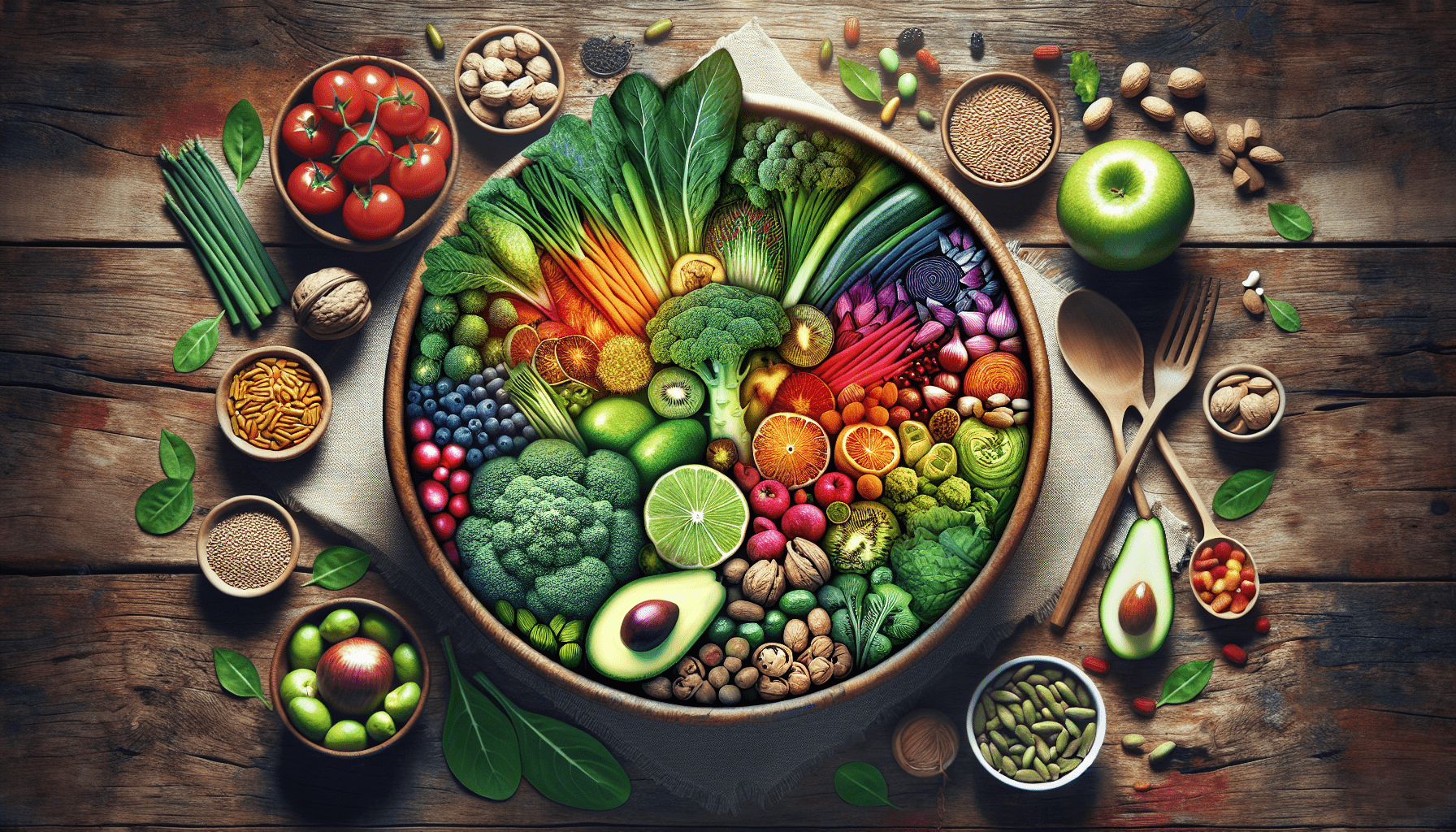
Are you tired of dealing with constant inflammation and its unpleasant side effects? Look no further! In this article, you will find the ultimate guide to reducing inflammation through diet. By making simple and delicious changes to your eating habits, you can alleviate inflammation and promote overall well-being. Say goodbye to pain and discomfort, and hello to a healthier, more vibrant you. Get ready to discover the incredible power of food and take control of your inflammation once and for all.
Understanding Inflammation
What is inflammation?
Inflammation is a natural response of the body’s immune system to protect against harmful stimuli. It is the body’s way of signaling that something is wrong and attempting to heal itself. Inflammation can manifest as redness, swelling, heat, and pain in the affected area. While acute inflammation is a normal and necessary part of the healing process, chronic inflammation can have negative effects on our overall health.
Causes of inflammation
Inflammation can be caused by various factors, including injuries, infections, autoimmune disorders, and exposure to toxins. Lifestyle factors like poor diet, stress, lack of exercise, smoking, and excessive alcohol consumption can also contribute to chronic inflammation. When the body is constantly exposed to these inflammatory triggers, it can lead to a state of chronic inflammation, which is associated with a wide range of health conditions such as arthritis, asthma, heart disease, diabetes, and even certain types of cancer.
Effects of chronic inflammation
Chronic inflammation is a persistent low-grade inflammation that can have a detrimental impact on the body. It has been linked to a higher risk of developing chronic diseases and can contribute to the progression and severity of existing conditions. Chronic inflammation can damage tissues and organs over time, leading to pain, swelling, and loss of function. It can also disrupt normal cellular processes and weaken the immune system, making the body more susceptible to infections and diseases. Therefore, it is important to understand how we can reduce inflammation through our diet and lifestyle choices.
Inflammatory vs Anti-inflammatory Foods
What are inflammatory foods?
Inflammatory foods are those that can trigger or worsen inflammation in the body. These foods often contain high levels of saturated fats, trans fats, refined carbohydrates, added sugars, and artificial additives. They can promote the release of pro-inflammatory substances in the body, leading to increased inflammation and potential health problems. By minimizing or avoiding these foods, we can help reduce inflammation and improve our overall health.
Examples of inflammatory foods
Some common examples of inflammatory foods include processed meats, refined grains, sugary beverages, fried foods, margarine, high-fructose corn syrup, and artificial trans fats. These foods are often found in fast food, packaged snacks, pastries, and convenience foods. Consuming these foods in excess can contribute to weight gain, insulin resistance, and chronic inflammation, so it is important to limit their intake.
What are anti-inflammatory foods?
Anti-inflammatory foods, on the other hand, are those that can help reduce inflammation in the body. These foods are often rich in antioxidants, vitamins, minerals, and other beneficial compounds that have anti-inflammatory properties. They can help balance the body’s inflammatory response and promote overall wellness.
Examples of anti-inflammatory foods
Some examples of anti-inflammatory foods include fruits and vegetables, especially those with vibrant colors like berries, leafy greens, tomatoes, and peppers. Healthy fats like olive oil, avocados, nuts, and seeds also have anti-inflammatory properties. Fatty fish, such as salmon, mackerel, and sardines, are excellent sources of omega-3 fatty acids, which are well-known for their anti-inflammatory benefits. Additionally, herbs and spices like turmeric, ginger, cinnamon, garlic, rosemary, and basil can be incorporated into our diet to help combat inflammation.
Creating an Anti-inflammatory Diet Plan
Consulting with a healthcare professional
Before making any major changes to your diet, it is always advisable to consult with a healthcare professional, such as a registered dietitian or physician. They can assess your individual needs, medical history, and provide tailored recommendations to help reduce inflammation and improve your overall health.
Identifying trigger foods
To create an effective anti-inflammatory diet plan, it is important to identify and avoid trigger foods that may contribute to inflammation. These can vary from person to person, but common triggers include processed foods, refined sugars, gluten, dairy products, and nightshade vegetables. Keeping a food diary or working with a healthcare professional can help you identify which foods you may be sensitive to and should be cautious about consuming.
Including plenty of fruits and vegetables
Fruits and vegetables are essential components of an anti-inflammatory diet. They are rich in antioxidants, fiber, and other important nutrients that help reduce inflammation and support overall health. Aim to include a variety of colorful fruits and vegetables in your meals to ensure you are getting a wide range of beneficial compounds.
Incorporating whole grains
Whole grains, such as quinoa, brown rice, oats, and whole wheat, are a great source of fiber and important nutrients. They can help stabilize blood sugar levels, promote gut health, and reduce inflammation. Swap refined grains like white bread and pasta for their whole grain alternatives to maximize the anti-inflammatory benefits of your diet.
Consuming lean protein sources
Including lean protein sources in your anti-inflammatory diet can provide important building blocks for the body and help support optimal health. Opt for lean meats, poultry, fish, eggs, legumes, and plant-based protein sources such as tofu and tempeh. These protein-rich options can help repair and rebuild tissues, regulate immune function, and reduce inflammation.
Choosing healthy fats
Healthy fats are an essential part of an anti-inflammatory diet. They help reduce inflammation, support brain health, and promote heart health. Include sources of monounsaturated fats like olive oil, avocados, and nuts, as well as omega-3 fatty acids from fatty fish, flaxseeds, and chia seeds. Minimize or avoid sources of unhealthy fats such as processed snacks, fried foods, and foods high in saturated and trans fats.
Reducing sugar and processed foods
Processed foods and added sugars can contribute to inflammation in the body. They can spike blood sugar levels, promote weight gain, and disrupt the balance of gut bacteria, leading to inflammation. Minimize your consumption of sugary beverages, sweets, processed snacks, and packaged foods. Instead, opt for whole foods and prepare meals from scratch whenever possible.
Including herbs and spices with anti-inflammatory properties
Herbs and spices not only add flavor to your meals, but many of them also have potent anti-inflammatory properties. Turmeric, with its active compound curcumin, is known for its powerful anti-inflammatory effects. Ginger has been used for centuries to alleviate inflammation and aid digestion. Cinnamon has antioxidant and anti-inflammatory properties. Garlic contains sulfur compounds that have anti-inflammatory effects. Rosemary is rich in antioxidants and has been shown to reduce inflammation. Basil is believed to have potential anti-inflammatory effects as well. Including these herbs and spices in your cooking can enhance the anti-inflammatory benefits of your meals.
Hydration importance
Staying hydrated is essential for maintaining overall health and reducing inflammation. Water helps flush toxins out of the body, supports cellular function, and aids digestion. Aim to drink at least eight glasses of water per day, and more if you are physically active or in a hot climate. Herbal teas and infusions can also contribute to your daily hydration goal.
Understanding the Mediterranean Diet
Overview of the Mediterranean Diet
The Mediterranean diet is a way of eating traditionally followed by people living in countries bordering the Mediterranean Sea, such as Greece, Italy, Spain, and Morocco. It is characterized by an abundance of fresh fruits and vegetables, whole grains, legumes, nuts, seeds, olive oil as the primary source of fat, moderate consumption of fish and poultry, and limited intake of red meat, processed foods, and sweets. The Mediterranean diet is not only delicious but has also been extensively studied for its health benefits, including its role in reducing inflammation.
Benefits of the Mediterranean Diet
The Mediterranean diet has been associated with numerous health benefits. It has been shown to improve heart health, reduce the risk of chronic diseases like diabetes and certain types of cancer, promote longevity, and support brain health. The abundance of fruits, vegetables, whole grains, and healthy fats in this diet provides a wide range of antioxidants, vitamins, and minerals that help reduce inflammation and support overall wellness.
Connection between the Mediterranean Diet and inflammation
The Mediterranean diet has been found to have anti-inflammatory effects in numerous studies. Its emphasis on whole foods, healthy fats, and plant-based ingredients provides a high intake of antioxidants and beneficial compounds that can help reduce inflammation in the body. The Mediterranean diet’s anti-inflammatory benefits are thought to be due to the presence of olive oil, fatty fish rich in omega-3 fatty acids, fruits, vegetables, nuts, and legumes.
The Role of Omega-3 Fatty Acids
What are omega-3 fatty acids?
Omega-3 fatty acids are a type of polyunsaturated fat that is considered essential because the body cannot produce them on its own. They play a crucial role in overall health and have been extensively studied for their anti-inflammatory properties.
Types of omega-3 fatty acids
There are three main types of omega-3 fatty acids: eicosapentaenoic acid (EPA), docosahexaenoic acid (DHA), and alpha-linolenic acid (ALA). EPA and DHA are primarily found in fatty fish like salmon, mackerel, and sardines, while ALA is found in plant-based sources like flaxseeds, chia seeds, and walnuts.
Sources of omega-3 fatty acids
Fatty fish is one of the richest sources of EPA and DHA. Including fatty fish in your diet, preferably two to three times a week, can provide an adequate intake of these important omega-3 fatty acids. For those following a plant-based or vegetarian diet, plant sources like flaxseeds, chia seeds, and walnuts can contribute to their ALA intake. However, it is important to note that the conversion of ALA to EPA and DHA in the body is limited, so incorporating fatty fish or omega-3 supplements may be beneficial.
Benefits of omega-3 fatty acids in reducing inflammation
Omega-3 fatty acids have been shown to reduce inflammation in the body by suppressing the production of pro-inflammatory substances. They can also help balance the omega-6 to omega-3 ratio, which is critical for maintaining a healthy inflammatory response. Consuming omega-3 fatty acids, either through diet or supplements, has been associated with a decreased risk of chronic diseases, improved cardiovascular health, reduced joint pain, and improved cognitive function.
Supplementing with omega-3 fatty acids
For individuals who struggle to include sufficient amounts of fatty fish or plant-based sources of omega-3 fatty acids in their diet, supplementation may be an option. Omega-3 supplements are available in the form of fish oil capsules or algae-derived capsules for those following a vegetarian or vegan lifestyle. It is important to consult with a healthcare professional before starting any supplements to ensure they are suitable for your specific needs and to determine the appropriate dosage.
Herbs and Spices with Anti-inflammatory Properties
Turmeric and its active compound curcumin
Turmeric is a vibrant yellow spice commonly used in Asian cuisine and has been used for centuries in traditional medicine for its healing properties. Its active compound, curcumin, is responsible for its potent anti-inflammatory effects. Curcumin can inhibit various inflammatory pathways in the body and has been studied for its potential benefits in reducing inflammation and managing chronic conditions such as arthritis, heart disease, and certain types of cancer.
Ginger and its anti-inflammatory effects
Ginger is another spice with powerful anti-inflammatory effects. It contains gingerol, a compound that has been shown to inhibit the production of pro-inflammatory substances in the body. Ginger has been traditionally used to alleviate pain, reduce inflammation, and aid digestion. Including ginger in your diet, whether fresh, dried, or in the form of ginger tea, can provide anti-inflammatory benefits.
Cinnamon and its potential benefits
Cinnamon is not only a delicious spice but also has potential anti-inflammatory properties. It contains various bioactive compounds that can help reduce inflammation in the body. Cinnamon has been studied for its potential benefits in managing diabetes, lowering blood sugar levels, and reducing inflammation associated with chronic disease. Sprinkle cinnamon on your oatmeal, yogurt, or incorporate it into your baked goods for a flavorful and anti-inflammatory boost.
Garlic and its anti-inflammatory properties
Garlic is not only known for its distinctive flavor but also for its potential health benefits. It contains sulfur compounds that have been shown to have anti-inflammatory effects. Garlic has been studied for its potential role in reducing inflammation, promoting heart health, and supporting the immune system. Add fresh garlic to your meals, or try garlic powder or garlic-infused oils to incorporate its anti-inflammatory properties into your diet.
Rosemary and its antioxidant properties
Rosemary is an aromatic herb commonly used in Mediterranean cuisine, and it is also known for its antioxidant properties. It contains compounds like rosmarinic acid and carnosic acid, which have been shown to possess anti-inflammatory and antioxidant effects. Including rosemary in your meals or using rosemary-infused oils can add flavor and provide potential anti-inflammatory benefits.
Basil and its potential anti-inflammatory effects
Basil is a versatile herb that adds a fresh and aromatic flavor to various dishes. It contains essential oils and compounds like eugenol, rosmarinic acid, and linalool that have been studied for their potential anti-inflammatory effects. Basil has been used in traditional medicine to reduce inflammation and promote overall well-being. Incorporate fresh basil leaves into your salads, pasta dishes, or squeeze them into your homemade pesto for a flavorful and anti-inflammatory boost.
The Role of Gut Health in Inflammation
Link between gut health and inflammation
The health of our gut plays a significant role in our inflammatory response. The gut is home to trillions of beneficial bacteria that help break down food, produce essential nutrients, regulate the immune system, and support overall health. An imbalance in gut bacteria, known as dysbiosis, can lead to increased inflammation. Furthermore, conditions like leaky gut syndrome, where the intestinal lining becomes more permeable, can also contribute to inflammation as harmful substances leak into the bloodstream.
Foods that promote gut health
To support a healthy gut and reduce inflammation, it is important to include foods that promote gut health in your diet. Foods that contain probiotics, which are beneficial bacteria, can help restore and maintain a healthy balance of gut bacteria. These include fermented foods such as yogurt, kefir, sauerkraut, kimchi, and kombucha. Prebiotic-rich foods, which are non-digestible fibers that feed the beneficial bacteria in the gut, are also important. Examples of prebiotic foods include garlic, onions, leeks, asparagus, bananas, and whole grains.
Probiotics and their anti-inflammatory effects
Probiotics have been extensively studied for their anti-inflammatory effects. They have been shown to reduce markers of inflammation in the body and improve gut health. Probiotics can help strengthen the gut barrier, modulate the immune system, and reduce the production of pro-inflammatory substances. Incorporating probiotic-rich foods or considering a probiotic supplement can help support gut health and reduce inflammation.
Prebiotics and their role in reducing inflammation
Prebiotics play an important role in reducing inflammation by nourishing the beneficial bacteria in our gut. As the beneficial bacteria ferment these non-digestible fibers, they produce short-chain fatty acids that have anti-inflammatory properties. Including prebiotic-rich foods in your diet can help support the growth of beneficial bacteria and reduce inflammation. By combining prebiotic-rich foods with probiotic-rich foods, you can create a synergistic effect that promotes gut health and reduces inflammation.
The Impact of Lifestyle Factors on Inflammation
The importance of exercise
Regular exercise is not only important for maintaining a healthy weight and supporting overall well-being but can also have anti-inflammatory effects. Physical activity can help reduce the production of inflammatory substances and promote the release of anti-inflammatory molecules. Aim for a combination of cardiovascular exercise, strength training, and flexibility exercises to maximize the anti-inflammatory benefits. Consult with a healthcare professional before starting any exercise program, especially if you have any underlying health conditions.
Managing stress levels
Chronic stress can contribute to inflammation in the body. When we are under stress, the body releases stress hormones like cortisol, which can trigger inflammation. Finding effective stress management techniques, such as mindfulness, meditation, yoga, deep breathing exercises, or engaging in hobbies, can help reduce stress levels and mitigate the inflammatory response.
Having sufficient sleep
Getting enough quality sleep is essential for maintaining optimal health and reducing inflammation. During sleep, the body repairs and regenerates tissues, and the immune system functions optimally. Chronic sleep deprivation or poor sleep quality can lead to increased levels of inflammation in the body. Establishing a bedtime routine, creating a sleep-friendly environment, and practicing good sleep hygiene can help improve sleep quality and reduce inflammation.
Avoiding smoking and excessive alcohol consumption
Smoking and excessive alcohol consumption are known to promote inflammation in the body. Smoking introduces harmful chemicals into the system, leading to oxidative stress and inflammatory responses. Excessive alcohol consumption can disrupt the gut microbiome, impair liver function, and contribute to chronic inflammation. Quitting smoking and moderating alcohol intake can help reduce inflammation and improve overall health.
Maintaining a healthy weight
Maintaining a healthy weight is important for reducing inflammation and minimizing the risk of chronic diseases. Excess body fat, especially around the abdomen, produces inflammatory substances that can contribute to chronic inflammation. Adopting a healthy eating pattern, engaging in regular physical activity, and seeking support from healthcare professionals can help achieve and maintain a healthy weight and reduce inflammation.
Recognizing Hidden Sources of Inflammation
Processed foods and additives
Processed foods often contain high levels of unhealthy fats, refined sugars, and artificial additives that can promote inflammation in the body. These additives, such as artificial sweeteners, preservatives, and food colorings, can trigger an inflammatory response in some individuals. Opting for whole, unprocessed foods and reading food labels to avoid additives can help reduce inflammation.
Trans fats and hydrogenated oils
Trans fats and hydrogenated oils are known to promote inflammation and increase the risk of chronic diseases. They are often found in fried foods, baked goods, margarine, and commercially processed snacks. Avoiding or minimizing the consumption of foods that contain trans fats and opting for healthier fat alternatives, such as olive oil or avocado oil, can help reduce inflammation and promote overall health.
Refined carbohydrates and added sugars
Refined carbohydrates, such as white bread, pasta, and pastries, as well as added sugars found in sugary beverages, sweets, and processed snacks, can lead to spikes in blood sugar levels and insulin resistance. This can contribute to chronic inflammation and increase the risk of conditions like obesity, diabetes, and cardiovascular disease. Opting for whole grains, fruits, and natural sweeteners in moderation can help reduce inflammation and stabilize blood sugar levels.
Food allergies and sensitivities
Food allergies and sensitivities can trigger an immune response and lead to inflammation in certain individuals. Common food allergens, such as gluten, dairy, soy, and peanuts, can cause digestive issues, skin problems, respiratory symptoms, and other inflammatory reactions. Identifying and avoiding specific food allergens or sensitivities through food elimination diets or allergy testing can help reduce inflammation and improve overall well-being.
Environmental toxins
Exposure to environmental toxins, such as air pollution, heavy metals, pesticides, and chemicals found in household cleaning products or personal care items, can promote inflammation in the body. Reduce exposure to toxins by choosing organic produce, using natural cleaning products, and minimizing exposure to air pollution whenever possible. These small changes can contribute to a lower toxic load on the body and help reduce inflammation.
Implementing and Maintaining an Anti-inflammatory Diet
Gradual transition and lifestyle changes
Implementing an anti-inflammatory diet can be a long-term commitment. It is often more sustainable and successful to make gradual changes to your eating habits and lifestyle. Starting with small steps, such as incorporating more fruits and vegetables into your meals or swapping processed snacks with healthier options, can make your transition towards an anti-inflammatory diet more achievable and enjoyable. Consistency is key, and maintaining a healthy lifestyle is a lifelong journey.
Meal planning and preparation
Meal planning and preparation can greatly facilitate adherence to an anti-inflammatory diet. By planning your meals in advance, you can ensure you have all the necessary ingredients and minimize the temptation to reach for unhealthy options. Simple meal prep techniques like batch cooking, chopping vegetables in advance, and having healthy snacks on hand can help you make nutritious choices throughout the week.
Seeking support and guidance
Changing dietary and lifestyle habits can be challenging, but seeking support and guidance can make the journey more manageable. Consider working with a registered dietitian, nutritionist, or healthcare professional who can provide personalized recommendations, meal plans, and accountability to help you successfully implement and maintain an anti-inflammatory diet.
Monitoring progress and evaluating results
As you embark on your anti-inflammatory journey, it is important to monitor your progress and evaluate the results. Keep track of how you feel, any changes in symptoms or discomfort, and any improvements in existing health conditions. This self-awareness can help you make adjustments to your diet and lifestyle as needed and reinforce the positive impact of your choices.
Maintaining a sustainable and balanced approach
It is important to approach an anti-inflammatory diet with a sustainable and balanced mindset. While it is beneficial to focus on incorporating anti-inflammatory foods and lifestyle modifications, it is also important to allow flexibility, balance, and enjoyment in your eating habits. Aim for an overall balanced diet that includes a variety of nutrient-dense foods and prioritize nourishing your body while also enjoying occasional treats within moderation.
In conclusion, adopting an anti-inflammatory diet and lifestyle can have profound effects on reducing inflammation and improving overall health. By understanding the causes and effects of inflammation, identifying inflammatory and anti-inflammatory foods, incorporating key nutrients, managing lifestyle factors, and being conscious of hidden sources of inflammation, you can create a comprehensive approach towards reducing inflammation and optimizing your well-being. Remember to consult with a healthcare professional before making significant changes to your diet or lifestyle, and listen to your body as you make adjustments on your journey towards a healthier, less inflammatory life.