
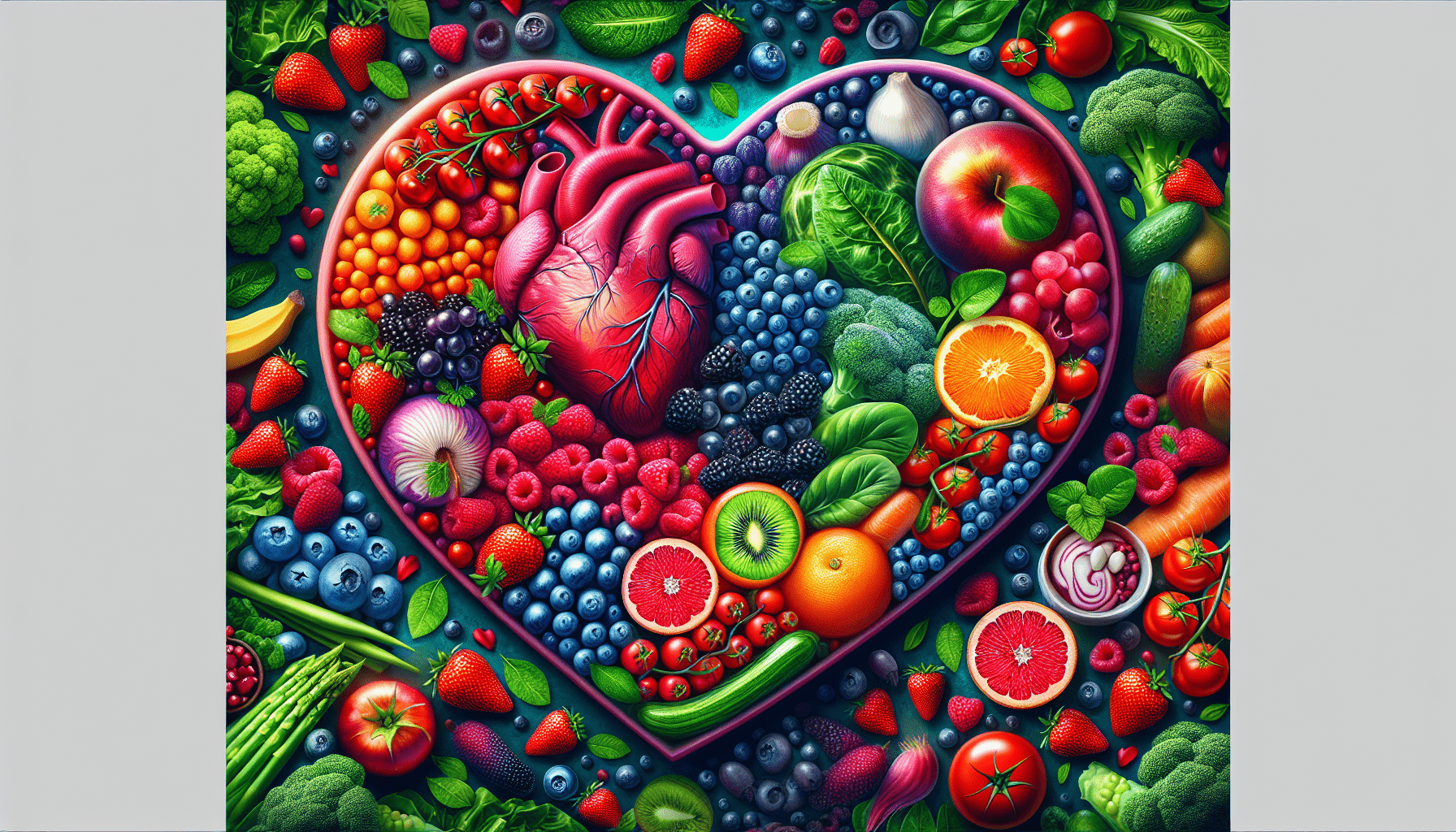
Welcome to the ultimate guide to women’s cardiovascular health! In this comprehensive article, you will learn everything you need to know about taking care of your heart health as a woman. From understanding the unique risks and symptoms of heart disease in women to practical tips for maintaining a healthy heart through diet and exercise, this guide has it all. Stay tuned to discover how you can prioritize your cardiovascular health and live a longer, happier life. Hey there! Have you ever wondered about how you can take care of your heart as a woman? In this ultimate guide to women’s cardiovascular health, we will explore various aspects of heart health specifically tailored to women. Let’s dive in and learn more about how you can keep your heart healthy and strong!
Understanding Women’s Heart Health
Let’s start by exploring some key differences in women’s cardiovascular health compared to men. While heart disease is often thought of as a predominantly male issue, it is actually the leading cause of death for women in the United States. Women tend to develop heart disease about 10 years later than men, but their risk increases significantly after menopause. Understanding these differences is crucial in taking proactive steps to protect your heart.
Risk Factors for Women
There are several risk factors that can increase a woman’s likelihood of developing heart disease. These include high blood pressure, high cholesterol, diabetes, smoking, obesity, and a sedentary lifestyle. Additionally, factors such as pregnancy complications (such as gestational diabetes or preeclampsia) and autoimmune conditions (such as lupus or rheumatoid arthritis) can also impact heart health. By identifying and managing these risk factors, you can reduce your chances of developing heart disease.
Maintaining a Healthy Lifestyle
Now that we’ve covered some of the risk factors, let’s talk about practical steps you can take to maintain a healthy heart. One of the most important things you can do is adopt a heart-healthy lifestyle, which includes eating a balanced diet, staying physically active, managing stress, and getting enough sleep. Small changes, such as incorporating more fruits and vegetables into your diet, going for regular walks, practicing mindfulness, and establishing a consistent sleep routine, can have a big impact on your heart health.
The Role of Diet
Your diet plays a significant role in your overall heart health. A heart-healthy diet should be rich in fruits, vegetables, whole grains, lean protein, and healthy fats. Limiting saturated fats, trans fats, cholesterol, sodium, and added sugars is also important for maintaining a healthy heart. Consider creating a meal plan that focuses on nutrient-dense foods and avoids processed and high-calorie items. Remember, a healthy diet is not about restriction but about nourishing your body with the right fuel.
Staying Active
Physical activity is another key component of maintaining a healthy heart. Aim for at least 150 minutes of moderate-intensity exercise per week, such as brisk walking, swimming, or cycling. Strength training exercises at least two days a week can also help improve cardiovascular fitness and muscle tone. Find activities that you enjoy and make them a regular part of your routine. Remember, every little bit of movement counts towards a healthier heart.
Managing Stress
Chronic stress can have a negative impact on your heart health, so it’s essential to find healthy ways to manage stress. Practices such as yoga, meditation, deep breathing exercises, and spending time in nature can help reduce stress levels and promote relaxation. Make self-care a priority in your daily life and don’t hesitate to seek support from friends, family, or a mental health professional if needed. Your heart will thank you for it.
Getting Adequate Sleep
Good quality sleep is crucial for your heart health. Aim for 7-9 hours of restful sleep each night to allow your body to repair and recharge. Establish a bedtime routine that includes creating a comfortable sleep environment, avoiding screens before bed, and practicing relaxation techniques. If you struggle with sleep issues, consider talking to your healthcare provider about possible solutions. Prioritizing sleep is one of the best things you can do for your heart.

Screening and Prevention
Regular screenings and preventive measures are essential for maintaining optimal heart health. By detecting potential issues early on, you can take steps to prevent them from progressing. Women should be aware of the following screenings and tests to monitor their cardiovascular health:
Blood Pressure Monitoring
High blood pressure is a significant risk factor for heart disease, so it’s essential to monitor your blood pressure regularly. Ideally, your blood pressure should be below 120/80 mm Hg. If you have high blood pressure, work with your healthcare provider to develop a treatment plan that includes lifestyle changes and possibly medication.
Cholesterol Testing
High cholesterol levels can lead to plaque buildup in your arteries, increasing your risk of heart disease. Get your cholesterol levels checked regularly and aim for low LDL (“bad”) cholesterol and high HDL (“good”) cholesterol. If your cholesterol levels are not in the optimal range, your healthcare provider may recommend dietary changes, exercise, or medication.
Blood Sugar Testing
Diabetes and prediabetes can significantly impact your heart health, so it’s crucial to monitor your blood sugar levels regularly. If you have diabetes, work with your healthcare provider to manage your condition effectively. By controlling your blood sugar levels, you can reduce your risk of heart disease complications.
Electrocardiogram (ECG)
An electrocardiogram, also known as an ECG or EKG, measures the electrical activity of your heart and can help detect irregularities. Your healthcare provider may recommend an ECG if you have symptoms such as chest pain, palpitations, or shortness of breath. By identifying any abnormalities early on, you can take appropriate steps to protect your heart.
Stress Testing
Stress tests are used to evaluate how well your heart functions during physical activity. Your healthcare provider may recommend a stress test if you have symptoms suggestive of heart disease or if you are at high risk for cardiovascular issues. The results of the test can help determine your heart’s overall health and guide treatment decisions.
Understanding Heart Disease in Women
Heart disease can manifest differently in women compared to men, so it’s essential to be aware of the specific symptoms and risk factors that affect women. Some common types of heart disease in women include:
Coronary Artery Disease
Coronary artery disease occurs when plaque builds up in the arteries that supply blood to the heart muscle. Symptoms may include chest pain, shortness of breath, fatigue, and nausea. Women are more likely to have atypical symptoms, such as jaw pain, back pain, and indigestion, which can make diagnosis challenging.
Heart Attack
A heart attack happens when blood flow to a part of the heart is blocked, leading to damage or death of the heart muscle. Women are more likely to experience atypical symptoms during a heart attack, such as extreme fatigue, nausea, and dizziness, which can delay diagnosis and treatment. Recognizing the signs of a heart attack early on is crucial for a positive outcome.
Heart Failure
Heart failure occurs when the heart cannot pump enough blood to meet the body’s needs. Common symptoms include shortness of breath, fatigue, swelling in the legs, and difficulty performing everyday tasks. Women are more likely to experience heart failure with preserved ejection fraction, which can have different treatment approaches compared to heart failure with reduced ejection fraction.
Arrhythmias
Arrhythmias are irregular heart rhythms that can range from harmless to life-threatening. Symptoms may include palpitations, dizziness, chest discomfort, and fainting. Women are more likely to experience cardiac arrhythmias related to hormonal changes, such as atrial fibrillation, which can increase the risk of stroke and other complications.
Stroke
Stroke is a significant concern for women with heart disease, as they are at higher risk of stroke compared to men. Symptoms of a stroke may include sudden weakness or numbness on one side of the body, difficulty speaking, vision changes, and severe headache. Women with heart disease should be vigilant about stroke prevention strategies, such as managing blood pressure and cholesterol levels.
Peripheral Arterial Disease
Peripheral arterial disease occurs when plaque builds up in the arteries outside of the heart, typically in the legs. Symptoms may include leg pain, cramping, numbness, and slow healing wounds. Women with peripheral arterial disease may have higher rates of complications, such as amputation, due to delayed diagnosis and treatment.

Empower Yourself with Knowledge
Knowledge is power when it comes to your heart health. By educating yourself about the specific issues that affect women’s cardiovascular health, you can take proactive steps to protect your heart and live a long, healthy life. Remember, you are your best advocate when it comes to healthcare, so don’t be afraid to ask questions, seek second opinions, and prioritize your well-being. Your heart deserves the best care possible, and it starts with you.
In conclusion, women’s cardiovascular health is a complex and multifaceted issue that requires a holistic approach to prevention and management. By understanding the unique aspects of heart disease in women, adopting a heart-healthy lifestyle, getting regular screenings, and staying informed about the latest research, you can protect your heart and reduce your risk of cardiovascular complications. Your heart is the engine that keeps your body running, so take care of it with love and compassion. Here’s to a lifetime of heart health and happiness!