
Are you tired of falling into the same old diet traps? Well, this article is here to help you avoid those common pitfalls and set you on the path to a healthier lifestyle. We have compiled a list of practical tips that will empower you to make better choices when it comes to food and avoid the usual hurdles that can derail your progress. From mindful eating to finding healthier substitutes, read on to discover how you can navigate your way through any diet challenge with ease.

Plan Ahead
Create a meal plan
When trying to maintain a healthy diet, it’s essential to plan your meals in advance. By creating a meal plan, you can ensure that you have nutritious and well-balanced options available throughout the week. Take some time to sit down and map out your meals for breakfast, lunch, and dinner. Consider incorporating a variety of foods from different food groups to ensure you’re getting all the necessary nutrients. This will not only make grocery shopping more efficient but also help you stay on track with your healthy eating goals.
Make a grocery list
Once you have your meal plan ready, it’s time to make a grocery list. Having a list will not only keep you organized while shopping but also prevent you from buying unnecessary or unhealthy items. Take a look at your meal plan and note down all the ingredients you’ll need to prepare your meals. Be sure to include a variety of fruits, vegetables, lean proteins, whole grains, and healthy fats. Having a well-stocked kitchen will make it easier to stick to your healthy eating habits throughout the week.
Prep meals in advance
To save time during busy weekdays and avoid resorting to unhealthy convenience foods, try prepping your meals in advance. Spend some time over the weekend chopping vegetables, cooking proteins, and portioning out meals for the week. By doing this, you’ll have healthy and ready-to-eat options available, making it less likely for you to reach for unhealthy alternatives when you’re short on time. Additionally, meal prepping allows you to have better control over portion sizes and ensures that you’re fueling your body with nutritious meals.
Avoid Temptations
Keep unhealthy snacks out of sight
One of the simplest ways to avoid temptations is by keeping unhealthy snacks out of sight. When these items are easily accessible, it’s much more challenging to resist the urge to indulge. Instead, stock your pantry and refrigerator with healthy snack options like fresh fruits, vegetables, yogurt, or nuts. By having nutritious alternatives easily available, you’ll be more likely to reach for those instead of unhealthy snacks. Remember, out of sight, out of mind!
Remove trigger foods from your pantry
If there are certain foods that you find yourself consistently overindulging in, it may be helpful to remove them from your pantry altogether. Trigger foods are those that you struggle to eat in moderation, and having them readily available can sabotage your healthy eating efforts. Identify the foods that trigger overeating or unhealthy habits for you, and consider eliminating them from your home environment. This will help create a healthier space and make it easier to stick to your goals.
Avoid eating out too often
While eating out can be a pleasant social experience, it often involves consuming larger portion sizes and less healthy food options. To avoid the temptations that come with eating out, try to limit the frequency of dining at restaurants. Instead, prioritize cooking meals at home where you have full control over the ingredients and portion sizes. If you do find yourself eating out, make mindful choices by opting for healthier menu options and practicing portion control.
Manage Portion Sizes
Use smaller plates
Portion control plays a crucial role in maintaining a healthy diet. To help manage your portion sizes, consider using smaller plates and bowls when serving your meals. Research has shown that people tend to eat less when using smaller dishware, as it creates the illusion of a fuller plate. By doing this, you can still enjoy a satisfying meal while naturally reducing your calorie intake.
Measure serving sizes
Another effective way to manage portion sizes is by measuring your food servings. Eyeballing portion sizes can be challenging, and it’s easy to unintentionally eat more than necessary. Invest in a food scale or measuring cups and spoons to accurately measure your servings. This will help you have a better understanding of the appropriate portion sizes, ensuring that you’re not overeating.
Practice mindful eating
Mindful eating involves paying full attention to the eating experience, including the taste, texture, and satisfaction you derive from your food. By practicing mindful eating, you can better listen to your body’s hunger and fullness cues, preventing you from overeating. Slow down while eating, savor each bite, and take note of the flavors and textures. By being present and mindful during meals, you can enjoy your food more fully while also managing portion sizes effectively.
Stay Hydrated
Drink plenty of water
Staying hydrated is essential for overall health and maintaining a balanced diet. Water not only helps regulate body temperature and support organ function but also aids in digestion and appetite control. Aim to drink at least 8 cups (64 ounces) of water per day. Carry a reusable water bottle with you to make it easier to stay hydrated throughout the day. If you struggle with plain water, try infusing it with fresh fruits or herbs for a refreshing twist.
Limit sugary beverages
Sugary beverages like soda, fruit juices, and sweetened teas can quickly add up in calories and contribute to weight gain. These drinks are often high in added sugars and lack the nutritional value that whole foods provide. Limit your consumption of sugary beverages and opt for healthier alternatives instead. Choose unsweetened teas, infused water, or sparkling water with a splash of fresh lemon or lime juice. By reducing your intake of sugary drinks, you’ll be cutting back on unnecessary calories and promoting better overall health.
Enjoy herbal teas
If you’re looking for a warm and comforting beverage without the added calories or caffeine, herbal teas are an excellent option. Herbal teas, such as chamomile, peppermint, or ginger, provide a range of health benefits and can be enjoyed throughout the day. These teas are naturally calorie-free and can help alleviate stress, aid digestion, and promote relaxation. Sip on a soothing cup of herbal tea as a healthy and hydrating alternative to sugary or caffeinated drinks.
Eat Balanced Meals
Include a variety of food groups
To ensure you’re getting all the necessary nutrients your body needs, it’s essential to include a variety of food groups in your meals. Aim to include fruits, vegetables, whole grains, lean proteins, and healthy fats in every meal. Each food group provides unique vitamins, minerals, and macronutrients that support your overall health and well-being. By incorporating a range of foods, you’ll enhance the nutritional value of your meals and create a well-balanced diet.
Aim for colorful plates
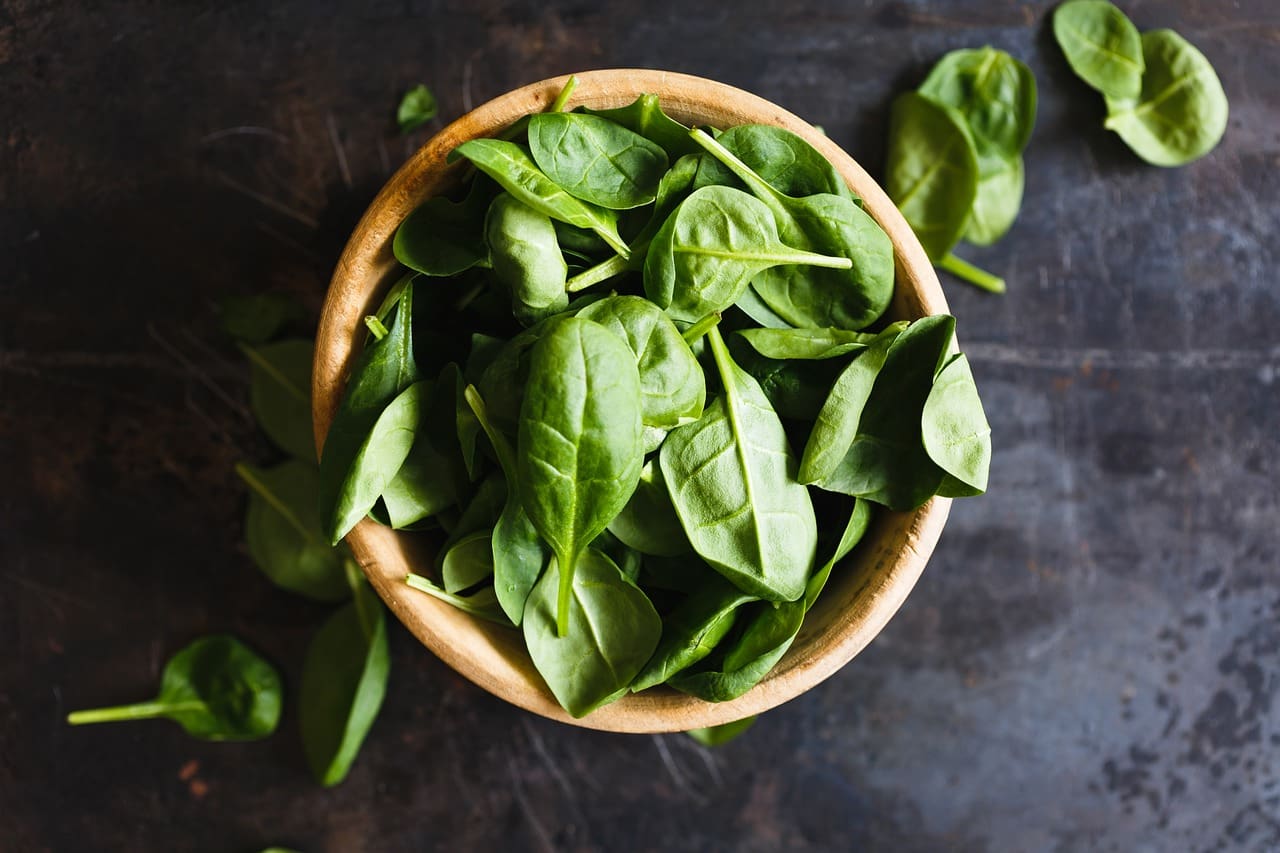
The vibrant colors found in fruits and vegetables indicate the presence of various nutrients and antioxidants. To make your meals visually appealing and nutritionally dense, aim for colorful plates. Incorporate a variety of fruits and vegetables of different colors into your meals. For example, include leafy greens, red bell peppers, blueberries, and oranges to ensure you’re getting a diverse range of vitamins, minerals, and phytonutrients in your diet.
Focus on whole foods
When planning your meals, prioritize whole foods over processed alternatives. Whole foods are minimally processed and retain their natural nutritional value. These include unprocessed grains like brown rice and quinoa, fresh fruits and vegetables, lean proteins, and healthy fats from sources like avocados and nuts. By choosing whole foods, you’ll be providing your body with essential nutrients and reducing your intake of unnecessary additives, preservatives, and added sugars often found in processed foods.
Mindful Grocery Shopping
Read food labels
When grocery shopping, take the time to read and understand food labels. Food labels provide important information about the nutritional content of the product, including the serving size, calories, and the amount of fat, sugar, and sodium. Be mindful of choosing products with minimal ingredients, limited added sugars, and low sodium content. Reading food labels will help you make informed decisions and select healthier options that align with your dietary goals.
Shop the perimeter of the grocery store
When navigating the aisles of the grocery store, focus on shopping the perimeter where the fresh produce, meats, and dairy products are typically located. These areas tend to have a higher concentration of whole foods and fewer processed options. By primarily filling your cart with fresh and unprocessed foods, you’ll be on track to maintaining a healthy diet. While it’s inevitable to venture into the inner aisles for certain pantry staples, try to minimize your exposure to processed foods and opt for healthier alternatives whenever possible.
Avoid unnecessary processed foods
Processed foods, such as chips, cookies, sugary cereals, and pre-packaged meals, often contain high amounts of added sugars, unhealthy fats, and preservatives. These foods provide little nutritional value and can derail your healthy eating efforts. To avoid unnecessary consumption of processed foods, try to limit their presence in your grocery cart. Instead, focus on purchasing fresh produce, lean proteins, and wholesome ingredients that you can use to create nutritious meals at home.

Deal with Emotional Eating
Identify triggers and find alternatives
Emotional eating can be a significant hurdle when trying to maintain a healthy diet. It’s important to identify your triggers and find alternative ways to cope with your emotions rather than turning to food. When you notice the urge to eat due to emotions, ask yourself if you’re truly hungry or if there’s an underlying emotional need. Instead of reaching for food, find healthy coping mechanisms like journaling, meditating, going for a walk, or calling a friend. Finding alternative outlets for your emotions will help you break the cycle of emotional eating.
Practice stress-reducing techniques
Stress can often lead to emotional eating and unhealthy food choices. To manage stress in a healthy way, incorporate stress-reducing techniques into your daily routine. This could include activities like yoga, meditation, deep breathing exercises, or engaging in hobbies that help you relax and unwind. By reducing stress levels, you’ll be better equipped to make mindful and healthy decisions when it comes to your eating habits.
Seek support from a therapist or counselor
If emotional eating is significantly impacting your ability to maintain a healthy diet, seeking support from a therapist or counselor can be beneficial. They can help you explore the root causes of emotional eating, provide coping strategies, and guide you towards a healthier relationship with food. A professional can also assist in identifying and addressing any underlying emotional issues that may contribute to your eating habits. Remember, seeking help is a sign of strength and can greatly improve your overall well-being.
Get Enough Sleep
Prioritize restful sleep
Getting enough quality sleep is crucial for overall health, including maintaining a balanced diet. Poor sleep can disrupt hunger hormones, leading to increased food cravings and a higher likelihood of making unhealthy food choices. Prioritize restful sleep by establishing a consistent sleep schedule and creating a sleep-friendly environment. Aim for 7-9 hours of sleep per night and prioritize self-care practices that promote relaxation and better sleep quality.
Avoid late-night snacking
Late-night snacking can be a common pitfall for many individuals trying to maintain a healthy diet. To avoid mindless eating during late hours, establish a cut-off time for consuming food in the evening. Aim to finish your last meal or snack at least 2-3 hours before bedtime to allow for proper digestion. If you find yourself still feeling hungry, opt for a small, nutritious snack like a piece of fruit or a handful of nuts.
Establish a bedtime routine
Creating a bedtime routine can help signal to your body that it’s time to wind down and prepare for sleep. Engage in relaxing activities before bed, such as reading a book, taking a warm bath, or practicing gentle stretching or yoga. By establishing a consistent routine, you’ll increase the likelihood of falling asleep faster and enjoying a more restful night’s sleep. A well-rested body and mind are better equipped to make healthy choices throughout the day.
Exercise Regularly
Find activities you enjoy
Incorporating regular exercise into your routine is an essential component of a healthy lifestyle. To stay consistent with physical activity, choose activities that you genuinely enjoy. Whether it’s going for a jog, dancing, cycling, or practicing yoga, find activities that bring you joy and make you feel good. By engaging in activities you love, you’ll be more motivated to stick with your exercise routine and make it a regular part of your life.
Set realistic fitness goals
When starting or adjusting your exercise routine, it’s important to set realistic fitness goals. Set achievable targets that align with your current fitness level and gradually increase the intensity or duration over time. This will help you stay motivated and prevent feelings of frustration or burnout. Remember, every person’s fitness journey is unique, so focus on progress rather than perfection.
Incorporate physical activity throughout the day
Physical activity doesn’t have to be limited to structured workout sessions. Find ways to incorporate movement into your daily routine. Take the stairs instead of the elevator, go for a walk during your lunch break, or do bodyweight exercises while watching TV. By integrating physical activity into your day-to-day life, you’ll increase your overall calorie expenditure and support your weight management goals.
Track Your Progress
Keep a food diary
Tracking your food intake can be a valuable tool in maintaining a healthy diet. Consider keeping a food diary or using a mobile app to log your meals and snacks. This will provide you with a clear picture of your eating habits and help identify any areas for improvement. Additionally, writing down what you eat can help you stay accountable and make more mindful choices. Remember to focus on progress rather than perfection, and use the information from your food diary to make positive changes to your diet.
Take regular measurements
While the number on the scale is just one metric, it can be helpful to track your progress by taking regular measurements. Consider measuring your waist circumference, hips, or other areas of your body that you want to focus on. Taking these measurements every few weeks or months can provide a tangible way to assess your progress beyond just weight. Remember, measurements are just one aspect of progress, and it’s essential to prioritize overall health and well-being.
Celebrate milestones
Throughout your journey towards a healthier lifestyle, it’s important to celebrate the milestones you achieve along the way. Whether it’s reaching a weight loss goal, sticking to your meal plan for a month, or completing a fitness challenge, acknowledge and reward yourself for your hard work and dedication. Celebrating milestones can help boost motivation and reinforce positive behaviors. Treat yourself to something special, indulge in a self-care activity, or share your achievements with loved ones. Remember, progress should be celebrated, no matter how small.
By following these tips and implementing them into your daily routine, you’ll be better equipped to avoid common diet pitfalls and maintain a healthy lifestyle. Remember, it’s about finding a balance that works for you and prioritizing your overall health and well-being. Stay committed, stay positive, and enjoy the journey towards a healthier you!