
Welcome to “Tips For Managing Anxiety And Depression,” where you will find helpful advice on how to navigate through challenges related to anxiety and depression. From practicing mindfulness techniques to seeking professional help, these tips will empower you to take control of your mental health and lead a more fulfilling life. With the right strategies and support system in place, you can effectively manage these common mental health conditions and improve your overall well-being. Have you been feeling overwhelmed, anxious, or down lately? It’s important to remember that you are not alone in dealing with anxiety and depression. You can take steps to manage these feelings and improve your mental health. In this article, we will discuss some tips and strategies to help you navigate through these challenging emotions. Let’s explore different ways you can take care of your mental well-being and find some relief from anxiety and depression.
Understanding Anxiety and Depression
Feeling anxious or experiencing moments of sadness is a normal part of life. However, when these feelings become intense and persistent, they can impact your daily life and overall well-being. Anxiety and depression are common mental health conditions that affect millions of people worldwide. It’s essential to recognize the signs and symptoms of these conditions to seek help and support when needed.
Recognizing the Signs of Anxiety
Anxiety can manifest in various ways, such as feelings of nervousness, restlessness, or excessive worry. Physical symptoms like a racing heart, sweating, and trembling may also accompany anxiety. If you find yourself constantly feeling on edge or experiencing panic attacks, it might be a sign of an anxiety disorder.
Identifying the Symptoms of Depression
Depression is more than just feeling sad; it’s a complex mental health condition that can impact your mood, thoughts, and behavior. Symptoms of depression include persistent feelings of sadness, loss of interest in activities you once enjoyed, changes in appetite or sleep patterns, and difficulty concentrating. If these symptoms persist for an extended period, it’s crucial to seek help from a mental health professional.
Understanding the signs and symptoms of anxiety and depression is the first step towards managing these conditions effectively. By recognizing these indicators, you can take proactive steps to improve your mental health and well-being.

Tips for Managing Anxiety
Learning how to manage anxiety effectively can help you cope with overwhelming feelings and reduce their impact on your daily life. Here are some practical tips to help you navigate through moments of anxiety:
Practice Deep Breathing Exercises
Deep breathing exercises can help calm your mind and body when you’re feeling anxious. Take slow, deep breaths in through your nose, hold for a few seconds, and exhale slowly through your mouth. Repeat this process several times to help relax your nervous system and reduce feelings of anxiety.
Engage in Regular Physical Activity
Physical activity is a natural stress reliever and mood booster. Whether it’s going for a walk, practicing yoga, or hitting the gym, regular exercise can help reduce anxiety levels and improve your overall mental health. Aim for at least 30 minutes of physical activity a day to experience the benefits of exercise on your anxiety levels.
Maintain a Healthy Routine
Establishing a daily routine can provide a sense of structure and stability in your life, which can be beneficial for managing anxiety. Make sure to prioritize self-care activities like eating nutritious meals, getting enough sleep, and setting aside time for relaxation. Consistency in your routine can help reduce feelings of unpredictability and enhance your sense of control.
Limit Exposure to Triggers
Identify your anxiety triggers and take steps to minimize your exposure to them. Whether it’s specific situations, environments, or people that exacerbate your anxiety, try to avoid or limit your contact with these triggers. Setting boundaries and prioritizing your mental well-being can help you manage anxiety more effectively.
Seek Support from Loved Ones
Talking to friends, family members, or a therapist about your anxiety can provide you with emotional support and perspective. Opening up about your feelings and thoughts can help alleviate the burden of anxiety and make you feel less isolated. Don’t hesitate to reach out to loved ones for support when you’re struggling with anxiety.
Managing anxiety is a continuous process that requires patience, self-awareness, and persistence. By implementing these tips into your daily routine, you can develop healthy coping mechanisms and reduce the impact of anxiety on your life.

Tips for Managing Depression
Dealing with depression can be challenging, but there are strategies you can use to cope with your symptoms and improve your mental health. Here are some practical tips for managing depression effectively:
Establish a Support System
Building a strong support system is essential for managing depression. Surround yourself with people who care about you and who can offer emotional support during difficult times. Don’t hesitate to reach out to friends, family, or a mental health professional for guidance and encouragement when you’re feeling down.
Practice Mindfulness and Meditation
Mindfulness and meditation techniques can help you stay present in the moment and cultivate a sense of calmness amidst feelings of depression. By focusing on your breath, body sensations, or thoughts, you can develop a greater awareness of your emotions and reduce the impact of negative thinking patterns. Incorporate mindfulness practices into your daily routine to promote mental clarity and emotional well-being.
Engage in Activities You Enjoy
Depression can rob you of pleasure and motivation, making it challenging to engage in activities you once enjoyed. However, making an effort to participate in hobbies, interests, or social events can help boost your mood and sense of fulfillment. Whether it’s painting, cooking, or spending time with loved ones, finding joy in meaningful activities can make a significant difference in managing depression.
Practice Self-Compassion
Being kind to yourself during periods of depression is crucial for maintaining your mental well-being. Avoid self-criticism and negative self-talk, and instead, practice self-compassion and acceptance. Treat yourself with the same kindness and understanding you would offer to a friend experiencing similar challenges. Embracing self-compassion can help alleviate feelings of guilt and shame associated with depression.
Consider Professional Help
If your symptoms of depression are severe or persistent, it’s essential to seek professional help from a therapist or psychiatrist. Therapy can provide you with tools and strategies to manage your depression effectively, while medication may be necessary in some cases to alleviate severe symptoms. Don’t hesitate to reach out for professional support when you need it to address your mental health concerns.
Managing depression requires patience, self-care, and a willingness to seek help when needed. By implementing these tips into your daily routine, you can develop healthy coping mechanisms and improve your mental well-being.
Conclusion
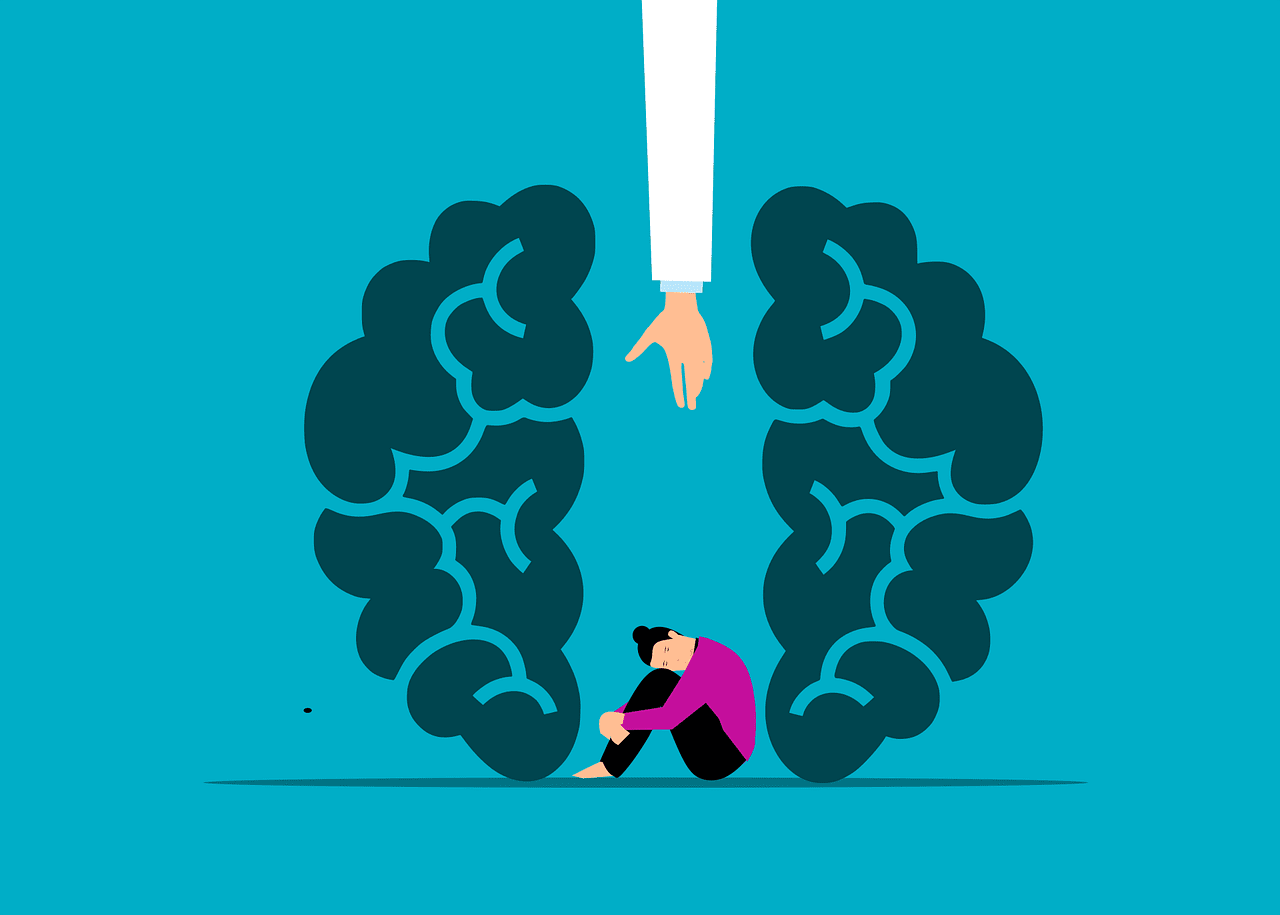
Anxiety and depression are complex mental health conditions that can impact your daily life and overall well-being. Learning how to recognize the signs and symptoms of these conditions, as well as implementing practical tips for managing anxiety and depression, can help you navigate through these challenging emotions effectively. Remember that seeking support from loved ones, practicing self-care, and considering professional help are essential steps in managing anxiety and depression. By prioritizing your mental health and well-being, you can develop healthy coping mechanisms and find relief from overwhelming feelings. Take care of yourself and remember that you are not alone in your journey towards better mental health.