
Hello there! Dealing with a cancer diagnosis is already overwhelming, and the added burden of managing depression and anxiety can make it even more challenging. In this article, you’ll find useful tips and strategies to help you cope with these mental health issues while undergoing cancer treatment. By implementing these suggestions, you can improve your emotional well-being and navigate this difficult journey with more resilience and strength. Remember, you are not alone, and there are ways to take care of your mental health during this time. Have you or a loved one recently been diagnosed with cancer and are struggling to cope with the emotional toll of the diagnosis and treatment? It’s completely normal to feel overwhelmed, anxious, and depressed during this challenging time. In this article, we will provide you with some valuable tips for managing depression and anxiety during cancer treatment.
Understanding Depression and Anxiety During Cancer Treatment
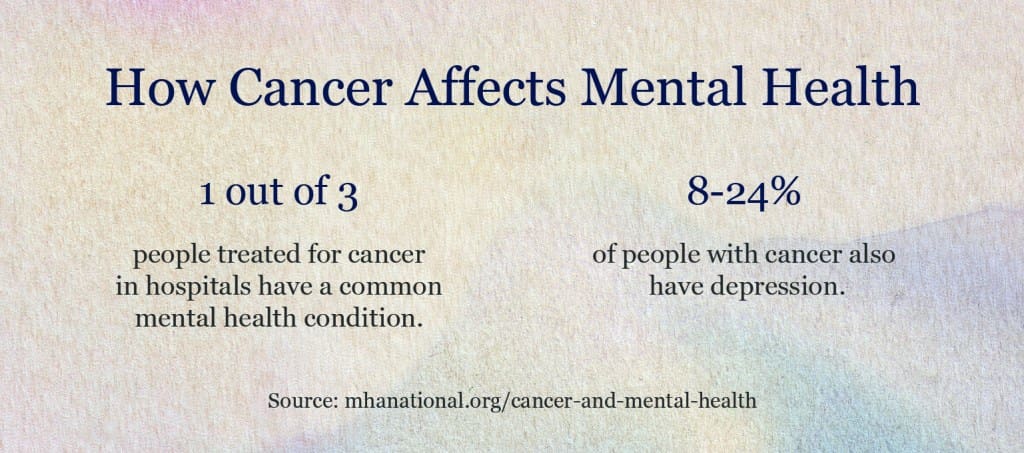
Dealing with cancer can trigger a wide range of emotions, including fear, sadness, anger, and anxiety. It’s important to acknowledge and understand these feelings to effectively manage them. Depression and anxiety are common side effects of cancer and its treatment, but there are strategies that can help you cope and improve your emotional well-being.
Acknowledge Your Feelings
It’s okay to feel overwhelmed, scared, and sad after a cancer diagnosis. Acknowledge your feelings and give yourself permission to experience them without judgment. Bottling up your emotions can lead to increased stress and anxiety.
Talk About Your Feelings
Sharing your thoughts and emotions with a trusted friend, family member, therapist, or support group can help you feel less alone and more supported. Talking about your feelings can also provide you with a different perspective and help you find ways to cope.
Tips for Managing Depression During Cancer Treatment
Depression is a common mental health issue among cancer patients. It’s essential to address and manage depression to improve your quality of life and overall well-being during treatment. Here are some practical tips for managing depression during cancer treatment.
Stay Connected
Maintaining social connections with friends and family members can provide you with emotional support and a sense of belonging. Regular communication can help you feel less isolated and more supported during your cancer journey.
Stay Active
Exercise has been shown to improve mood and reduce symptoms of depression. Even simple activities like walking, yoga, or gardening can have a positive impact on your mental health. Find activities that you enjoy and incorporate them into your daily routine.
Practice Mindfulness
Mindfulness techniques, such as deep breathing, meditation, and guided imagery, can help you stay grounded and present in the moment. Mindfulness can reduce stress, anxiety, and depression by promoting relaxation and clarity of mind.
Seek Professional Help
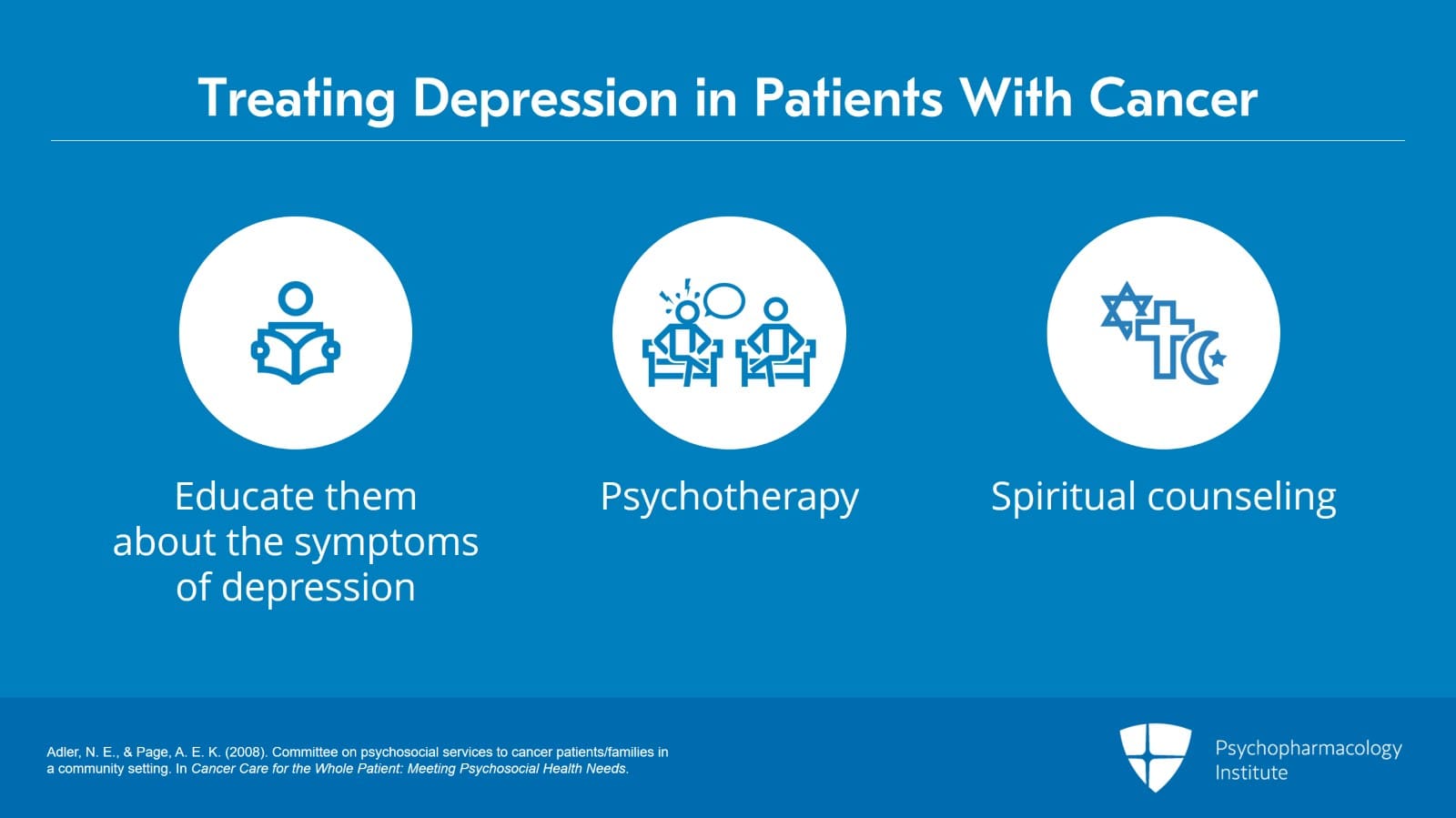
If you’re struggling with depression, don’t hesitate to seek help from a mental health professional, such as a therapist or counselor. Therapy can provide you with coping strategies, emotional support, and a safe space to process your feelings.
Tips for Managing Anxiety During Cancer Treatment
Anxiety is another common emotional response to cancer diagnosis and treatment. It’s crucial to address and manage anxiety to reduce stress and improve your mental well-being. Here are some useful tips for managing anxiety during cancer treatment.
Practice Relaxation Techniques
Deep breathing, progressive muscle relaxation, and visualization can help calm your mind and body during moments of anxiety. Practice these techniques regularly to build resilience and reduce anxiety symptoms.
Stay Informed
Knowledge is power, especially when it comes to your health. Stay informed about your cancer diagnosis, treatment options, and side effects to alleviate anxiety and uncertainty. Ask questions and seek clarification from your healthcare team when needed.
Establish a Routine
Creating a daily routine can provide structure, stability, and predictability during a tumultuous time. A routine can help you feel more in control, reduce anxiety, and improve your overall well-being.
Engage in Self-Care
Taking care of yourself is essential for managing anxiety. Practice self-care activities that bring you joy and relaxation, such as reading, listening to music, taking a bath, or spending time in nature.

Healthy Coping Strategies for Managing Depression and Anxiety
In addition to the tips mentioned above, implementing healthy coping strategies can help you manage depression and anxiety more effectively during cancer treatment. Here are some additional strategies to consider.
Maintain a Healthy Lifestyle
Eating a balanced diet, getting enough sleep, and staying hydrated can support your mental health and overall well-being. Nutritious foods, regular sleep, and adequate hydration can improve your mood, energy levels, and resilience.
Limit Alcohol and Caffeine
Alcohol and caffeine can exacerbate symptoms of depression and anxiety. Limit your intake of these substances to reduce mood swings, agitation, and sleep disturbances. Opt for non-alcoholic beverages and caffeine-free options instead.
Set Realistic Goals
Setting realistic goals and priorities can help you stay focused, motivated, and organized during your cancer treatment. Break tasks into manageable steps and celebrate small victories along the way.
Practice Gratitude
Gratitude can shift your focus from negative to positive emotions and improve your outlook on life. Take time to appreciate the small things, express gratitude for the support you receive, and keep a gratitude journal to cultivate a positive mindset.
Seeking Support During Your Cancer Journey
Remember that you’re not alone in your cancer journey. Seeking support from healthcare professionals, support groups, and loved ones can help you navigate the emotional challenges of cancer treatment. Don’t hesitate to reach out for help when you need it.
Join a Support Group
Connecting with others who are going through similar experiences can offer you comfort, understanding, and valuable insights. Joining a cancer support group can provide you with a sense of community, empathy, and encouragement.
Communicate with Your Healthcare Team
Open communication with your healthcare team is essential for addressing your emotional needs during cancer treatment. Share your feelings, concerns, and questions with your doctors, nurses, and other healthcare providers to receive the support you need.
Lean on Your Loved Ones
Don’t underestimate the power of love and support from family members and friends. Lean on your loved ones for emotional support, practical assistance, and companionship throughout your cancer journey. They can be a source of strength and comfort during challenging times.
Conclusion
Managing depression and anxiety during cancer treatment is a multifaceted process that requires self-awareness, coping skills, and support from others. By acknowledging your feelings, seeking help when needed, and implementing healthy coping strategies, you can navigate the emotional challenges of cancer treatment with resilience and strength. Remember that it’s okay to feel overwhelmed, scared, and sad at times, but you don’t have to face these emotions alone. Reach out for support, practice self-care, and stay connected with your loved ones to enhance your emotional well-being during this difficult time.