
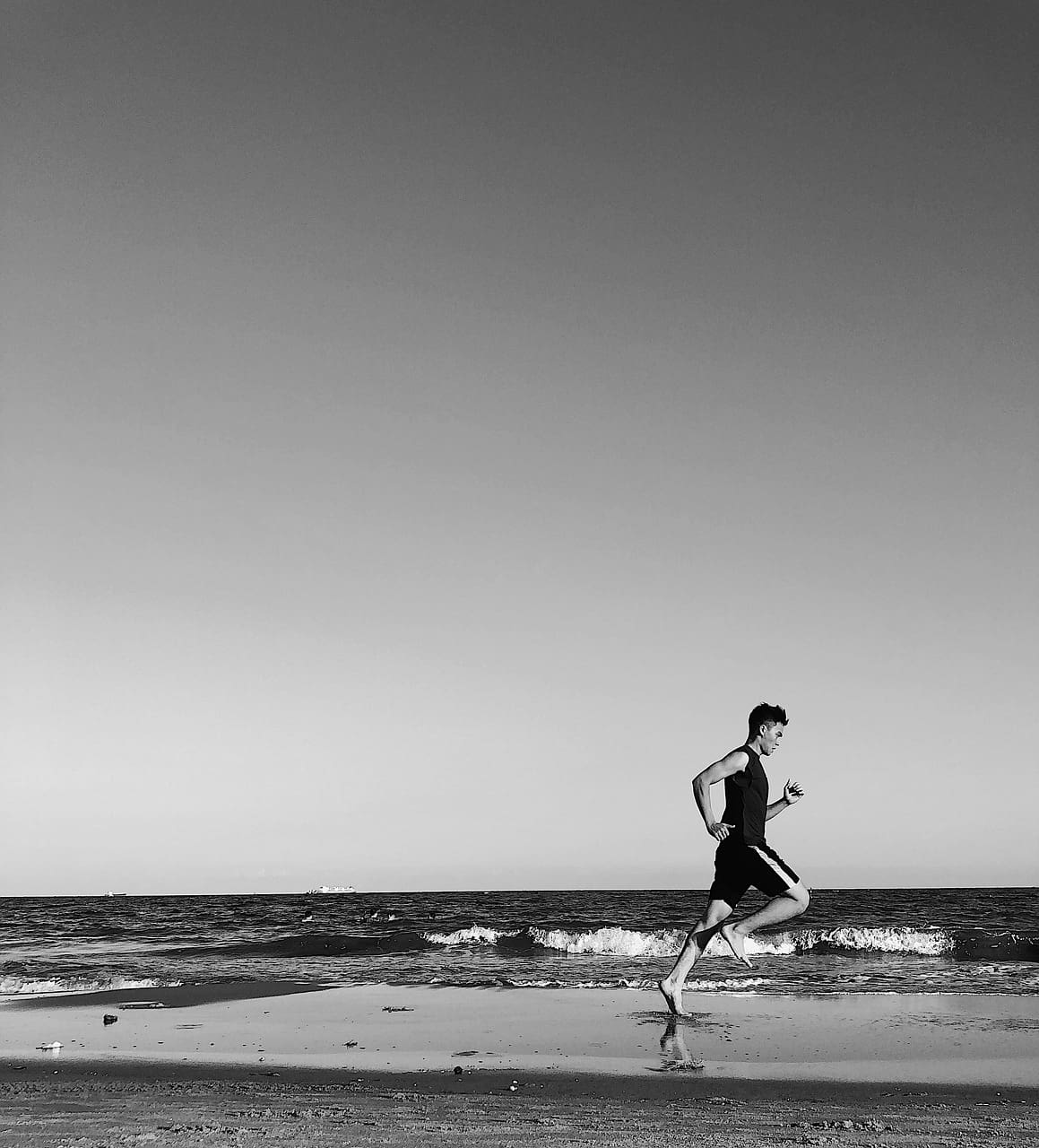
So, you’ve decided to take on the challenge of running your first 5k? That’s fantastic! Whether you’re a seasoned athlete or new to the world of running, completing a 5k is an accomplishment worth celebrating. In this article, you’ll find a collection of helpful tips and advice to ensure that you not only finish your first 5k, but also enjoy the process along the way. From setting realistic goals to finding the right training plan, these tips will help you make the most of your journey to becoming a 5k runner.

Choosing the Right 5k Race
Consider your fitness level
When choosing a 5k race to participate in, it’s essential to consider your current fitness level. If you’re just starting your running journey or haven’t been very active lately, it may be wise to select a race that caters to beginners or offers a relaxed atmosphere. On the other hand, if you’ve been consistently running and feel confident in your abilities, you can aim for a race that offers more competition. A realistic evaluation of your fitness level will help you find a race that suits your abilities and keeps you motivated throughout the training process.
Research different races
Researching different races is an important step in choosing the right 5k for you. Consider factors such as location, date, and race theme. Some races may be held in picturesque locations or have a specific theme that excites you. Pay attention to the race route and whether it aligns with your preferences. Some courses may be primarily flat, while others include challenging elevation changes. Gathering all the necessary information and comparing different options will help you find the race that aligns with your goals and preferences.
Choose a race with a relaxed atmosphere
For your first 5k race, it can be beneficial to select an event with a relaxed and supportive atmosphere. These races often cater to beginners and create a welcoming environment that can ease any nerves or anxieties you may have. Look for events that emphasize fun and inclusivity rather than intense competition. Participating in a race with a relaxed atmosphere can help you focus on enjoying the experience while still challenging yourself to reach your personal goals.
Check the course terrain and elevation
Before committing to a specific race, it’s vital to check the course terrain and elevation. Understanding the type of land you’ll be running on allows you to prepare accordingly during your training. Some courses may have hilly sections, while others could be entirely flat. Consider what type of terrain suits your running preferences and abilities. Keep in mind that hilly courses can add an extra challenge, but they also provide an opportunity to strengthen your muscles and improve your overall fitness level.
Setting Realistic Goals
Evaluate your current fitness level
To set realistic goals for your first 5k, it’s crucial to evaluate your current fitness level. Take stock of your running abilities, endurance, and overall health. This self-assessment will help you gauge where you currently stand and establish achievable goals. By having a clear understanding of your starting point, you can create a training plan that gradually builds your fitness and ensures steady progress towards your desired outcome.
Establish a realistic time goal
One of the most common goals for runners participating in a 5k race is to achieve a certain finishing time. When setting a time goal, it’s essential to be realistic and consider your current fitness level. If you’re a beginner, a reasonable aim would be to complete the race without walking and within a specific time range. As you gain experience and continue training, you can set more ambitious time goals. Remember, progress takes time, and it’s better to set a realistic goal that you can achieve with determination and perseverance.
Set target milestones for training
To keep yourself motivated throughout your training journey, it can be helpful to set target milestones. These milestones act as smaller goals within your overall training plan and provide a sense of accomplishment along the way. For example, you can aim to increase your running distance by a certain amount each week or complete a specific number of training sessions without missing any. These milestones allow you to track your progress and provide a sense of satisfaction as you meet each one.
Focus on completing the race rather than speed
While setting time goals can be motivating, it’s also important to remember that completing the race should be your ultimate focus. As a beginner, your primary goal should be to develop a consistent running routine, build endurance, and cross the finish line. Emphasizing completion over speed will help you stay motivated and establish a solid foundation for future races. As you gain experience and confidence, you can start setting more ambitious time goals, but always prioritize the joy of finishing the race.
Creating a Training Plan
Consult a healthcare professional
Before embarking on any new fitness endeavor, it’s advisable to consult a healthcare professional, especially if you have any underlying health conditions or concerns. A doctor or a qualified fitness expert can assess your overall health, provide guidance on your training plan, and ensure you’re taking the necessary precautions. Seeking professional advice ensures that your training plan is tailored to your individual needs and reduces the risk of injury or overexertion.
Gradually increase your mileage
A key aspect of a successful 5k training plan is gradually increasing your mileage over time. Start with a comfortable distance that you can easily manage, such as a combination of running and walking. As your fitness improves, aim to increase the distance of your runs each week, gradually decreasing the walking intervals. This progressive approach allows your body to adapt to the increased demands, reducing the risk of injury and enhancing your endurance.
Include rest days in your schedule
Rest days are an essential component of any training plan, as they allow your body to recover and adapt to the physical stress of running. Adequate rest is just as important as the actual training, as it helps prevent overtraining and decreases the risk of injury. Incorporate at least one or two rest days into your weekly training schedule to give your body the necessary time to repair and rebuild the muscles stressed during your workouts.
Incorporate cross-training activities
In addition to running, incorporating cross-training activities into your training plan can bring various benefits. Cross-training can help improve your overall fitness, prevent overuse injuries, and provide a mental break from running. Consider activities such as cycling, swimming, strength training, or yoga to add variety to your routine. Engaging in different activities builds different muscle groups, enhances your cardiovascular endurance, and helps you stay motivated throughout your training journey.
Proper Running Gear
Invest in a good pair of running shoes
When it comes to running, investing in a good pair of running shoes is essential. Ill-fitting or worn-out shoes can lead to discomfort, blisters, and even injuries. Visit a specialty running store or seek professional advice to find the right pair of shoes that suit your foot type and running style. Quality running shoes offer proper support, cushioning, and stability, improving your comfort and reducing the risk of foot or leg issues.
Wear moisture-wicking clothing
Choosing the right clothing for your runs can significantly impact your comfort level. Opt for moisture-wicking fabrics that help draw sweat away from your body, keeping you dry and reducing chafing. Avoid cotton clothing, as it tends to retain moisture and can cause discomfort. Look for lightweight and breathable materials that allow for sufficient airflow, especially in warmer climates. Dressing appropriately will help you stay cool and focused during your training runs and on race day.
Consider appropriate socks
In addition to running shoes, the right pair of socks is crucial for a comfortable running experience. Look for socks specifically designed for running, preferably made of moisture-wicking materials. These socks will help keep your feet dry, reduce friction, and minimize the risk of blisters. Pay attention to the fit and consider socks with extra padding in areas susceptible to rubbing or impact. Taking care of your feet by wearing proper socks can contribute to an enjoyable and injury-free running experience.
Use a comfortable and supportive sports bra (for women)
For female runners, wearing a comfortable and supportive sports bra is essential to reduce discomfort and minimize breast movement during running. Invest in a high-quality sports bra that provides proper support and fits well. Consider your individual needs, such as the level of impact control required and personal comfort preferences. The right sports bra will not only enhance your running experience but also help protect breast tissues and prevent long-term damage.

Nutrition and Hydration
Eat a balanced diet
Proper nutrition plays a crucial role in supporting your training for a 5k race. Aim to eat a balanced diet that includes a variety of fruits, vegetables, whole grains, lean proteins, and healthy fats. These nutrient-dense foods provide the energy and essential nutrients needed for your workouts and aid in muscle recovery. Avoid restrictive diets and focus on nourishing your body with wholesome foods that support your overall health and well-being.
Stay hydrated throughout training
Hydration is key to maintaining optimal performance during your training and on race day. Make sure to drink enough water throughout the day, especially before and after your runs. Adequate hydration helps regulate body temperature, lubricate joints, and deliver nutrients to your muscles. Consider carrying a water bottle on your runs, especially during longer training sessions, to stay hydrated and avoid dehydration. Listen to your body’s thirst signals and drink enough fluids to keep yourself properly hydrated.
Fuel your body with proper pre-race meals
In the days leading up to your 5k race, focus on fueling your body with proper pre-race meals. Consume a balanced meal that includes carbohydrates for energy, lean proteins for muscle repair, and healthy fats for satiety. Avoid trying new or unfamiliar foods right before the race, as they may upset your stomach. Experiment with different pre-race meal options during your training to identify which meals work best for you and provide optimal energy levels.
Experiment with energy gels or snacks during long runs
During longer training runs, some runners find it helpful to consume energy gels or snacks to maintain their energy levels. These products provide a quick source of carbohydrates that can help sustain your endurance during extended periods of exercise. Experiment with different flavors and brands during your training to identify what works best for your stomach and provides the desired boost of energy. Remember to drink water after consuming energy gels to aid absorption and avoid any potential stomach discomfort.
Warm-up and Cool-down
Perform dynamic stretches
Before starting your runs, it’s essential to warm up your muscles and prepare your body for the exercise. Dynamic stretches, such as leg swings, walking lunges, or high knees, are great for increasing blood flow, loosening muscles, and improving range of motion. Dynamic stretching involves moving parts of your body through a controlled range of motion without holding the stretch. This type of stretching helps warm up your muscles and prepares them for the demands of running.
Start your runs with a brisk walk or jog
Begin your runs with a brisk walk or a light jog to gradually increase your heart rate and warm up your muscles further. This allows your body to transition into an active state gradually. Starting slowly also helps mentally prepare for the run ahead and allows your muscles and joints to adjust to the increased workload. As you warm up, gradually increase your pace to a comfortable running speed.
Include a cooldown routine after each run
At the end of each run, it’s important to include a cooldown routine to allow your body to gradually return to its resting state. Slow down your pace and include a few minutes of walking or light jogging. This cooldown period helps prevent blood pooling in your legs and allows your heart rate to gradually decrease. Cooling down can aid in muscle recovery, reduce muscle stiffness, and prevent post-run dizziness or lightheadedness.
Stretch major muscle groups post-run
After completing your cooldown routine, take a few minutes to stretch major muscle groups used during your run. Focus on areas such as calves, quadriceps, hamstrings, hips, and lower back. Stretching after your run helps improve flexibility, maintain muscle balance, and reduce the risk of post-run soreness or tightness. Hold each stretch for 15-30 seconds and breathe deeply to promote relaxation and allow your muscles to lengthen.
Pace Yourself
Start slow and conserve energy
When starting the race, it’s important to pace yourself and avoid the temptation to sprint at the beginning. Starting too fast can deplete your energy reserves quickly and lead to fatigue later in the race. Begin at a comfortable pace that allows you to maintain a steady rhythm and conserve energy for the later stages of the race. Slowly build your speed and intensity as you progress, saving your strongest efforts for the final stretch.
Avoid starting too fast
One of the most common mistakes among novice runners is starting the race too fast. The adrenaline and excitement can lead to a burst of energy that may not be sustainable for the entire race. Be mindful of your pace and focus on running at a steady and comfortable speed. Starting conservatively allows you to gauge your energy levels and gradually increase your effort as the race progresses.
Listen to your body and adjust pace accordingly
While it’s essential to have a target pace in mind, it’s crucial to listen to your body and adjust your pace accordingly. Pay attention to how your body feels during the race and be prepared to make adjustments if you’re feeling fatigued or experiencing discomfort. Your training will have prepared you to recognize your physical limits and the signals your body sends. Trust your instincts and make pace adjustments that allow you to maintain a sustainable effort throughout the race.
Utilize a run-walk strategy if needed
For some beginner runners or individuals returning from injury, a run-walk strategy can be an effective way to complete a 5k race. This strategy involves alternating between running and walking intervals. It allows you to take short walking breaks, which can help conserve energy and reduce the impact on your joints. Experiment with different run-walk ratios during your training to find the combination that works best for you. Remember, completing the race is the main goal, and this strategy can be a helpful tool to gradually build your running endurance.
Race Day Preparation
Get a good night’s sleep before the race
The night before the race, prioritize getting a good night’s sleep to ensure you’re well-rested and ready for the challenge ahead. Aim for at least 7-8 hours of quality sleep to allow your body to recover and recharge. Establish a relaxing bedtime routine and create a calm sleeping environment to enhance your sleep quality. Sufficient rest will help optimize your physical and mental performance during the race.
Eat a light and easily digestible breakfast
On race day, opt for a light and easily digestible breakfast that provides you with the necessary energy without causing stomach discomfort. Aim to eat your meal at least 1-2 hours before the race to allow for digestion. Consider foods that are rich in carbohydrates, such as oatmeal, bananas, or toast with nut butter. These foods provide a readily available source of energy to help fuel your race.
Arrive early to familiarize yourself with the environment
Arriving early to the race venue gives you time to familiarize yourself with the environment and minimize any last-minute stress. Take the opportunity to locate important areas such as the starting line, restrooms, and water stations. Familiarize yourself with the course route and any potential landmarks or obstacles. Arriving early also allows you to mentally prepare for the race and settle any nerves you may have.
Use the restroom before the race starts
Ensure you use the restroom before the race starts to avoid any discomfort or interruptions during the race. Longer races often have porta-potties available near the start and finish areas. Take advantage of this opportunity, even if you don’t feel an immediate need. This simple action can help you focus on running rather than searching for facilities along the course.
Mental Preparation
Visualize success and positive outcomes
Mental preparation is just as important as physical training when it comes to running a 5k race. Take time to visualize yourself crossing the finish line successfully and feeling a sense of accomplishment. Engage your senses and imagine the sights, sounds, and emotions you will experience during the race. This positive visualization can help boost your confidence, reduce anxiety, and set a positive mindset for race day.
Practice positive self-talk
Throughout your training and on race day, practice positive self-talk to stay motivated and focused. Replace any negative thoughts or self-doubt with encouraging and empowering statements. Remind yourself of your hard work, progress, and the reasons why you decided to run the race. By cultivating a positive internal dialogue, you can overcome mental obstacles and stay confident in your abilities.
Stay focused on your own race
During the race, it’s important to stay focused on running your own race and not get caught up in comparing yourself to others. Each participant has different goals, experience levels, and running abilities. Embrace your own journey and run at your own pace without feeling the need to keep up with or compete against others. Shift your focus inward and stay connected to your personal goals and the joy of the running experience.
Celebrate small achievements during training
Throughout your training, celebrate your small achievements and milestones to stay motivated and maintain enthusiasm. Acknowledge and appreciate the progress you make, whether it’s running a longer distance, improving your pace, or completing a challenging training session. Celebrating these accomplishments boosts your confidence, reinforces positive habits, and reminds you of your capability to achieve your goals.
Post-Race Recovery
Slowly walk after crossing the finish line
After crossing the finish line, resist the temptation to come to a sudden stop. Instead, gradually slow down to a gentle walk. Walking after the race helps prevent blood pooling in your legs and allows your heart rate to gradually decline to its resting state. Slow and gentle movement supports muscle recovery and can help reduce post-race soreness.
Hydrate and refuel your body with a nutritious snack
Following the race, it’s important to rehydrate your body and replenish the nutrients you lost during the run. Drink water or a sports drink to restore hydration levels. Additionally, consume a nutritious snack that includes a balance of carbohydrates and protein within 30-60 minutes of finishing the race. Good options include a banana with peanut butter, a protein smoothie, or a turkey and avocado sandwich. This refueling helps kickstart the recovery process and supports muscle repair.
Stretch and cool down your muscles
After completing the race and giving yourself some time to recover, it’s beneficial to stretch and cool down your muscles. Perform gentle stretches that target the major muscle groups used during the run. These stretches improve flexibility, reduce muscle soreness, and promote muscle recovery. Focus on stretches such as quad stretches, calf stretches, and hamstring stretches. Take your time and pay attention to how your body feels, adjusting the intensity of the stretches as needed.
Take adequate rest days before starting another training program
After completing your first 5k race, it’s important to allow your body proper rest and recovery before starting another training program. Rest days are essential for allowing your muscles, joints, and overall body to recover from the physical stress of the race. Listen to your body, take the necessary time off, and focus on activities that promote relaxation and rejuvenation. Giving yourself adequate rest will help prevent burnout and prepare you for future running endeavors.
Running your first 5k can be an exciting and rewarding experience. By considering your fitness level, setting realistic goals, creating a training plan, wearing the proper gear, and taking care of your nutrition and hydration, you can set yourself up for success. Engaging in mental preparation, pace yourself during the race, and taking appropriate rest and recovery afterward will ensure a positive and fulfilling 5k race experience. Remember to enjoy the journey, celebrate your achievements, and embrace the joy of running. Good luck on your first 5k race!