
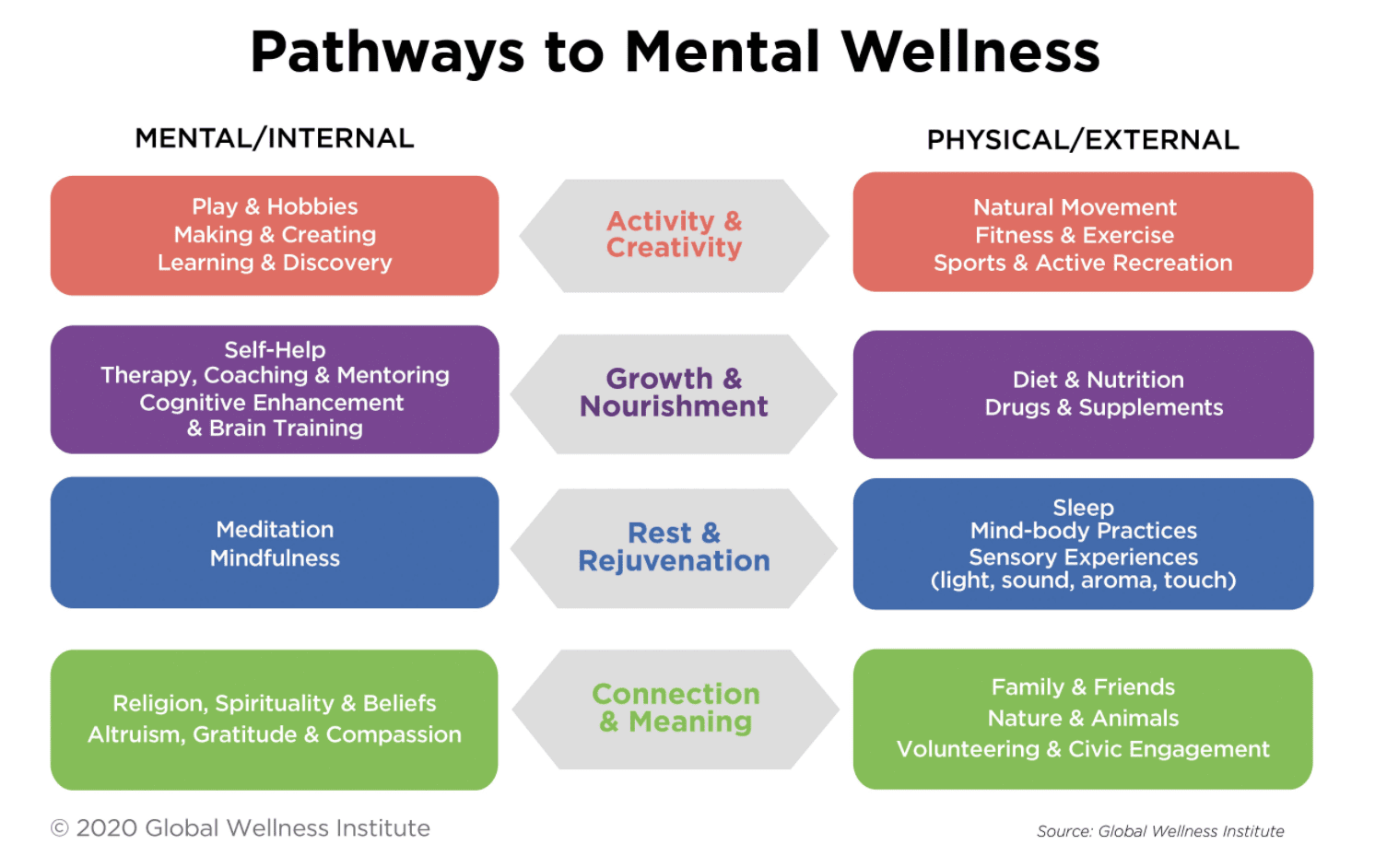
Are you looking to improve your mental well-being but unsure where to start? Look no further! In this article, we will provide you with tips for setting achievable and realistic goals for your mental wellness. By following these suggestions, you can take proactive steps towards a healthier and happier mind. So, let’s dive in and discover how you can set yourself up for success on your journey to mental well-being!
Reflect on your current mental wellness
Evaluate your current mental state
To begin setting achievable and realistic goals for your mental wellness, it’s important to first evaluate your current mental state. Take some time to reflect on how you are feeling emotionally, mentally, and psychologically. Are you experiencing any symptoms of stress, anxiety, or depression? Are there any areas of your life that are causing you significant distress or unhappiness? Understanding your current mental state is crucial in identifying areas for improvement and setting goals that will truly benefit your overall well-being.
Identify areas for improvement
Once you have evaluated your current mental state, it’s time to identify areas for improvement. Look for patterns or recurring themes in your life that may be contributing to your mental distress. Are there any unhealthy coping mechanisms or negative thought patterns that you need to address? Are there any relationships or situations that are draining your mental energy? By pinpointing the areas in your life that could benefit from improvement, you can then set goals that are specifically tailored to address those areas and promote your mental well-being.
Define your values and priorities
Determine what matters most to you
Defining your values and priorities is a crucial step in setting achievable and realistic goals for your mental wellness. Take some time to reflect on what truly matters to you in life. What are your core beliefs and principles? What brings you joy and fulfillment? By understanding what matters most to you, you can align your goals with your values and ensure that you are working towards outcomes that are meaningful and purposeful to you.
Align your goals with your values
Once you have determined what matters most to you, it’s important to align your goals with your values. Ask yourself how each goal you set relates to your core beliefs and principles. Will achieving this goal contribute positively to your mental well-being and overall happiness? If a goal conflicts with your values or feels superficial, it may be worth reevaluating or adjusting it. By setting goals that are in alignment with your values, you will be more motivated and driven to achieve them.
Create specific and measurable goals
Make your goals clear and precise
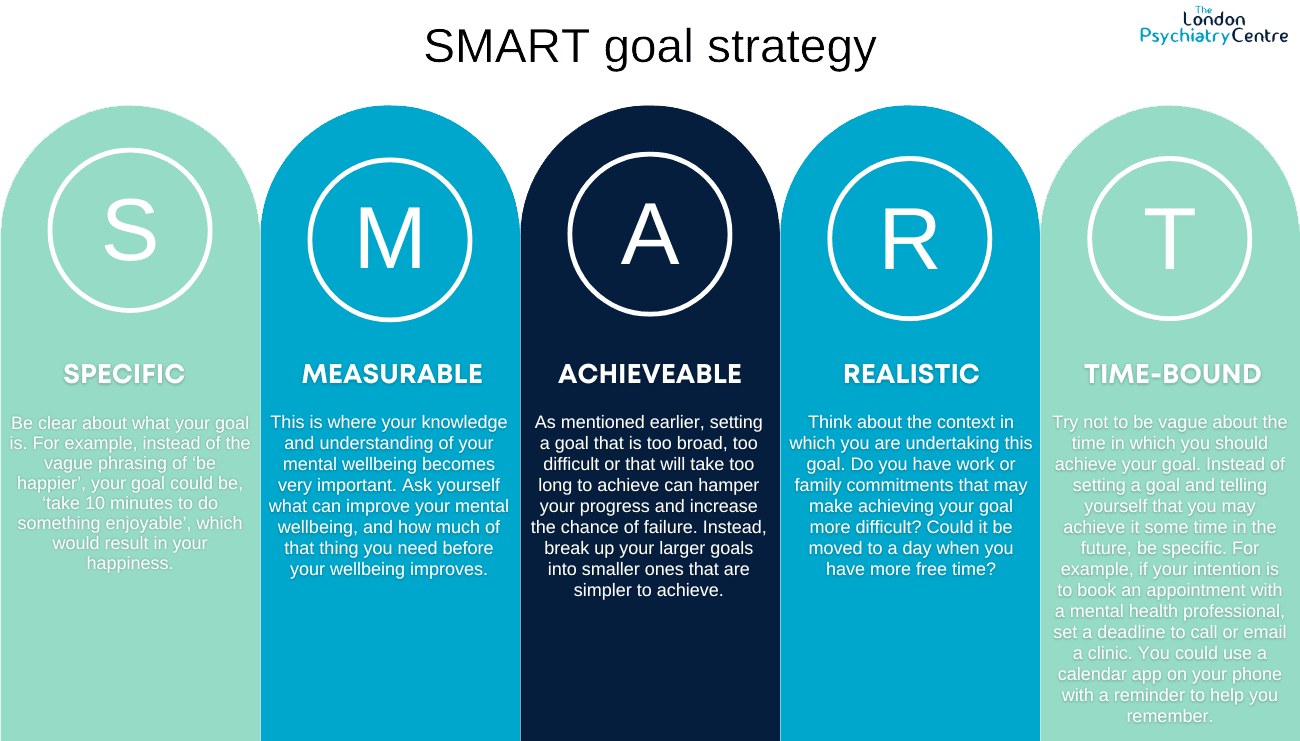
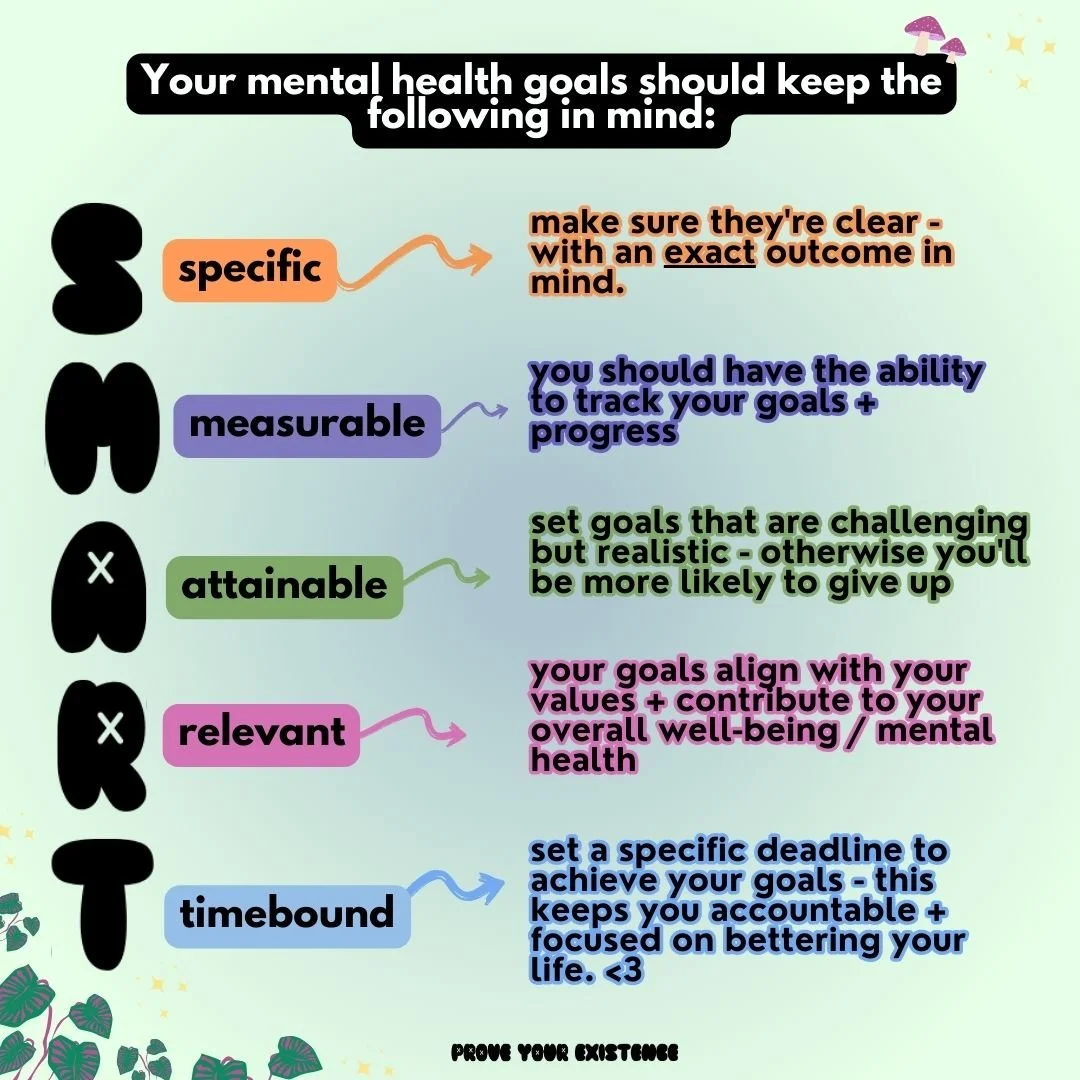
To ensure that your goals are achievable and realistic, it’s important to make them clear and precise. Vague or general goals can be difficult to work towards and measure progress. Instead of setting a goal like “I want to be happier,” be more specific about what happiness means to you and how you will achieve it. For example, “I will engage in a relaxing hobby at least twice a week to increase my overall happiness.” The more specific and precise your goals are, the easier it will be to track your progress and stay motivated.
Develop criteria to measure your progress
In addition to making your goals clear and precise, it’s essential to develop criteria to measure your progress. Establish concrete metrics or milestones that will indicate whether you are making progress towards your goals. This could be tracking the number of times you engage in a specific activity, noting changes in your daily mood, or monitoring your overall stress levels. By having measurable criteria, you can objectively assess your progress and make any necessary adjustments to your action plan.
Set realistic and attainable goals
Consider your resources and limitations
When setting goals for your mental wellness, it’s important to consider your resources and limitations. Take into account factors such as time, energy, finances, and other commitments that may impact your ability to work towards your goals. Setting unrealistic or unattainable goals can lead to frustration and disappointment, which can negatively impact your mental well-being. By being realistic about what you can achieve given your current circumstances, you are more likely to make consistent progress and experience a sense of accomplishment.
Break your goals into smaller, manageable steps
To make your goals more achievable, consider breaking them into smaller, manageable steps. This allows you to focus on one step at a time, making it easier to stay motivated and track your progress. Breaking down larger goals into smaller tasks also helps to prevent overwhelm and increase your likelihood of success. For example, if your goal is to practice mindfulness meditation regularly, start by committing to five minutes of meditation per day and gradually increase the duration over time. By taking small steps, you can build momentum and cultivate a positive habit.
Develop an action plan
Identify actionable steps to achieve your goals
Once you have set your goals, it’s crucial to develop an action plan to help you achieve them. Identify actionable steps that you can take to move closer to your desired outcomes. For each goal, break it down into specific actions that need to be taken. For example, if your goal is to improve your sleep quality, actionable steps may include establishing a bedtime routine, creating a calming sleep environment, and practicing relaxation techniques before bed. By clearly outlining the steps you need to take, you can effectively prioritize and focus your efforts.
Create a timeline and establish deadlines
In addition to identifying actionable steps, it’s important to create a timeline and establish deadlines for your goals. Having a clear timeline can help to keep you accountable and motivated throughout the process. Break down your goals into smaller milestones and assign specific deadlines for each milestone. This will create a sense of urgency and encourage you to stay on track. However, be mindful of setting realistic deadlines that consider your other commitments and limitations. Finding a balance between motivation and feasibility is key.
Track your progress
Regularly assess your progress towards your goals
Once you have started working towards your goals, it’s essential to regularly assess your progress. Take time to reflect on your actions, measure your results, and evaluate whether you are on track to achieve your desired outcomes. Making progress towards your goals can be empowering and motivating. Celebrate your achievements and use them as fuel to continue moving forward. If you find that you are not making progress as expected, don’t be discouraged. Instead, use this opportunity to reassess your approach and make any necessary adjustments to your action plan.
Adjust your plan if necessary
As you track your progress, you may find that adjustments to your action plan are needed. Life is full of unexpected challenges and circumstances that may require you to adapt your goals or modify your approach. Be open to changes and flexibility. If you encounter obstacles or setbacks, don’t give up. Instead, explore alternative strategies, seek support, and adjust your plan accordingly. Remember that setbacks are a normal part of any journey, and resilience is key to overcoming them.

Stay motivated and overcome obstacles
Find ways to stay motivated
Staying motivated throughout your journey towards improved mental wellness is crucial in achieving your goals. Find ways to keep yourself motivated and inspired. This could include creating a vision board to visualize your desired outcomes, seeking inspiration from books or podcasts, or connecting with individuals who have similar goals. Celebrate your progress, both big and small, and acknowledge the effort you are putting in. Remember to be kind to yourself, practice self-compassion, and celebrate each step forward, no matter how small.
Develop strategies to overcome challenges
Challenges and obstacles are inevitable in any journey towards mental wellness. It’s important to develop strategies to overcome these challenges and not let them derail your progress. When faced with a setback, take a moment to pause, reflect, and regroup. Identify any limiting beliefs or negative thought patterns that may be hindering your progress and challenge them with more empowering and positive thoughts. Seek support from trusted individuals, such as friends, family, or a therapist, who can provide guidance and encouragement during challenging times.
Seek support and accountability
Share your goals with trusted individuals
Seeking support and accountability can greatly enhance your journey towards improved mental wellness. Share your goals with trusted individuals in your life who can provide encouragement, support, and help keep you accountable. Whether it’s a close friend, family member, or mentor, having someone to turn to can make a significant difference. Regularly check in with your support system, provide progress updates, and seek their guidance when needed. Their presence can serve as a reminder of your commitment and help you stay focused on your goals.
Seek assistance from professionals if needed
In some cases, seeking professional assistance may be necessary to support your mental wellness journey. If you are facing significant mental health challenges that require specialized knowledge or therapy, consider reaching out to qualified professionals. Mental health professionals, such as therapists or counselors, can provide guidance, tools, and strategies tailored to your specific needs. Don’t hesitate to seek help when you need it. Remember that taking care of your mental well-being is just as important as taking care of your physical health.
Practice self-care and manage stress
Prioritize self-care activities
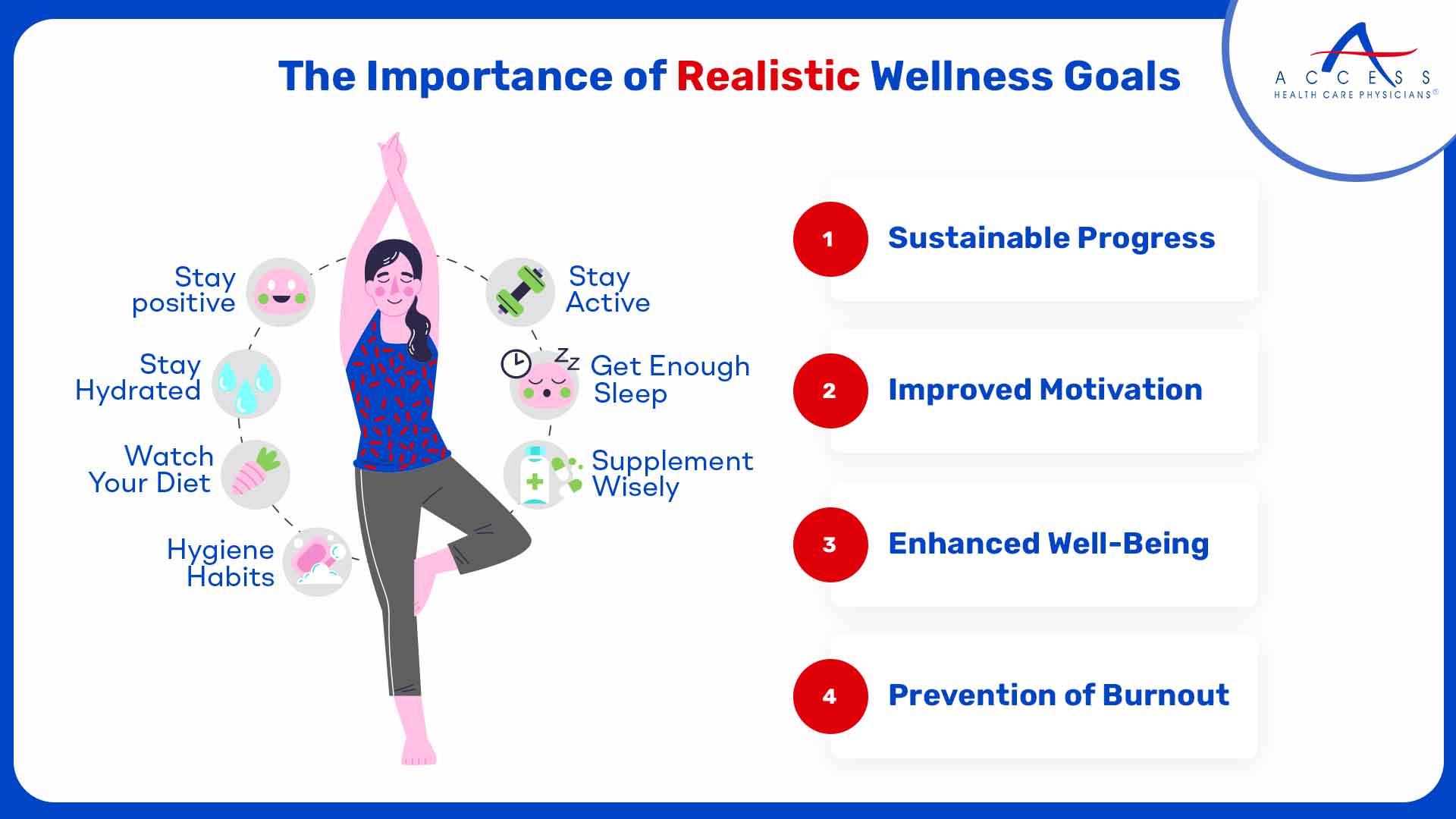
When setting goals for your mental wellness, it’s crucial to prioritize self-care activities. Make time for activities that nourish and rejuvenate your mind, body, and spirit. This could include engaging in hobbies you enjoy, practicing mindfulness or meditation, spending time in nature, or engaging in physical exercise. Prioritizing self-care allows you to recharge, reduce stress levels, and enhance your overall well-being. Remember that self-care is not selfish—it is an essential part of maintaining good mental health.
Learn effective stress management techniques
Stress management is a vital aspect of maintaining mental wellness. Learn and incorporate effective stress management techniques into your daily routine. This could involve practicing deep breathing exercises, engaging in regular physical activity, journaling to process emotions, or seeking relaxation through activities like yoga or tai chi. Experiment with different techniques and find what works best for you. By managing stress effectively, you can minimize its impact on your mental well-being and improve your overall quality of life.
Celebrate achievements and practice self-compassion
Acknowledge and reward your progress
Throughout your mental wellness journey, it’s important to acknowledge and reward your progress. Celebrate your achievements, no matter how small they may seem. Reflect on the effort and dedication you have put towards your goals and give yourself credit for each step forward. Reward yourself in meaningful ways, such as indulging in a favorite activity, treating yourself to something you enjoy, or simply taking a moment to pat yourself on the back. By acknowledging and rewarding your progress, you reinforce positive habits and maintain motivation.
Be kind to yourself and embrace imperfections
While striving for improvement is admirable, it’s important to always be kind to yourself and embrace imperfections. Remember that setbacks and challenges are normal and do not define your worth. Practice self-compassion by treating yourself with understanding, forgiveness, and love. Be patient with yourself as you navigate your mental wellness journey and understand that progress takes time. Embrace imperfections as opportunities for growth and learning. Celebrate the unique qualities that make you who you are, and remember that self-love and self-acceptance are essential components of maintaining good mental health.
Setting achievable and realistic goals for your mental wellness is a deeply personal and transformative process. By reflecting on your current mental state and identifying areas for improvement, defining your values and aligning your goals, creating specific and measurable goals, and developing an action plan, you can take tangible steps towards enhancing your mental well-being. Track your progress, stay motivated, seek support when needed, and prioritize self-care and stress management to ensure a holistic approach to your mental wellness. Celebrate your achievements and practice self-compassion every step of the way, knowing that you are taking important strides towards a healthier and happier mind.
