
Imagine a world where you can find relief from everyday ailments and promote your overall well-being in a natural and sustainable way. With the help of nature’s powerful allies, herbs, this dream can become a reality. In this article, we will explore the top 10 herbs for natural healing, each possessing unique properties that can address a wide array of health concerns. From soothing lavender to immune-boosting echinacea, these herbs have been trusted for centuries in traditional medicine and continue to be embraced by those seeking holistic remedies. Whether you’re looking to ease stress, alleviate pain, or support your immune system, these natural healers have got you covered. Let’s embark on a journey through the plant kingdom and discover the incredible healing potential of these botanical wonders.
Aloe Vera
Benefits of Aloe Vera
Aloe vera is a popular plant that has been used for centuries for its various health benefits. It is known for its soothing and healing properties, making it a versatile herb for natural healing. Some of the key benefits of aloe vera include:
-
Soothing sunburn: Aloe vera has a cooling effect on the skin, making it an excellent remedy for sunburn. Simply apply aloe vera gel or the juice directly to the affected area for quick relief.
-
Healing wounds: Aloe vera has anti-inflammatory properties that can aid in the healing process of wounds. Applying aloe vera gel to cuts, burns, or insect bites can expedite the healing time and reduce the risk of infection.
-
Moisturizing the skin: Aloe vera gel is widely used in skincare products for its moisturizing properties. It helps to hydrate the skin and lock in moisture, making it an ideal natural remedy for dry skin.
-
Relieving digestive issues: Aloe vera juice can help soothe digestive problems such as acid reflux, indigestion, and ulcers. It has a calming effect on the stomach and can alleviate inflammation in the digestive tract.
-
Boosting the immune system: Aloe vera contains various vitamins, minerals, and antioxidants that can strengthen the immune system. Regular consumption of aloe vera juice can help to ward off infections and keep you healthy.
How to Use Aloe Vera for Healing
-
Sunburn relief: Cut open an aloe vera leaf and scoop out the gel. Apply the gel directly to the sunburned area and leave it on for several minutes. Rinse it off with cool water and reapply as needed for soothing relief.
-
Wound healing: Cleanse the wound with mild soap and water, then apply a thin layer of aloe vera gel directly to the affected area. Cover it with a sterile bandage and change the dressing daily until the wound is healed.
-
Skin moisturizer: Take a small amount of aloe vera gel and gently massage it onto your face and body. Allow it to absorb into the skin for a few minutes before rinsing off any excess. Repeat this process daily for hydrated and nourished skin.
-
Digestive aid: Drink a small amount of aloe vera juice before meals to help soothe digestive issues. Start with a small dose and gradually increase if needed. Consult a healthcare professional for specific dosage recommendations.
It’s important to note that while aloe vera is generally safe to use, some individuals may experience allergic reactions or skin irritation. It’s always a good idea to do a patch test before using aloe vera topically, and consult with a healthcare professional before consuming aloe vera juice, especially if you have any underlying health conditions or are taking medications.
Turmeric
Benefits of Turmeric
Turmeric is a vibrant yellow spice commonly used in Indian cuisine. It is also known for its numerous health benefits and has been used in traditional medicine for centuries. Some of the key benefits of turmeric include:
-
Anti-inflammatory properties: Curcumin, the active compound in turmeric, has powerful anti-inflammatory effects. It can help reduce inflammation in the body, making it beneficial for conditions such as arthritis and inflammatory bowel disease.
-
Pain relief: Turmeric has been found to have analgesic properties, helping to reduce pain in conditions like joint pain and muscle soreness. It can be used topically in the form of creams or taken orally as a supplement.
-
Antioxidant activity: Turmeric is rich in antioxidants, which help protect the body against free radicals and oxidative stress. Regular consumption of turmeric may contribute to overall health and reduce the risk of chronic diseases.
-
Support for brain health: Curcumin has shown potential in improving brain function and reducing the risk of neurodegenerative diseases like Alzheimer’s and Parkinson’s. It may also help enhance memory and cognition.
-
Digestive health: Turmeric can aid in digestion by stimulating the production of bile and reducing symptoms of indigestion. It may also have a positive effect on gut health by promoting the growth of beneficial gut bacteria.
How to Use Turmeric for Healing
-
Golden milk: Mix one teaspoon of ground turmeric with a cup of warm milk (you can use plant-based milk as well). Add a pinch of black pepper to enhance the absorption of curcumin. Optional additions include honey or ginger for added flavor. Drink this soothing beverage before bedtime for its relaxing and healing properties.
-
Turmeric paste: Mix turmeric powder with water or coconut oil to form a thick paste. Apply this paste to areas of joint pain or muscle soreness and let it sit for about 15-20 minutes before rinsing off. Repeat this process as needed for pain relief.
-
Turmeric supplements: If you prefer a more convenient option, turmeric supplements are available in capsule or tablet form. Follow the recommended dosage instructions provided by the manufacturer and consult with a healthcare professional before starting any new supplements.
-
Turmeric in cooking: Incorporate turmeric into your daily meals by adding it to curries, soups, stews, or even smoothies. It not only adds a vibrant color to your dishes but also provides the health benefits of curcumin.
Ensure that you purchase high-quality turmeric from reputable sources to ensure its potency and effectiveness. It’s also worth noting that turmeric may interact with certain medications, so it’s essential to consult with a healthcare professional if you have any concerns or are currently taking medications.
By harnessing the power of turmeric, you can enhance your overall well-being and promote natural healing in your body.
Ginger
Benefits of Ginger
Ginger is a flavorful spice widely known for its therapeutic properties. It has been used for centuries in traditional medicine to treat a range of ailments. Some of the key benefits of ginger include:
-
Nausea relief: Ginger has long been used to alleviate nausea and vomiting, particularly in cases of motion sickness, morning sickness during pregnancy, and chemotherapy-induced nausea. It has a soothing effect on the digestive system, making it a natural remedy for an upset stomach.
-
Anti-inflammatory effects: Ginger contains potent anti-inflammatory compounds that can help reduce inflammation in the body. It may be beneficial for individuals with conditions like osteoarthritis and rheumatoid arthritis.
-
Digestive aid: Consuming ginger can stimulate digestion, increase the production of digestive enzymes, and relieve symptoms of indigestion, bloating, and gas. It may also help improve overall gut health by reducing inflammation in the digestive tract.
-
Pain relief: Ginger has analgesic properties that can help reduce pain and inflammation. It can be used topically as a ginger oil or consumed internally as a tea or in meals to alleviate pain caused by conditions like migraines and menstrual cramps.
-
Immune booster: Ginger has immune-enhancing properties due to its antioxidant content. It can help strengthen the immune system and protect against common illnesses such as colds and flu.
How to Use Ginger for Healing
-
Ginger tea: Simmer freshly grated ginger in water for about 10 minutes to create a soothing ginger tea. You can add honey and lemon juice to enhance the flavor and immune-boosting properties. Drink this tea whenever you feel nauseous or as a warming beverage throughout the day.
-
Ginger compress: Soak a clean cloth in ginger-infused hot water, wring out the excess liquid, and apply it to painful or inflamed areas of the body for 15-20 minutes. Repeat this process as needed for pain relief.
-
Ginger oil massage: Mix a few drops of ginger essential oil with a carrier oil like coconut or jojoba oil. Gently massage the oil onto sore muscles or joints for relief from pain and inflammation.
-
Culinary use: Incorporate fresh or ground ginger into your cooking to reap its many benefits. Use it in stir-fries, curries, marinades, salad dressings, or even baked goods for a flavorful and healing addition to your meals.
As with any herb or spice, it’s important to use ginger in moderation and be mindful of any potential allergic reactions or interactions with medications. If you have specific health concerns or are taking medications, consult with a healthcare professional before incorporating ginger into your healing routine.
Garlic
Benefits of Garlic
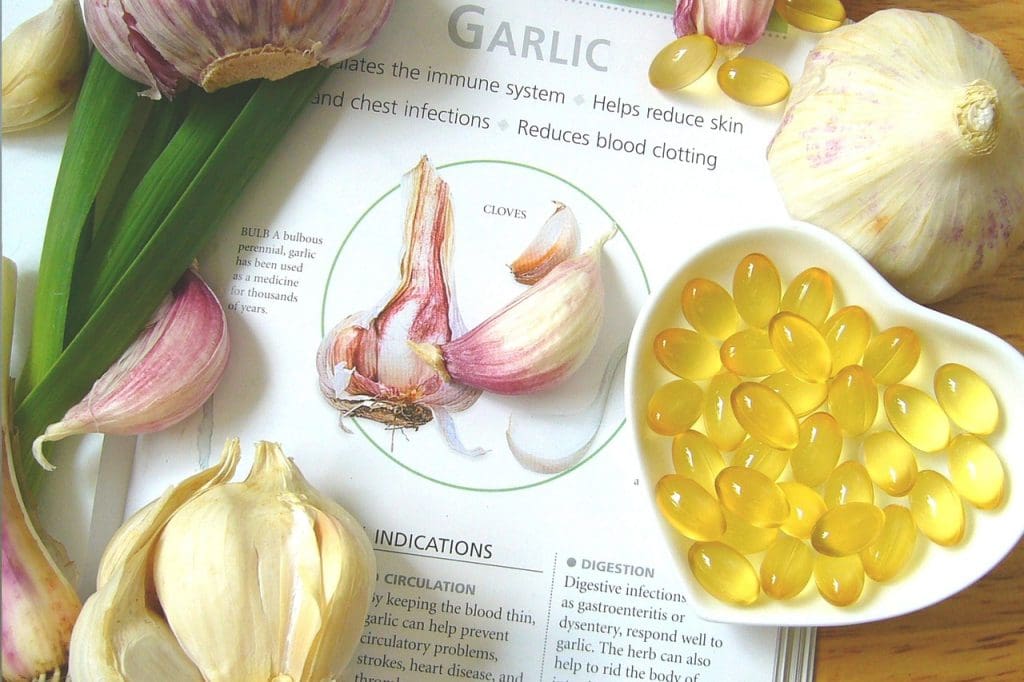
Garlic is a pungent herb revered for its culinary and medicinal properties. It has been used for centuries in various cultures for its potential health benefits. Some of the key benefits of garlic include:
-
Boosting the immune system: Garlic is rich in compounds that can enhance the immune system’s function, helping to ward off infections and reduce the severity and duration of colds and flu.
-
Lowering blood pressure: Garlic has been shown to have a mild hypotensive effect, which can help reduce high blood pressure. Regular consumption of garlic may contribute to better cardiovascular health.
-
Antibacterial and antiviral properties: Garlic contains natural compounds with antibacterial and antiviral properties, making it effective against various pathogens. It can help combat common infections like colds, coughs, and sinusitis.
-
Anti-inflammatory effects: The sulfur compounds in garlic have anti-inflammatory properties that can help reduce inflammation in the body. It may be beneficial for individuals with conditions like arthritis and inflammatory bowel disease.
-
Promoting cardiovascular health: Garlic may have a positive impact on heart health by reducing LDL cholesterol levels, inhibiting platelet aggregation, and improving blood circulation. It may help lower the risk of heart disease.
How to Use Garlic for Healing
-
Raw garlic: Crush or mince a clove of garlic and let it sit for a few minutes to activate its beneficial compounds. Consume it raw or add it to foods like salads, spreads, or soups for maximum health benefits. Start with a small amount if you’re new to consuming raw garlic as it can be strong and cause digestive discomfort in some individuals.
-
Garlic-infused oil: Crush several cloves of garlic and combine them with a carrier oil like olive oil. Let the mixture infuse for a few days, then strain out the garlic solids. Use the garlic-infused oil for cooking or as a topical oil for ear infections or mild skin conditions.
-
Garlic supplements: Garlic supplements are available in the form of capsules or tablets, providing a concentrated dose of garlic’s active compounds. Follow the recommended dosage instructions provided by the manufacturer and consult with a healthcare professional before starting any new supplements.
-
Garlic syrup: Simmer minced garlic in water for about 10 minutes, then strain out the garlic and mix the infused water with honey for a soothing garlic syrup. Take a teaspoon of the syrup daily to support the immune system and overall health.
While garlic is generally safe for consumption, some individuals may experience gastrointestinal discomfort or allergic reactions. If you have specific health concerns, are taking medications, or have upcoming surgeries, consult with a healthcare professional before incorporating garlic into your healing routine.
Echinacea
Benefits of Echinacea
Echinacea, also known as purple coneflower, is a popular herb that has been used for centuries in traditional medicine. It is renowned for its immune-boosting properties and its ability to shorten the duration of colds and flu. Some of the key benefits of echinacea include:
-
Strengthening the immune system: Echinacea stimulates the activity of immune cells, enhancing the body’s natural defense against infections. Regular use of echinacea can help strengthen the immune system and reduce the risk of respiratory infections.
-
Reducing cold and flu symptoms: Echinacea has been found to have antiviral and antimicrobial properties, making it effective in relieving symptoms associated with colds and flu. It can help to shorten the duration of illness and alleviate symptoms such as cough, sore throat, and congestion.
-
Supporting respiratory health: Echinacea can help support the health of the respiratory system by reducing inflammation and promoting healing. It may be beneficial for individuals with conditions like bronchitis, sinusitis, and allergies.
-
Anti-inflammatory effects: The active compounds in echinacea have anti-inflammatory properties that can help reduce inflammation in the body. It may be helpful in managing inflammatory conditions like rheumatoid arthritis and asthma.
-
Wound healing: Echinacea has been used topically to promote wound healing. It can help reduce inflammation, speed up the healing process, and prevent infection when applied to minor cuts, burns, or skin irritations.
How to Use Echinacea for Healing
-
Echinacea tea: Steep one teaspoon of dried echinacea root or herb in a cup of hot water for about 10 minutes. Strain the tea and drink it up to three times a day when you have symptoms of a cold or flu. Add honey and lemon for added flavor and soothing properties.
-
Echinacea tincture: Follow the dosage instructions provided by the manufacturer as tincture strengths may vary. Take the recommended amount when you feel a cold or flu coming on to support your immune system and potentially reduce the severity and duration of illness.
-
Echinacea capsules or tablets: Echinacea supplements are available in the form of capsules or tablets, offering a convenient way to incorporate echinacea into your routine. Follow the recommended dosage instructions provided by the manufacturer and consult with a healthcare professional for specific recommendations.
-
Topical application: For minor wounds or skin irritations, apply a small amount of echinacea cream, ointment, or gel directly to the affected area. Cover it with a sterile bandage if necessary. Repeat this process as needed until the wound or irritation heals.
It’s worth noting that echinacea is generally safe for most individuals, but it may cause allergic reactions in some people. If you have autoimmune disorders, are taking immunosuppressive medication, or have plant-related allergies, consult with a healthcare professional before using echinacea.
Peppermint
Benefits of Peppermint
Peppermint is a refreshing herb known for its invigorating scent and cooling properties. It has been used for generations to support various aspects of health and well-being. Some of the key benefits of peppermint include:
-
Digestive support: Peppermint has long been used to ease digestive discomfort and soothe conditions like indigestion, bloating, and irritable bowel syndrome (IBS). It has antispasmodic properties that can relax the muscles of the gastrointestinal tract.
-
Headache relief: Peppermint oil applied topically or inhaled can help relieve tension headaches and migraines. It has a cooling and calming effect, which can alleviate headache pain and reduce the intensity of symptoms.
-
Respiratory health: Peppermint has decongestant properties that can help clear the airways and relieve symptoms of respiratory conditions like sinusitis and congestion due to a cold or allergies. Inhaling peppermint steam or using peppermint oil in a diffuser can provide relief.
-
Mental alertness: The aroma of peppermint has been shown to improve cognitive function, memory, and alertness. Inhaling peppermint oil or using peppermint-infused products can help boost mental clarity and enhance focus.
-
Natural insect repellent: Peppermint oil has insect-repelling properties that can help keep mosquitoes, ants, and spiders at bay. Dabbing a few drops of peppermint oil or using a peppermint spray can act as a natural deterrent.
How to Use Peppermint for Healing
-
Peppermint tea: Steep a handful of fresh peppermint leaves or a teaspoon of dried peppermint leaves in a cup of hot water for about 10 minutes. Strain the tea and enjoy it to relieve digestive discomfort or as a soothing beverage before bedtime.
-
Peppermint oil massage: Dilute a few drops of peppermint oil in a carrier oil like coconut oil and gently massage it onto the temples, forehead, or neck to alleviate tension headaches or migraines. Avoid contact with the eyes and sensitive areas of the skin.
-
Peppermint inhalation: Add a few drops of peppermint oil to a bowl of hot water and inhale the steam by covering your head with a towel. Breathe deeply for several minutes to clear congestion and relieve respiratory symptoms.
-
Peppermint-infused products: Look for peppermint-infused topical products like creams, balms, or salves to apply to areas of muscle soreness or tension for relief. Be sure to follow the instructions provided by the manufacturer.
-
Peppermint spray: Mix a few drops of peppermint oil with water in a spray bottle and use it as a natural insect repellent. Spray it in areas where insects are a nuisance or directly on exposed skin before going outdoors.
Peppermint is generally safe for most individuals, but it may cause allergic reactions or skin irritation in some people. If you have specific health concerns or are pregnant or breastfeeding, consult with a healthcare professional before using peppermint products.
Chamomile
Benefits of Chamomile
Chamomile is a gentle herb with a delicate floral aroma that has been used for centuries for its calming and soothing properties. It is widely known for its ability to promote relaxation and improve sleep. Some of the key benefits of chamomile include:
-
Sleep aid: Chamomile tea is renowned for its sleep-inducing properties. Drinking a cup of chamomile tea before bedtime can help relax the mind and body, promoting a restful night’s sleep. It can be particularly beneficial for individuals with insomnia or those experiencing stress or anxiety.
-
Relaxation and stress relief: Chamomile has natural sedative qualities that can help calm the mind and reduce stress and anxiety. Inhaling the aroma of chamomile essential oil or using chamomile-infused products can also have a soothing effect.
-
Digestive support: Chamomile can help ease digestive discomfort, such as indigestion, bloating, and gas. It has antispasmodic properties that can relax the muscles of the gastrointestinal tract and alleviate symptoms of irritable bowel syndrome (IBS).
-
Skin irritation relief: Chamomile has anti-inflammatory and antimicrobial properties that can help soothe skin irritations and promote healing. Applying chamomile-infused creams or using chamomile tea compresses can provide relief for conditions like eczema, rashes, or sunburns.
-
Menstrual cramp relief: Chamomile tea or capsules may help alleviate menstrual cramps and reduce the severity of other symptoms associated with menstruation, such as mood swings and bloating. It can provide gentle relief without the side effects commonly associated with over-the-counter pain medications.
How to Use Chamomile for Healing
-
Chamomile tea: Steep a chamomile tea bag or a teaspoon of dried chamomile flowers in a cup of hot water for about 10 minutes. Strain the tea and sip it slowly before bedtime or whenever you need to relax and unwind.
-
Chamomile-infused bath: Add a handful of dried chamomile flowers or a few chamomile tea bags to your bathwater for a soothing and calming bath experience. Soak in the bath for at least 15 minutes to promote relaxation and relieve muscle tension.
-
Chamomile oil massage: Dilute a few drops of chamomile essential oil in a carrier oil like sweet almond or jojoba oil. Gently massage the oil onto the skin to soothe irritations, reduce inflammation, or promote relaxation and stress relief.
-
Chamomile compress: Steep chamomile tea bags in hot water, then let them cool. Apply the cooled tea bags directly to tired or puffy eyes for a refreshing and soothing effect. You can also apply chamomile tea compresses to skin irritations or minor wounds.
While chamomile is generally safe for most individuals, some people may experience allergic reactions. If you have specific health concerns, are pregnant or breastfeeding, or are taking medications, consult with a healthcare professional before using chamomile.
Lavender
Benefits of Lavender
Lavender is an aromatic herb known for its calming and relaxing properties. It has been used for centuries in traditional medicine and aromatherapy to promote well-being and improve sleep. Some of the key benefits of lavender include:
-
Relaxation and stress relief: The scent of lavender has a calming effect on the nervous system, helping to reduce stress and anxiety. Inhaling lavender essential oil or using lavender-infused products can promote relaxation and improve overall mood.
-
Sleep aid: Lavender is commonly used as a natural remedy for insomnia and sleep disturbances. The scent of lavender can promote deep and restful sleep, making it beneficial for individuals with sleep disorders or those experiencing temporary sleep disruptions.
-
Headache and migraine relief: Lavender oil applied topically or inhaled can help alleviate tension headaches and migraines. Its analgesic and calming properties can reduce pain and provide a soothing effect.
-
Skin irritation and inflammation relief: Lavender has anti-inflammatory and antimicrobial properties, making it effective in soothing skin irritations, reducing inflammation, and promoting healing. It can be used topically to alleviate conditions like acne, dermatitis, or minor burns.
-
Boosting mood and mental well-being: Lavender has mood-enhancing properties that can help improve overall mental well-being. It may reduce symptoms of depression and anxiety and promote a sense of calm and relaxation.
How to Use Lavender for Healing
-
Lavender essential oil: Add a few drops of lavender essential oil to a diffuser, or inhale directly from the bottle, to promote relaxation and create a calming environment. You can also dilute lavender oil in a carrier oil and apply it to the wrists, temples, or behind the ears for a soothing effect.
-
Lavender-infused bath: Add a few drops of lavender essential oil or a handful of dried lavender flowers to your bathwater for a luxurious and aromatic bath experience. Soak in the bath for at least 15 minutes to promote relaxation and alleviate muscle tension.
-
Lavender pillow spray: Fill a spray bottle with water and add a few drops of lavender essential oil. Spray your pillow and bedding before bedtime to create a calming environment and promote restful sleep.
-
Lavender-infused massage oil: Dilute a few drops of lavender essential oil in a carrier oil like sweet almond or jojoba oil. Gently massage the oil onto the skin to promote relaxation, relieve muscle tension, or soothe skin irritations.
-
Lavender tea: Steep a teaspoon of dried lavender flowers in a cup of hot water for about 10 minutes. Strain the tea and sweeten with honey if desired. Sip the tea before bedtime to relax the mind and promote restful sleep.
Lavender is generally safe for most individuals, but some people may experience allergic reactions or skin irritation. If you have specific health concerns, are pregnant or breastfeeding, or are taking medications, consult with a healthcare professional before using lavender.
Rosemary
Benefits of Rosemary
Rosemary is an aromatic herb widely used in culinary dishes and traditional medicine. It is known for its distinct flavor and potential health benefits. Some of the key benefits of rosemary include:
-
Cognitive function support: Rosemary has been traditionally used to enhance memory and cognitive function. It contains compounds that may improve focus, mental clarity, and overall brain health.
-
Antioxidant properties: Rosemary is rich in antioxidants that can help protect against free radicals and oxidative stress. Regular consumption of rosemary may contribute to overall health and reduce the risk of chronic diseases.
-
Digestive support: Rosemary can aid digestion by stimulating the production of digestive enzymes and reducing symptoms of indigestion, bloating, and gas. It may also help relieve stomach cramps and improve overall gut health.
-
Anti-inflammatory effects: The active compounds in rosemary have anti-inflammatory properties that can help reduce inflammation in the body. It may be beneficial for individuals with conditions like arthritis or inflammatory bowel disease.
-
Hair and scalp health: Rosemary has been used topically to promote hair growth and improve scalp health. It can help stimulate circulation to the scalp, strengthen hair follicles, and reduce dandruff.
How to Use Rosemary for Healing
-
Culinary use: Incorporate fresh or dried rosemary into your cooking to reap its many benefits. Use it in marinades, sauces, roasted vegetables, or meat dishes for a flavorful and aromatic addition to your meals.
-
Rosemary oil infusion: Add a few sprigs of fresh rosemary to a bottle of olive oil or jojoba oil. Let the mixture infuse for a few days, then strain out the rosemary. Use the rosemary-infused oil for cooking or as a hair and scalp treatment.
-
Rosemary tea: Steep a teaspoon of dried rosemary leaves in a cup of hot water for about 10 minutes. Strain the tea and sip it after meals to aid digestion or whenever you need a cognitive boost. You can sweeten the tea with honey if desired.
-
Rosemary-infused water: Boil a handful of fresh rosemary sprigs in water for about 15 minutes. Let it cool, then transfer the rosemary-infused water to a spray bottle. Use the spray as a refreshing facial mist or as a natural hair rinse after shampooing.
While rosemary is generally safe for most individuals, it may cause allergic reactions or interact with certain medications. If you have specific health concerns, are pregnant or breastfeeding, or are taking medications, consult with a healthcare professional before using rosemary.
Oregano
Benefits of Oregano
Oregano is a flavorful herb commonly used in Mediterranean cuisine. It is rich in essential oils and has been used for centuries for its potential health benefits. Some of the key benefits of oregano include:
-
Antimicrobial effects: Oregano contains compounds that have been shown to have antimicrobial properties, making it effective against various pathogens. It can help combat infections caused by bacteria, fungi, or parasites.
-
Digestive aid: Oregano can stimulate digestion and increase the secretion of digestive enzymes. It may help relieve symptoms of indigestion, bloating, and gas, and promote overall digestive health.
-
Anti-inflammatory properties: The active compounds in oregano have anti-inflammatory effects that can help reduce inflammation in the body. It may be beneficial for individuals with conditions like arthritis or inflammatory bowel disease.
-
Respiratory health support: Oregano has been traditionally used to alleviate symptoms of respiratory conditions like coughs, colds, and bronchitis. It has expectorant properties that can help loosen mucus and relieve congestion.
-
Antioxidant activity: Oregano is rich in antioxidants that can help protect against free radicals and oxidative stress. Regular consumption of oregano may contribute to overall health and reduce the risk of chronic diseases.
How to Use Oregano for Healing
-
Culinary use: Sprinkle fresh or dried oregano on pizzas, pasta dishes, roasted vegetables, or salads to enhance their flavor and reap the health benefits of oregano. It pairs well with other Mediterranean herbs like basil and thyme.
-
Oregano oil: Oregano essential oil is highly concentrated and should be used with caution. When diluted in a carrier oil like olive oil or coconut oil, it can be applied topically to skin infections or used as a natural insect repellent. Do a patch test before applying oregano oil to the skin and consult with a healthcare professional or aromatherapist for proper dilution ratios.
-
Oregano tea: Steep a teaspoon of dried oregano leaves in a cup of hot water for about 10 minutes. Strain the tea and sweeten with honey if desired. Sip the tea to aid digestion or soothe respiratory symptoms.
-
Oregano-infused vinegar: Add a handful of fresh oregano sprigs to a bottle of apple cider vinegar or white vinegar. Let the mixture infuse for a few weeks, then strain out the oregano. Use the oregano-infused vinegar as a salad dressing or as a natural cleaning solution.
While oregano is generally safe for most individuals, it may cause allergic reactions or interact with certain medications. If you have specific health concerns, are pregnant or breastfeeding, or are taking medications, consult with a healthcare professional before using oregano.
Incorporating these herbs into your daily routine can provide a natural and holistic approach to healing and well-being. Whether you enjoy them in teas, infusions, oils, or as culinary ingredients, these herbs offer a range of benefits for your overall health. As always, it’s important to consult with a healthcare professional or herbalist before starting any new herbal regimen, especially if you have underlying health conditions or are taking medications. Embrace the power of nature and harness the potential of these top 10 herbs for natural healing.