
Welcome to the ultimate guide on managing anger and frustration! In this article, you will discover the top 10 strategies that will help you navigate through challenging emotions and maintain a sense of peace and calmness in your daily life. From deep breathing exercises to practicing mindfulness, these practical tips will empower you to take control of your emotions and improve your overall well-being. So grab a cup of tea, sit back, and let’s explore these effective strategies together.
Are you feeling overwhelmed with anger and frustration?
It’s important to know that you’re not alone. Feeling angry and frustrated is a normal human emotion that everyone experiences from time to time. In this article, we’ll explore the top 10 strategies for managing anger and frustration that can help you navigate these emotions in a healthy way.
Understanding Anger and Frustration
Let’s start by understanding what anger and frustration actually are. Anger is an emotional response to a perceived threat, injustice, or frustration, while frustration is the feeling of being upset or annoyed when things don’t go as planned. By recognizing and understanding these emotions, you can begin to address them effectively.
Practice Deep Breathing Techniques
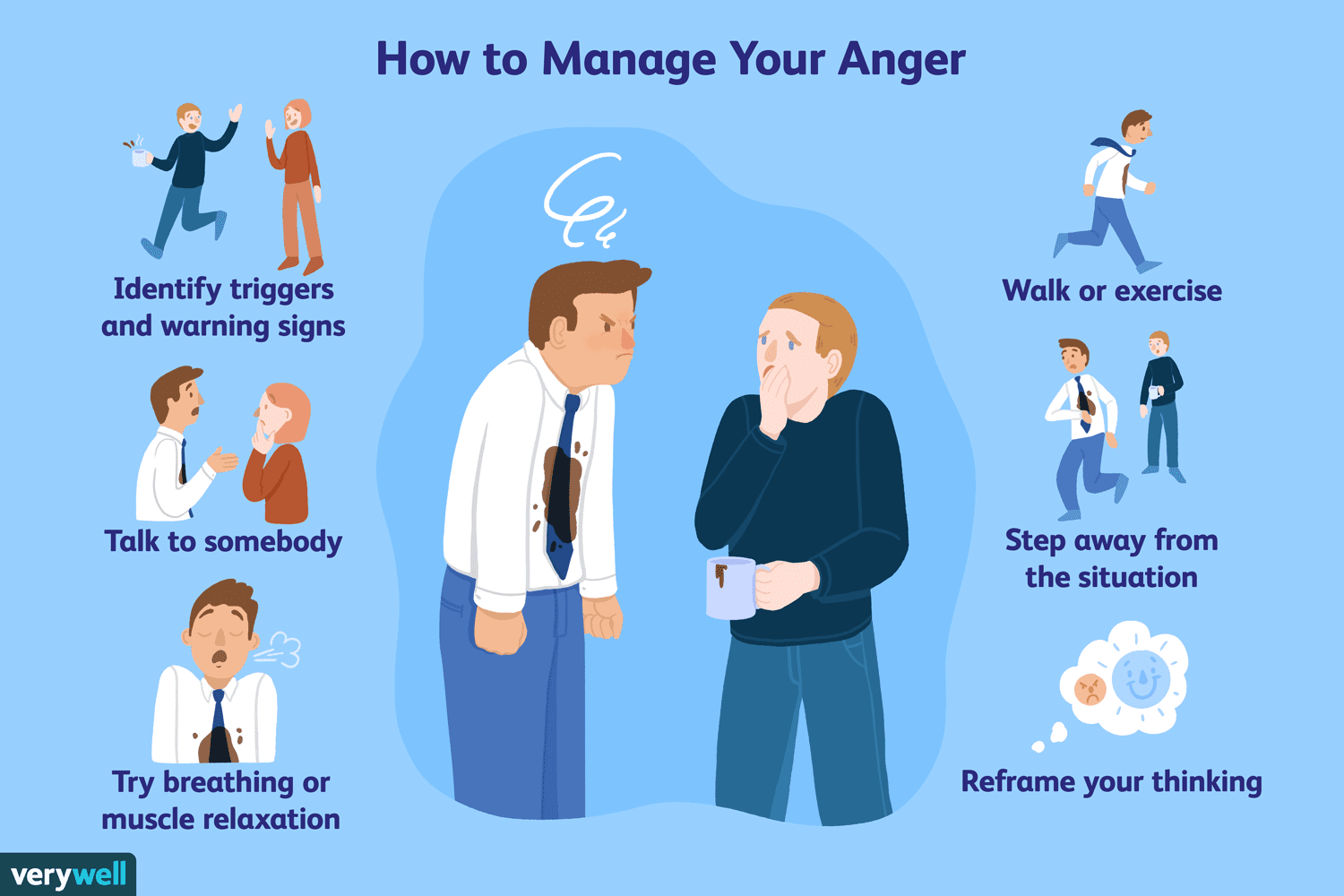
When you start to feel anger or frustration building up, take a moment to focus on your breath. Deep breathing exercises can help calm your mind and body, reducing the intensity of your emotions. Try breathing in slowly through your nose, holding it for a few seconds, and then exhaling slowly through your mouth.
Engage in Physical Activity
Physical activity is a great way to release pent-up energy and reduce feelings of anger and frustration. Whether it’s going for a run, hitting the gym, or taking a walk outside, moving your body can help improve your mood and perspective. Find an activity that you enjoy and make it a regular part of your routine.
Practice Mindfulness and Meditation
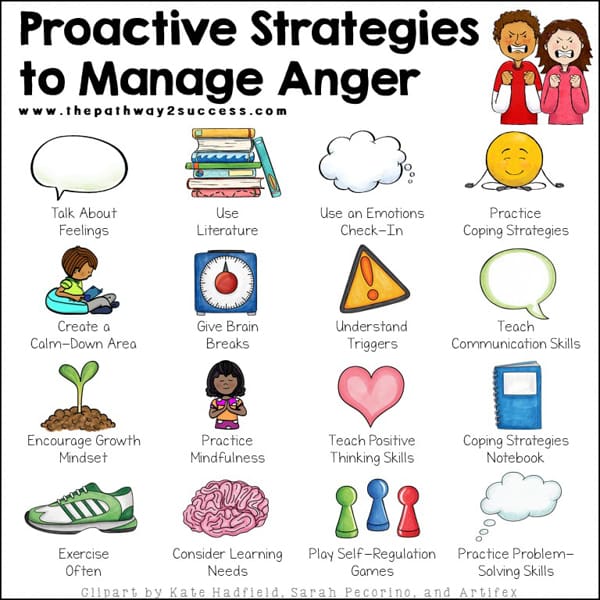
Mindfulness and meditation can help you become more aware of your emotions and reactions, allowing you to respond to them in a more calm and centered way. Take a few minutes each day to practice mindfulness or meditation, focusing on the present moment and letting go of negative thoughts and emotions.
Use Positive Self-Talk
Negative self-talk can worsen feelings of anger and frustration, leading to a cycle of negativity. Challenge negative thoughts with positive affirmations and self-talk. Remind yourself that it’s okay to feel angry or frustrated, but that these emotions don’t define you. Replace negative thoughts with positive ones to shift your mindset.
Seek Support from Others
Don’t be afraid to reach out to friends, family, or a therapist when you’re struggling with anger and frustration. Talking to someone you trust can provide a different perspective and offer support and guidance. Sharing your feelings with others can help you feel less alone and more understood.
Practice Problem-Solving Skills
Sometimes, anger and frustration arise from feeling stuck or overwhelmed by a certain situation. Develop problem-solving skills to help you navigate challenges more effectively. Break down the problem into smaller steps, brainstorm potential solutions, and take action to address the issue at hand.
Set Boundaries and Say No
It’s important to set boundaries and prioritize your well-being when managing anger and frustration. Learn to say no to things that don’t serve you or that add unnecessary stress to your life. By setting boundaries, you can prevent feelings of anger and frustration from escalating.
Take Time for Yourself
Self-care is essential when it comes to managing anger and frustration. Make time for activities that bring you joy and relaxation, whether it’s reading a book, taking a bath, or engaging in a hobby. Taking care of yourself allows you to recharge and approach challenges with a clearer mind.
Practice Gratitude and Positivity
Gratitude and positivity can help shift your mindset from focusing on what’s wrong to what’s going right in your life. Take a moment each day to reflect on things you’re grateful for and practice positive thinking. By cultivating gratitude and positivity, you can reduce feelings of anger and frustration.
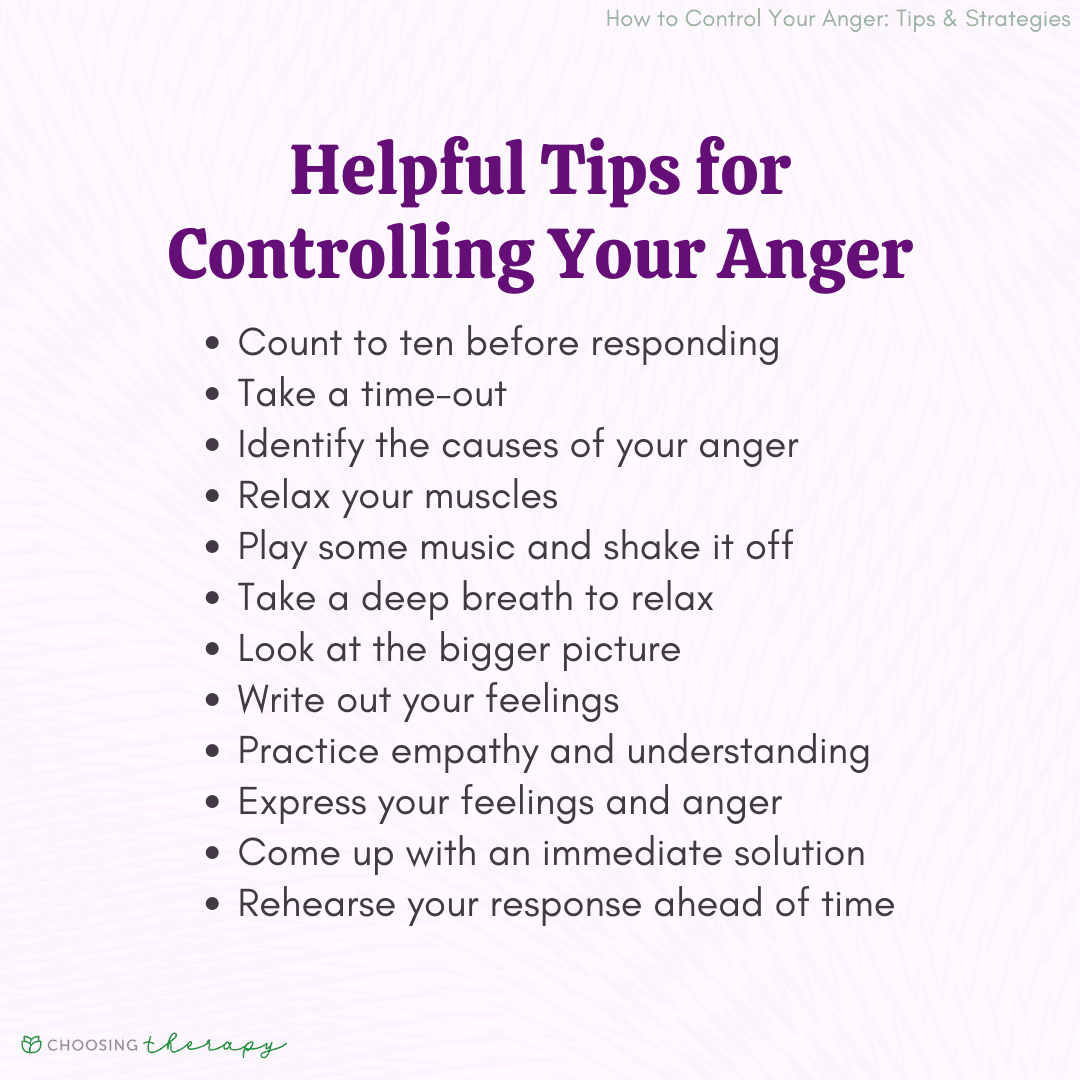
Know When to Seek Professional Help
If you’re struggling to manage your anger and frustration on your own, it’s important to seek professional help. A therapist or counselor can provide you with additional support, tools, and strategies to address these emotions effectively. Don’t hesitate to reach out for help when you need it.
Conclusion
Managing anger and frustration is a skill that takes time and practice to develop. By incorporating these top 10 strategies into your daily life, you can learn to navigate these challenging emotions in a healthy and constructive way. Remember that it’s okay to feel angry or frustrated, but it’s important to address these emotions in a way that promotes your well-being. Take small steps each day to implement these strategies and see how they can positively impact your life.