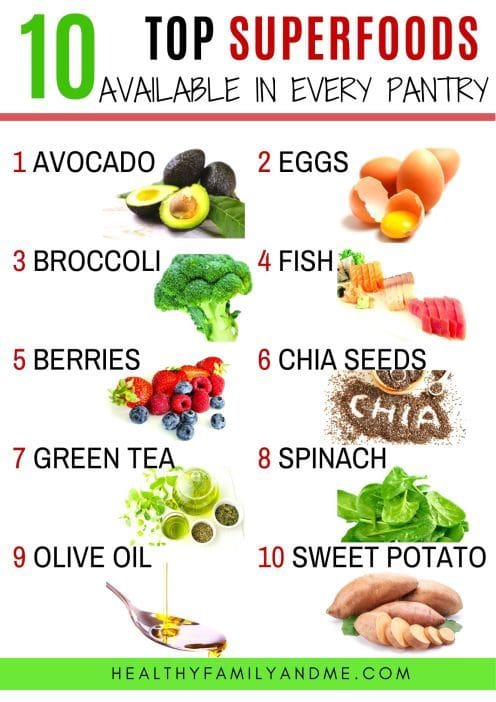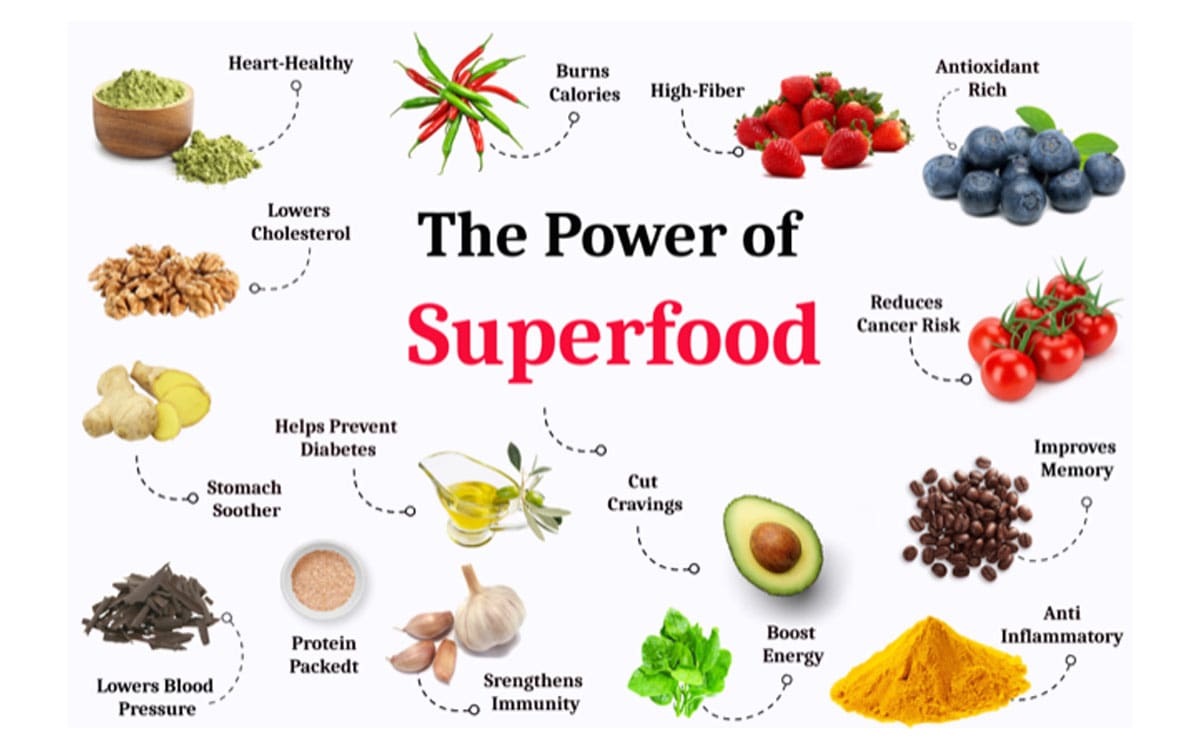
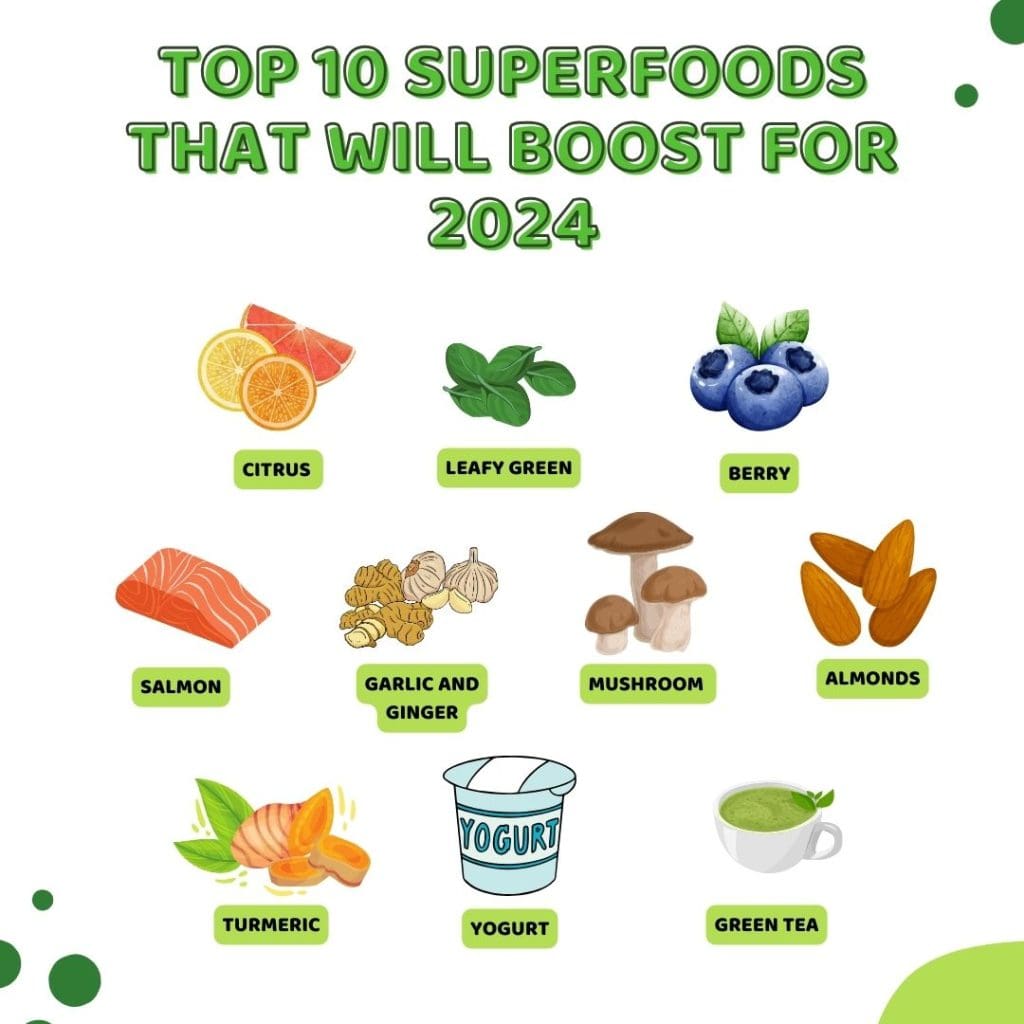
In this article, you will discover the top 10 superfoods that can enhance your holistic nutrition. These nutrient-packed wonders not only provide an array of health benefits but also promote overall well-being. From vibrant berries bursting with antioxidants to nutrient-dense leafy greens, incorporating these superfoods into your diet can help nourish your body and support a balanced lifestyle. Whether you’re looking to boost your energy levels, support your immune system, or maintain a healthy weight, these superfoods are here to give you a natural nutritional boost. Get ready to revamp your daily menu and unlock the incredible power of these top 10 superfoods!
Avocado
High in Healthy Fats
Avocado is renowned for its high content of healthy fats. These fats, known as monounsaturated fats, are incredibly beneficial for your body. They not only help to reduce bad cholesterol levels but also promote good heart health. Consuming avocados regularly can contribute to maintaining a balanced diet.
Loaded with Fiber
In addition to being high in healthy fats, avocados are also loaded with fiber. Fiber is essential for healthy digestion as it helps to regulate bowel movements and prevent constipation. The fiber content in avocados can also contribute to a feeling of fullness, making it a great choice for weight management.
Rich in Vitamins and Minerals
Avocados are packed with a wide range of vitamins and minerals that are essential for your overall health. They are particularly rich in vitamin K, vitamin E, vitamin C, and B vitamins. These nutrients play a crucial role in keeping your immune system strong, protecting your body against illnesses, and promoting healthy skin.
Promotes Healthy Digestion
The high fiber content in avocados makes it a fantastic food for promoting healthy digestion. Fiber acts as a natural laxative, helping to maintain regular bowel movements and prevent digestive issues. Including avocados in your diet can contribute to a healthier digestive system and reduce the risk of various digestive problems.
Supports Weight Management
Avocados can be a valuable addition to your weight management routine. Although they are high in healthy fats, avocados are also low in carbohydrates and contain a good amount of fiber. This combination can help you feel satisfied and full for longer, reducing the temptation to snack on unhealthy foods. Including avocados in your meals can contribute to a well-balanced diet and support your weight management goals.
Blueberries
Packed with Antioxidants
Blueberries are often referred to as a superfood due to their high antioxidant content. Antioxidants help to combat free radicals in your body, which can cause oxidative stress and damage to cells. Consuming blueberries regularly can help protect your body against various diseases and promote overall health.
Improves Brain Function
Blueberries have been linked to improved brain function and cognitive health. The antioxidants and other beneficial compounds in blueberries can help to enhance memory, concentration, and overall brain performance. Adding blueberries to your diet may have long-term benefits for brain health and may even reduce the risk of age-related cognitive decline.
Boosts Immune System
Blueberries are an excellent source of several essential vitamins and minerals that are crucial for a healthy immune system. They contain high amounts of vitamin C, vitamin A, and various antioxidants that can help to strengthen your immune defense. Regular consumption of blueberries can help you ward off illnesses and maintain your overall well-being.
Supports Heart Health
The antioxidants found in blueberries, such as anthocyanins, have been associated with improved heart health. These compounds can help to reduce inflammation, relax blood vessels, and lower blood pressure. Including blueberries in your diet can be a delicious way to promote a healthy heart and reduce the risk of cardiovascular diseases.
Reduces Inflammation
Inflammation is a common factor in many chronic diseases. Blueberries have anti-inflammatory properties that can help to alleviate inflammation throughout your body. Consuming blueberries regularly may contribute to reduced inflammation, leading to improved overall health and a lowered risk of various diseases.
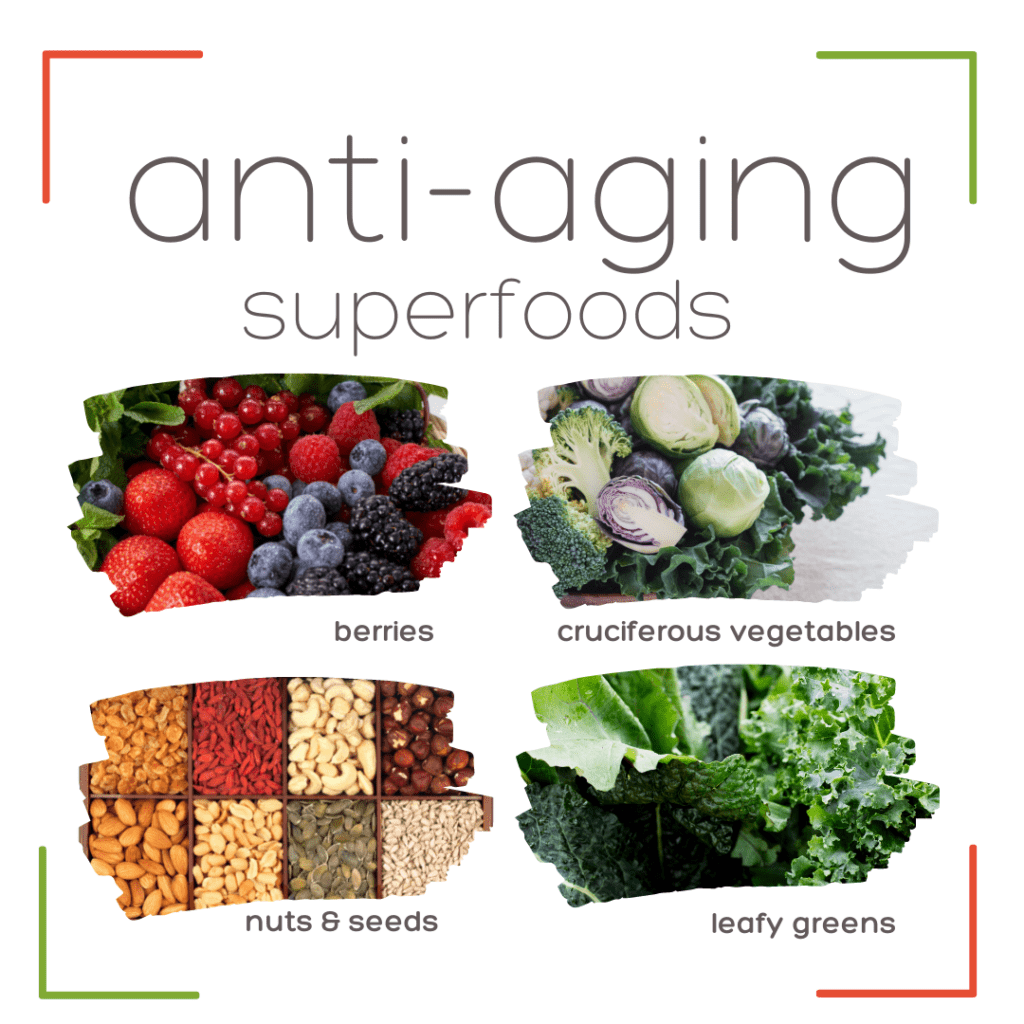
Chia Seeds
Excellent Source of Omega-3 Fatty Acids
Chia seeds are tiny powerhouses packed with beneficial nutrients, including omega-3 fatty acids. Omega-3s are essential for brain health, reducing inflammation, and supporting heart health. Chia seeds provide an excellent plant-based source of these important fatty acids, making them a fantastic addition to any diet.
Provides Fiber and Protein
Chia seeds are rich in both fiber and protein, making them a great choice for promoting digestive health and maintaining muscle integrity. The fiber content in chia seeds can help regulate bowel movements and prevent constipation. The protein content is essential for maintaining and repairing tissues in your body.
Rich in Essential Minerals
Chia seeds are also rich in essential minerals such as calcium, magnesium, and phosphorus. These minerals are crucial for maintaining strong bones and teeth, supporting proper muscle function, and regulating blood pressure. Adding chia seeds to your diet can help ensure you are getting an adequate intake of these important minerals.
Promotes Healthy Skin
The high omega-3 fatty acid content in chia seeds can contribute to healthy, glowing skin. Omega-3s help to nourish skin cells, reduce inflammation, and protect against damage caused by free radicals. Including chia seeds in your diet can promote overall skin health and give your complexion a natural radiance.
Aids in Digestion
Thanks to their high fiber content, chia seeds can aid in digestion and promote a healthy gut. Fiber is essential for maintaining regular bowel movements and preventing digestive issues such as constipation. Chia seeds can be easily incorporated into your diet by adding them to smoothies, yogurt, or even as a topping on salads or desserts.
Kale
Nutrient-Dense Green Leafy Vegetable
Kale is often hailed as a nutritional powerhouse due to its incredible nutrient density. It is packed with vitamins A, C, and K, as well as folate and various minerals. Including kale in your diet can be an excellent way to ensure you are getting a wide range of essential nutrients.
High in Vitamins and Minerals
Kale is particularly high in vitamins A, C, and K, which are crucial for a healthy immune system, strong bones, and healthy skin. It also contains minerals like calcium, magnesium, and potassium that support proper muscle and nerve function. Adding kale to your diet can help you meet your daily requirements of these important vitamins and minerals.
Powerful Antioxidant Properties
Kale is rich in antioxidants, including beta-carotene and flavonoids, which help protect your cells against damage caused by free radicals. Antioxidants play a vital role in reducing inflammation, promoting heart health, and preventing chronic diseases. Consuming kale regularly can supply your body with a good amount of these beneficial antioxidants.
Supports Detoxification
Kale contains compounds that support the liver’s detoxification process, helping your body eliminate toxins and waste more efficiently. This aids in overall detoxification and can contribute to improved overall health. Including kale in your meals is an excellent way to naturally support your body’s detoxification processes.
Strengthens Immune System
The high content of vitamins A, C, and K in kale makes it an ideal food for strengthening your immune system. These vitamins play a crucial role in maintaining the health and function of your immune cells. Consuming kale regularly can help support a robust immune system and reduce the risk of infections and diseases.
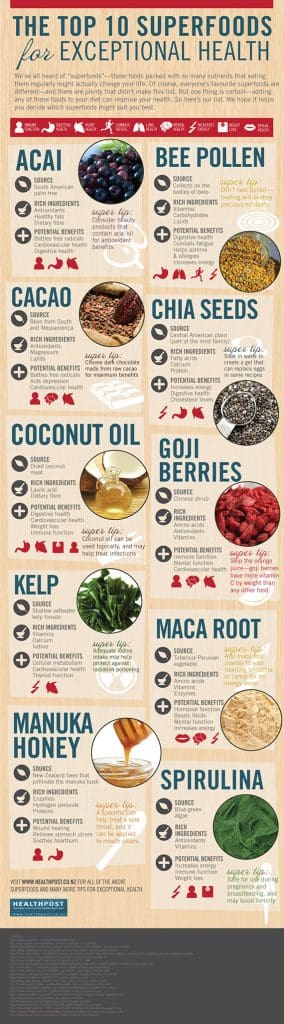
Quinoa
Complete Protein Source
Quinoa is an incredible source of plant-based protein, containing all nine essential amino acids. Protein is vital for muscle growth, tissue repair, and many other essential functions in your body. Quinoa is an excellent choice for vegetarians, vegans, or anyone looking to increase their protein intake.
Rich in Fiber
Quinoa is also rich in dietary fiber, which supports healthy digestion and can contribute to feelings of satiety. Fiber aids in regulating bowel movements and prevents constipation, promoting a healthy gut. Including quinoa in your meals can help ensure you are meeting your daily fiber requirements.
Contains Essential Amino Acids
Quinoa contains all nine essential amino acids, making it a complete protein source. Essential amino acids are not produced by the body and must be obtained through diet. Including quinoa in your meals can help you meet your daily requirements of these essential amino acids and support various bodily functions.
Packed with Vitamins and Minerals
Quinoa is packed with vitamins and minerals, including magnesium, phosphorus, manganese, and folate. These nutrients are essential for proper muscle and nerve function, strong bones, and energy production. Adding quinoa to your diet can be an excellent way to boost your intake of these important vitamins and minerals.
Gluten-Free and Easily Digestible
For individuals with gluten sensitivities or celiac disease, quinoa is a fantastic option as it is naturally gluten-free. It is also easily digestible, making it a gentle option for those with sensitive stomachs. Quinoa can be incorporated into a variety of dishes, such as salads, soups, or used as a rice substitute.
Salmon
Excellent Source of Omega-3 Fatty Acids
Salmon is widely recognized as one of the best sources of omega-3 fatty acids. These essential fats are incredibly beneficial for your overall health, supporting brain function, reducing inflammation, and promoting heart health. Including salmon in your diet can be an excellent way to ensure an adequate intake of omega-3s.
High in Protein
Salmon is also a great source of lean protein. Protein is essential for various functions in your body, including muscle growth, tissue repair, and the production of enzymes and hormones. Consuming salmon regularly can help you meet your protein needs and support overall health and well-being.
Promotes Heart Health
The omega-3 fatty acids found in salmon have been widely studied for their beneficial effects on heart health. These fats can help to reduce inflammation, lower blood pressure, and improve cholesterol levels. Including salmon in your diet can contribute to a healthy heart and reduce the risk of cardiovascular diseases.
Supports Brain Function
The omega-3 fatty acids in salmon, particularly DHA and EPA, are crucial for brain health and functioning. These fats are essential for maintaining the structure and function of brain cells, promoting cognition, and reducing the risk of cognitive decline. Adding salmon to your diet can support optimal brain function and overall mental well-being.
Boosts Mood and Energy
Salmon’s high omega-3 fatty acid content has also been linked to improved mood and increased energy levels. Omega-3s play a role in promoting the production of neurotransmitters that regulate mood, such as serotonin and dopamine. Consuming salmon regularly can contribute to a more positive mood and enhanced energy levels.
Spinach
Superfood Leafy Green
Spinach is often referred to as a superfood due to its exceptional nutrient profile. It is low in calories but high in essential vitamins and minerals. Including spinach in your diet can be a great way to boost your overall nutrient intake without adding excessive calories.
Loaded with Vitamins and Minerals
Spinach is packed with vitamins A, C, and K, as well as folate, iron, and calcium. These nutrients are essential for maintaining healthy bones, supporting proper muscle function, and promoting a healthy immune system. Consuming spinach regularly can help meet your daily vitamin and mineral needs.
Abundant in Antioxidants
Spinach is rich in antioxidants that help protect your cells from damage caused by free radicals. These antioxidants can reduce inflammation, promote heart health, and prevent chronic diseases. Making spinach a regular part of your diet can supply your body with a wide range of these beneficial antioxidants.
Boosts Eye Health
Spinach contains high levels of lutein and zeaxanthin, antioxidants that are particularly beneficial for your eye health. These antioxidants help to protect your eyes from harmful blue light and reduce the risk of age-related macular degeneration. Consuming spinach regularly can support healthy vision and maintain optimal eye health.
Supports Bone Health
Spinach is an excellent source of calcium, a mineral crucial for maintaining strong and healthy bones. It also contains vitamin K, which works alongside calcium to promote proper bone mineralization. Including spinach in your meals can contribute to maintaining optimal bone health and reducing the risk of osteoporosis.
Sweet Potatoes
Rich in Fiber and Antioxidants
Sweet potatoes are not only delicious but also packed with beneficial nutrients. They are rich in fiber and antioxidants, making them an excellent addition to a healthy diet. The fiber content in sweet potatoes can support healthy digestion and prevent constipation, while the antioxidants help protect your cells from damage caused by free radicals.
High in Vitamins and Minerals
Sweet potatoes are loaded with vitamins, particularly vitamins A and C, as well as several minerals. Vitamin A is crucial for maintaining healthy vision, promoting immune function, and supporting cell growth. Vitamin C is known for its immune-boosting properties and role in collagen production. Including sweet potatoes in your meals can help ensure you are getting these essential vitamins and minerals.
Promotes Gut Health
The high fiber content in sweet potatoes can promote a healthy gut by supporting regular bowel movements and preventing constipation. Fiber acts as a prebiotic, providing nourishment to beneficial gut bacteria. Ensuring a healthy gut is essential for overall well-being, and including sweet potatoes in your diet can contribute to that.
Supports Healthy Skin
Sweet potatoes are a great source of beta-carotene, a precursor to vitamin A that is essential for healthy skin. Beta-carotene is converted into vitamin A in your body, which helps to protect your skin from damage caused by free radicals, promotes skin cell turnover, and reduces inflammation. Consuming sweet potatoes regularly can promote a radiant and youthful complexion.
Enhances Immune Function
The vitamins and minerals found in sweet potatoes, particularly vitamins A and C, are crucial for maintaining a strong and healthy immune system. Vitamin A plays a role in regulating immune responses, while vitamin C is known for its immune-boosting properties. Including sweet potatoes in your diet can support proper immune function and help protect against illnesses.
Turmeric
Powerful Anti-Inflammatory Properties
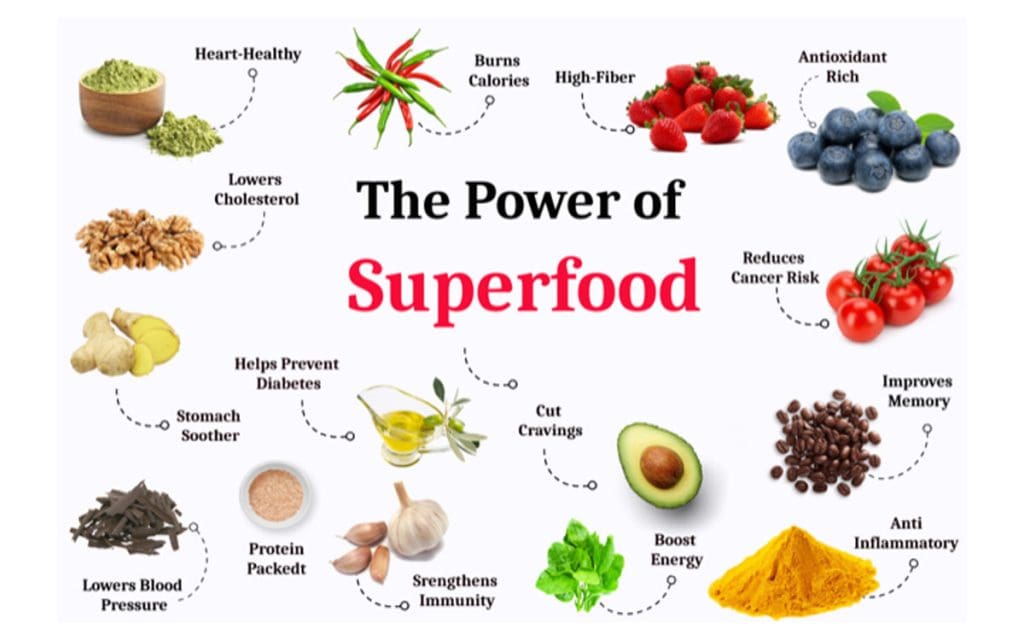
Turmeric is a bright yellow spice that has been used for its medicinal properties for centuries. It contains curcumin, a compound with powerful anti-inflammatory properties. Chronic inflammation is linked to various diseases, and consuming turmeric regularly can help reduce inflammation in the body.
High in Antioxidants
Turmeric is rich in antioxidants that help protect your cells from oxidative damage caused by free radicals. These antioxidants can reduce inflammation, promote heart health, and support overall well-being. Incorporating turmeric into your meals can supply your body with a good amount of these beneficial antioxidants.
Enhances Brain Function
Curcumin, the active compound in turmeric, has been shown to support brain health and enhance cognitive function. It can improve memory, attention span, and overall brain performance. Consuming turmeric regularly, either in its raw form, as a spice, or in a supplement, can have long-term benefits for brain health.
Supports Joint Health
The anti-inflammatory properties of turmeric make it a natural remedy for joint pain and discomfort. Curcumin can help reduce inflammation in the joints, alleviate symptoms of arthritis, and improve overall joint health. Adding turmeric to your diet can be a great way to support healthy joints and reduce joint-related issues.
Aids in Digestion
Turmeric has traditionally been used to promote healthy digestion. It can help stimulate the production of bile, which aids in the breakdown of fats and supports proper digestion. Consuming turmeric regularly can help alleviate digestive issues such as bloating, gas, and indigestion.
Walnuts
Excellent Source of Omega-3 Fatty Acids
Walnuts are one of the best plant-based sources of omega-3 fatty acids. These essential fats have numerous health benefits, including promoting heart health, reducing inflammation, and supporting brain function. Incorporating walnuts into your diet can be an excellent way to boost your intake of omega-3s.
Rich in Antioxidants
Walnuts are also rich in antioxidants that help protect your cells from oxidative damage. The high antioxidant content in walnuts can reduce inflammation, promote heart health, and support overall well-being. Consuming walnuts regularly can provide your body with a wide range of these beneficial antioxidants.
Improves Heart Health
The omega-3 fatty acids and antioxidants found in walnuts have been linked to improved heart health. These compounds can help reduce inflammation, improve cholesterol levels, and support optimal blood pressure. Including walnuts in your diet can contribute to a healthy heart and reduce the risk of cardiovascular diseases.
Boosts Brain Function
The omega-3 fatty acids in walnuts, particularly DHA, are essential for brain health and functioning. They support the structure and function of brain cells, promote cognitive function, and reduce the risk of cognitive decline. Consuming walnuts regularly can support optimal brain function and overall mental well-being.
Promotes Healthy Aging
Walnuts are rich in antioxidants that can help slow down the aging process and protect against age-related diseases. These antioxidants reduce oxidative stress and prevent damage to your cells and tissues. Including walnuts in your diet can support healthy aging and promote overall longevity.