Are you looking to strengthen your abs and achieve a toned and defined midsection? Look no further! In this article, you will discover the top five exercises that will help you build stronger abs. Whether you’re a fitness enthusiast or just starting your fitness journey, these exercises are suitable for all fitness levels. From crunches to planks, these exercises will target your abdominal muscles and help you achieve a stronger core. Get ready to sweat and feel the burn as we guide you through these effective exercises!
Plank
Basic plank
The basic plank is one of the best exercises for building stronger abs. To perform a basic plank, start by lying face down on the floor. Then, lift your body off the ground by propping yourself up on your forearms and toes. Make sure your elbows are directly underneath your shoulders and your body forms a straight line from your head to your heels. Hold this position for as long as you can, aiming to increase your hold time as your core strength improves. The basic plank engages your entire core, including your abdominal muscles, obliques, and lower back, helping to develop stability and improve posture.
Side plank
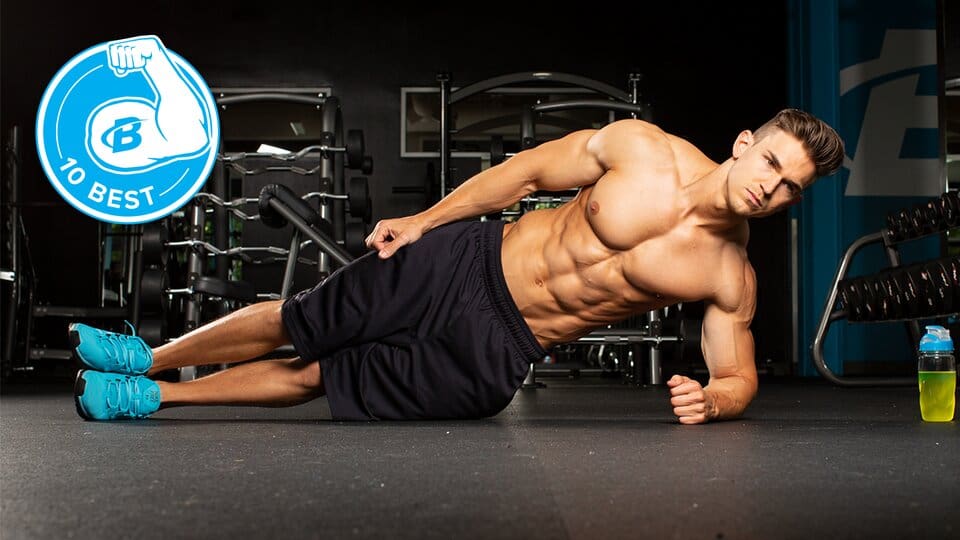
If you want to target your obliques and build a well-rounded core, the side plank is a great exercise to include in your routine. To perform a side plank, start by lying on your side with your feet stacked on top of each other and one forearm directly underneath your shoulder. Lift your hips off the ground, keeping your body in a straight line from head to toe. Engage your core and hold this position for as long as you can, then switch to the other side. Performing side planks regularly can help strengthen your obliques, improve balance, and enhance overall core stability.
Reverse plank
The reverse plank is an excellent exercise for targeting your lower abs and improving overall core strength. To perform a reverse plank, start by sitting on the ground with your legs extended in front of you. Place your hands on the ground behind you, fingertips facing your feet. Press through your hands and lift your hips off the ground, creating a straight line from your head to your heels. Engage your core and hold this position for as long as you can. The reverse plank not only strengthens your abs but also activates your glutes, hamstrings, and lower back muscles, giving you a well-rounded core workout.
Crunches
Traditional crunches
Traditional crunches are a classic abdominal exercise that target the upper abs. To perform a traditional crunch, lie on your back with your knees bent and feet flat on the ground. Place your hands behind your head, keeping your elbows relaxed. Engage your abs and lift your upper body off the ground, curling your chest towards your knees. Make sure to keep your lower back on the ground and avoid pulling on your neck. Slowly lower yourself back down and repeat the movement for a set number of repetitions. Traditional crunches are an effective way to strengthen your upper abs and improve core stability.
Bicycle crunches
Bicycle crunches are a dynamic exercise that target both the upper and lower abs, as well as the obliques. To perform bicycle crunches, start by lying on your back with your knees bent and hands behind your head. Lift your head, shoulders, and upper back off the ground and bring your right knee towards your left elbow while simultaneously extending your left leg. Then, switch sides, bringing your left knee towards your right elbow and extending your right leg. Continue to alternate sides in a bicycling motion, making sure to engage your abs throughout the movement. Bicycle crunches are an effective way to engage multiple muscle groups in your core and increase overall core strength.
Reverse crunches
Reverse crunches target the lower abs and are a great exercise for building a strong core. To perform reverse crunches, lie on your back with your knees bent and feet flat on the ground. Place your hands by your sides for support. Engage your abs and lift your legs off the ground, bringing your knees in towards your chest. Slowly lower your legs back down to the starting position, keeping control throughout the movement. Repeat this motion for a set number of repetitions. Reverse crunches are an effective exercise for strengthening the lower abs, improving pelvic stability, and enhancing overall core strength.

Leg raises
Hanging leg raises
Hanging leg raises are an advanced exercise that target the lower abs, hip flexors, and lower back. To perform hanging leg raises, start by hanging from a pull-up bar with your arms fully extended and your legs straight. Engage your core and lift your legs up towards the ceiling, keeping them straight and together. Pause at the top of the movement, then slowly lower your legs back down with control. Repeat for a set number of repetitions. Hanging leg raises are a challenging exercise that can help build strength in the lower abs and improve overall core stability.
Bent knee leg raises
Bent knee leg raises are a modified version of hanging leg raises that target the lower abs and are suitable for beginners. To perform bent knee leg raises, start by lying on your back with your hands by your sides for support. Bend your knees and lift your feet off the ground, bringing them towards your chest. Slowly lower your legs back down to the starting position and repeat for a set number of repetitions. Bent knee leg raises are a great exercise for building strength in the lower abs and can be a stepping stone to performing hanging leg raises.
Alternating leg raises
Alternating leg raises are a challenging exercise that target the lower abs, hip flexors, and obliques. To perform alternating leg raises, start by lying on your back with your legs straight and your hands by your sides for support. Engage your core and lift one leg off the ground, keeping it straight and parallel to the floor. Lower that leg back down and repeat with the opposite leg. Continue to alternate legs for a set number of repetitions. Alternating leg raises are an effective exercise for strengthening the lower abs, improving hip mobility, and enhancing overall core stability.

Russian twists
Weighted Russian twists
Weighted Russian twists are a variation of the traditional Russian twist exercise that add resistance to challenge your abs even more. To perform weighted Russian twists, start by sitting on the ground with your knees bent and your feet flat on the floor. Hold a weight, such as a dumbbell or a medicine ball, with both hands. Lean back slightly to engage your abs, then twist your torso from side to side, bringing the weight towards the ground on each side. Make sure to keep your back straight and your core engaged throughout the movement. Weighted Russian twists are a great exercise for developing stronger obliques and improving rotational stability in the core.
Medicine ball Russian twists
Medicine ball Russian twists are another variation of the traditional Russian twist that adds a dynamic element to the exercise. To perform medicine ball Russian twists, start by sitting on the ground with your knees bent and your feet flat on the floor. Hold a medicine ball with both hands in front of your chest. Lean back slightly to engage your abs, then twist your torso from side to side, tapping the medicine ball to the ground on each side. Continue to alternate sides in a controlled manner, focusing on engaging your core throughout the movement. Medicine ball Russian twists are an effective exercise for developing stronger obliques and improving core stability.
Knee tuck Russian twists
Knee tuck Russian twists combine the benefits of Russian twists and knee tucks, targeting your abs, obliques, and hip flexors. To perform knee tuck Russian twists, start by sitting on the ground with your knees bent and your feet flat on the floor. Lean back slightly to engage your abs, then twist your torso from side to side while simultaneously bringing your knees in towards your chest. Continue to alternate sides and bring your knees in towards your chest with each twist. Knee tuck Russian twists provide a challenging and effective workout for your entire core, helping to strengthen your abs and improve overall stability.
Mountain climbers
Regular mountain climbers
Regular mountain climbers are a dynamic exercise that engage multiple muscle groups in your core, including your abs, obliques, and hip flexors. To perform regular mountain climbers, start in a high plank position with your hands directly underneath your shoulders and your body in a straight line. Engage your core and bring one knee towards your chest, then quickly switch legs, bringing the opposite knee towards your chest. Continue to alternate legs in a running motion, making sure to keep your core engaged throughout the movement. Regular mountain climbers are a great exercise for improving cardiovascular fitness, strengthening your entire core, and burning calories.
Cross-body mountain climbers
Cross-body mountain climbers are a variation of regular mountain climbers that target the obliques and increase the difficulty of the exercise. To perform cross-body mountain climbers, start in a high plank position with your hands directly underneath your shoulders and your body in a straight line. Engage your core and bring your right knee towards your left elbow, then quickly switch sides, bringing your left knee towards your right elbow. Continue to alternate sides in a controlled manner, focusing on engaging your abs and obliques throughout the movement. Cross-body mountain climbers provide a challenging workout for your entire core and help improve overall stability.
Spider mountain climbers
Spider mountain climbers are an advanced variation of regular mountain climbers that target the obliques, hip flexors, and improve overall core strength. To perform spider mountain climbers, start in a high plank position with your hands directly underneath your shoulders and your body in a straight line. Engage your core and bring your right knee towards your right elbow, then quickly switch sides, bringing your left knee towards your left elbow. Continue to alternate sides in a controlled manner, focusing on engaging your abs, obliques, and hip flexors throughout the movement. Spider mountain climbers provide a challenging and effective workout for your entire core, helping to strengthen your abs and improve rotational stability.
Incorporating these top 5 exercises into your routine will help you build stronger abs and improve overall core strength. Remember to start with the basic variations of each exercise and gradually progress to more advanced variations as your strength increases. Consistency and proper form are key, so make sure to perform each exercise with control and engage your core throughout the movements. Whether you’re a beginner or an experienced fitness enthusiast, these exercises will help you achieve a stronger, more defined core. So, let’s get started and work towards those strong abs!