
Welcome to an eye-opening article that will challenge your perception about aging and longevity. In this informative piece, you will discover the truth behind the top 5 myths that often surround the aging process. From the belief that getting older means inevitable decline, to the misconception that genetics are the sole determinant of how long you will live, prepare to be surprised as we debunk these myths and provide a fresh perspective on aging and longevity. Get ready to rethink everything you thought you knew about growing older.
Top 5 Myths About Aging And Longevity Debunked
Have you ever wondered why some people seem to age gracefully while others struggle with various health issues as they grow older? There are many myths surrounding aging and longevity that often leave people feeling confused or misinformed. In this article, we will debunk the top 5 myths about aging and longevity to help you separate fact from fiction and make better decisions for your health and well-being.
Myth 1: Aging Is Inevitable And You Can’t Do Anything About It
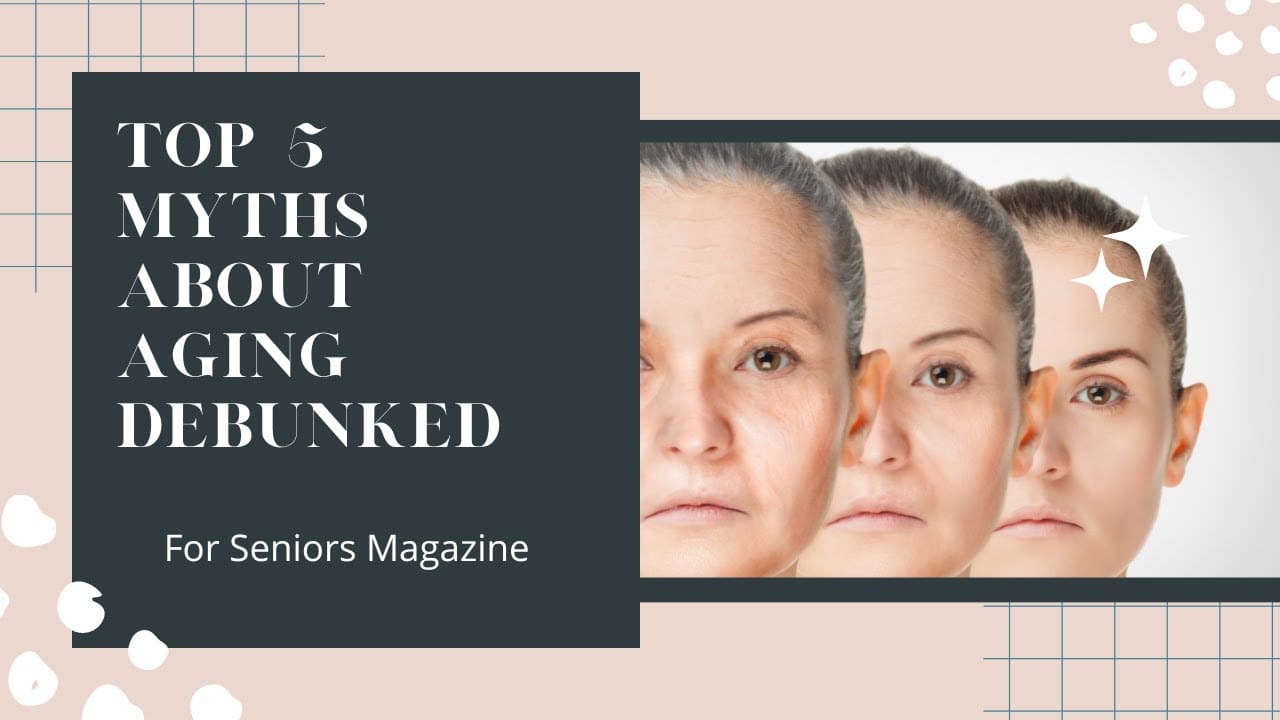
You may have heard the saying “age is just a number,” but is there any truth to it? Contrary to popular belief, aging is not a one-size-fits-all process, and there are many factors that can influence how you age. While genetics play a role in determining your overall health and longevity, lifestyle choices also play a significant role in how well you age.
The key to aging gracefully is to adopt healthy habits such as eating a balanced diet, staying active, getting enough sleep, managing stress, and avoiding harmful habits like smoking and excessive drinking. By taking care of your body and mind, you can slow down the aging process and improve your quality of life as you get older.
Myth 2: Memory Loss Is Inevitable With Age
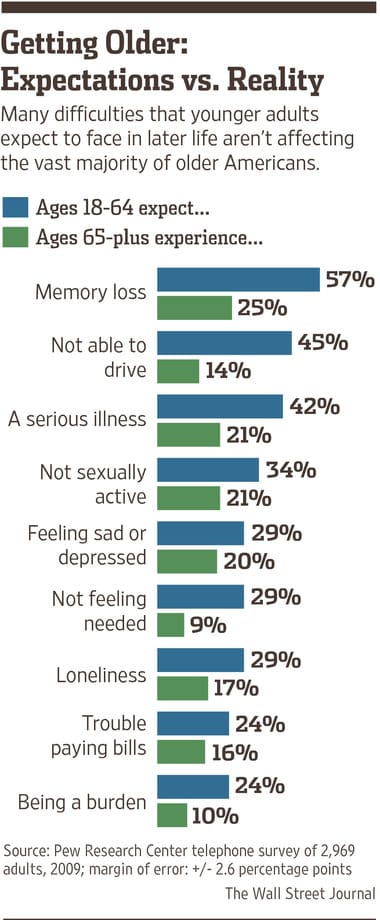
Do you often forget where you left your keys or struggle to remember someone’s name? While it’s normal to experience some memory lapses as you get older, severe memory loss is not an inevitable part of aging. Conditions like Alzheimer’s disease and dementia are not a natural part of the aging process and can be influenced by genetics, lifestyle, and overall health.
To keep your memory sharp as you age, it’s essential to exercise your brain regularly by engaging in activities that challenge your cognitive abilities, such as puzzles, word games, and learning new skills. Additionally, maintaining a healthy diet, staying physically active, and managing chronic conditions like diabetes and high blood pressure can help protect your brain health and reduce your risk of developing memory-related disorders.

Myth 3: Aging Means You Have To Slow Down And Stop Being Active
Have you ever felt like you’re too old to start a new hobby, travel to a new place, or pursue a passion? The truth is, age is just a number, and you are never too old to try something new or stay active. While it’s essential to listen to your body and make adjustments as needed, staying physically and mentally active is crucial for healthy aging.
Regular exercise, whether it’s walking, swimming, dancing, or practicing yoga, can help you maintain muscle strength, flexibility, and balance as you age. Engaging in activities that stimulate your mind, such as reading, writing, or learning a new language, can also help improve your cognitive function and overall well-being. Remember, age is not a barrier to living a fulfilling and active life.
Myth 4: Older Adults Don’t Need To Socialize Or Make New Friends
Do you find yourself spending more time alone as you grow older? While it’s normal for social circles to change as you age, staying socially connected is essential for maintaining your mental and emotional well-being. Many older adults face challenges like retirement, loss of loved ones, and health issues that can lead to social isolation and loneliness.
Making an effort to stay connected with friends, family, and community members can help you stay socially engaged and mentally stimulated. Joining clubs, volunteering, participating in group activities, or even connecting with others online can provide opportunities to meet new people, share experiences, and stay connected to the world around you. Remember, it’s never too late to make new friends and build meaningful relationships.

Myth 5: You Only Start Aging Once You Hit A Certain Age
Do you believe that aging only starts once you reach a specific milestone, such as turning 50 or retiring from work? The truth is, aging is a gradual process that begins from the moment you are born and continues throughout your life. While you may notice physical and cognitive changes as you get older, the key is to embrace the aging process and make choices that support your health and well-being.
Aging gracefully is about taking care of yourself at every age, from childhood to old age. By adopting healthy habits early on, such as eating a nutritious diet, staying active, getting regular check-ups, and managing stress, you can set the stage for a healthier and more vibrant future. Remember, it’s never too early or too late to start investing in your health and well-being.
Conclusion
As you can see, many myths about aging and longevity are not based on scientific evidence or facts. By challenging these misconceptions and embracing a healthy lifestyle, you can empower yourself to age gracefully and live life to the fullest. Remember, age is just a number, and you have the power to make choices that can positively impact your health and well-being as you get older. Don’t let these myths hold you back from living your best life – debunk them today and start making positive changes for a brighter future.