
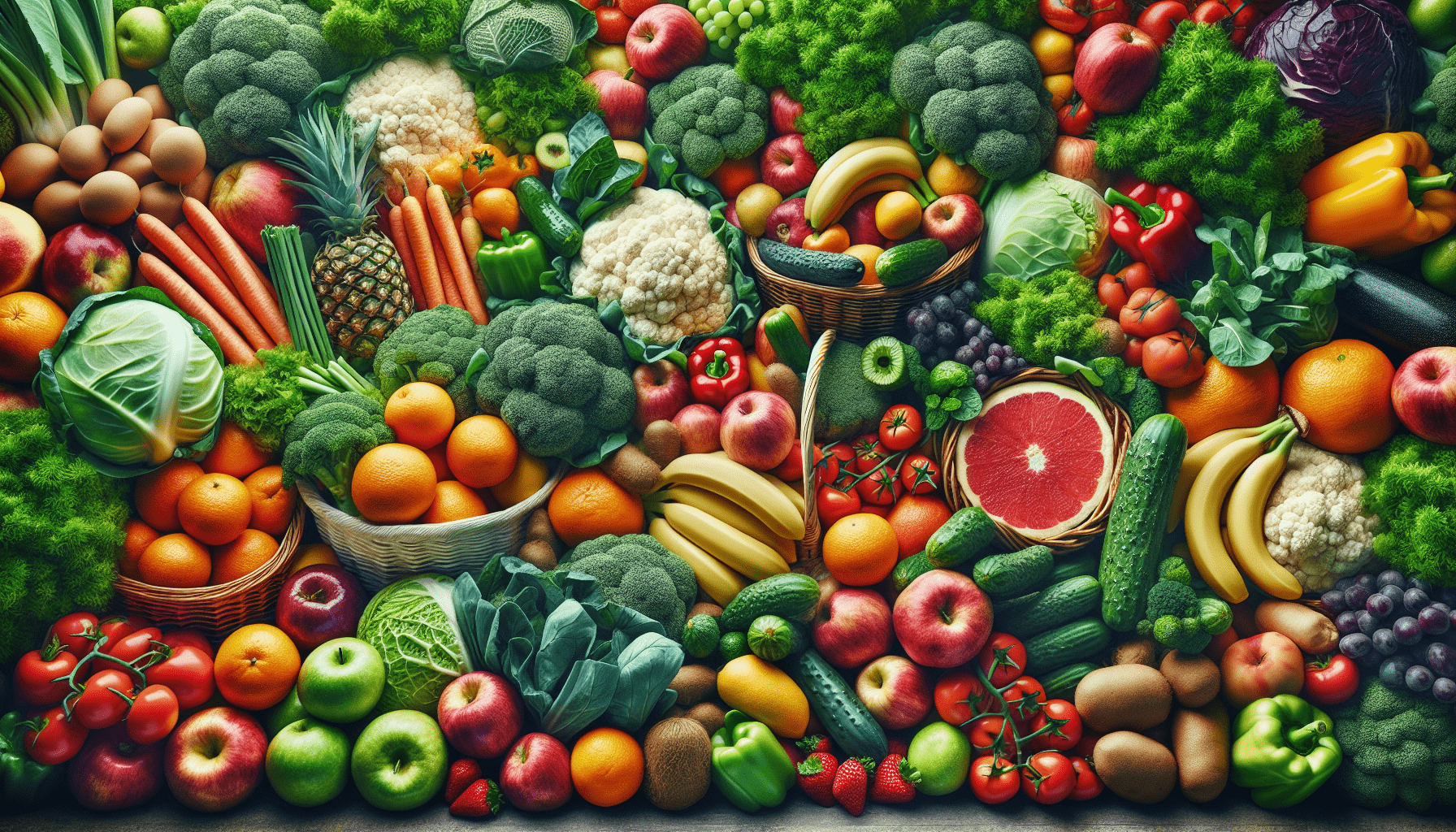
Imagine being able to easily navigate the grocery store aisles and confidently fill your cart with nutritious choices, all while saving time and money. In this article, we will share with you the top 5 tips for healthy grocery shopping. Whether you are a seasoned shopper or just starting your journey towards a healthier lifestyle, these tips will help you make informed and mindful decisions when it comes to the food you bring home. So, grab a pen and paper, because you’ll want to jot these tips down and start implementing them on your next shopping trip. Your body and wallet will thank you!
Plan ahead
Make a shopping list
Planning ahead is an essential step in ensuring a successful and healthy grocery shopping trip. Before heading to the store, take some time to make a shopping list. This will help you stay organized and focused on purchasing the items you need, rather than being swayed by impulse buys. Jot down the ingredients you require for your planned meals, as well as any staple items that you may be running low on.
Take inventory of your pantry and fridge
Before you start planning your meals for the week, it’s a good idea to take inventory of your pantry and fridge. Look through your shelves and see what items you already have on hand. This not only helps you avoid buying duplicates but also allows you to come up with creative ideas to use up any ingredients that are nearing their expiration date. By using up what you already have, you can minimize food waste and save money in the process.
Plan meals for the week
To make your grocery shopping experience more efficient and cost-effective, it’s helpful to plan your meals for the week. This way, you can ensure that you have all the necessary ingredients on hand and avoid any last-minute trips to the store. Start by thinking about the meals you want to make and write down the ingredients needed for each one. Planning your meals in advance also allows you to incorporate a variety of nutritious options into your diet, promoting overall health and well-being.
Shop the perimeter
Focus on fresh produce
When navigating through the aisles of the grocery store, make it a priority to focus on the fresh produce section. Fresh fruits and vegetables should be the star of your shopping trip. These nutrient-dense foods are rich in vitamins, minerals, and fiber, offering numerous health benefits. Aim to incorporate a wide variety of colorful fruits and vegetables into your diet to reap the maximum nutritional benefits.
Choose lean proteins
Another important aspect of healthy grocery shopping is selecting lean proteins. Look for options such as skinless poultry, fish, lean cuts of beef or pork, and plant-based protein sources like beans and legumes. These protein-rich foods provide essential amino acids necessary for building and repairing tissues, as well as promoting satiety. Incorporating lean proteins into your meals helps maintain muscle mass, supports healthy weight management, and keeps you feeling satisfied.
Find healthy dairy options
When it comes to dairy products, opt for healthier alternatives. Choose low-fat or non-fat options for milk, yogurt, and cheese. These options provide the same essential nutrients found in full-fat dairy without the added saturated fats. Additionally, consider trying dairy alternatives like almond milk or soy milk, which can be great options for individuals who are lactose intolerant or following a plant-based diet.
Read labels
Check the nutrition facts
Reading labels is a crucial step in making informed decisions about the products you purchase. Take the time to check the nutrition facts panel on packaged foods. This will give you valuable information about the serving size, calorie content, macronutrient breakdown, and the presence of key nutrients. Understanding the nutritional profile of the food you’re buying can help you make healthier choices and avoid items that are high in unhealthy ingredients.
Look for added sugars and unhealthy fats
When reading labels, pay close attention to the presence of added sugars and unhealthy fats. Added sugars can hide under various names, such as corn syrup, cane sugar, or fruit juice concentrate. Minimizing your intake of added sugars is important for maintaining a balanced diet and reducing the risk of conditions like obesity and diabetes. Similarly, avoid products that contain trans fats or high levels of saturated fats, as these can have detrimental effects on cardiovascular health.
Pay attention to serving sizes
In addition to checking the nutrition facts, be mindful of the suggested serving sizes. Often, food packages will contain multiple servings, and it’s important to adjust the nutritional information accordingly. This will help you accurately estimate the calories, fats, sugars, and other nutrients you’ll consume per serving. Being aware of portion sizes can contribute to better portion control and prevent overeating.
Avoid processed foods
Limit packaged and processed foods
To make healthier choices at the grocery store, it’s best to limit your consumption of packaged and processed foods. These items are often high in added sugars, unhealthy fats, and sodium, while lacking essential nutrients. Instead, focus on whole, unprocessed foods that are closer to their natural state. Fresh fruits and vegetables, whole grains, lean proteins, and healthy fats should form the foundation of your shopping cart.
Reduce intake of sugary snacks and drinks
Processed foods like cookies, candies, sugary cereals, and sweetened beverages are not only high in calories but also lack nutritional value. Consuming excessive amounts of added sugars can contribute to weight gain, tooth decay, and other health issues. Instead, satisfy your sweet tooth with naturally sweet foods like fresh fruits or opt for healthier snack options like nuts, seeds, or homemade granola bars.
Choose whole, natural foods
When selecting your groceries, prioritize whole, natural foods whenever possible. These include items like whole grains, fresh fruits and vegetables, and minimally processed proteins. Whole grains provide fiber, vitamins, and minerals while being less processed than refined grains. Similarly, fresh fruits and vegetables offer a wide array of essential nutrients and are free from added sugars, additives, and preservatives. Opting for whole, natural foods provides the body with nourishment and promotes optimal health.
Shop with a time limit
Set a specific time for grocery shopping
To ensure that you stay focused and efficient during your grocery shopping trip, it’s helpful to set a specific time for this task. Decide on a time that works best for you and try to stick to it. This prevents you from rushing through the store or spending too much time browsing aimlessly. Planning your grocery shopping into your schedule ensures that you have dedicated time to make mindful choices and find the best options for you and your family.
Avoid distractions or leisurely browsing
While grocery shopping can be an enjoyable task, it’s important to avoid distractions or leisurely browsing. Distractions like talking on the phone, checking social media, or engaging in other activities can lead to impulsive purchases and prevent you from making the healthiest choices. Stay focused on your shopping list and be mindful of the items you’re selecting. By minimizing distractions, you can make sure that your cart is filled with nutritious foods that align with your health goals.
Shop when you’re not hungry
One effective tip to avoid impulsive purchases and unnecessary snacking is to shop when you’re not hungry. When you’re hungry, you’re more likely to be tempted by unhealthy foods and snacks that you wouldn’t typically choose. Eating a nutritious meal or snack before heading to the grocery store can help you shop with a clear mind and stick to your planned purchases. Shopping on a full stomach enables you to make rational food choices that align with your dietary goals and overall well-being.
Buy in bulk and freeze
Save money by purchasing in large quantities
Buying in bulk is a great way to save money on your grocery shopping. Purchasing larger quantities of staple items like grains, beans, nuts, or frozen vegetables can be more cost-effective in the long run. This method reduces the price per unit and allows you to stock up on items that you frequently use. Just make sure to check the expiration dates and storage recommendations to ensure the products remain fresh and safe to consume.
Stock up on frozen fruits and vegetables
Another way to take advantage of buying in bulk is to stock up on frozen fruits and vegetables. These items are typically cheaper than their fresh counterparts and have a longer shelf life. Frozen produce retains its nutritional value and can be a convenient option when fresh choices are limited or out of season. Having frozen fruits and vegetables on hand allows you to incorporate them into your meals easily, ensuring that you always have access to these nutritious ingredients.
Freeze leftovers for quick and healthy meals
Freezing leftovers is not only a great way to reduce food waste but also a convenient way to have quick and healthy meals on hand. When cooking, consider making larger batches and portioning them into individual servings. These can be easily stored in the freezer and reheated whenever you need a nutritious meal in a pinch. Freezing leftovers saves you time and effort in the kitchen while also keeping your meals balanced and satisfying.
Compare prices
Compare prices across different brands and stores
To get the best value for your money, make it a habit to compare prices across different brands and stores. Prices can vary significantly, and taking the time to compare can result in substantial savings. Keep an eye out for sales, promotions, and discounts that might be available. Some grocery stores also offer loyalty programs or digital coupons that can help you save even more. By being a smart shopper and comparing prices, you can stretch your budget further and make healthier choices.
Look for sales and discounts
When grocery shopping, keep an eye out for sales and discounts on the items you regularly purchase. Many stores offer weekly specials or loyalty programs that can provide significant savings. Plan your shopping trips around these sales and stock up on items that are on promotion. Just be mindful of the expiration dates and quantities you can realistically consume before they go bad. Shopping strategically during sales can help you save money while still maintaining a healthy and varied diet.
Consider cost per serving
When comparing prices, it’s essential to consider the cost per serving rather than just the total cost of the product. Some items may seem cheaper upfront but contain fewer servings or smaller portion sizes. By doing a quick calculation, you can determine which option offers better value for your money. Consider not only the price but also the nutritional value and quality of the product. This will ensure that you’re making informed decisions and prioritizing both your budget and your health.
Bring your own bags
Use reusable bags to reduce waste
Bringing your own reusable bags to the grocery store is a small but impactful step towards reducing waste. Plastic bags have detrimental effects on the environment, often ending up in landfills or polluting our oceans. By using reusable bags, you can significantly reduce your contribution to this issue. Invest in sturdy, fabric bags that can withstand multiple uses and hold a significant amount of groceries. This environmentally friendly choice not only reduces waste but also helps to protect our planet for future generations.
Keep a few bags in your car or backpack
To ensure that you always have reusable bags on hand, keep a few in your car or backpack. This way, you’ll never find yourself without the means to carry your groceries in an eco-friendly manner. By making these bags easily accessible, you eliminate the temptation to use plastic bags at the store. The more you incorporate this habit into your routine, the more second nature it becomes, making a positive impact on the environment with each grocery shopping trip.
Consider using produce bags or mesh bags
In addition to reusable grocery bags, consider investing in produce bags or mesh bags for your fruits and vegetables. These bags are designed to replace the single-use plastic bags often found in the produce section of grocery stores. They can be used to hold loose fruits, vegetables, or bulk items like nuts or grains. Using these bags eliminates the need for plastic produce bags and further reduces your environmental footprint. They are lightweight, durable, and can be easily washed, making them a convenient and sustainable option.
Stay hydrated
Drink water before and during grocery shopping
Staying hydrated is important for your overall well-being, and this applies even to your grocery shopping trips. Before heading to the store, make sure to drink a glass of water to keep yourself hydrated. Bring a reusable water bottle with you and take sips throughout your shopping trip. This helps to keep you energized and focused, ensuring that you make sound decisions while shopping. Additionally, drinking water can help curb unnecessary snacking and prevent the temptation to purchase sugary beverages.
Avoid purchasing sugary beverages
When it comes to choosing beverages during your grocery trip, it’s important to avoid sugary options. Many soft drinks, fruit juices, energy drinks, and flavored waters are loaded with added sugars, contributing to weight gain and various health issues. Opt for healthier alternatives like plain water, unsweetened tea, or infused water with fresh fruits and herbs. These options provide hydration without the added sugars and calories, keeping you on track with your health goals.
Carry a reusable water bottle
To stay hydrated while grocery shopping, it’s a good idea to carry a reusable water bottle with you. Having easy access to water allows you to stay refreshed throughout your shopping trip. Choose a durable, BPA-free water bottle that you can refill as needed. By carrying your own water bottle, you eliminate the need to purchase single-use plastic bottles and reduce waste. Hydration is a key component of overall health, so make sure to prioritize drinking water during your grocery shopping adventures.
Stick to your budget
Set a grocery budget and stick to it
One of the most important aspects of healthy grocery shopping is sticking to your budget. Before heading to the store, set a realistic budget that aligns with your financial goals. Take into consideration your income, expenses, and any dietary needs or restrictions. Having a budget in place helps you make conscious decisions about the items you purchase and prevents overspending. Stick to your budget by carefully planning your meals, prioritizing essentials, and avoiding impulse purchases.
Avoid impulsive purchases
Impulse purchases can quickly derail your healthy grocery shopping journey, both nutritionally and financially. Avoid falling into the trap of impulse buying by staying focused on your shopping list and budget. If you come across an item that you didn’t plan to buy, take a moment to evaluate if it aligns with your goals and needs. Steer clear of flashy promotions or marketing tactics that might tempt you into buying unnecessary items. Sticking to your shopping list and being mindful of your budget ensures that you make deliberate choices that support your overall health and financial well-being.
Use cash or a shopping app to track expenses
To help you stay on track with your grocery budget, consider using cash or a shopping app to track your expenses. Using cash allows you to physically see and limit the money you spend. It encourages you to make more conscious choices and avoid going over your predetermined budget. Alternatively, you can use a shopping app to create a digital budget and track your expenses as you shop. These apps often provide insights into your spending habits and can help you identify areas where adjustments can be made.
In conclusion, healthy grocery shopping is an essential part of maintaining a nutritious diet and lifestyle. By planning ahead, focusing on fresh produce and lean proteins, reading labels, avoiding processed foods, shopping with a time limit, buying in bulk and freezing, comparing prices, bringing your own bags, staying hydrated, and sticking to your budget, you can make informed choices that promote your well-being while also being mindful of the environment and your finances. Incorporate these tips into your shopping routine, and you will be well on your way to nourishing your body and living a healthy, balanced life.