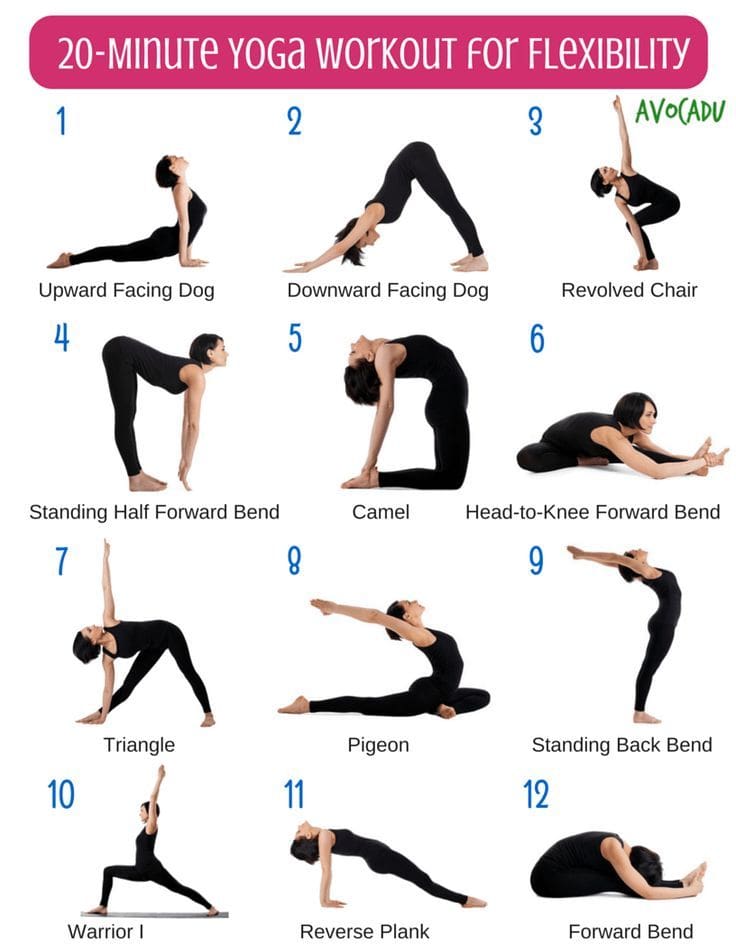
Whether you’re a seasoned yogi or just starting your yoga journey, flexibility is a key component of a successful practice. Being able to move and stretch without limitations not only improves your physical performance, but also enhances your overall well-being. In this article, we’ll explore the top 5 yoga poses for flexibility that can help you unlock your body’s full potential. Get ready to bring a new level of bendiness to your yoga routine and feel the difference in your body and mind. Let’s dive in!
Forward Fold
Description of the pose
Forward Fold, also known as Uttanasana, is a fundamental yoga pose that involves folding forward from the hips, allowing the upper body to lengthen and relax towards the legs. In this pose, you stand straight with your feet hip-distance apart and gently fold your torso over your legs, reaching towards your toes or ankles. It is important to maintain a slight bend in your knees to avoid strain on the hamstrings and lower back.
Benefits of the pose
Forward Fold offers numerous benefits for both the body and mind. Firstly, it helps to stretch and lengthen the spine, relieving tension in the neck, shoulders, and back. This pose also stimulates the digestive system and massages the internal organs, improving digestion and promoting detoxification. Additionally, Forward Fold helps to calm the mind and release stress, making it an excellent pose for relaxation and stress relief.
Tips for performing the pose
To ensure a safe and effective Forward Fold, keep the following tips in mind:
- Start with a gentle bend in the knees to prevent excessive strain on the hamstrings and lower back.
- Relax your head, neck, and shoulders, allowing gravity to naturally pull you deeper into the pose.
- Aim to lengthen your spine with each inhale and deepen the fold with each exhale.
- If reaching your toes or ankles is challenging, you can use blocks or props to support your hands and gradually work towards a deeper stretch.
- Avoid rounding your back excessively and instead focus on maintaining a long spine.

Downward Facing Dog
Description of the pose
Downward Facing Dog, or Adho Mukha Svanasana, is one of the most widely recognized yoga poses. In this pose, you start on your hands and knees, then lift your hips up towards the ceiling, creating an inverted V shape with your body. Your hands are shoulder-width apart, and your feet are hip-width apart, with your heels reaching towards the ground.
Benefits of the pose
Downward Facing Dog offers a plethora of benefits for the entire body. Firstly, it helps to strengthen and stretch the entire posterior chain, including the shoulders, arms, back, hamstrings, and calves. This pose also improves circulation and encourages blood flow to the brain, which can enhance mental clarity and focus. Additionally, Downward Facing Dog is a great pose for relieving stress and anxiety while energizing the body.
Tips for performing the pose
To maximize the benefits and ensure proper alignment in Downward Facing Dog, consider the following tips:
- Spread your fingers wide apart and press firmly into your palms to engage the muscles of your arms and shoulders.
- Engage your core muscles and lengthen your spine, creating a straight line from your hands to your hips.
- Keep a slight bend in your knees if necessary to prevent strain on the hamstrings and lower back.
- Press your heels towards the ground, but don’t force them to touch. The main focus is on lengthening the spine and creating space in the body.
- Take deep breaths and actively engage your muscles to experience a sense of grounding and extension in this pose.
Bridge Pose
Description of the pose
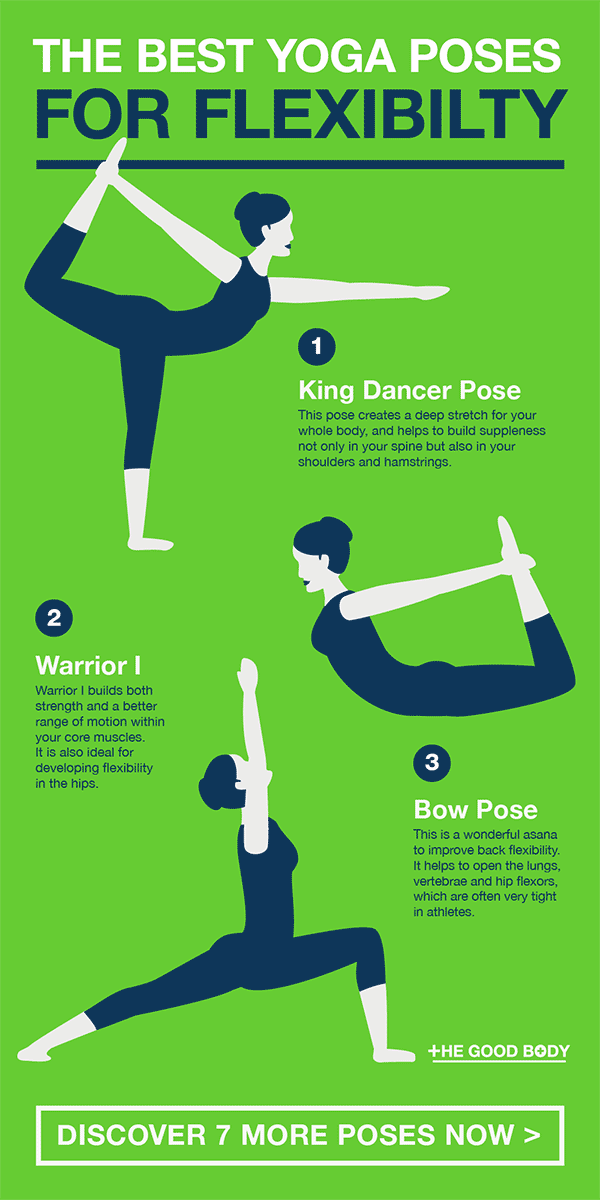
Bridge Pose, or Setu Bandhasana, is a backbend that helps to open up the chest, shoulders, and thoracic spine. To practice this pose, lie on your back with your knees bent and your feet flat on the floor, hip-distance apart. Place your arms alongside your body, with your palms facing down. As you exhale, press your feet into the mat and lift your hips off the ground, creating a bridge shape with your body.
Benefits of the pose
Bridge Pose offers a wide range of benefits, both physically and emotionally. Firstly, it strengthens the muscles of the back, buttocks, and legs, improving posture and stability. This pose also helps to stretch the chest, shoulders, and neck, relieving tension and promoting better breathing. Additionally, Bridge Pose can stimulate the thyroid gland and improve digestion, while also calming the mind and reducing anxiety.
Tips for performing the pose
To practice Bridge Pose safely and effectively, keep in mind the following tips:
- Press evenly through your feet and engage your glutes and hamstrings to lift your hips, avoiding excessive strain on your lower back.
- Keep your knees directly above your ankles and avoid letting them splay out to the sides.
- Roll your shoulders back and interlace your fingers underneath your body, pressing your fists into the mat for added stability and support.
- Lift your chest towards your chin and keep the back of your neck long, avoiding any compression or discomfort.
- Breathe deeply and relax into the pose, allowing the gentle backbend to open your heart and relieve any stress or tension.
Butterfly Pose
Description of the pose
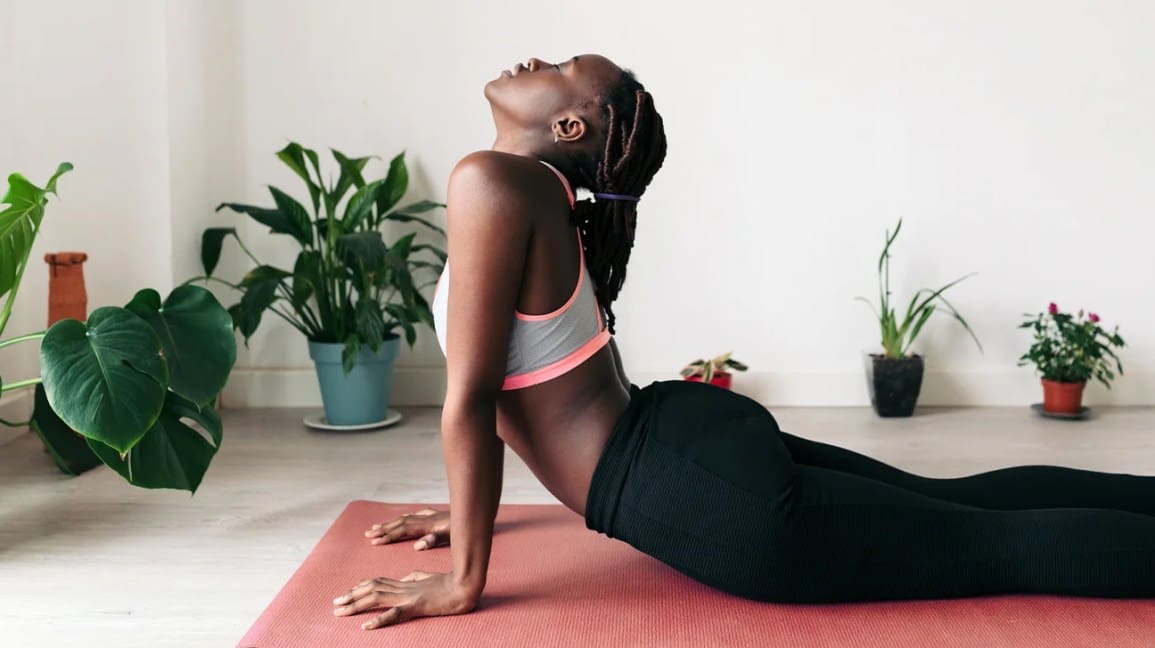
Butterfly Pose, also known as Baddha Konasana, is a seated pose that stretches the inner thighs and opens the hips. To practice this pose, sit on the floor with your legs extended in front of you. Bend your knees and bring the soles of your feet together, allowing your knees to naturally fall out to the sides. Use your hands to hold onto your ankles or feet, and gently press your knees towards the ground.
Benefits of the pose
Butterfly Pose offers a multitude of benefits for the body and mind. Firstly, it helps to open the hips and stretch the inner thighs, gradually increasing flexibility over time. This pose also stimulates the abdominal organs and improves digestion, while promoting a sense of relaxation and tranquility. Additionally, Butterfly Pose can be helpful for relieving menstrual discomfort and reducing symptoms of menopause.
Tips for performing the pose
To practice Butterfly Pose with ease and effectiveness, consider the following tips:
- Sit on a folded blanket or bolster to provide additional support and elevation for your hips.
- Gently press your thighs towards the ground, but avoid forcing your knees down. Let the weight of your legs and gravity gradually open the hips.
- Lengthen your spine and engage your core muscles, maintaining an upright posture throughout the pose.
- You can use your hands to hold onto your ankles or feet, gently guiding your knees towards the ground, or simply allow your hands to rest on your thighs.
- Take slow, deep breaths and relax into the pose, allowing any tension or tightness to release with each exhale.
Camel Pose
Description of the pose
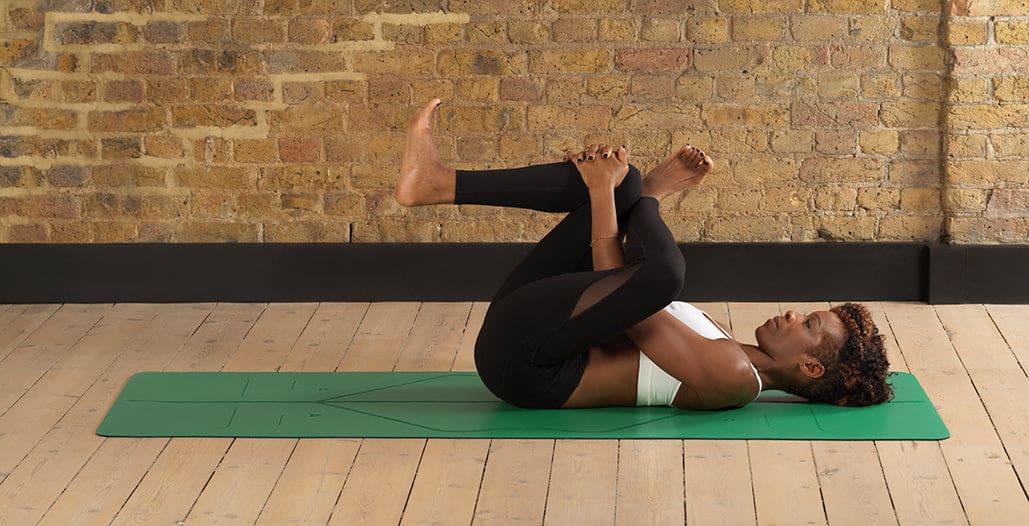
Camel Pose, or Ustrasana, is a deep backbend that opens up the chest, shoulders, and hip flexors. To practice this pose, kneel on the mat with your knees hip-distance apart. Place your hands on your lower back for support, fingers pointing downwards. As you inhale, lift your chest towards the ceiling and gently begin to arch your back, reaching one hand at a time towards your heels or ankles.
Benefits of the pose
Camel Pose offers a wide range of benefits for the body and mind. Firstly, it deeply stretches and opens the front of the body, including the chest, shoulders, abdomen, and hip flexors. This pose can also help to improve posture, correct rounded shoulders, and relieve lower back pain. Additionally, Camel Pose stimulates the thyroid gland, boosts digestion, and energizes the body while increasing overall flexibility.
Tips for performing the pose
To safely and effectively practice Camel Pose, keep the following tips in mind:
- Warm up your body before attempting this deep backbend by practicing gentle stretches and warming up the spine.
- Keep your hips directly above your knees and engage your core muscles to protect your lower back.
- Start by reaching one hand towards your heel or ankle, and only go as far as is comfortable for your body. Gradually work on deepening the backbend over time.
- Gently drop your head back if it feels comfortable, but avoid straining your neck or compressing the back of your spine.
- If reaching your heels is challenging, you can place your hands on your lower back or rest them on blocks for added support and stability.
Incorporating these top 5 yoga poses for flexibility into your practice can bring about incredible changes in your body and mind. From stretching and strengthening to relaxation and stress relief, these poses offer a well-rounded approach to enhancing flexibility and overall well-being. Remember, always listen to your body, modify when necessary, and enjoy the journey of discovering your own flexibility and inner peace through yoga.