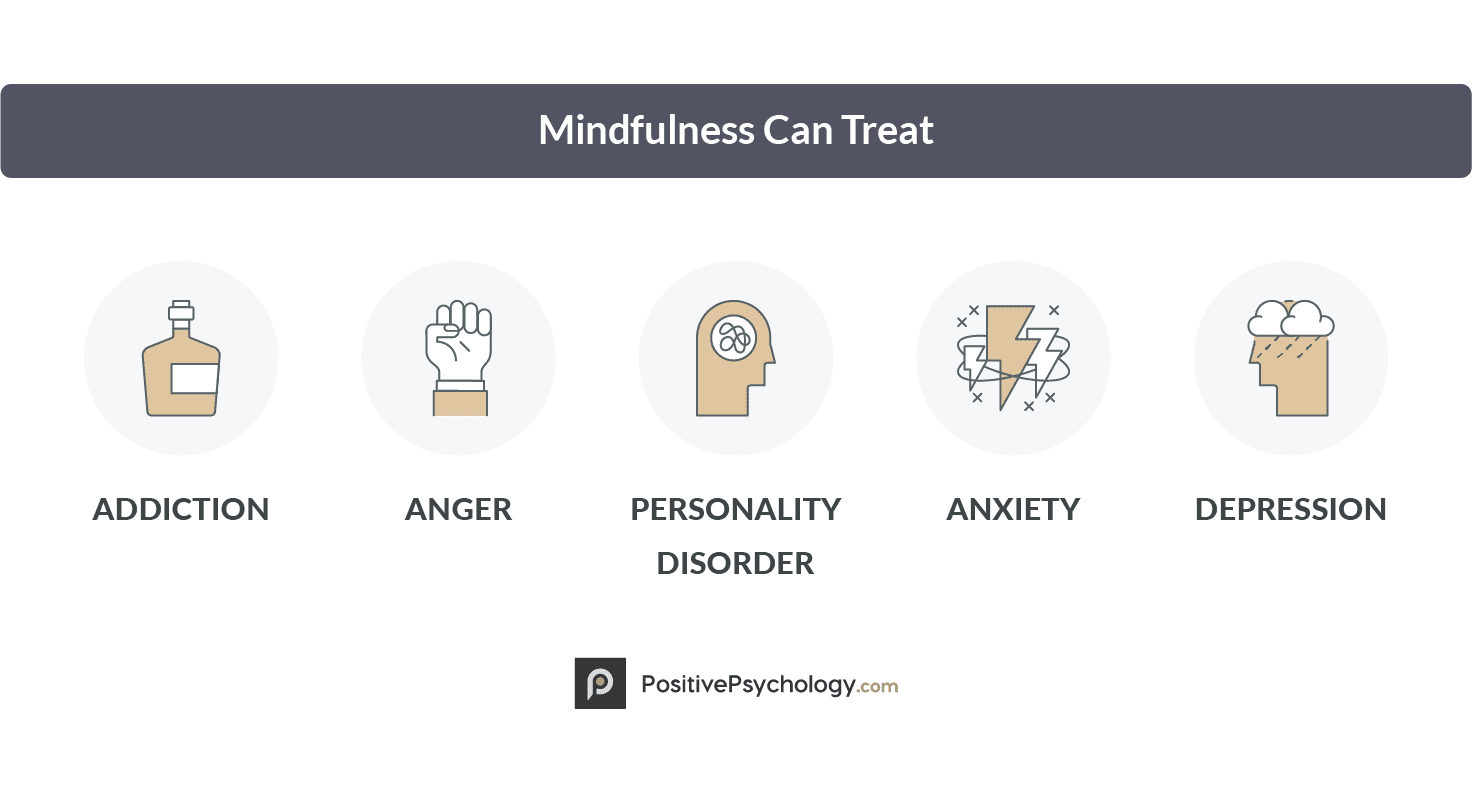
In today’s fast-paced world, it’s important to take care of your physical and mental well-being. Mindfulness practices have gained popularity as effective tools for preventive health. By focusing on the present moment, these practices help reduce stress, enhance self-awareness, and improve overall quality of life. Whether it’s through meditation, deep breathing exercises, or mindful eating, incorporating mindfulness into your daily routine can have a profound impact on your preventive health journey. This article explores the top mindfulness practices that you can easily implement into your life for a healthier, more balanced you.
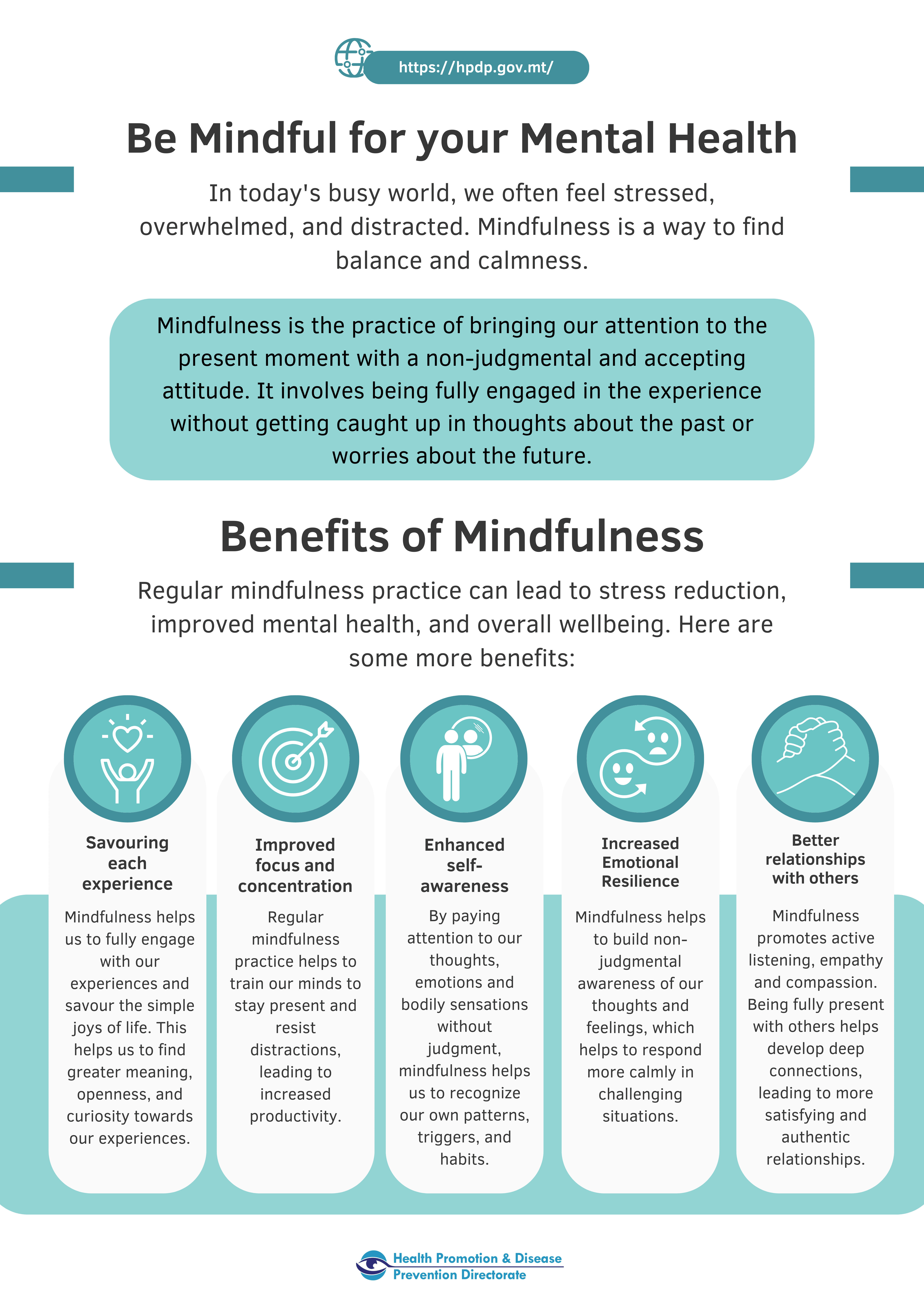
Daily Meditation
Meditation is a powerful practice that can bring clarity, peace, and calmness into your daily life. To fully experience the benefits of meditation, it’s important to set aside a specific time for it each day. Find a time that works best for you, whether it’s in the morning before starting your day or in the evening before bed. By dedicating a consistent time to meditation, you create a routine that helps you stay committed to your mindfulness practice.
Once you’ve established a regular meditation schedule, it’s essential to find a quiet and comfortable space where you can fully relax and focus. This might be a cozy corner in your home, a peaceful park, or even a dedicated meditation room. Creating a soothing environment is vital for minimizing distractions and allowing yourself to fully immerse in the practice of meditation.
During your meditation session, the main objective is to focus on your breath and let go of any thoughts that arise. Simply sit in a comfortable position, close your eyes, and bring your attention to the sensation of your breath flowing in and out of your body. As thoughts enter your mind, acknowledge them without judgment and gently let them go, returning your focus to the breath. This process of observing and releasing thoughts helps clear your mind and cultivates a sense of inner peace.
When starting your meditation practice, it’s best to begin with just a few minutes and gradually increase the duration over time. Starting small allows you to build consistency and avoid feeling overwhelmed. As you become more comfortable with the practice, you can gradually extend the duration to experience deeper levels of relaxation and mindfulness. Remember, it’s not about the quantity of time spent meditating, but rather the quality of presence and intention you bring to each session.
Mindful Eating
In our fast-paced lives, it’s easy to rush through meals without truly savoring and enjoying the experience. Mindful eating is a practice that encourages us to slow down, be present, and fully engage our senses while we nourish our bodies. By adopting this approach, we can develop a healthier relationship with food, promote digestion, and enhance our overall well-being.
To begin practicing mindful eating, it’s important to pay attention to your hunger and fullness cues. Before reaching for food, take a moment to assess if you are genuinely hungry. Is your body truly in need of nourishment? Similarly, pay attention to the feeling of fullness or satisfaction as you eat. Tuning into these sensations helps us eat when we are genuinely hungry and stop when we are comfortably full.
Eating slowly is an essential aspect of mindful eating. Take the time to chew each bite thoroughly and savor the flavors, textures, and aromas of your food. Find joy in every mouthful and truly appreciate the nourishment it provides. By slowing down, we give our bodies a chance to properly break down and absorb nutrients, which can aid digestion and improve our overall experience of eating.
Avoiding distractions while eating is another key component of mindful eating. Turn off the TV, put away your phone, and focus solely on the act of eating. By eliminating external distractions, you can fully engage with the food in front of you and be more attuned to your body’s needs and responses. This practice allows you to cultivate a greater sense of gratitude for the nourishment you receive and enhances your overall enjoyment of meals.
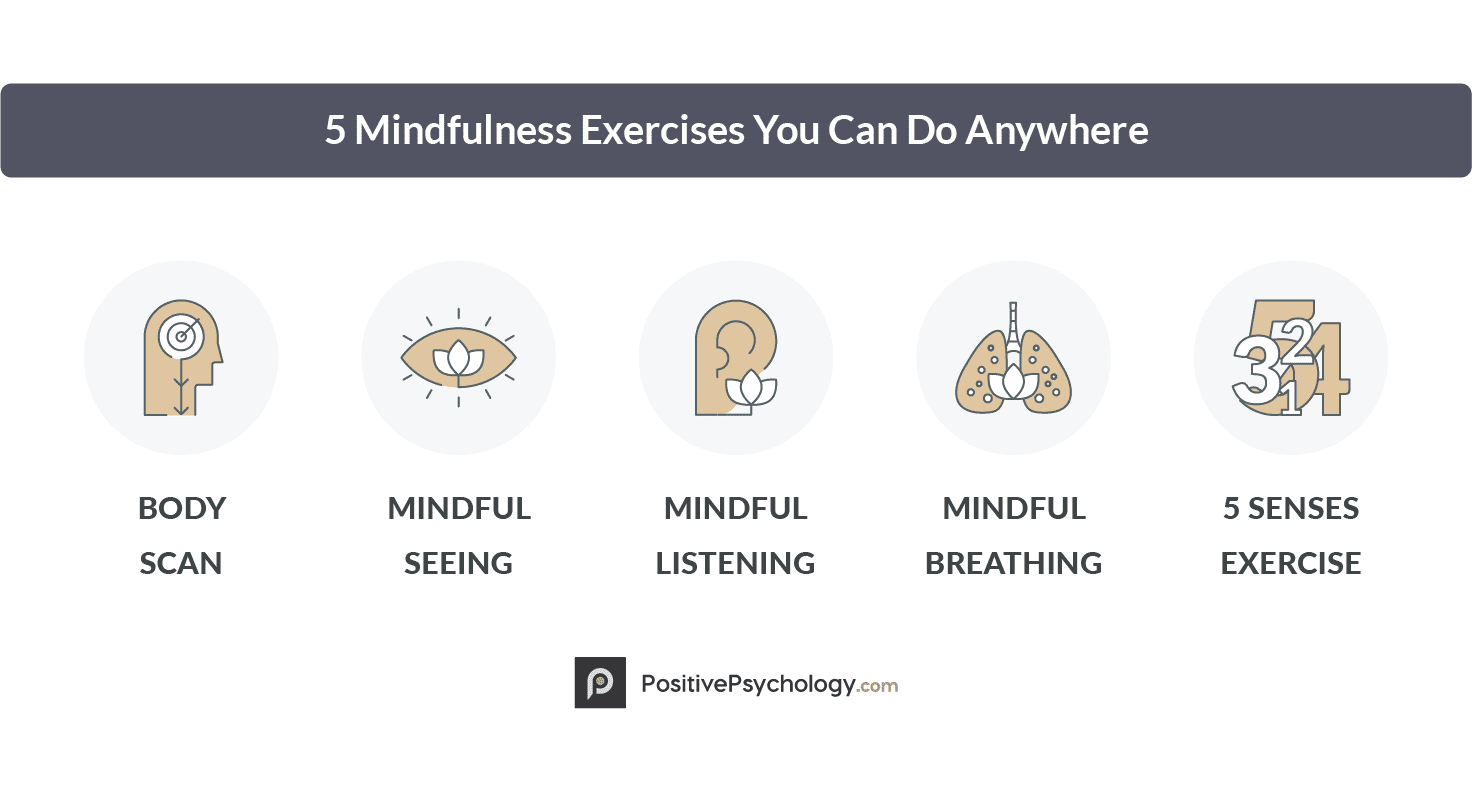
Body Scan
The body scan is a mindfulness practice that involves systematically bringing attention to each part of your body, from head to toe. This practice helps you develop an awareness of physical sensations, release tension, and cultivate a deep sense of relaxation and connection with your body.
To begin the body scan, find a comfortable position, either lying down or sitting. Close your eyes and bring your focus to your breath, allowing yourself to settle into a state of relaxation. Once you feel centered, begin directing your attention to your head and slowly scan through each part of your body, paying attention to any sensations, tension, or discomfort you may be experiencing.
As you encounter areas of tension or discomfort, bring your awareness to those specific areas and consciously release any tension you may be holding. Allow yourself to fully let go and relax each part of your body, from the crown of your head to the tips of your toes. This process of consciously releasing tension can help alleviate physical discomfort, reduce muscle tension, and promote a greater sense of relaxation and well-being.
The body scan can be practiced as a standalone meditation or incorporated into your daily routine, such as before sleep or after physical activity. Regular practice of body scanning can heighten body awareness, improve overall physical well-being, and deepen your mind-body connection.
Breathing Exercises
One of the simplest and most accessible mindfulness practices is focusing on the breath. By bringing our attention to the breath, we can cultivate a deeper sense of calm, reduce stress, and promote relaxation. Incorporating breathing exercises into your daily routine can be a powerful tool for managing day-to-day challenges and maintaining overall well-being.
Deep belly breathing, also known as diaphragmatic breathing, is a fundamental breathing exercise that helps activate the body’s relaxation response. To practice deep belly breathing, find a comfortable seated or lying position. Place one hand on your chest and the other on your belly. Take a deep breath in through your nose, allowing your belly to rise as you fill your lungs with air. Exhale slowly through your mouth, feeling your belly gently fall. Repeat this process, focusing on the sensation of your breath and the rise and fall of your belly.
Counting your breaths can be an effective technique to help focus and quiet the mind during meditation. As you breathe in and out, count each breath cycle from one to ten. If your mind begins to wander, gently bring your focus back to the counting without judgment. This practice trains your mind to stay present and focused, enhancing your overall meditation experience.
Alternate nostril breathing is another breathing technique that can help balance energy and promote a sense of calm and clarity. Begin by closing your right nostril with your right thumb and inhaling deeply through your left nostril. Pause briefly, then close your left nostril with your right ring finger and exhale fully through your right nostril. Inhale through your right nostril, pause, then switch fingers to close your right nostril and exhale through your left nostril. Repeat this cycle, focusing on the flow of breath and the sensation of air passing through each nostril.
Lastly, inhaling deeply and exhaling slowly is a simple yet powerful way to activate the body’s relaxation response and reduce stress. Take a moment to inhale deeply, allowing your belly to rise, and exhale slowly, feeling a sense of release and relaxation with each breath. This practice is especially helpful in moments of high stress or anxiety, as it helps calm the nervous system and bring a sense of groundedness and ease.
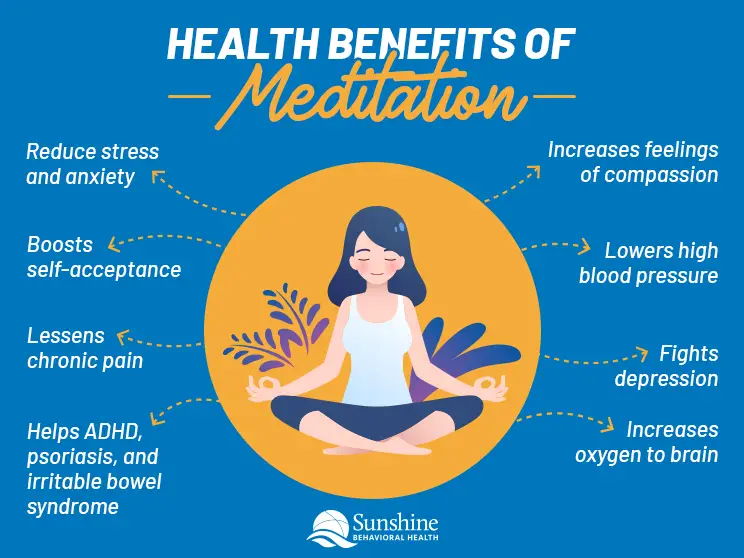
Walking Meditation
While many mindfulness practices involve sitting or lying down, walking meditation offers the opportunity to practice mindfulness while in motion. This form of meditation allows you to reconnect with your body, cultivate awareness, and experience a sense of calm and presence as you walk.
To practice walking meditation, choose a quiet and peaceful location, such as a park or nature trail. Begin by standing still and taking a few deep breaths to ground yourself. As you start walking, bring your attention to the sensation of your feet touching the ground, the movement of your body, and the rhythm of your steps. Notice the physical sensations in your feet and legs as they make contact with the earth.
As you continue walking, you can choose to focus on your breath or the sensations in your body. Tune into the natural flow of your breath or the subtle movement and sensations in your muscles and joints. Stay present and observe the sights, sounds, and smells around you without getting caught up in thoughts or judgments. Walk at a slow and deliberate pace, giving yourself the time and space to fully experience each step.
Walking meditation is a wonderful way to bring mindfulness into your daily life, especially if you find it challenging to set aside dedicated time for seated meditation. It allows you to integrate mindfulness into your regular activities and appreciate the beauty and tranquility of the present moment.
Gratitude Practice
Cultivating an attitude of gratitude is a powerful mindfulness practice that can bring about profound positive shifts in our lives. Taking a few moments each day to reflect on what you are grateful for can shift your focus from what is lacking to what is abundant in your life. Gratitude practice enables you to develop a greater appreciation for the simple joys and blessings that exist all around you.
To begin your gratitude practice, find a quiet and comfortable space where you can sit and reflect. Close your eyes and take a few deep breaths to center yourself. Bring to mind three things that you appreciate or are grateful for in that present moment. They can be small or grand, ranging from the warmth of the sun on your face to the love and support of your family and friends. Take a moment to truly feel and embody each expression of gratitude.
Another way to cultivate gratitude is to express it to others through words or actions. Reach out to someone you appreciate and let them know how grateful you are for their presence in your life. Write a heartfelt note, make a phone call, or simply offer a sincere compliment. Expressing gratitude not only uplifts others but also fosters connection, strengthens relationships, and increases your own sense of well-being.
Cultivating a mindset of appreciation and abundance takes time and consistent practice. Consider keeping a gratitude journal where you write down three things you are grateful for each day. This practice helps train your mind to seek out and acknowledge the positive aspects of your life, no matter how small or seemingly insignificant. With regular gratitude practice, you can develop a more optimistic outlook on life and experience greater joy and contentment.
Stress Reduction Techniques
In today’s fast-paced and demanding world, stress has become an all-too-common experience for many. Integrating stress reduction techniques into your daily routine is crucial for maintaining your overall well-being and preventing the detrimental effects of chronic stress.
Deep relaxation exercises, such as progressive muscle relaxation, can provide immediate relief from stress and tension. To practice progressive muscle relaxation, find a quiet space where you can comfortably sit or lie down. Start by tensing and then releasing each muscle group in your body, starting with your toes and gradually working your way up to your head. Pay attention to any areas of tension or discomfort and consciously release the tension as you exhale. This practice helps relax your body and calm your mind, allowing you to experience a deep sense of relaxation and tranquility.
Engaging in activities that bring you joy and relaxation is another effective way to reduce stress. Find hobbies or activities that you genuinely enjoy and make time for them regularly. Whether it’s painting, gardening, playing an instrument, or spending time in nature, engaging in activities that bring you pleasure promotes a sense of well-being and acts as a buffer against the effects of stress.
Taking regular breaks and incorporating stress-reducing activities throughout your day is vital for preventing stress from accumulating. Set aside short periods of time to engage in relaxation practices, such as deep breathing exercises or mindfulness exercises. Allow yourself to step away from your tasks and responsibilities, even if just for a few minutes, to recharge and reset your mind.
Seeking support from loved ones or a therapist is essential when stress becomes overwhelming or persistent. Reach out to family, friends, or professionals who can offer guidance, understanding, and a listening ear. Sometimes, sharing your stress and concerns with others can provide a fresh perspective and help you feel less burdened.
Remember, stress reduction is an ongoing process that requires self-awareness, intention, and consistency. By incorporating stress reduction techniques into your daily life, you can better manage stress, improve your overall well-being, and cultivate a greater sense of calm and resilience.
Mindful Breathing
Mindful breathing is a simple yet transformative mindfulness practice that can be done anytime, anywhere. It serves as an anchor to the present moment, allowing us to bring our awareness back to the here and now.
To practice mindful breathing, take a moment to pause and focus on your breath. You don’t need to change your breathing pattern; simply notice your inhales and exhales without judgment. Observe the sensation of air flowing in and out of your body, the rise and fall of your chest or abdomen, and the temperature and texture of your breath. Allow your breath to become the center of your attention, grounding you in the present moment.
Following the natural rhythm of your breath is essential in mindful breathing. It’s common for thoughts or distractions to arise as you focus on your breath. Instead of getting caught up in these thoughts, gently return your attention to the breath, embracing the ebb and flow of each inhale and exhale. The breath serves as an anchor, providing stability and grounding amidst the swirling currents of the mind.
Mindful breathing can be practiced in moments of stress, anxiety, or overwhelm, as it helps calm the nervous system and bring a sense of ease. By connecting with your breath, you create space to pause, gain perspective, and respond with intention rather than react out of habit. Incorporating mindful breathing into your daily life can enhance your overall well-being, clarity, and presence.
Yoga and Stretching
Yoga is a holistic practice that combines physical postures, breathwork, and mindfulness to promote physical and mental well-being. Engaging in yoga and stretching exercises is an effective way to support preventive health and cultivate a deeper mind-body connection.
While practicing yoga, it’s important to focus on your breath and body sensations as you move through each pose. Pay attention to the quality of your breath and the physical sensations that arise in your body. Notice areas of tension and discomfort, and modify the poses as needed to ensure your practice is both safe and enjoyable.
Yoga poses, or asanas, are designed to stretch, strengthen, and invigorate the body. They can range from gentle and restorative to more dynamic and challenging, depending on your level of experience and physical abilities. Engaging in a regular yoga practice improves flexibility, balance, and posture while also reducing stress and promoting relaxation.
Aside from the physical benefits, yoga serves as a tool for self-care and self-compassion. By dedicating time to your practice, you create an opportunity to nurture and nourish yourself. Yoga can be seen as an act of self-love, where you prioritize your well-being and make space for introspection, self-reflection, and self-discovery.
Whether you attend a yoga class or follow a video tutorial at home, incorporating yoga and stretching into your routine allows you to reconnect with your body, release tension, and cultivate a greater sense of overall well-being.
Mindful Technology Use
In today’s digital age, technology has become an integral part of our daily lives. However, excessive use of screens and constant connectivity can take a toll on our mental and emotional well-being. Establishing mindful technology use habits is crucial for maintaining a healthy balance and preventing the adverse effects of excessive screen time.
One essential aspect of mindful technology use is setting boundaries. Define specific times or periods when you will avoid technology, such as before bed or during meals. Create designated “tech-free” zones in your home, such as the bedroom or dining area, to promote uninterrupted quality time with loved ones. By setting limits and boundaries with technology, you regain control over your time and prioritize meaningful connections and experiences.
Regular breaks from screens are essential for giving your mind and eyes a rest. Incorporate short tech breaks throughout your day, where you step away from your devices and engage in activities that promote relaxation and rejuvenation, such as going for a walk, reading a book, or practicing mindfulness. By taking intentional breaks from screens, you reduce eye strain, mental fatigue, and the constant bombardment of information, allowing yourself to recharge and maintain a sense of balance.
Practicing mindfulness while using technology is another key aspect of mindful technology use. Notice any physical or emotional reactions that arise as you engage with technology, such as increased tension, restlessness, or distraction. Become aware of your habits and patterns of technology use, as this self-awareness enables you to make conscious choices that align with your well-being. Remind yourself to use technology with intention, rather than allowing it to control and overwhelm you.
Consider implementing digital detoxes or tech-free periods as a way to promote overall well-being. Set aside designated periods, such as weekends or evenings, where you disconnect from technology and focus on other aspects of your life. This intentional break allows you to recharge, reconnect with the world around you, and foster a healthier relationship with technology.
By incorporating mindful technology use into your daily life, you can maintain a healthy balance, minimize the negative effects of excessive screen time, and cultivate a more present and meaningful existence.
Incorporating mindful practices into our daily lives can greatly contribute to preventive health and overall well-being. By setting aside specific times for meditation, practicing mindful eating, engaging in body scans, incorporating breathing exercises, embracing walking meditation, cultivating gratitude, utilizing stress reduction techniques, practicing mindful breathing, engaging in yoga and stretching, and implementing mindful technology use, we can enhance our physical and mental well-being and live a more fulfilled and purposeful life. Remember, mindfulness is a journey, and with consistent effort and intention, we can continue to deepen our practice and experience the profound benefits it offers. Take the first step today and start incorporating these mindfulness practices into your daily routine. Your mind, body, and soul will thank you!