
Welcome to our article on top strategies for healthy aging with chronic illness. In this piece, we will explore various practical tips and techniques that can support you in living your best life while managing a chronic condition. From maintaining a balanced diet to regular exercise and stress management, we have got you covered with all the essential tools and resources to help you navigate the challenges of aging with grace and resilience. Let’s embark on this journey together towards a healthier and happier future. Have you ever wondered how you can age healthily while managing a chronic illness? It can feel overwhelming and daunting, but with the right strategies in place, you can improve your quality of life and feel better overall. In this article, we will explore some top strategies for healthy aging with chronic illness that can help you navigate this journey with confidence and positivity.
Understanding Chronic Illness
Living with a chronic illness can present unique challenges and obstacles in your journey towards healthy aging. It’s essential to first understand your condition thoroughly, including its symptoms, triggers, and treatment options, to effectively manage it. By educating yourself about your chronic illness, you can make informed decisions about your health and well-being.
Start by researching your condition online or consulting with healthcare professionals to learn more about its causes, progression, and potential complications. Knowledge is power when it comes to managing a chronic illness and taking control of your health.
Maintaining a Healthy Lifestyle
A healthy lifestyle is crucial for aging gracefully and managing chronic illnesses effectively. By incorporating healthy habits into your daily routine, you can support your overall well-being and minimize the impact of your condition on your life. From eating a balanced diet to staying active and getting enough rest, there are several ways you can promote healthy aging with chronic illness.
Make sure to prioritize nutrition by eating a variety of fruits, vegetables, whole grains, and lean proteins to fuel your body with essential nutrients. Avoid processed foods, sugary snacks, and excessive salt intake, which can exacerbate symptoms of chronic illnesses.
Stay physically active by engaging in regular exercise that suits your abilities and preferences. Whether it’s walking, swimming, yoga, or strength training, find activities that you enjoy and can do consistently to maintain your mobility and flexibility.
Get an adequate amount of sleep each night to promote healing, repair, and rejuvenation of your body. Establish a bedtime routine, limit screen time before bed, and create a comfortable sleep environment to improve the quality of your sleep.
Seeking Support and Connection
Living with a chronic illness can be isolating at times, but you don’t have to face it alone. Building a support network of friends, family members, healthcare providers, and other individuals who understand what you’re going through can provide invaluable emotional support and guidance. Don’t hesitate to reach out for help when you need it and prioritize your mental and emotional well-being.
Join a local support group or online community for individuals with chronic illnesses to connect with others who share similar experiences and challenges. Sharing your journey with others can help you feel understood, validated, and supported throughout your aging process.
Communicate openly and honestly with your loved ones about your condition, symptoms, and needs, so they can offer you the support and assistance you require. Don’t be afraid to ask for help when you need it and lean on your support system during difficult times.
Managing Stress and Mental Health
Stress can exacerbate symptoms of chronic illnesses and impact your overall well-being, so it’s essential to develop healthy coping mechanisms to manage stress effectively. By prioritizing your mental health and well-being, you can reduce the negative effects of stress on your body and mind and improve your quality of life.
Practice relaxation techniques such as deep breathing, meditation, mindfulness, or progressive muscle relaxation to calm your mind and body and reduce stress levels. Incorporate these techniques into your daily routine to promote a sense of peace and tranquility.
Engage in activities that bring you joy and fulfillment, whether it’s spending time in nature, pursuing a hobby, listening to music, or practicing art therapy. Find ways to express yourself creatively and engage in activities that nurture your soul and uplift your spirits.
Consider seeking professional help from a therapist, counselor, or mental health provider if you’re struggling to cope with the emotional toll of living with a chronic illness. Therapy can provide you with valuable tools, resources, and support to manage your mental health and improve your overall well-being.
Adapting to Changes and Challenges
Living with a chronic illness can bring unexpected changes and challenges into your life, requiring you to adapt and adjust your lifestyle accordingly. It’s essential to be flexible, resilient, and open-minded in the face of adversity to navigate these obstacles effectively and continue aging healthily.
Embrace change as a natural part of life and view challenges as opportunities for growth, learning, and personal development. By adopting a positive mindset and attitude, you can approach challenges with grace and resilience and overcome them with confidence and determination.
Create a flexible and adaptable routine that accommodates your changing needs, symptoms, and limitations due to your chronic illness. Be willing to modify your activities, schedule, and lifestyle to support your health and well-being and prevent unnecessary stress and strain.
Seek out resources, tools, and assistive devices that can help you maintain your independence, mobility, and functionality as you age with a chronic illness. From mobility aids to home modifications to medication management systems, there are numerous options available to support your daily living needs and improve your quality of life.
Monitoring Your Health and Progress
Regularly monitoring your health and progress is essential for managing a chronic illness effectively and tracking your overall well-being as you age. By staying proactive, informed, and attentive to your body’s signals and changes, you can identify any issues early on and address them promptly to prevent complications.
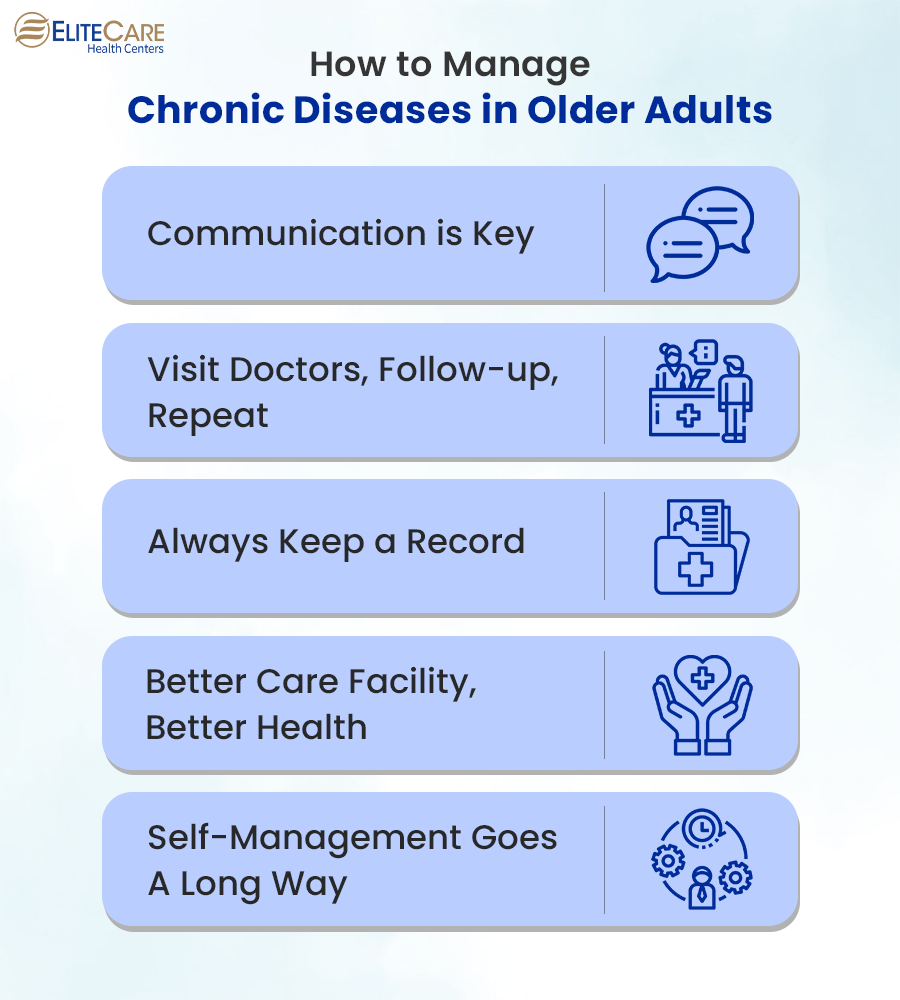
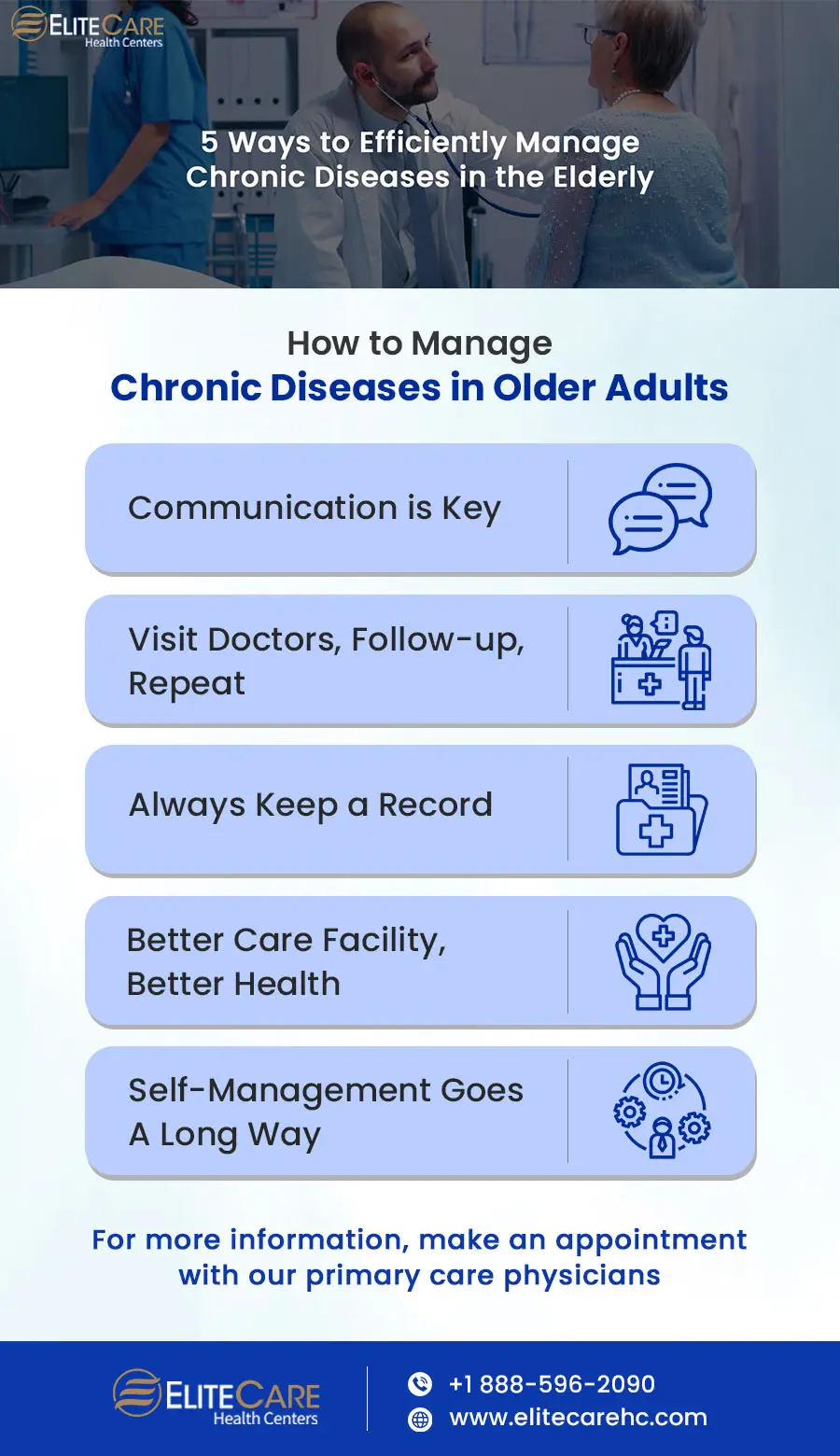
Keep track of your symptoms, medications, appointments, and test results in a health journal or diary to monitor your health status and progress over time. Review this information regularly with your healthcare providers to ensure that your treatment plan is working effectively and making a positive impact on your health.
Schedule regular check-ups, screenings, and tests with your primary care physician, specialists, and healthcare providers to monitor your chronic illness and overall health. Stay up-to-date on your vaccinations, screenings, and preventive care measures to maintain your health and well-being as you age.
Pay attention to your body’s signals, symptoms, and changes, and don’t ignore any new or worsening symptoms that could indicate a potential health issue or complication. Trust your instincts and seek medical attention if you experience any alarming symptoms or changes in your health status.

Conclusion
Aging with a chronic illness can be a challenging and complex journey, but it’s possible to navigate it successfully with the right strategies in place. By understanding your condition, maintaining a healthy lifestyle, seeking support and connection, managing stress and mental health, adapting to changes and challenges, and monitoring your health and progress, you can age gracefully and healthily while living with a chronic illness. Remember that you’re not alone in this journey, and there are resources, tools, and support available to help you along the way. Stay positive, stay proactive, and take care of yourself as you embrace healthy aging with chronic illness.